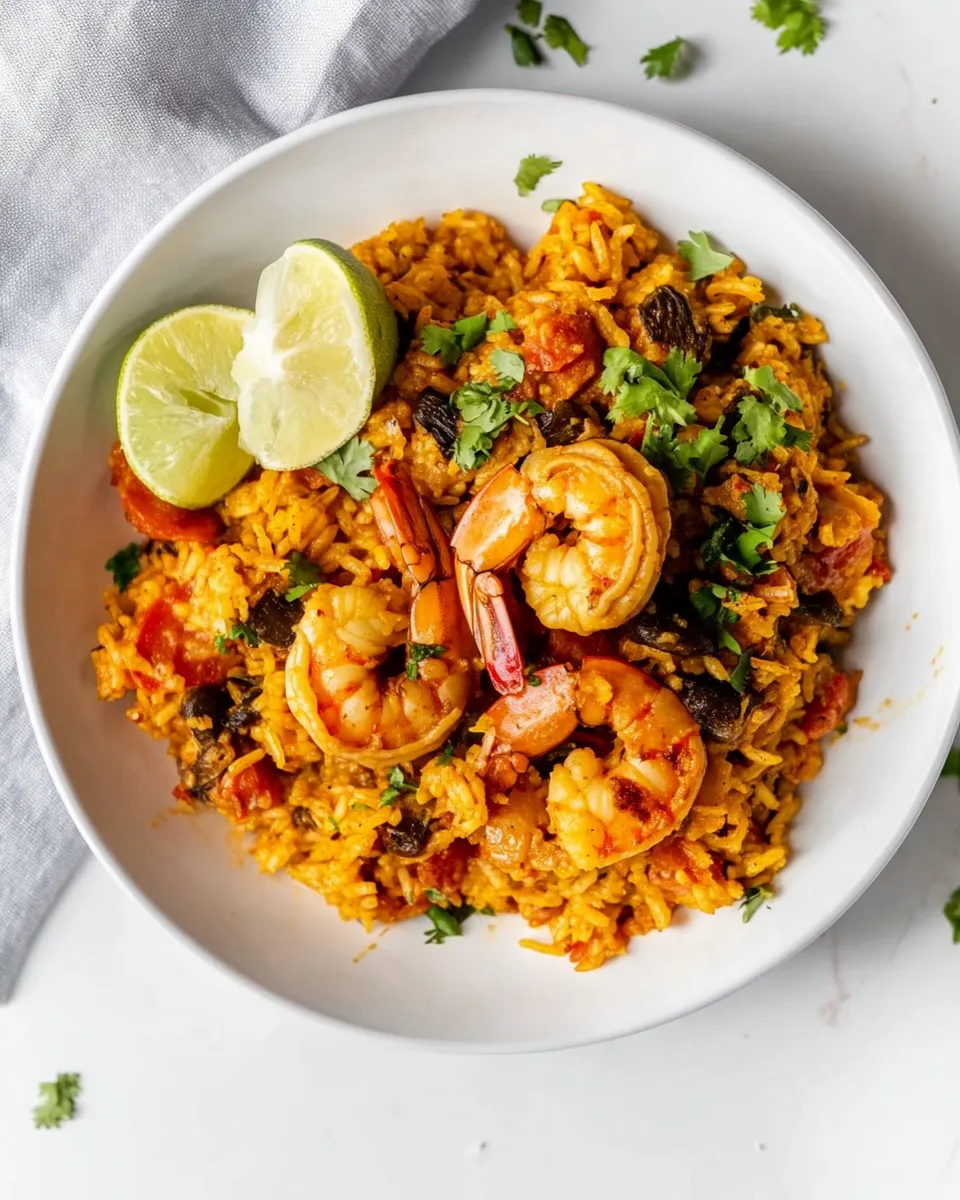
This is a straightforward, comforting Dominican classic: rice cooked with tender shrimp, bright tomato, olives and a little garlic and parsley. It comes together in a single pot, so cleanup is minimal and the flavors concentrate as the rice cooks. I love this dish for weeknights and easy weekend dinners alike.
The recipe below is faithful to a traditional home-style approach—no fuss, just a few pantry staples and a simple process that rewards attention more than technique. It’s forgiving, so even if you’re busy you can still end up with an impressive, well-seasoned meal.
Cook it once and you’ll see why Locrio is a mainstay in Dominican kitchens: satisfying, bright, and quick. I’ll walk you through ingredients, the exact steps, equipment, common traps, and sensible variations so you get reliable results every time.
Gather These Ingredients
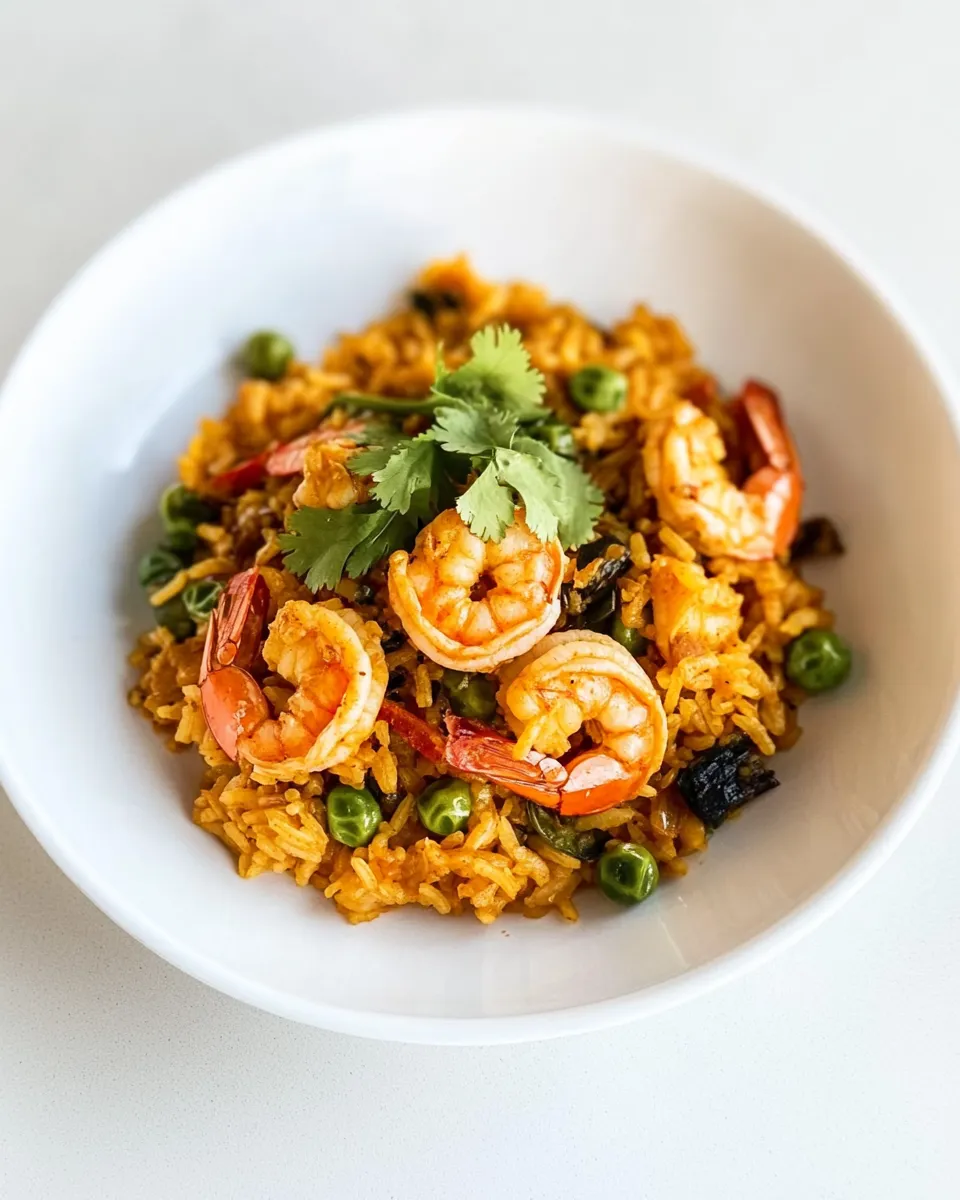
- 2 pound shrimp (large, uncooked and peeled) — The star protein; pat dry before cooking so they steam instead of release excess water.
- 3 tablespoons vegetable oil — Provides a neutral frying medium and helps the tomato base bloom without burning.
- 1 bell pepper, cut into small pieces — Adds sweetness, color and texture; small dice helps it integrate into the rice.
- 4 cloves garlic, crushed — Garlic gives aromatic backbone; crush or mince and add early so it perfumes the oil.
- 1 cup tomato sauce — Builds a savory, slightly acidic base and colors the rice.
- 1/8 cup pitted green olives, sliced — Brings briny contrast to the tomato and shrimp; distribute evenly for flavor pockets.
- 2 teaspoons salt, (or more, to taste) — Essential for seasoning both rice and shrimp; adjust at the end if needed.
- 3 sprigs parsley, minced — Fresh herb brightness; stirred into the cooking rice to lift the overall flavor.
- 4 cups rice — Long- or medium-grain rice will work; rice soaks up the braising liquid and finishes the dish.
How to Prepare Locrio de Camarones (Dominican Rice and Shrimp)
- Pat the 2 pounds of shrimp dry with paper towels and set aside.
- In a large, thick-bottomed pot, heat the 3 tablespoons vegetable oil over medium-low heat until shimmering.
- Add the bell pepper pieces and the 4 crushed garlic cloves to the pot. Sauté, stirring, about 1 minute — just until fragrant, without letting the garlic brown.
- Stir in the 1 cup tomato sauce and the 1/8 cup sliced pitted green olives; cook, stirring, 1–2 minutes to combine.
- Add 8 cups water and the 2 teaspoons salt to the pot and bring the mixture to a gentle boil.
- Stir in the 3 sprigs of minced parsley, then add the 4 cups rice. Return to a boil briefly, then reduce heat to medium-low.
- Cook the rice, uncovered, stirring occasionally to prevent sticking, until most of the liquid is absorbed and the rice is still slightly firm (about 10–12 minutes).
- Evenly distribute the shrimp over the rice and gently stir once to incorporate. Cover the pot with an airtight lid, reduce heat to very low, and cook until the rice is tender and the shrimp are opaque and cooked through (about 8–10 minutes).
- Remove the pot from heat and let it rest, covered, 5 minutes. Uncover, fluff the rice gently with a fork, taste and adjust salt if needed.
- Serve hot with salad and avocado.
Why This Recipe Belongs in Your Rotation
Locrio de Camarones is economical, fast, and feeds a crowd. The one-pot method means a simple mise en place and only a single cooking vessel. Texture and flavor build naturally as the rice simmers in a tomato-forward broth; the shrimp finishes quickly on top so it stays tender, not rubbery.
It’s versatile: the base ingredients are common and adaptable to what you already have. Lean proteins, pantry staples like rice and tomato sauce, and minimal prep mean this is a dependable weeknight winner. And because it’s served hot and simple, it’s easy to pair with a salad or sliced avocado for a balanced plate.
International Equivalents
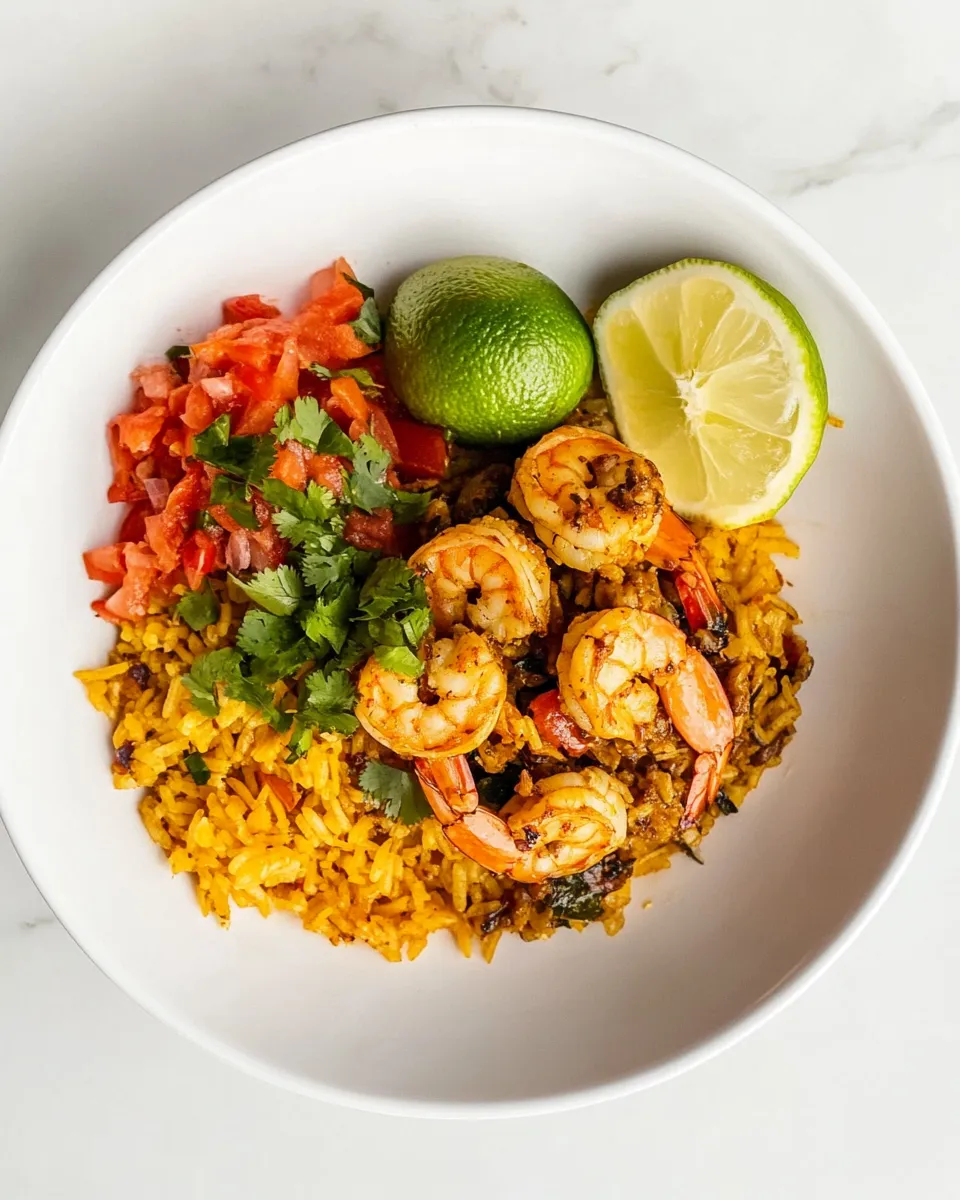
- Similar to Spanish arroz con camarones in flavor profile, but this Dominican version leans tomato-forward with olives and parsley for a lighter, fresher finish.
- Comparable in concept to Latin American “one-pot rice and seafood” dishes (e.g., Puerto Rican arroz con camarones), though ingredient ratios and aromatics differ regionally.
- If you’re familiar with paella, think of Locrio as a simpler, stove-top cousin—less saffron and fewer steps, more straightforward pantry cooking.
Must-Have Equipment
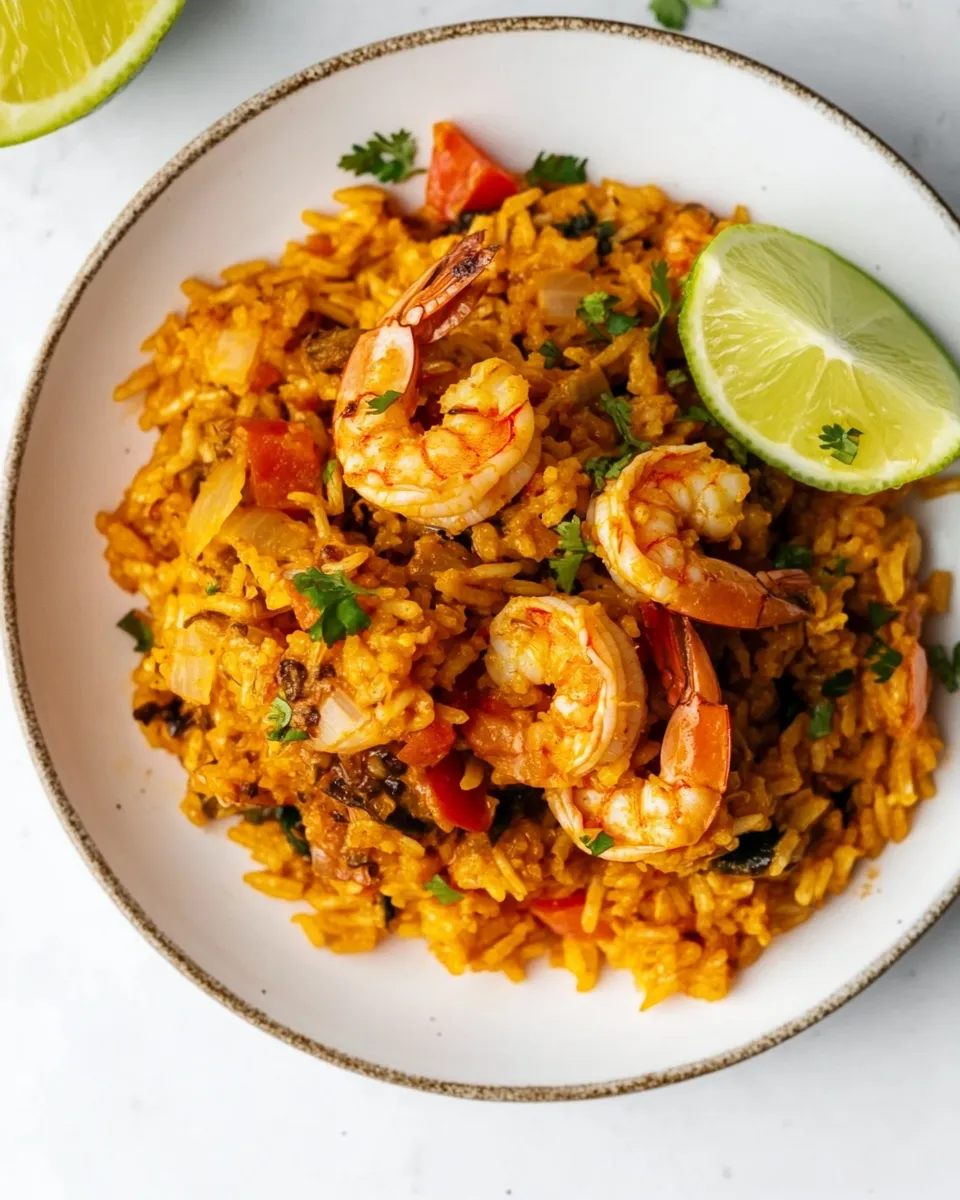
- A large, thick-bottomed pot with an airtight lid — Ensures even heat distribution and prevents sticking as the rice cooks.
- Wooden spoon or silicone spatula — For gentle stirring and scraping without damaging the pot.
- Measuring cups and spoons — For accurate rice-to-liquid ratio; this recipe depends on volume.
- Paper towels — For patting shrimp dry; drying the shrimp before cooking improves texture.
Easy-to-Miss Gotchas
- Wet shrimp: If the shrimp aren’t dried first they’ll release water and dilute the cooking liquid. Pat them thoroughly.
- Garlic browning: Garlic should be sautéed only until fragrant. Browning it will make the dish bitter. Keep the heat moderate.
- Incorrect rice-to-liquid feel: The recipe uses a relatively wet start and a two-stage cook (partial uncovered simmer, then covered). Don’t rush the first stage; you want most liquid gone but rice still slightly firm before adding shrimp.
- Stirring too much after adding shrimp: After the shrimp are incorporated, cover and leave it. Lifting the lid repeatedly releases steam and interferes with final gentle cooking.
- Salt timing: The recipe includes 2 teaspoons of salt. Taste and adjust after resting—hot rice hides saltiness differently than a finished bite.
Year-Round Variations
Use this recipe as a template. In summer, toss a handful of chopped fresh tomatoes or roasted corn in at the end for brightness. In winter, fold in cooked white beans or chickpeas for extra bulk and heartiness—add them with the shrimp so they warm through.
For a smoky note, swap half the oil for a lightly toasted oil or finish with a few drops of olive oil. If you want a greener twist, stir in a cup of spinach or chopped kale during the final five minutes of covered cooking so it wilts into the rice without oversaturating it.
Cook’s Notes
Rice choice and texture
Long-grain rice keeps grains separate and gives a fluffier result; medium-grain yields a slightly creamier mouthfeel. Whatever you use, keep the rice-to-liquid relationship and cooking times in mind. If you use a different rice type (e.g., parboiled or basmati), you may need to adjust liquid and timing slightly.
Shrimp timing
Shrimp cook fast. The method here cooks them on top of the rice during the final covered stage so they steam gently and remain tender. Overcooking makes them rubbery, so stick to the 8–10 minute guideline and rely on opacity as the doneness cue.
Leftovers & Meal Prep
Cool leftover Locrio quickly and store in an airtight container in the refrigerator for up to 3 days. Reheat gently on the stovetop with a splash of water or broth to loosen the rice and restore moisture, or microwave with a sprinkle of water and a cover to trap steam.
If you plan to meal prep, consider keeping avocado and any fresh salad components separate until serving. Leftover shrimp become firmer over time but are still flavorful in fried rice-style stir-ins or added cold to salads.
Your Top Questions
- Can I use frozen shrimp? — Yes. Thaw fully and pat dry before starting. Remove excess ice glaze so you don’t water down the pot.
- Is 8 cups of water necessary? — The step uses 8 cups water for the braising liquid; it’s calibrated for 4 cups rice here. If you change rice type, you may need to adjust liquid.
- What if I don’t have green olives? — Olives add a briny contrast. If you omit them, consider a small splash of caper brine or a pinch of extra salt, but adjust carefully.
- Can I double this recipe? — You can, but use a proportionally larger pot to avoid overcrowding and uneven cooking. Heat distribution matters more with larger volumes.
- Why is the rice cooked uncovered first? — Cooking uncovered lets excess moisture evaporate so rice absorbs the tomato-flavored broth properly and doesn’t end up mushy.
Let’s Eat
Serve Locrio de Camarones hot, alongside a crisp salad and sliced avocado for a simple, balanced plate. A squeeze of lime at the table brightens the whole meal, and a few extra chopped parsley leaves make for a fresh finish.
This is food for everyday life—easy to scale, simple to store, and reliably delicious. If you make it, I’d love to hear how you adapted it and what you paired it with. Happy cooking and buen provecho!
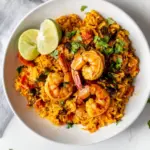
Locrio de Camarones (Dominican Rice and Shrimp)
Ingredients
Ingredients
- 2 poundshrimp large, uncooked and peeled, [0.9 kg]
- 3 tablespoonsvegetable oil
- 1 bell pepper cut into small pieces
- 4 clovesgarlic crushed
- 1 cuptomato sauce
- 1/8 cuppitted green olives sliced
- 2 teaspoonssalt (or more, to taste)
- 3 sprigsparsley minced
- 4 cupsrice
Instructions
Instructions
- Pat the 2 pounds of shrimp dry with paper towels and set aside.
- In a large, thick-bottomed pot, heat the 3 tablespoons vegetable oil over medium-low heat until shimmering.
- Add the bell pepper pieces and the 4 crushed garlic cloves to the pot. Sauté, stirring, about 1 minute — just until fragrant, without letting the garlic brown.
- Stir in the 1 cup tomato sauce and the 1/8 cup sliced pitted green olives; cook, stirring, 1–2 minutes to combine.
- Add 8 cups water and the 2 teaspoons salt to the pot and bring the mixture to a gentle boil.
- Stir in the 3 sprigs of minced parsley, then add the 4 cups rice. Return to a boil briefly, then reduce heat to medium-low.
- Cook the rice, uncovered, stirring occasionally to prevent sticking, until most of the liquid is absorbed and the rice is still slightly firm (about 10–12 minutes).
- Evenly distribute the shrimp over the rice and gently stir once to incorporate. Cover the pot with an airtight lid, reduce heat to very low, and cook until the rice is tender and the shrimp are opaque and cooked through (about 8–10 minutes).
- Remove the pot from heat and let it rest, covered, 5 minutes. Uncover, fluff the rice gently with a fork, taste and adjust salt if needed.
- Serve hot with salad and avocado.
Equipment
- large thick-bottomed pot
- Lid
- Paper Towels
- Fork
- stove
Notes
This method of making locrio is not the most common one in the DR, it is, however, the one that I found produces the most delicious locrio. Worth a try.