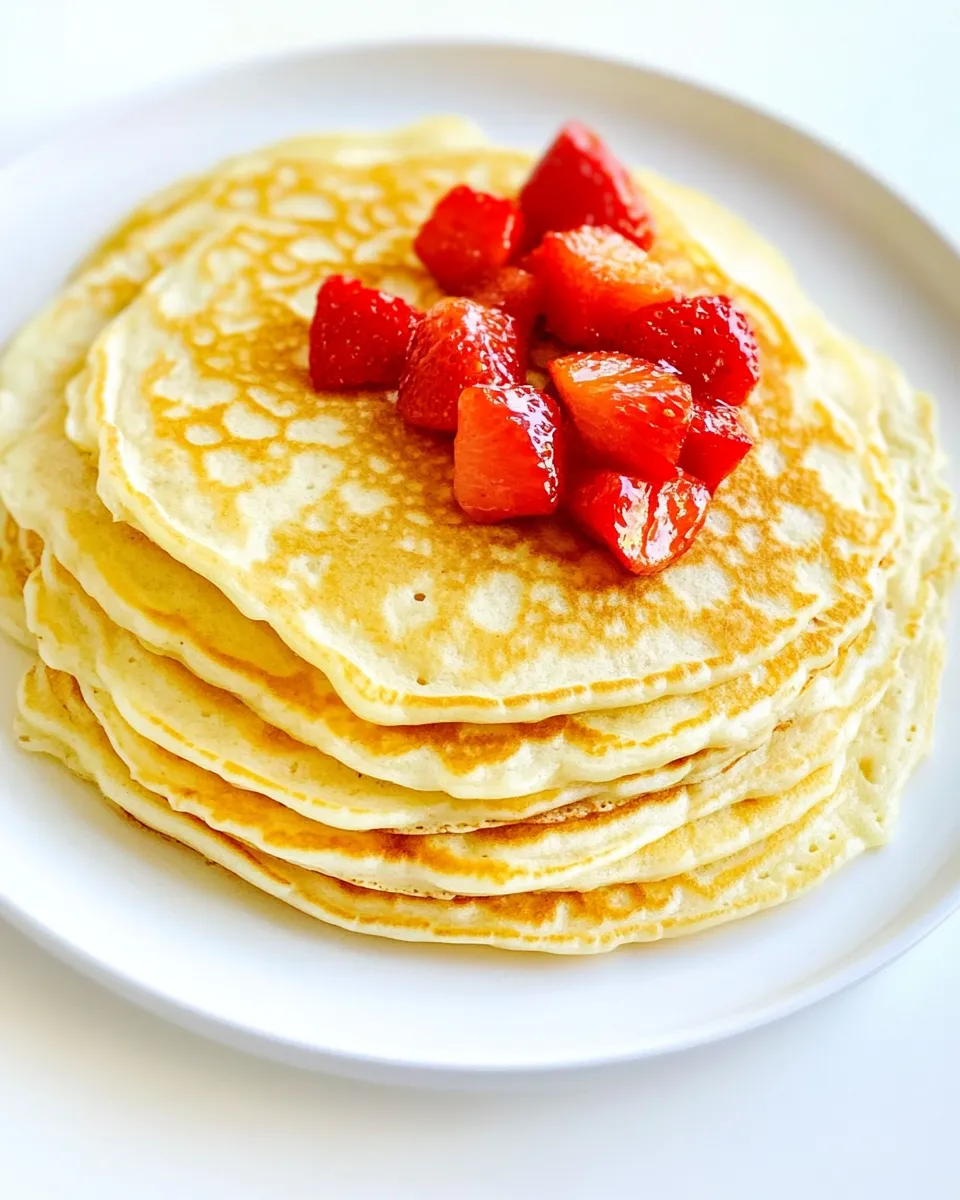
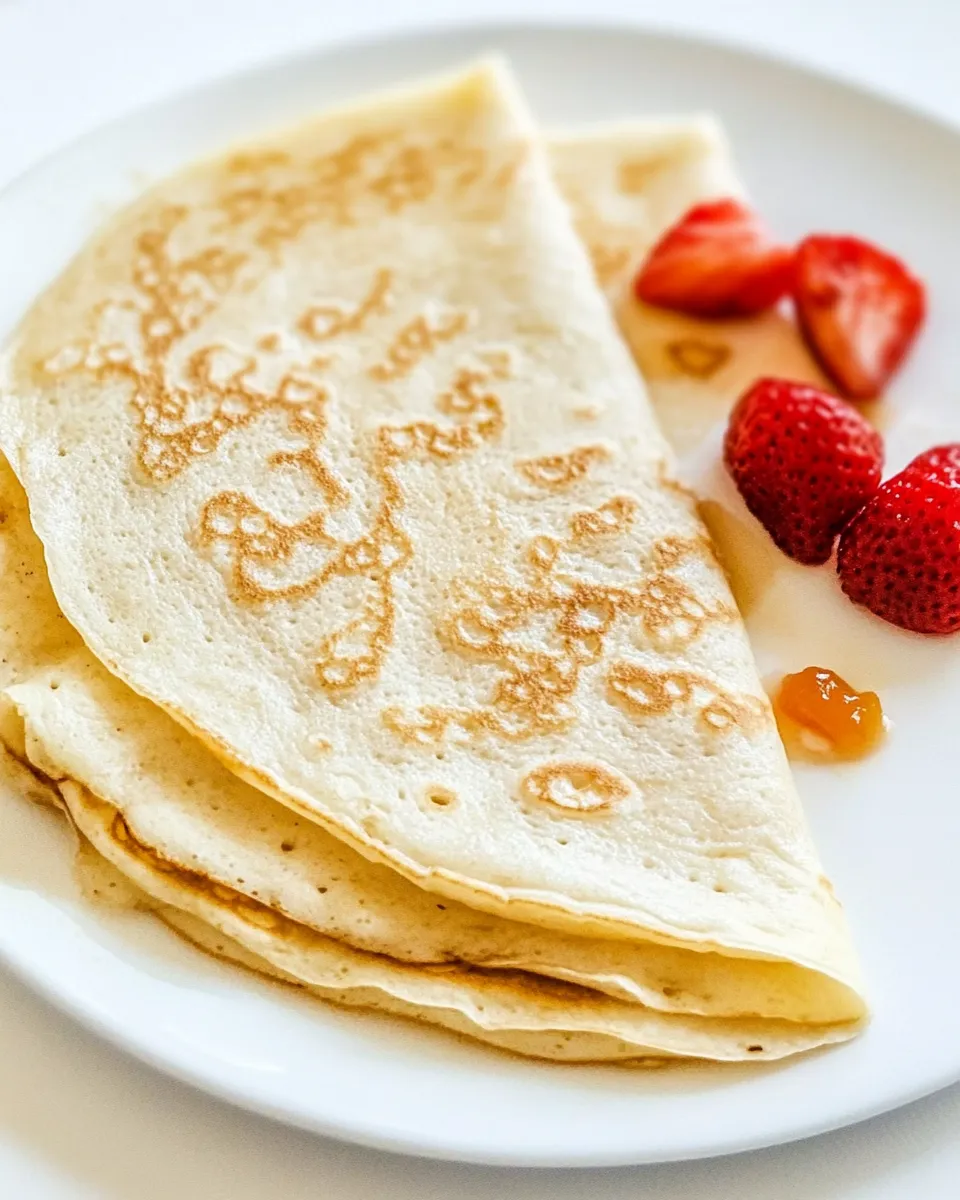
These thin, layered Mandarin pancakes are the kind of thing I make when I want the familiar comfort of a wrap with a delicate chew and a whisper of sesame. They’re the pancake you slide around tender slices of roasted meat, crisp vegetables, or keep plain and fold around a smear of sauce. The technique is straightforward; the texture is what you’ll remember.
I like to break the method down into small, repeatable moves: mix hot water into flour, rest the dough, roll, oil, sandwich, and roll again. Small steps, minimal tools, and the payoff is a stack of pancakes that peel apart into two featherlight wrappers. You’ll get consistent results if you respect the resting time and use the full amount of sesame oil when instructed.
These pancakes work for weeknight dinners and for company. They’re fast to cook once the dough is prepped, and you can keep a hot stack covered while you finish the main. Below you’ll find practical notes on ingredients, precise step-by-step directions, troubleshoot tips, and easy ideas to change the flavor to suit what’s in your fridge.
Ingredient Notes
Three ingredients and a little technique are all you need. Flour gives structure, boiling water gelatinizes starch and makes a soft, workable dough without long kneading, and sesame oil creates the layers that let the pancakes peel apart. Use the full 2 tablespoons of sesame oil where the recipe asks — it’s not just about flavor, it’s about the laminated layers.
If your kitchen is humid or very dry, the dough will feel different; that’s normal. A slightly tacky dough after kneading usually means it’s right. Add flour sparingly, one tablespoon at a time, if the dough is noticeably sticky. Resting is non-negotiable: it relaxes the dough so the pancakes roll thin without springing back.
Ingredients
- 2 cups all-purpose flour — provides structure and chew; measure by spooning into the cup and leveling for consistency.
- 1 cup boiling water — cooks the flour slightly to make a soft, pliable dough without heavy kneading.
- 2 tablespoons sesame oil — creates separable layers and adds nutty aroma; use the full amount and divide it as you work.
Directions: Mandarin Pancakes
- In a large bowl, combine 2 cups all-purpose flour with 1 cup boiling water. Stir with a wooden spoon or chopsticks until the mixture forms a shaggy dough.
- Turn the dough onto a lightly floured surface and knead until smooth, about 3–5 minutes. If the dough is too sticky, add additional flour about 1 tablespoon at a time as needed.
- Cover the dough with a clean towel and let it rest for 30 minutes.
- After resting, roll the dough into a 16-inch log. Using a sharp knife, cut the log into sixteen 1-inch pieces.
- Roll each piece into a round about 2 inches in diameter. Use the full 2 tablespoons sesame oil, brushing the top of each round and dividing the oil evenly as you work.
- Make pairs: place one round oiled-side up, put a second round on top with its oiled side down so the oiled sides touch, and press the pair gently so they stick together. Repeat to make 8 pairs.
- Flatten each pair slightly with your hand, then roll each pair with a rolling pin into a thin pancake about 6–7 inches in diameter.
- Heat an ungreased cast-iron skillet or nonstick pan over medium-high heat. Cook the pancakes one at a time: cook the first side until bubbles form and the bottom develops light brown spots, about 1 minute, then flip and cook the second side about 30 seconds.
- Stack the cooked pancakes on a plate. While still warm, find the seam in each stacked pancake and peel it apart into two thin pancakes.
Why It Works Every Time
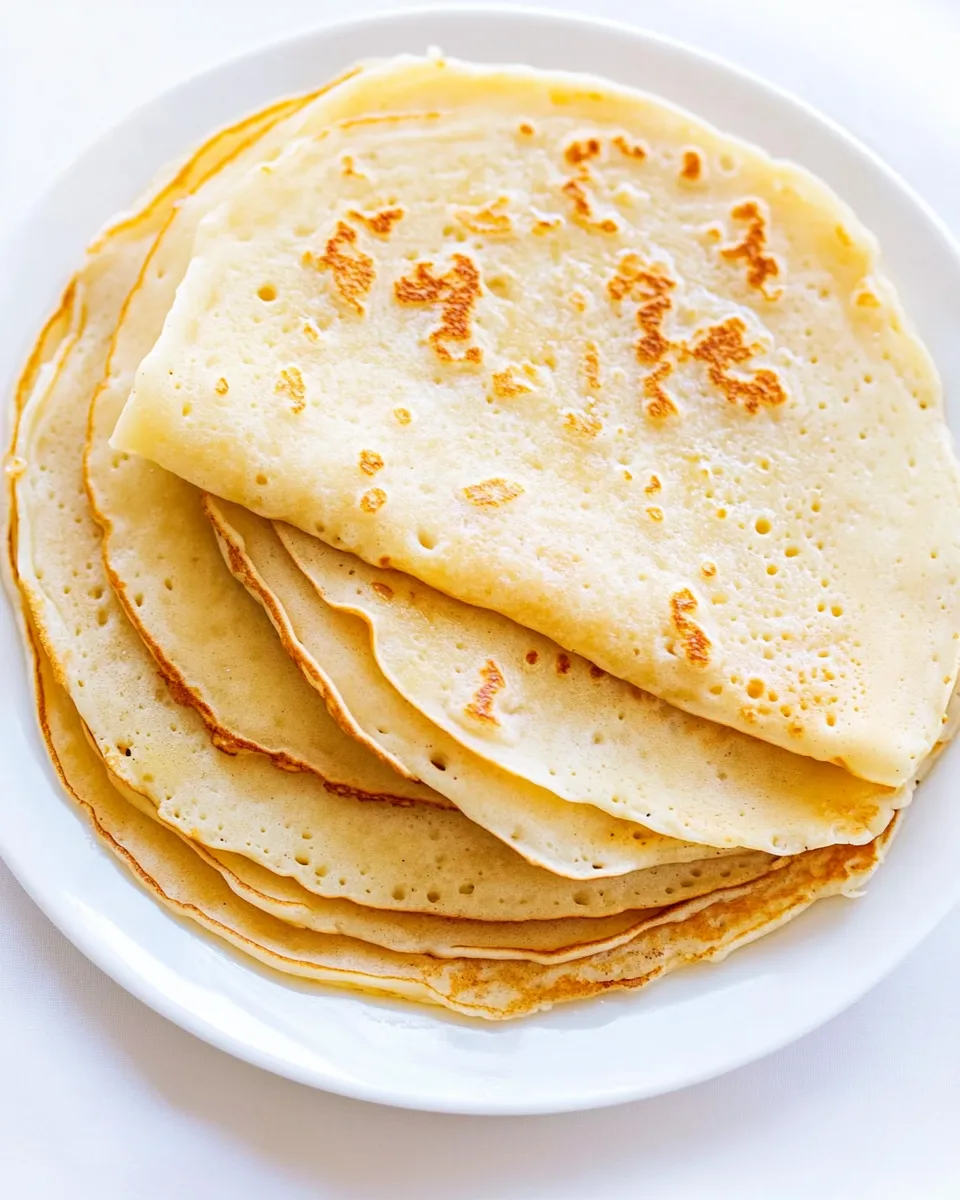
Boiling water does the heavy lifting here. It partially cooks the flour, which means you get a soft dough that’s easy to roll and won’t require prolonged kneading. The short knead simply brings the dough together and aligns gluten enough to give structure without toughness.
Resting is the second key. It lets the gluten relax so the dough rolls thin instead of snapping back. That brief rest also allows the starches to absorb moisture evenly, giving you a more predictable dough feel.
Finally, the sesame oil is both functional and flavorful. When you sandwich two oiled rounds together and roll them thin, the oil separates the layers. During cooking those layers steam and puff slightly, which is what creates a seam you can peel open—giving you two pancakes from one pair.
Flavor-Forward Alternatives
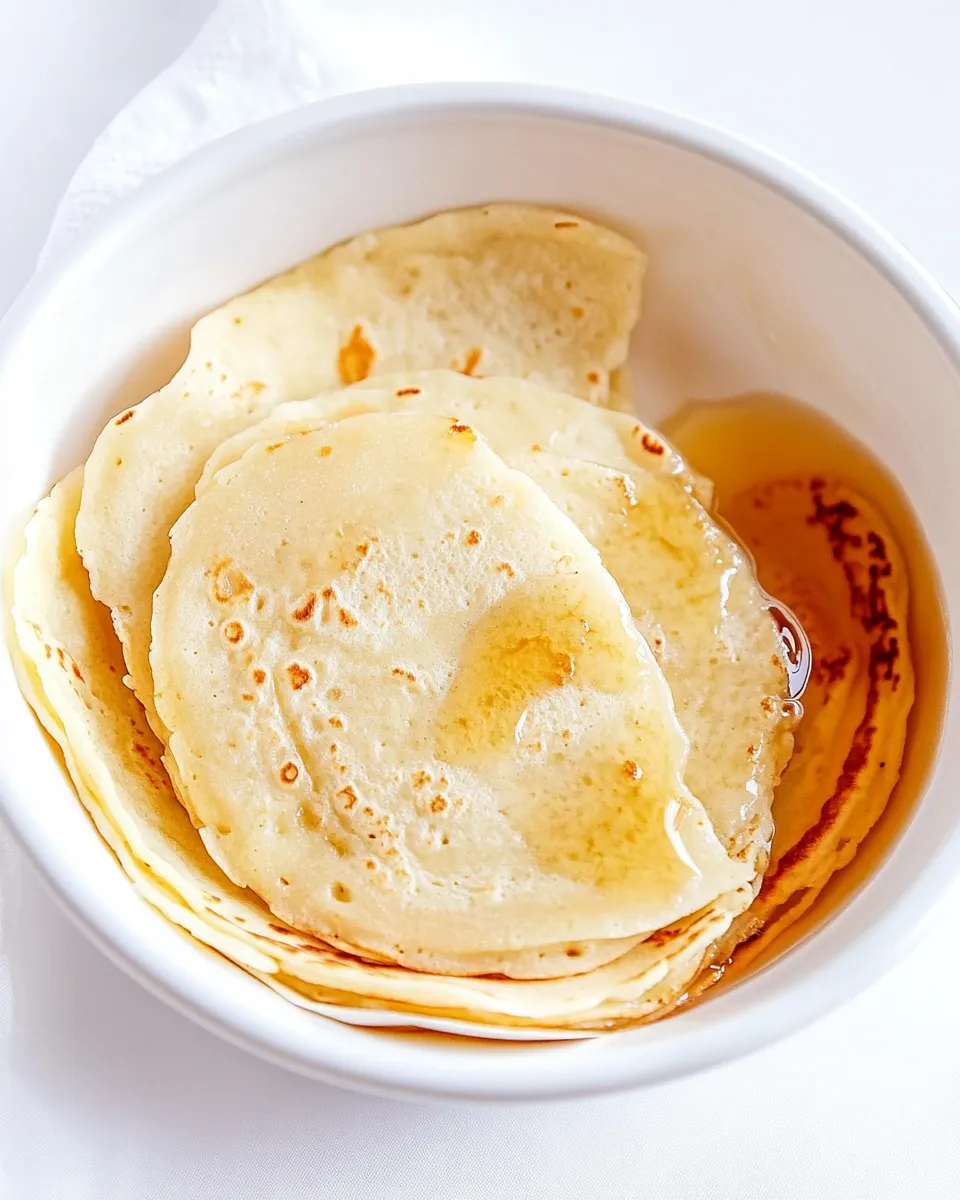
You can change the profile of these pancakes without altering the core method. Brush with flavored oils (toasted sesame or chili oil) for a bolder aroma. For a green note, gently press a thin layer of minced scallion into the dough before the final roll — it won’t change the dough chemistry but adds fresh flavor.
Serve the pancakes with different accompaniments to take them in new directions: traditional pairings like roasted or braised meats with hoisin or plum sauce are classic. Or go lighter: use grilled vegetables, quick-pickled cucumber, and a simple soy-vinegar dip. The pancake remains neutral enough to carry a lot of different combos.
Must-Have Equipment
- Large mixing bowl — to combine boiling water and flour without splashes.
- Wooden spoon or chopsticks — for mixing; they help you handle the hot water safely.
- Rolling pin — to roll the pairs thin and even.
- Sharp knife — to cut the dough log into even pieces.
- Cast-iron skillet or nonstick pan — the recipe calls for an ungreased surface so a good pan is essential for even browning.
- Clean towel — to cover the dough while it rests; it prevents a skin from forming.
Avoid These Traps
Don’t skip the rest. Rolling immediately after kneading means the dough will spring back and the pancakes will be thick and uneven. If the dough feels tight when you roll, let it rest a bit longer—10–15 minutes is often enough to relax it further.
Use the sesame oil as directed. Reducing it makes layering harder and the pancakes won’t separate. Conversely, excess oil on the surface of the final pancake will make them greasy; spread and divide the 2 tablespoons evenly.
High heat is tempting, but keep the pan at medium-high. Too hot and the pancakes char on the outside before the interior cooks; too low and they won’t get the characteristic speckled browning. Look for bubbles and small brown spots as your cue to flip.
Better-for-You Options
If you want to nudge the recipe toward whole grains, try replacing up to half the flour with whole wheat pastry flour. The texture will shift slightly—denser and nuttier—but the method stays the same. Add a tablespoon of warm water if the dough tightens up with the substitution.
For a lighter oil option, you can use a neutral oil for the layering instead of sesame, but keep in mind you’ll lose the sesame aroma. If you’re monitoring sodium or condiments in the fillings, use the pancakes as a neutral wrapper and load up on vegetables and lean proteins inside.
Pro Perspective
Chefs aim for consistency. Measure your flour by spooning it into the cup and leveling instead of scooping directly from the bag. That small technique keeps the dough predictable across batches. Keep your workspace lightly floured but avoid pushing extra flour into the dough—too much will dry it out.
When rolling the pairs, use even pressure and turn the dough often so they expand into uniform circles. Thinner pancakes cook more quickly and peel more easily; shoot for that 6–7 inch diameter mentioned in the directions. If yours come out slightly different sizes, stack and trim for presentation—or embrace the rustic look.
Storage Pro Tips
Short-term (same day)
Wrap the stack in a clean kitchen towel and place them in a shallow covered container or a warm oven (turned off) to keep them pliable. They’ll stay soft for several hours this way. Avoid refrigeration if you plan to use them the same day; cold pancakes firm up and lose that flexible texture.
Long-term
For longer storage, separate pancakes with parchment, wrap tightly, and freeze in a resealable bag. Thaw at room temperature and reheat gently in a pan over low heat with a quick steam under a lid for 30–60 seconds to restore pliability. Reheating slowly prevents them from becoming rubbery.
Handy Q&A
- Q: Can I make the dough ahead? A: Yes. Refrigerate the dough, wrapped, for up to 24 hours. Bring it to room temperature and let it rest a bit before rolling.
- Q: My pancakes don’t separate—what went wrong? A: Either not enough sesame oil was used between layers, the oil wasn’t spread evenly, or the pancakes were rolled unevenly. Use the full 2 tablespoons and make sure the oiled sides touch.
- Q: Can I use warm water instead of boiling? A: Boiling water is important because it pre-cooks the flour slightly and yields a softer dough. Substituting will change the texture and make the dough firmer and harder to laminate.
- Q: Can I make mini or large pancakes? A: Yes. Change the size of your rolled pairs, but adjust cooking time accordingly. Smaller pancakes cook faster; larger ones may need a touch longer on each side.
That’s a Wrap
Mandarin Pancakes take a little patience and a small routine, and they reward you with flexible, lightly chewy wrappers that elevate any filling. Keep the method faithful: boiling water for the dough, a short rest, and the sesame oil multilayer trick. That’s the combination that reliably produces pancakes that peel apart and hold their fillings without breaking.
Make a double batch next time you crave them—leftovers freeze well and reheat neatly. Then assemble a simple spread, invite friends, and let everyone fill their own. It’s practical, shareable, and genuinely satisfying.

Mandarin Pancakes
Ingredients
Ingredients
- 2 cupsall-purpose flour
- 1 cupboiling water
- 2 tablespoonsesame oil
Instructions
Instructions
- In a large bowl, combine 2 cups all-purpose flour with 1 cup boiling water. Stir with a wooden spoon or chopsticks until the mixture forms a shaggy dough.
- Turn the dough onto a lightly floured surface and knead until smooth, about 3–5 minutes. If the dough is too sticky, add additional flour about 1 tablespoon at a time as needed.
- Cover the dough with a clean towel and let it rest for 30 minutes.
- After resting, roll the dough into a 16-inch log. Using a sharp knife, cut the log into sixteen 1-inch pieces.
- Roll each piece into a round about 2 inches in diameter. Use the full 2 tablespoons sesame oil, brushing the top of each round and dividing the oil evenly as you work.
- Make pairs: place one round oiled-side up, put a second round on top with its oiled side down so the oiled sides touch, and press the pair gently so they stick together. Repeat to make 8 pairs.
- Flatten each pair slightly with your hand, then roll each pair with a rolling pin into a thin pancake about 6–7 inches in diameter.
- Heat an ungreased cast-iron skillet or nonstick pan over medium-high heat. Cook the pancakes one at a time: cook the first side until bubbles form and the bottom develops light brown spots, about 1 minute, then flip and cook the second side about 30 seconds.
- Stack the cooked pancakes on a plate. While still warm, find the seam in each stacked pancake and peel it apart into two thin pancakes.
Equipment
- Classic Wooden Rolling Pin
- Basting and Pastry Brush
- 12-inch Cast Iron Skillet
Notes
If you are cooking the pancakes in batches, make sure to wrap the finished pancakes in a tea towel. Because they are so thin, this will stop them from drying out. We want the pancakes to stay moist while you finish the rest of them.
After the pancakes are finished, place them in a tea towel to cool, just enough so that they can be easily handled.
Make sure to pull the two pancakes gently apart. This part can be a bit tricky! Don’t worry if some of the edges end up connected to the wrong pancake, they’ll still be just as tasty!
Store leftover pancakes in an airtight container in the fridge for3-4 days.
Freezing:After they have cooled, place in an airtight container with a layer of parchment paper in between each pancake and store in the freezer for up to3 months.