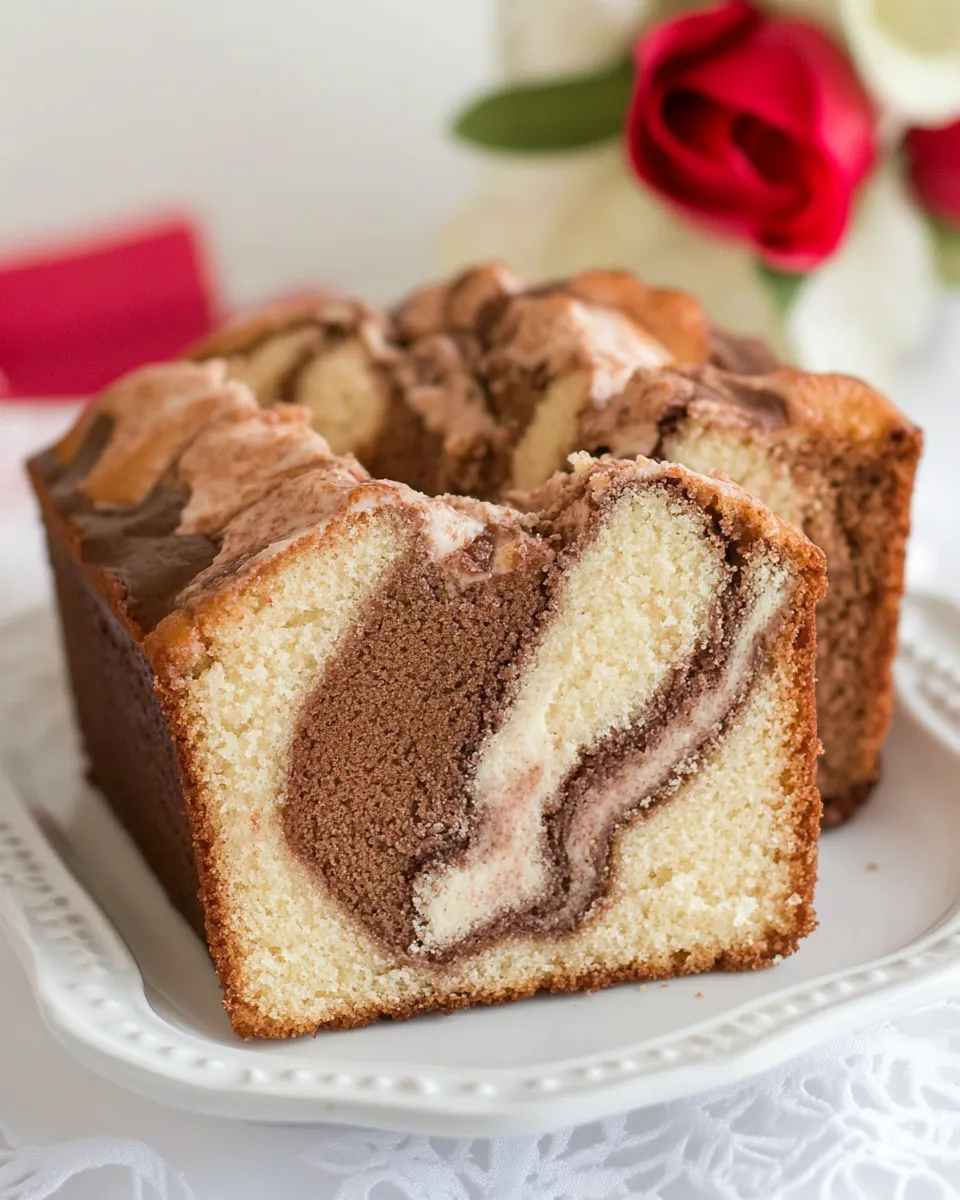
I bake a lot of pound cakes — they are forgiving, dense in a comforting way, and endlessly adaptable. This marble version keeps the classic butter-and-egg richness while adding a cocoa ribbon and bright, macerated strawberries to cut the sweetness and sharpen every bite. It’s a simple showstopper for brunch or an easy dessert after dinner.
This post is practical: clear shopping guidance, the exact ingredient list and method you need, and the troubleshooting tips I use when I teach friends how to get a tender crumb and a distinct marbled pattern. There’s no fluff—just useful notes so your bake succeeds the first time.
What to Buy
Before you start, gather everything and check freshness. Buy the strawberries the same day you plan to macerate or the day before if you want a deeply flavored syrup from the fruit. For the cake itself, use room-temperature butter and eggs; they blend more evenly and trap air better during creaming.
If you don’t have a scale, make sure your measuring cups and spoons are accurate—pound cakes respond to small measurement differences. Pick a good-quality unsweetened cocoa powder (not Dutch-processed unless you’re okay with slightly different chemistry), and choose orange blossom honey for its floral note when available.
Ingredients
- 1 cup (2 sticks) unsalted butter, at room temperature — creamed with sugar to build volume and structure.
- 2 teaspoons vanilla extract — aroma and flavor lift for the vanilla batter.
- 1 and 1/2 cups granulated sugar — primary sweetener and helps with crust and tenderness.
- 1/2 cup light brown sugar, packed — adds moisture and a subtle caramel note.
- 5 large eggs, at room temperature — provide richness, structure, and moisture.
- 1 cup whole milk — hydrates the dry ingredients and contributes to a tender crumb.
- 1/3 cup full-fat sour cream — adds fat and acidity for a moist, tender cake.
- 2 and 1/2 cups cake flour — lighter protein than all-purpose for a soft crumb.
- 1 1/2 teaspoons baking powder — the leavening agent to lift the cake.
- 1/4 teaspoon salt — balances sweetness and enhances flavors.
- 1/4 cup unsweetened cocoa powder — makes the chocolate portion of the marble.
- 1 pound fresh strawberries — for macerating; choose ripe but firm berries.
- 1 teaspoon vanilla extract — added to the strawberries for depth.
- 1 teaspoon orange zest — bright citrus note to pair with honey.
- 1/4 cup orange juice (preferably fresh squeezed) — liquid and acid for the maceration.
- 1/2 cup orange blossom honey — sweetens the strawberries with floral character.
Mastering Marble Pound Cake: How-To
Follow the steps below in order. Quantities and timings come from the tested source; keep them as written for best results. Read all steps once through before you begin so you don’t miss a rest or cooling time.
- Preheat oven to 350°F (175°C). Line a loaf pan with aluminum foil, allowing two opposite sides to overlap for easy removal. Spray the foil-lined pan generously with non-stick spray and set aside.
- In a large bowl or the bowl of a stand mixer fitted with the paddle attachment, place the 1 cup (2 sticks) unsalted butter (room temperature). Start the mixer on low and beat the butter until smooth.
- Add 2 teaspoons vanilla extract, 1 and 1/2 cups granulated sugar, and 1/2 cup packed light brown sugar to the butter. Beat 1 minute on low, then increase speed to medium and continue beating 3–4 minutes, until the mixture is very light and fluffy.
- Add the 5 large eggs one at a time, beating well after each addition. Stop the mixer when the eggs are fully incorporated.
- In a small bowl, whisk together 1 cup whole milk and 1/3 cup full-fat sour cream until smooth; set aside. In a separate medium bowl, whisk together 2 and 1/2 cups cake flour, 1 and 1/2 teaspoons baking powder, and 1/4 teaspoon salt.
- With the mixer on the lowest speed, add the dry flour mixture and the milk–sour cream mixture to the batter in three additions, beginning and ending with the flour mixture (flour, milk mixture, flour). Mix only until just combined after each addition—do not overmix. A few small lumps are okay.
- Using a measuring cup or scoop, transfer 2 and 1/2 cups of the batter into a medium bowl. Add 1/4 cup unsweetened cocoa powder to the reserved batter and whisk until smooth to make the chocolate portion.
- Alternately spoon or scoop portions of the vanilla batter and the chocolate batter into the prepared loaf pan to form layers. When the pan is filled, use a large skewer or chopstick to gently swirl through the batters to create a marbled pattern—do not over-swirl.
- Bake in the preheated oven for about 1 hour, or until a toothpick inserted into the center comes out clean or with just a few moist crumbs. Remove from oven and place the pan on a wire rack. Cool the cake in the pan for 10 minutes, then lift the cake out using the foil overhang, remove the foil, and transfer the cake to the rack to cool completely.
- Meanwhile, prepare the strawberries: pick over 1 pound fresh strawberries and discard any that are bad. Rinse the berries in a colander, gently pat dry, hull them, and slice.
- Place the sliced strawberries in a large bowl. Add 1 teaspoon vanilla extract, 1 teaspoon orange zest, 1/4 cup orange juice, and 1/2 cup orange blossom honey. Stir gently to coat the berries, cover the bowl, and refrigerate for at least 2 hours to macerate.
- When the cake is cooled and the strawberries have macerated, slice the pound cake and serve with the prepared strawberries.
What Makes This Recipe Special
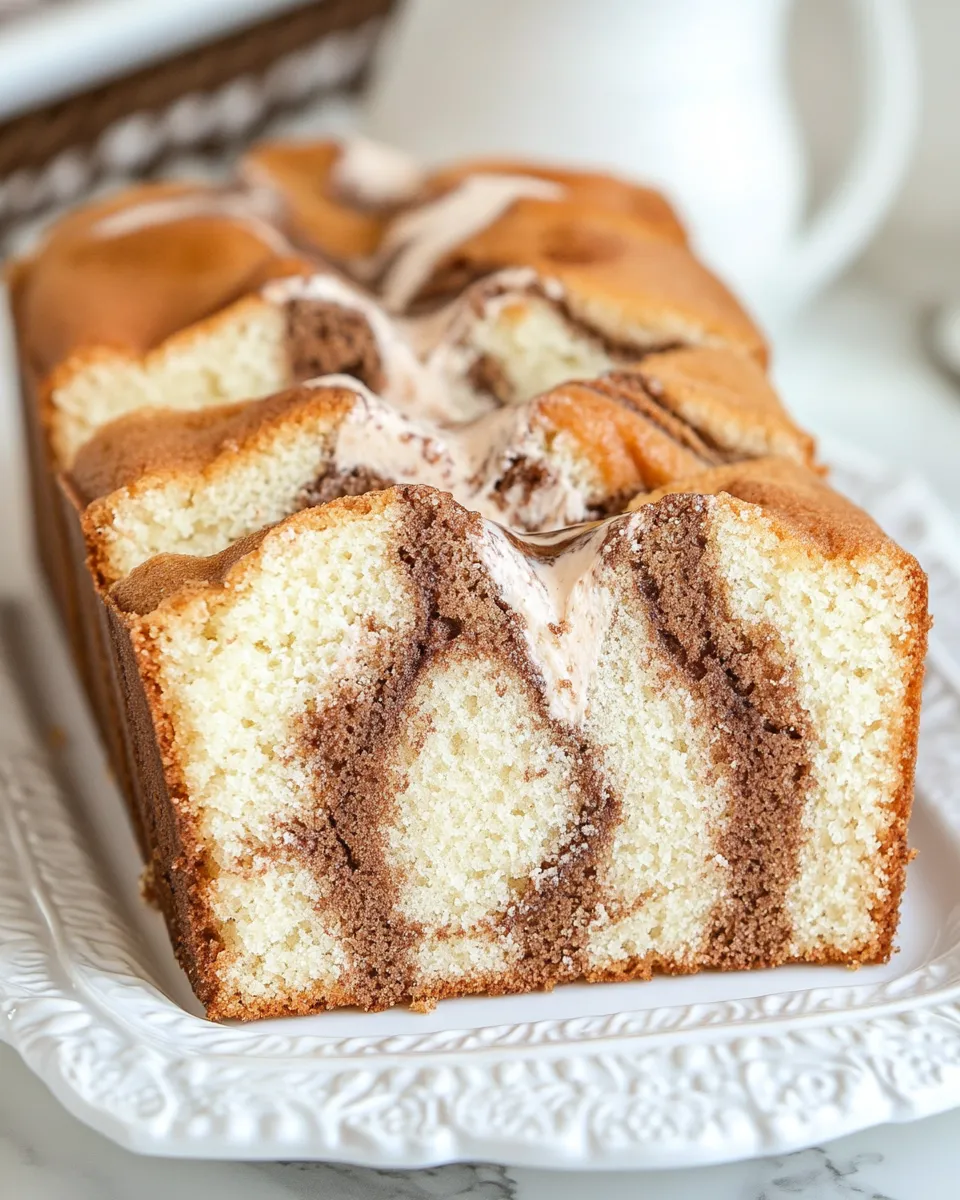
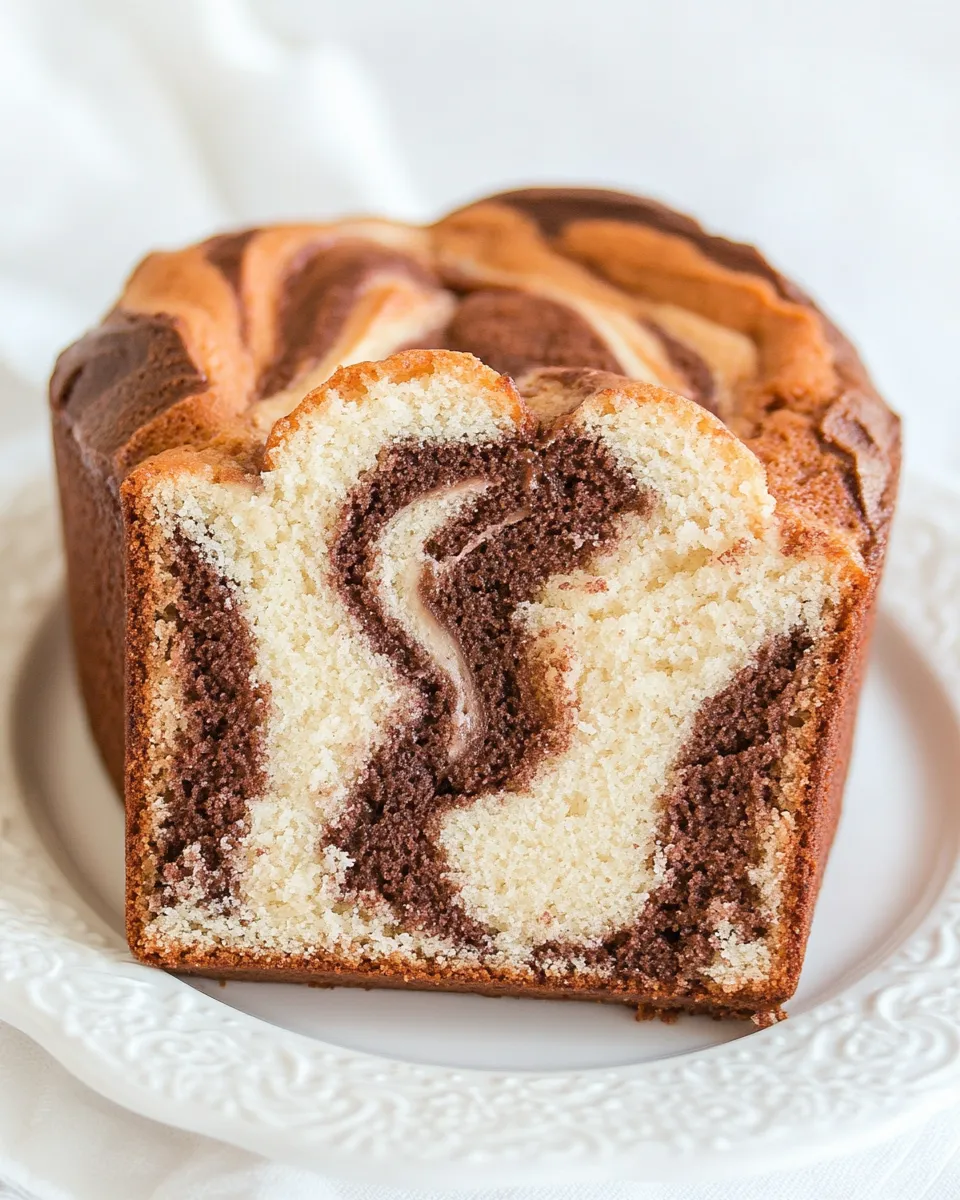
A few things set this marble pound cake apart. Cake flour plus an egg-forward formula delivers a tender, fine crumb that still feels dense and satisfying. The sour cream contributes tang and helps the cake stay moist for days. The marbling is simple—two batters—yet it creates visual interest and a contrast of flavors in each slice.
The strawberries macerated in orange juice and orange blossom honey add brightness and balance. They cut through the cake’s richness, and their syrupy juices make every forkful more complex. This combination lets you serve a simple loaf as a dessert that tastes intentional and seasonal.
Budget & Availability Swaps
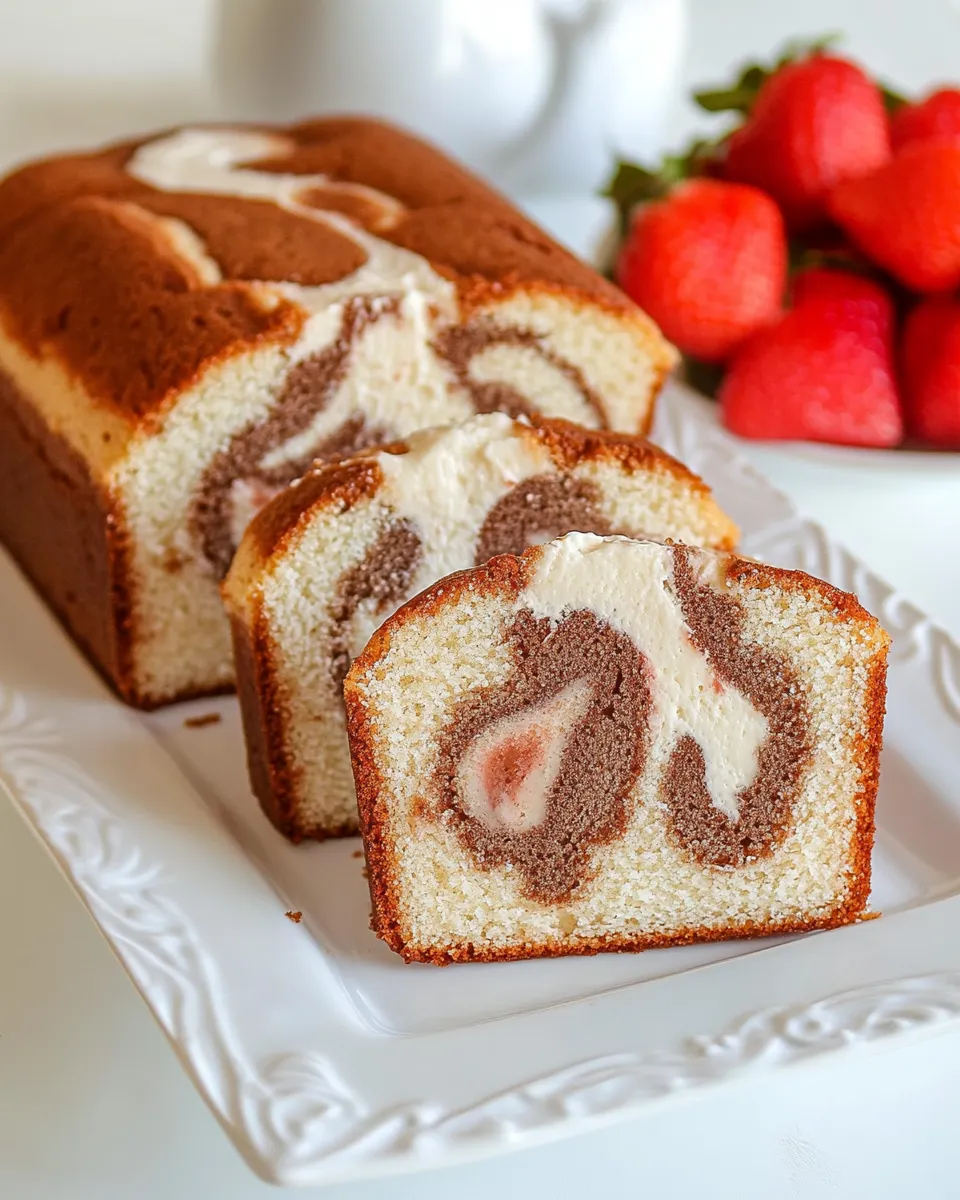
When an ingredient is hard to find or you’re watching costs, choose swaps that preserve texture and flavor. If cake flour isn’t available, you can use a lighter all-purpose flour—sift well to aerate it. If orange blossom honey is out of reach, use a mild wildflower honey or a good runny honey; the floral element will be less pronounced but still sweet and aromatic.
If fresh strawberries are out of season, frozen berries can work as a compote warmed with the orange juice and honey—serve generously spooned over slices. For cocoa, unsweetened natural cocoa is fine; avoid adding extra sugar since the batter is already balanced for sweetness.
Equipment & Tools
- Stand mixer with paddle attachment or a sturdy hand mixer — for proper creaming and even mixing.
- Loaf pan (standard size) lined with aluminum foil — the foil overhang makes removal foolproof.
- Non-stick spray — ensures clean release without extra buttering.
- Measuring cups and spoons — accuracy matters in pound cakes.
- Large mixing bowls and a medium bowl for the chocolate batter — keeps work organized.
- Whisk, spatula, and a large skewer or chopstick — for combining and marbling.
- Wire cooling rack and a colander — for cooling the cake and rinsing berries.
Pitfalls & How to Prevent Them
Dense, heavy cake — usually from overmixing after adding the flour, or from cold ingredients. Fix: bring butter, eggs, and sour cream to room temperature before starting, and stop mixing as soon as the dry ingredients are incorporated.
Flat or sunk center — underbaked or oven temperature issues. Fix: verify your oven temperature with an inexpensive oven thermometer and bake until a toothpick comes out clean; don’t open the oven early in the bake.
Over-swirled marble — if you stir too much, the batter will turn uniformly brown and lose the marbled look. Fix: swirl gently, just a few motions with a skewer.
Soggy strawberries — maceration can produce a lot of juice. That’s often desirable, but if you want less liquid serve the strawberries from the bowl with a slotted spoon and simmer the excess juice into a syrup if you like.
Year-Round Variations
Swap fruit by season. Late-spring and summer: raspberries or a mix of berries macerated similarly. Autumn: poached pears with a touch of honey and cinnamon. Winter: navel orange segments or a spiced compote. For a chocolate-forward twist, fold chopped toasted nuts into the vanilla batter or add a thin ganache drizzle over slices.
You can also turn this loaf into mini loaves or cupcakes—adjust baking time down and test for doneness early. The macerated fruit works equally well over slices or alongside a scoop of vanilla ice cream for a warm-cold contrast.
Pro Perspective
I weigh ingredients whenever possible for consistency, especially flour. If you only have cups, spoon the flour into the cup and level it rather than scooping directly from the bag. Temperature control is key: a properly aerated butter-sugar mixture (light and fluffy) gives better lift when the eggs are incorporated slowly.
Let the cake cool on a rack and remove it from the pan when it’s still slightly warm; that prevents condensation collecting under the loaf. For a more pronounced crust, bake on the middle rack; for an even crumb, rotate the pan halfway if your oven has hotspots.
Make Ahead Like a Pro
The cake itself keeps well at room temperature, wrapped in plastic or stored in an airtight container, for 2–3 days. For longer storage, freeze slices wrapped tightly in plastic and foil for up to 2 months; thaw at room temperature. The strawberries should be refrigerated and are best used within 48 hours after macerating.
You can prepare the strawberries up to 24 hours ahead to allow flavor development. If you want the berries to be less saucy, macerate for the minimum two hours indicated in the recipe, then drain slightly before serving.
Quick Questions
Can I use a different pan size? Yes, but baking time will change. A wider pan shortens time; a taller pan lengthens it—watch closely and use the toothpick test.
Can I omit the strawberries? Yes. The cake is excellent on its own or with whipped cream, a simple dusting of powdered sugar, or a chocolate glaze.
What if I only have low-fat sour cream or yogurt? Full-fat products give the best texture. Low-fat alternatives will work but can yield a slightly drier crumb.
Final Thoughts
This Marble Pound Cake is one of those reliable recipes that looks elegant with very little effort. The flavors are straightforward: buttery, vanilla, chocolate, and a citrus-honey-bright fruit component that elevates the whole loaf. Follow the mixing order, mind your temperatures, and give the strawberries their time to macerate—you’ll have a loaf that’s both homey and special.
I hope you enjoy baking it as much as I do. Slice it thin for tea, or serve a generous wedge with those macerated strawberries for company. Happy baking.
Marble Pound Cake
Ingredients
Ingredients
- 1 cup 2 sticks unsalted butter, at room temperature
- 2 teaspoonsvanilla extract
- 1 and 1/2 cups granulated sugar
- 1/2 cuplight brown sugar packed
- 5 large eggs at room temperature
- 1 cupwhole milk
- 1/3 cupfull-fat sour cream
- 2 and 1/2 cups cake flour
- 1 1/2 teaspoonsbaking powder
- 1/4 teaspoonsalt
- 1/4 cupunsweetened cocoa powder
- 1 poundfresh strawberries
- 1 teaspoonvanilla extract
- 1 teaspoonorange zest
- 1/4 cuporange juice preferably fresh squeezed
- 1/2 cuporange blossom honey
Instructions
Instructions
- Preheat oven to 350°F (175°C). Line a loaf pan with aluminum foil, allowing two opposite sides to overlap for easy removal. Spray the foil-lined pan generously with non-stick spray and set aside.
- In a large bowl or the bowl of a stand mixer fitted with the paddle attachment, place the 1 cup (2 sticks) unsalted butter (room temperature). Start the mixer on low and beat the butter until smooth.
- Add 2 teaspoons vanilla extract, 1 and 1/2 cups granulated sugar, and 1/2 cup packed light brown sugar to the butter. Beat 1 minute on low, then increase speed to medium and continue beating 3–4 minutes, until the mixture is very light and fluffy.
- Add the 5 large eggs one at a time, beating well after each addition. Stop the mixer when the eggs are fully incorporated.
- In a small bowl, whisk together 1 cup whole milk and 1/3 cup full-fat sour cream until smooth; set aside. In a separate medium bowl, whisk together 2 and 1/2 cups cake flour, 1 and 1/2 teaspoons baking powder, and 1/4 teaspoon salt.
- With the mixer on the lowest speed, add the dry flour mixture and the milk–sour cream mixture to the batter in three additions, beginning and ending with the flour mixture (flour, milk mixture, flour). Mix only until just combined after each addition—do not overmix. A few small lumps are okay.
- Using a measuring cup or scoop, transfer 2 and 1/2 cups of the batter into a medium bowl. Add 1/4 cup unsweetened cocoa powder to the reserved batter and whisk until smooth to make the chocolate portion.
- Alternately spoon or scoop portions of the vanilla batter and the chocolate batter into the prepared loaf pan to form layers. When the pan is filled, use a large skewer or chopstick to gently swirl through the batters to create a marbled pattern—do not over-swirl.
- Bake in the preheated oven for about 1 hour, or until a toothpick inserted into the center comes out clean or with just a few moist crumbs. Remove from oven and place the pan on a wire rack. Cool the cake in the pan for 10 minutes, then lift the cake out using the foil overhang, remove the foil, and transfer the cake to the rack to cool completely.
- Meanwhile, prepare the strawberries: pick over 1 pound fresh strawberries and discard any that are bad. Rinse the berries in a colander, gently pat dry, hull them, and slice.
- Place the sliced strawberries in a large bowl. Add 1 teaspoon vanilla extract, 1 teaspoon orange zest, 1/4 cup orange juice, and 1/2 cup orange blossom honey. Stir gently to coat the berries, cover the bowl, and refrigerate for at least 2 hours to macerate.
- When the cake is cooled and the strawberries have macerated, slice the pound cake and serve with the prepared strawberries.
Equipment
- Loaf Pan
- Aluminum Foil
- non-stick spray
- stand mixer or electric mixer
- paddle attachment
- Measuring cups and spoons
- Mixing bowls
- Wire Rack
- skewer or chopstick
- Colander
Notes
Strawberries may be made, and stored in the fridge, up to 3 days in advance. For best results, follow this recipe exactly as written. To make your own cake flour, simply combine 3/4 cup +2 tablespoons all-purpose flour with 2 tablespoons of cornstarch, for every cup of cake flour called for.