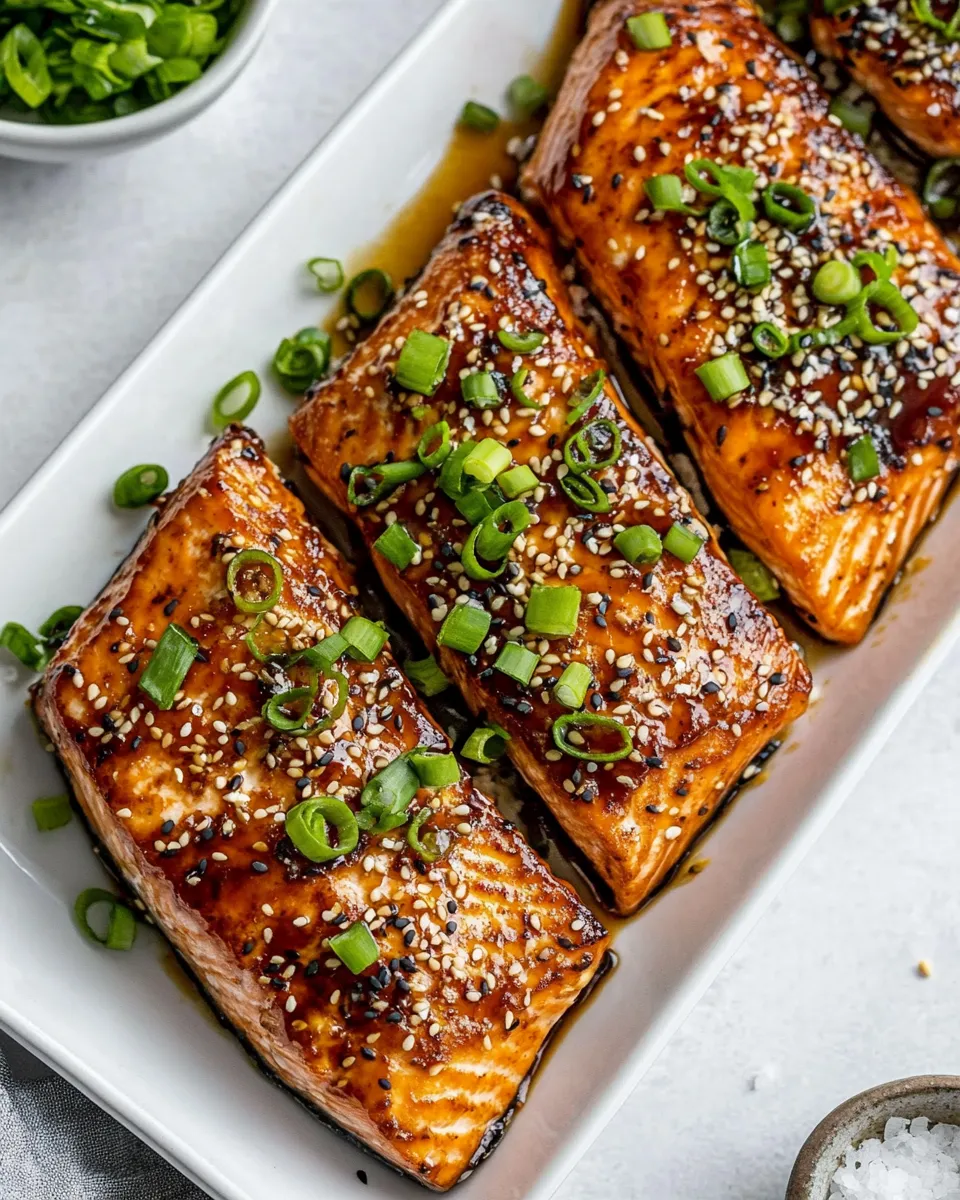
This miso-glazed salmon is the sort of recipe I turn to when I want dinner to feel special with almost no drama. The glaze hits salty, sweet, and umami notes and gives the fish a glossy, slightly caramelized top. It’s straightforward enough for a weeknight, but pretty enough for guests.
There are a few small details that make a big difference: patting the fish dry, reserving a tablespoon of glaze before it touches raw fish, and finishing the fillets under the broiler for that quick caramelized crust. Follow those steps and you’ll get consistent results.
Below you’ll find exact ingredients and the step-by-step process I use. I also included practical swaps, troubleshooting, equipment notes, and storage tips so you can make this again and again with confidence.
What’s in the Bowl
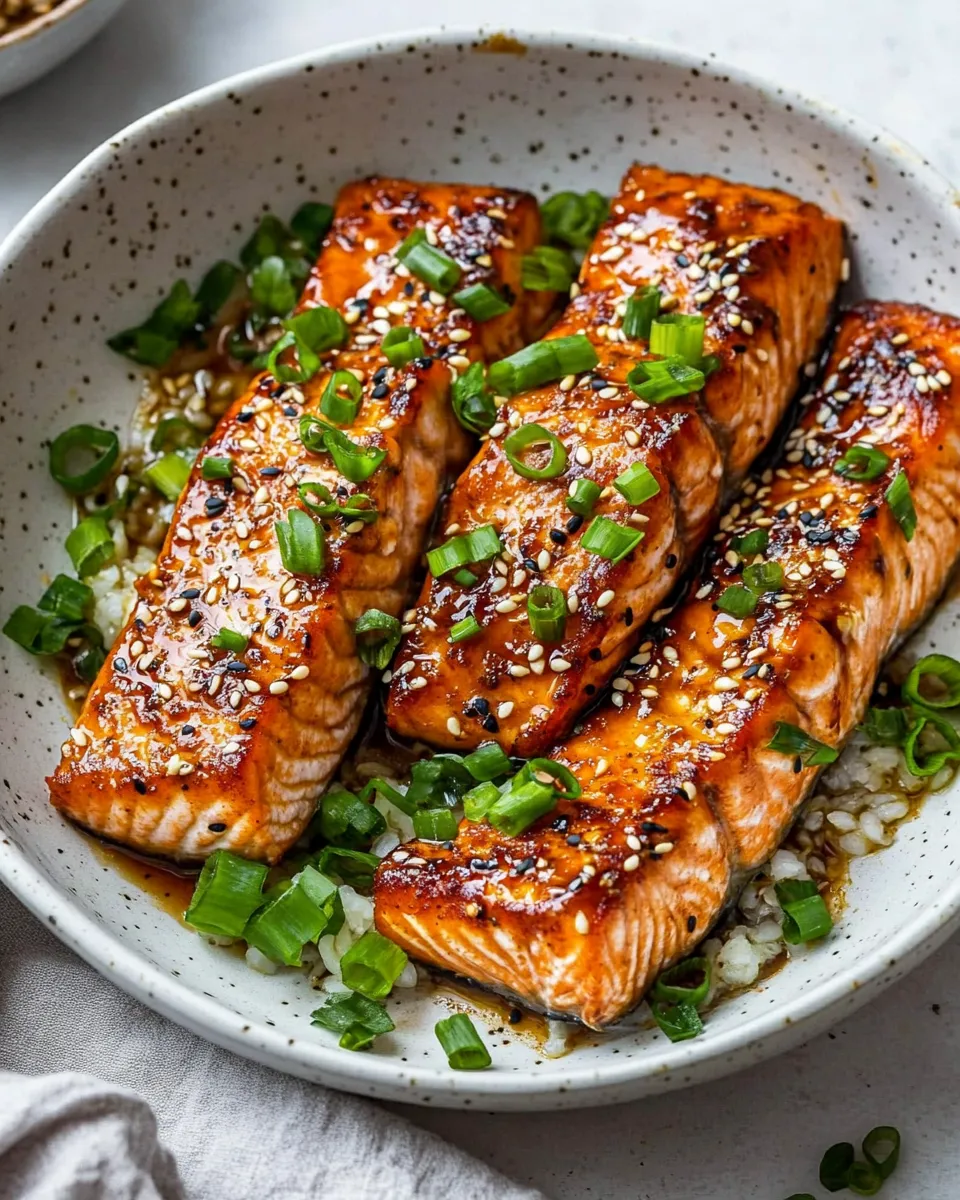
This is the flavor profile in a glance: miso for depth, soy for salt and savoriness, brown sugar for balance and caramelization, rice vinegar for brightness, and sesame oil for aroma. The glaze is concentrated and efficient—just a few spoons coat four fillets beautifully and broil up fast.
Ingredients
- 2 pounds salmon, sliced into four filets — main protein; even thickness helps timing.
- salt and pepper — seasons the fish lightly so the glaze can shine.
- 1/4 cup miso paste — base of the glaze; white or yellow miso are milder, red is stronger.
- 2 Tablespoons Soy Sauce — adds umami and salt; stir it into the glaze until smooth.
- 1 Tablespoon brown sugar — balances the miso and helps caramelize under the broiler.
- 1 Tablespoon rice vinegar — brightens the glaze so it isn’t overly sweet.
- 1 teaspoon sesame oil — a little goes a long way for toasty aroma.
- chopped green onions and sesame seeds for garnish — add freshness and crunch after resting.
Cooking (Miso Glazed Salmon): The Process
- Pat the 2 pounds salmon dry and season both sides lightly with salt and pepper. Slice into four filets if not already sliced.
- In a small bowl, whisk together 1/4 cup miso paste, 2 Tablespoons soy sauce, 1 Tablespoon brown sugar, 1 Tablespoon rice vinegar, and 1 teaspoon sesame oil until smooth.
- Spoon out and set aside 1 Tablespoon of the mixture for glazing later; do not put this reserved tablespoon back into the bowl with the raw fish.
- Place the salmon in a medium-sized bowl or a resealable plastic bag and pour the remaining glaze over the fish, turning to coat evenly. Cover or seal and refrigerate for 1–3 hours.
- Preheat the oven to 375°F. Remove the salmon from the marinade and discard any leftover marinade from the bowl or bag.
- Arrange the salmon fillets skin-side down on a baking sheet or in a baking dish. Bake at 375°F for 12–15 minutes, until the fish is mostly opaque and nearly cooked through.
- Brush the top of each fillet with the reserved 1 Tablespoon glaze, then place under the broiler on high (about 4–6 inches from the heat) for 1–2 minutes, until the glaze is caramelized and the center of the fish reaches about 125–130°F.
- Let the salmon rest 2–3 minutes, then garnish with chopped green onions and sesame seeds before serving.
Why It Deserves a Spot
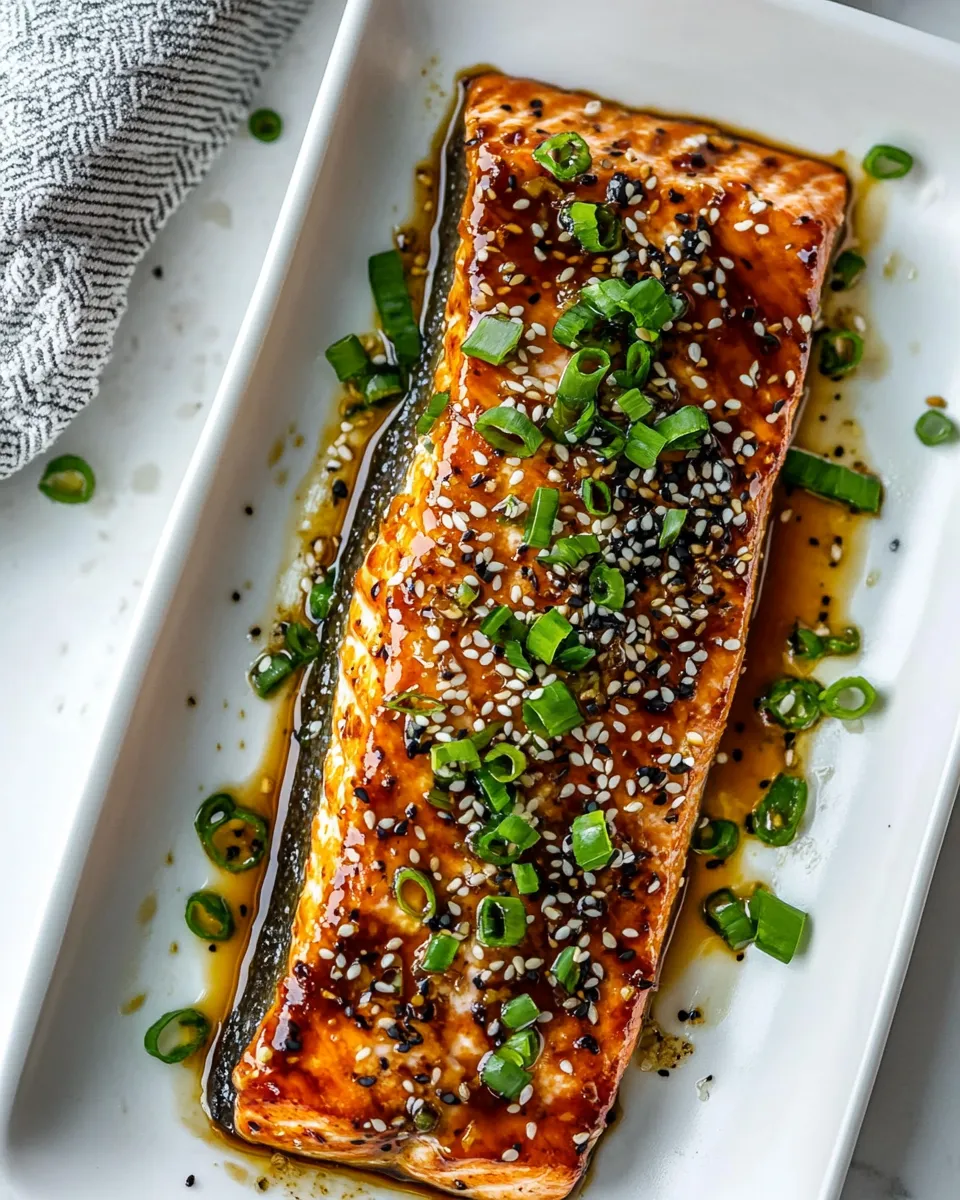
This recipe is reliable, fast, and rewarding. The glaze punches up the salmon’s natural richness without weighing it down. A short marinate time gives depth of flavor without making the fish overly salty or mushy, and the broiler finish adds texture that contrasts with the tender interior.
It’s also versatile: it pairs with steamed rice, a simple salad, or roasted vegetables. The method is repeatable—once you’ve practiced the timing for your oven and fillet thickness, it will come out the same way every time.
Easy Ingredient Swaps
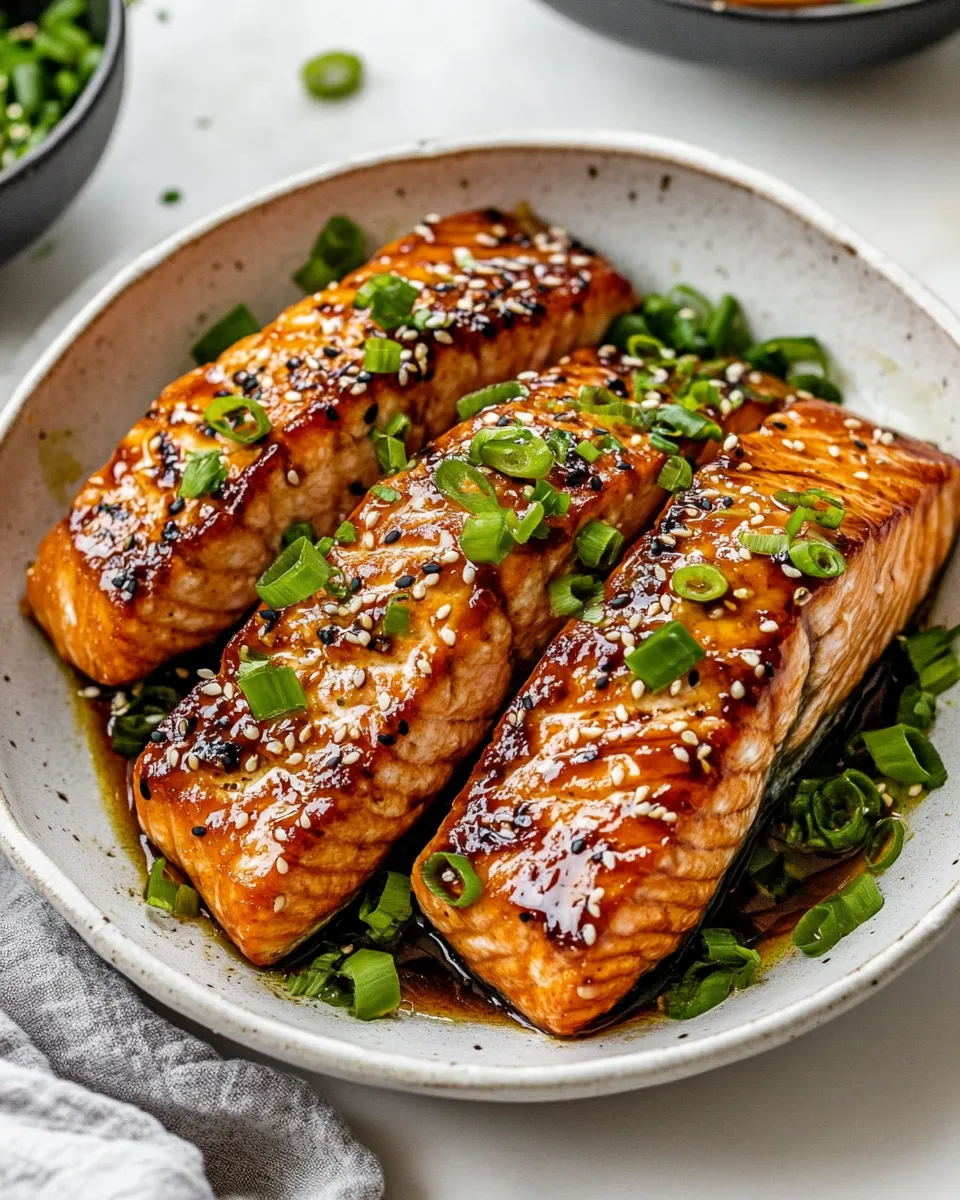
- For lower sodium: use a low-sodium soy sauce or reduce the soy sauce slightly and add a splash of water to keep volume.
- If you don’t have brown sugar: a small amount of honey or maple syrup works as a sweetener and helps caramelize (use sparingly to avoid thinning the glaze).
- Miso variations: white (shiro) miso gives milder flavor; red miso is stronger and saltier—adjust the marinating time if using a very bold miso.
- If sesame oil isn’t your thing: omit it. The glaze will still be delicious; you’ll lose a nutty note but not structure.
Must-Have Equipment
- Oven with broiler setting — the broiler finish is key to caramelizing the glaze quickly.
- Baking sheet or baking dish — choose based on whether you want drip control or a more compact vessel.
- Small bowl and whisk — to mix the glaze smoothly.
- Tongs or a spatula — to transfer fillets from bowl/bag to sheet without ripping.
- Instant-read thermometer (highly recommended) — helps hit that 125–130°F center for tender, slightly rare salmon.
- Paper towels — for patting the salmon dry, which improves browning and glaze adhesion.
Common Errors (and Fixes)
- Glaze too thin or sliding off: Make sure you whisk the miso and sugar until the sugar dissolves. Pat the fish dry before marinating so the glaze sticks better.
- Overcooked salmon: Start checking at the lower time (12 minutes) and use an instant-read thermometer. Remember the fish will continue to cook while resting and again briefly under the broiler.
- Glaze doesn’t caramelize: Move fillets 4–6 inches from the broiler and watch closely—1–2 minutes is all it takes. If the oven’s broiler is weak, briefly increase time but watch for burning.
- Too salty: Use less soy sauce or a low-sodium version. Also be mindful of how much miso you use—some misos are saltier than others.
- Marinated too long: Keep within the 1–3 hour window. Acid and salt can change texture if left much longer.
Health-Conscious Tweaks
You can easily tune this to be lighter or lower in sodium without losing the core flavors. Use low-sodium soy sauce and reduce the brown sugar slightly. Swap brown sugar for a teaspoon of maple syrup or honey if you prefer a less refined sweetener—just reduce the amount so the glaze keeps body.
For added vegetables and fiber, roast or steam a tray of broccoli, bok choy, or green beans alongside the salmon. A bed of mixed greens and a squeeze of citrus balance the richness of the fish.
Chef’s Rationale
The miso-steady base gives concentrated umami; mixing it with rice vinegar and a touch of sugar creates a balanced glaze that caramelizes well. Reserving 1 tablespoon of the glaze before it touches raw fish is both safe and practical—it’s a clean finish you can sear without worry of food safety issues. Marinating 1–3 hours is enough to infuse flavor without chemically changing the flesh.
Baking at 375°F cooks the fish gently so it stays tender. The final broil step is purely about texture and color: concentrated heat caramelizes the sugars quickly without overcooking the interior. Resting a few minutes locks the juices and gives you a better cut when serving.
Best Ways to Store
- Refrigerate leftovers in an airtight container for up to 2 days. Store the fillets separately from any wet sides to avoid sogginess.
- To reheat, warm gently in a 300°F oven for 8–10 minutes or in a skillet over low heat. A quick flash under the broiler will revive the glaze but watch closely.
- Freezing is possible: flash-freeze baked fillets on a tray, then transfer to a sealed bag for up to 1 month. Thaw in the refrigerator and reheat gently; texture after freezing will be slightly different.
FAQ
- Can I use frozen salmon? Yes. Thaw fully in the refrigerator, pat dry, and proceed. Slight extra drying time helps with glaze adhesion.
- How long can I marinate the fish? The recipe calls for 1–3 hours; beyond that the texture can begin to change because of the miso and acid.
- Can I grill instead of broil? You can grill, but apply the reserved glaze just before removing from the grill and finish over direct heat briefly to caramelize. Watch carefully to avoid flare-ups from the sugar.
- How do I know when it’s done? The center should reach about 125–130°F for medium-rare to medium. The flesh should be mostly opaque but still slightly translucent in the thickest part.
- What miso should I use? White or yellow miso gives a mild, sweet umami that works well. If you use red miso, reduce marinating time or decrease soy sauce to balance the stronger saltiness.
Time to Try It
Pull out a sheet pan, mix the glaze in one small bowl, and you’ll have dinner on the table in under 30 minutes from the oven. It’s a dependable recipe that’s forgiving and impressive. Make it tonight, and once you’re comfortable with the timing, adapt the sides and garnishes to fit your weeknight needs or a dinner party menu.
If you try it, note the miso type you used and how long you marinated; those two things make a big difference in repeatability. Enjoy the glossy finish and the quick caramelized bite—simple technique, big payoff.
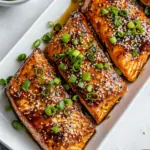
Miso Glazed Salmon
Ingredients
Ingredients
- 2 poundssalmon sliced into four filets
- salt and pepper
- 1/4 cupmiso paste
- 2 TablespoonsSoy Sauce
- 1 Tablespoonbrown sugar
- 1 Tablespoonrice vinegar
- 1 teaspoonsesame oil
- chopped green onions and sesame seeds for garnish
Instructions
Instructions
- Pat the 2 pounds salmon dry and season both sides lightly with salt and pepper. Slice into four filets if not already sliced.
- In a small bowl, whisk together 1/4 cup miso paste, 2 Tablespoons soy sauce, 1 Tablespoon brown sugar, 1 Tablespoon rice vinegar, and 1 teaspoon sesame oil until smooth.
- Spoon out and set aside 1 Tablespoon of the mixture for glazing later; do not put this reserved tablespoon back into the bowl with the raw fish.
- Place the salmon in a medium-sized bowl or a resealable plastic bag and pour the remaining glaze over the fish, turning to coat evenly. Cover or seal and refrigerate for 1–3 hours.
- Preheat the oven to 375°F. Remove the salmon from the marinade and discard any leftover marinade from the bowl or bag.
- Arrange the salmon fillets skin-side down on a baking sheet or in a baking dish. Bake at 375°F for 12–15 minutes, until the fish is mostly opaque and nearly cooked through.
- Brush the top of each fillet with the reserved 1 Tablespoon glaze, then place under the broiler on high (about 4–6 inches from the heat) for 1–2 minutes, until the glaze is caramelized and the center of the fish reaches about 125–130°F.
- Let the salmon rest 2–3 minutes, then garnish with chopped green onions and sesame seeds before serving.
Equipment
- Small Bowl
- Whisk
- medium bowl or resealable plastic bag
- baking sheet or baking dish
- Oven
- Broiler
- Meat Thermometer