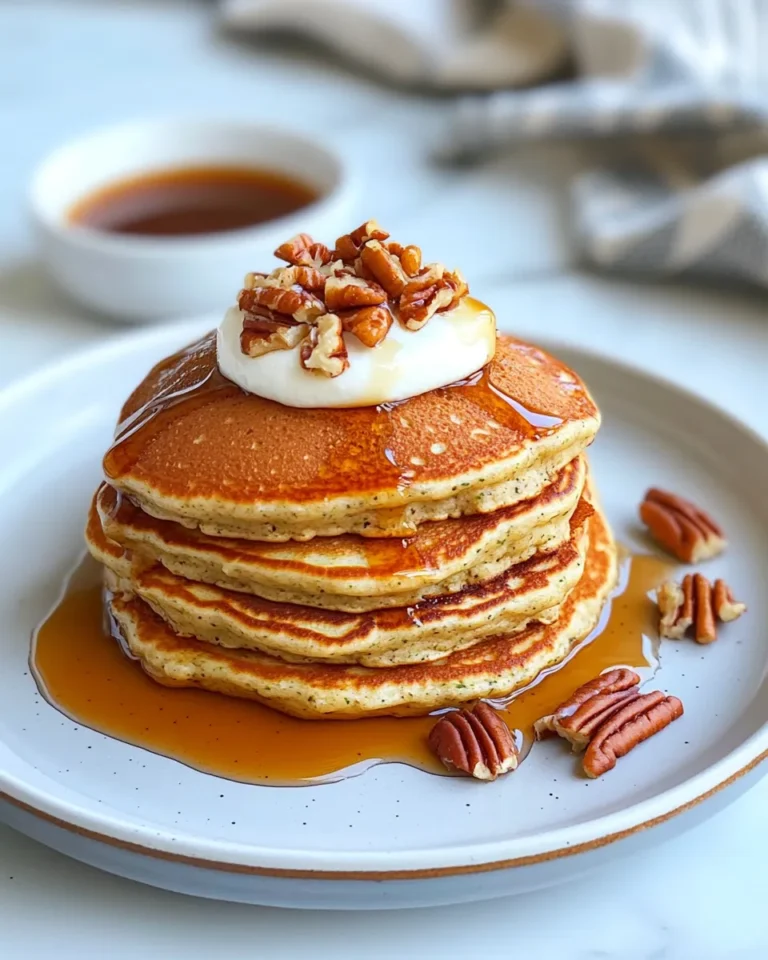
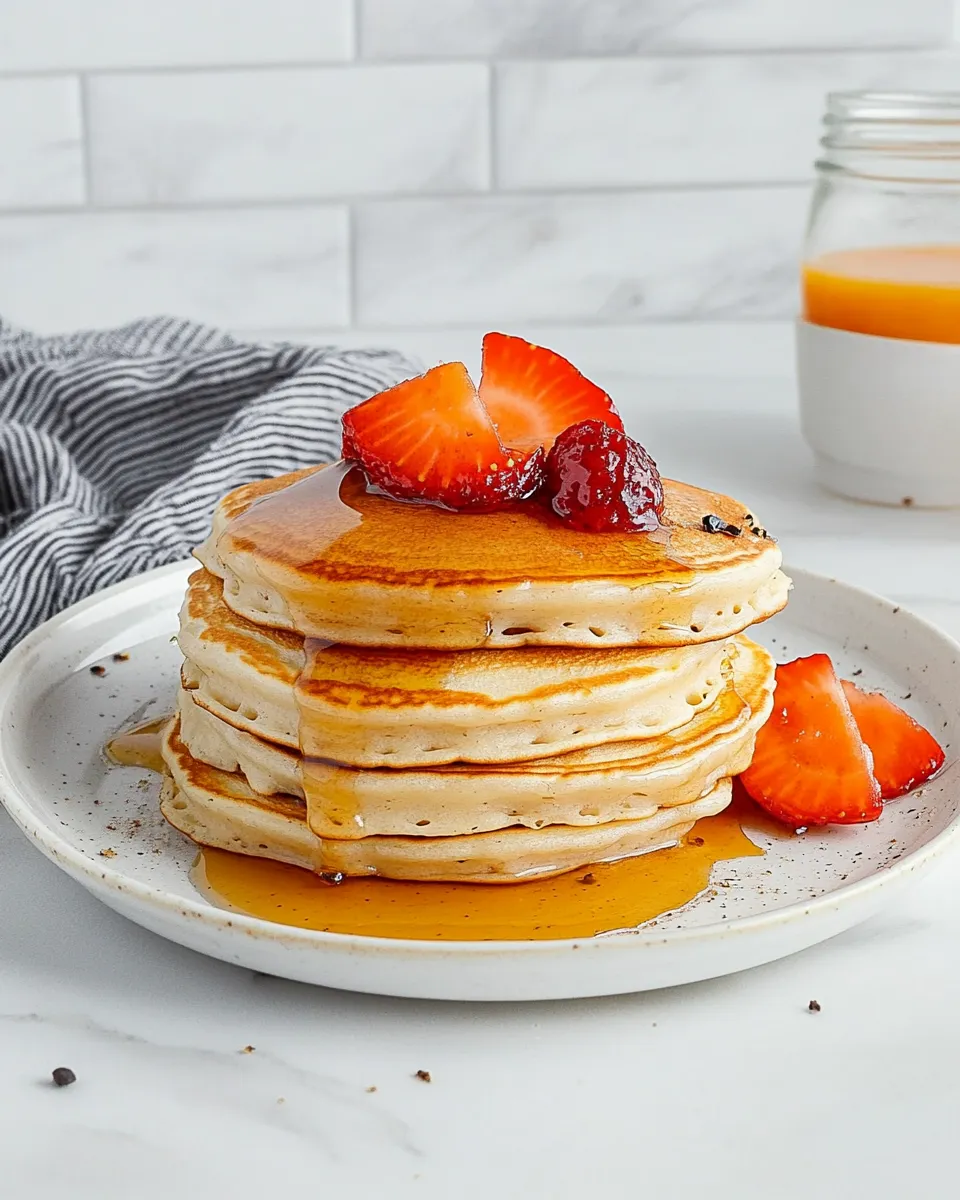
These pancakes are the kind of stacked, warm-goodness I make when I want something that feels comforting but also a little smarter than the typical weekend grab. They use whole-wheat flour for texture and nutty flavor, almond milk to keep things light, and a touch of coconut oil for that pleasant, golden edge. They come together quickly and hold up well if you need to keep a batch warm while you finish cooking.
I write recipes that actually get made, so everything here is practical: clear ingredient roles, exact steps, and the troubleshooting I wish someone had told me before I flipped my first dense pancake. Read the ingredient notes, follow the step-by-step guide, and skim the “Errors to Dodge” and “Storage Pro Tips” before you start. That few minutes upfront saves a lot of time and wasted batter.
If you have dietary preferences, you’ll find small, intentional choices already in the recipe—like plant-based milk as an option and aluminium-free baking powder—and sensible handling tips so the texture comes out right. No fussy techniques, just reliable pancakes that taste like you put extra love into them.
Ingredient Notes
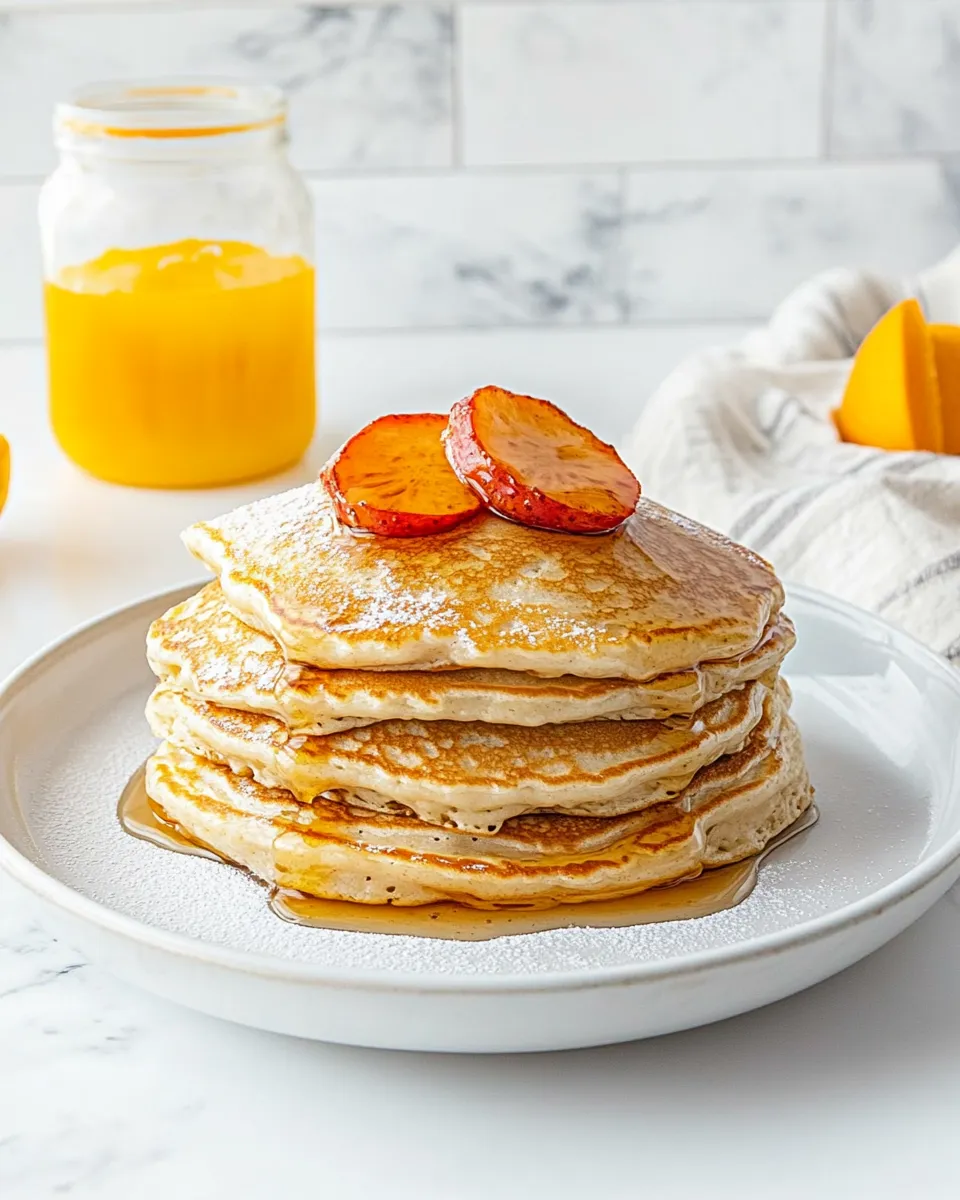
Below I explain the role of each ingredient you’ll use and give small, practical tips to get the best texture and flavor. Read these before you mix—understanding what each ingredient does helps you fix the batter if it behaves oddly.
Ingredients
- 2 cups whole-wheat flour — provides structure and a nutty flavor; measure by spooning into the cup and leveling for consistent results.
- 4 teaspoons baking powder aluminium-free — the leavener that makes pancakes fluffy; using aluminium-free avoids a metallic aftertaste.
- 2 tablespoons organic raw honey or pure maple syrup — sweetens and gives a bit of flavor complexity; honey will make the batter slightly denser than maple.
- 1 teaspoon sea salt — balances sweetness and enhances flavor; dissolve evenly in the dry mix for even distribution.
- 2 large eggs — bind and add richness; beat briefly in the wet bowl so they incorporate smoothly.
- 1 1/2 cups almond milk or another plant-based milk — thins the batter and keeps pancakes tender; use the amount listed and adjust only as the instructions suggest.
- 2 tablespoons coconut oil plus more for cooking — adds moisture and helps the pancake brown; melt and cool slightly before mixing into the wet ingredients.
- Cooking spray — optional for a nonstick surface if you prefer not to add extra oil between batches.
Pancakes Cooking Guide
- In a large bowl, whisk together 2 cups whole-wheat flour, 4 teaspoons aluminium-free baking powder, and 1 teaspoon sea salt until evenly combined.
- In a medium bowl, beat 2 large eggs until blended. Add 1 1/2 cups almond milk (or another plant-based milk) and 2 tablespoons organic raw honey or pure maple syrup; whisk until combined.
- Melt 2 tablespoons coconut oil (microwave briefly or warm on the stove) and let it cool slightly. Stir the melted coconut oil into the wet mixture.
- Make a well in the dry ingredients and pour the wet mixture into the dry. Gently whisk until just combined—do not overmix. The batter should be slightly lumpy.
- If the batter is too thick to pour, add almond milk 1 tablespoon at a time until it reaches a pourable consistency.
- Preheat a griddle or nonstick skillet over medium heat. Lightly coat the surface with cooking spray or a small amount of coconut oil.
- Once the pan is hot, pour about 1/4 cup of batter per pancake onto the griddle, leaving space between pancakes.
- Cook until the edges look set and bubbles form and begin to pop on the surface, about 2–3 minutes. Flip each pancake and cook until the other side is golden and the pancake is cooked through, about 1.5–2 minutes more.
- Transfer cooked pancakes to a plate and keep warm while you cook the remaining batter, re-greasing the pan lightly as needed.
- Serve the pancakes warm.
What Makes This Recipe Special
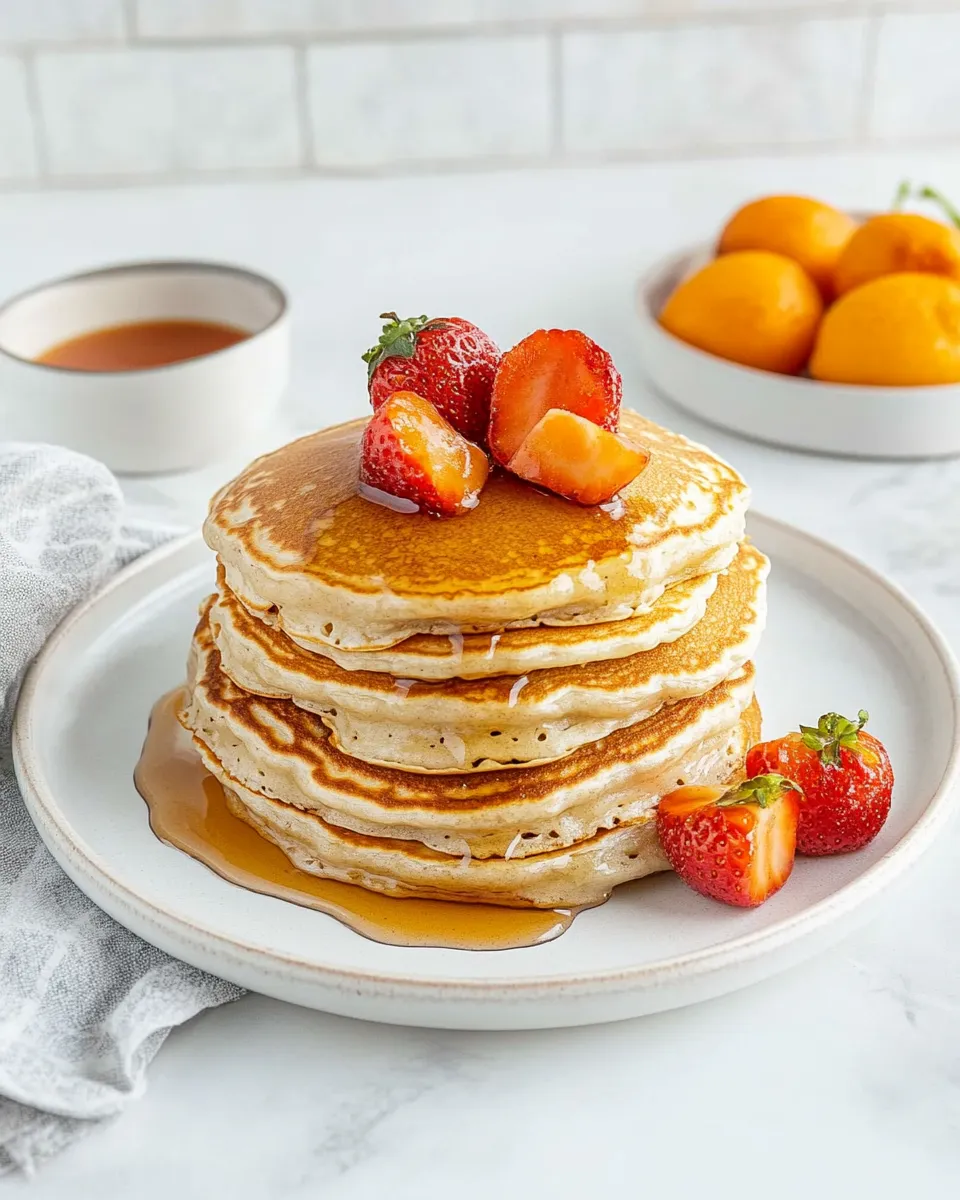
This recipe strikes a balance between whole-grain heartiness and the soft, pillowy texture we want in a pancake. Using whole-wheat flour gives flavor and fiber without making the pancakes heavy when you manage the liquid ratio and handle the batter gently. The coconut oil contributes a clean browning and a hint of tropical warmth, while the honey or maple syrup in the batter adds a subtle sweetness that enhances the crust as the pancake cooks.
Another advantage: the method is forgiving. You don’t need perfect whisking nor a precise skillet temperature to get good results. The instruction to stop mixing when the batter is just combined protects you from gluten over-development, which is the most common cause of dense pancakes.
No-Store Runs Needed
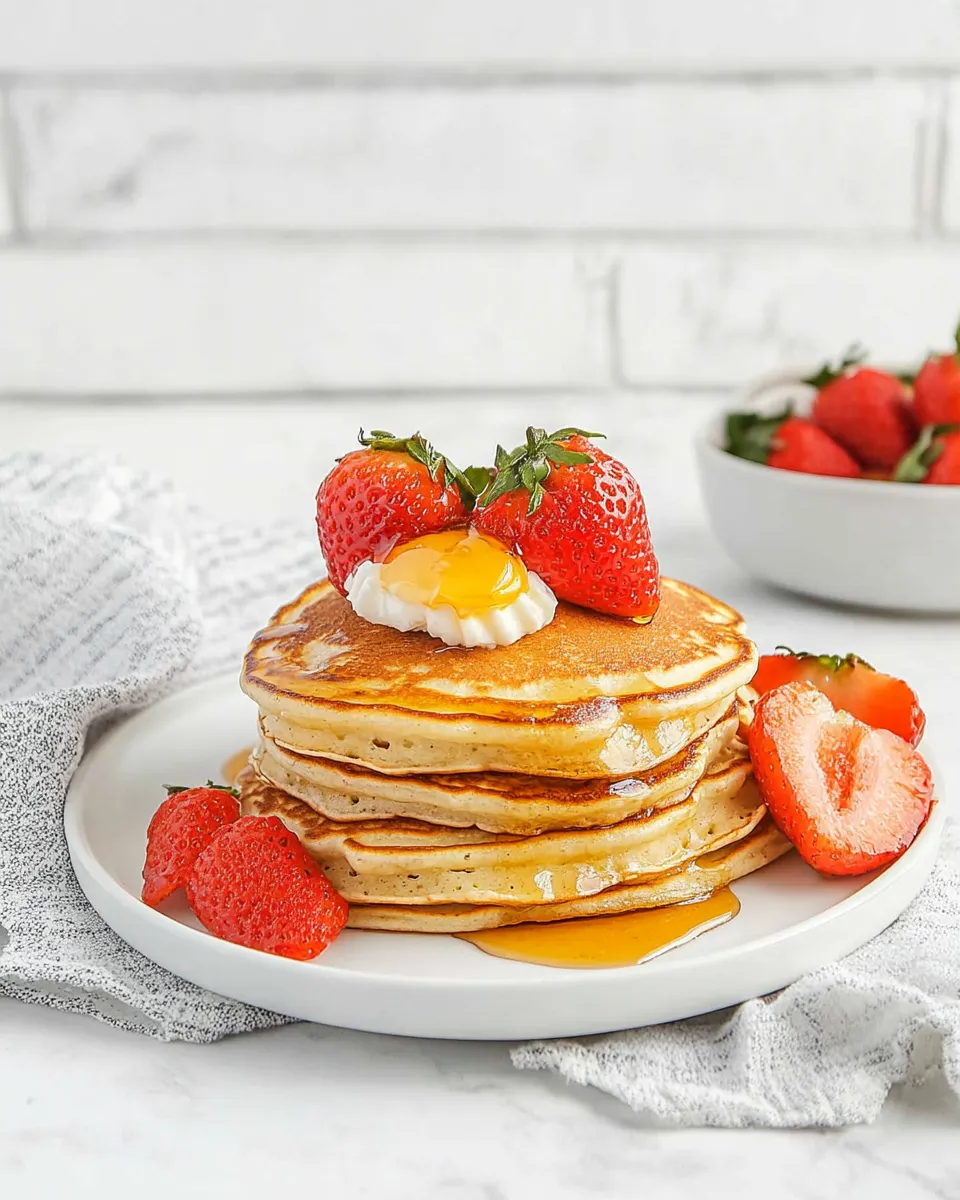
Most kitchens already have everything you need. The recipe uses pantry staples: flour, eggs, a leavener, basic sweetener, salt, milk, and a neutral cooking fat. If you have whole-wheat flour on hand, you’re already ahead. Almond milk is optional here—if you only have dairy milk, that will still work (the ingredient list gives almond milk as the option). The small amounts of coconut oil and cooking spray mean you can use whichever nonstick method you prefer.
If you find you’re missing coconut oil, a neutral vegetable oil will work for cooking, but try to use the coconut oil in the batter if possible; it helps with browning and flavor in a way the other oils don’t.
Equipment & Tools
You need only basic tools: a large mixing bowl for the dry ingredients, a medium bowl for the wet, a whisk, a measuring cup for the batter, a griddle or nonstick skillet, and a spatula. A liquid measuring cup and dry measuring cups help accuracy. If you have a cast-iron skillet it will get you great color, but nonstick is easier when you don’t want to fuss with extra oil.
Optional helpful items
- Ladle or 1/4-cup measure — keeps pancake sizes uniform so they cook evenly.
- Cooling rack and baking sheet — if you need to keep pancakes warm without getting soggy, place cooked pancakes on a cooling rack set over a baking sheet in a warm oven (200°F/95°C).
Errors to Dodge
Here are the common mistakes I’ve seen and exactly how to avoid them:
- Overmixing the batter — mix only until the wet and dry are mostly combined. Small lumps are fine. Overmixing activates gluten and makes the pancakes tough.
- Cooking at too high a temperature — medium heat is best. High heat burns the outside before the center cooks. If your pan smokes, it’s too hot.
- Using cold melted oil — let the melted coconut oil cool slightly before adding it to the wet ingredients. Hot oil can cook the eggs or change batter consistency.
- Not preheating the pan — a cold pan leads to flat, under-browned pancakes. Give it a couple of minutes to come up to medium heat before adding batter.
Seasonal Twists
Small seasonal add-ins can elevate these pancakes without derailing the recipe:
- Spring / Early Summer — fold in a handful of fresh berries into the batter just before cooking. The moisture from the berries will slightly change cook time, so watch the bottom for color before flipping.
- Autumn — sprinkle in a little warm spice (like cinnamon or a pinch of nutmeg) to the dry ingredients for cozy flavor. A few grated apple pieces also work well; toss them with a touch of flour so they don’t sink.
- Winter — fold in chopped toasted nuts or a spoonful of orange zest to brighten the whole-wheat base.
What Could Go Wrong
If something goes wrong, here’s how to diagnose and fix it quickly.
- Pancakes are dense or heavy — likely overmixing or not enough leavening action. Make sure you used 4 teaspoons baking powder and mixed gently. Also check the baking powder’s freshness; old baking powder loses effectiveness.
- Pancakes burn outside but are raw inside — heat is too high. Reduce to medium and allow pan to settle before adding more batter. If you’re using cast iron, lower the heat a touch more than you would with nonstick.
- Batter too thin — you can thicken by slowly adding a tablespoon of whole-wheat flour at a time, but try to avoid this by starting with correct measurements.
- Pancakes stick to the pan — make sure you lightly oil or spray the pan and that it’s fully preheated. Re-grease between batches as needed.
Storage Pro Tips
Leftover pancakes store and reheat very well when handled correctly.
- Short-term — cool pancakes completely, then stack with parchment or wax paper between layers and store in an airtight container in the refrigerator for up to 3 days.
- Long-term — freeze pancakes flat on a sheet pan until firm, then transfer to a freezer bag. They keep well for up to 2 months.
- Reheating — reheat in a preheated 350°F oven on a baking sheet for 5–8 minutes, or toast gently in a toaster or toaster oven for best texture. Microwaving works but can make them a little soft.
Ask & Learn
Questions I get most often: Can I use dairy milk? Yes. Will the pancakes still be fluffy if I use honey instead of maple? Yes—expect a slightly different flavor and marginally different texture. Can I make the batter ahead? You can mix the dry and wet separately and combine just before cooking; batter right after mixing is best for the lightest texture.
Learning tip: keep a small notebook or a note in your phone where you record one change you made each time—temperature, oil amount, or add-ins—and one outcome. Over a few batches you’ll know exactly how your stove and pan behave and when to adjust.
Bring It to the Table
Serve these pancakes warm with classic toppings: a pat of butter and a drizzle of real maple syrup, or a scattering of fresh fruit and a spoonful of yogurt for contrast. For a brunch crowd, set up a small topping station with sliced bananas, berries, toasted nuts, lemon zest, and a warm maple-honey blend.
Stack them on a warmed plate so they stay soft rather than cooling quickly. If you’re serving a group, keep cooked pancakes in a single layer on a rack in a warm oven while you finish the rest—this keeps the bottoms from steaming and getting soggy. Enjoy, and don’t be afraid to tweak small things—pancakes reward gentle experimentation.
Pancakes Recipe
Ingredients
Ingredients
- 2 cupswhole-wheat flour
- 4 teaspoonsbaking powderaluminium-free
- 2 tablespoonsorganic raw honey or pure maple syrup
- 1 teaspoonsea salt
- 2 large eggs
- 1 1/2 cupsalmond milk or another plant-based milk
- 2 tablespoonscoconut oilplus more for cooking
- Cooking spray
Instructions
Instructions
- In a large bowl, whisk together 2 cups whole-wheat flour, 4 teaspoons aluminium-free baking powder, and 1 teaspoon sea salt until evenly combined.
- In a medium bowl, beat 2 large eggs until blended. Add 1 1/2 cups almond milk (or another plant-based milk) and 2 tablespoons organic raw honey or pure maple syrup; whisk until combined.
- Melt 2 tablespoons coconut oil (microwave briefly or warm on the stove) and let it cool slightly. Stir the melted coconut oil into the wet mixture.
- Make a well in the dry ingredients and pour the wet mixture into the dry. Gently whisk until just combined—do not overmix. The batter should be slightly lumpy.
- If the batter is too thick to pour, add almond milk 1 tablespoon at a time until it reaches a pourable consistency.
- Preheat a griddle or nonstick skillet over medium heat. Lightly coat the surface with cooking spray or a small amount of coconut oil.
- Once the pan is hot, pour about 1/4 cup of batter per pancake onto the griddle, leaving space between pancakes.
- Cook until the edges look set and bubbles form and begin to pop on the surface, about 2–3 minutes. Flip each pancake and cook until the other side is golden and the pancake is cooked through, about 1.5–2 minutes more.
- Transfer cooked pancakes to a plate and keep warm while you cook the remaining batter, re-greasing the pan lightly as needed.
- Serve the pancakes warm.
Equipment
- Large Bowl
- Medium Bowl
- Whisk
- griddle or nonstick skillet
- Spatula