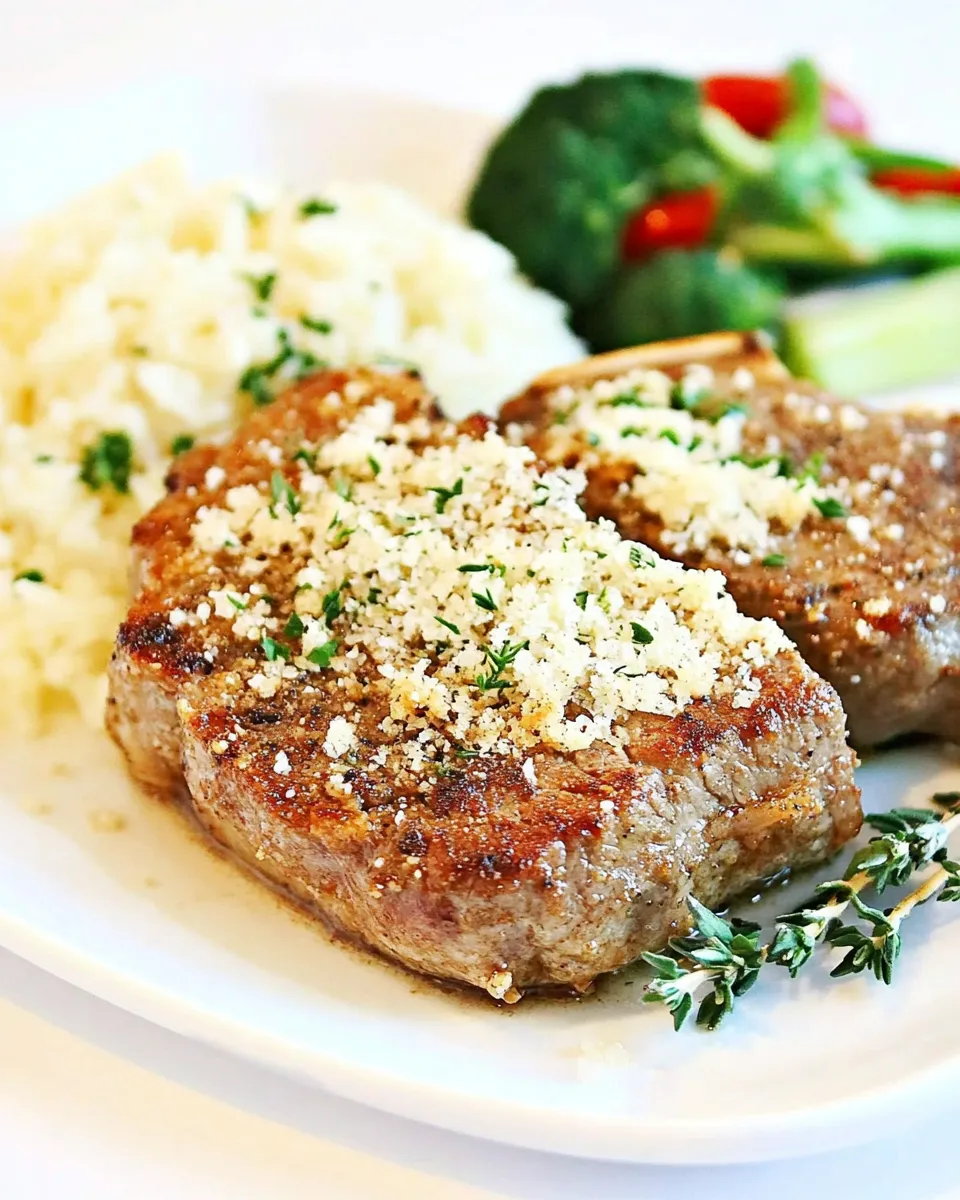
Every so often a recipe comes together that feels indulgent yet practical—this is one of them. Crispy, savory parmesan meets a perfectly seared steak, finished under the broiler so the crust is golden and the interior stays juicy. It’s the kind of dinner that looks like you worked for hours but is mostly hands-off.
I test recipes for real life: weeknights, hungry guests, and rushed weekend dinners. This Parmesan crust is forgiving. The components are straightforward, the technique is repeatable, and it elevates any steak cut you prefer. Read on for the ingredient breakdown, exact steps, troubleshooting, and smart swaps.
You’ll find tips for timing, how to tell when steaks are done, and how to rescue a crust that’s browning too fast. Prep, sear, broil—done. Let’s walk through it.
Ingredient Breakdown
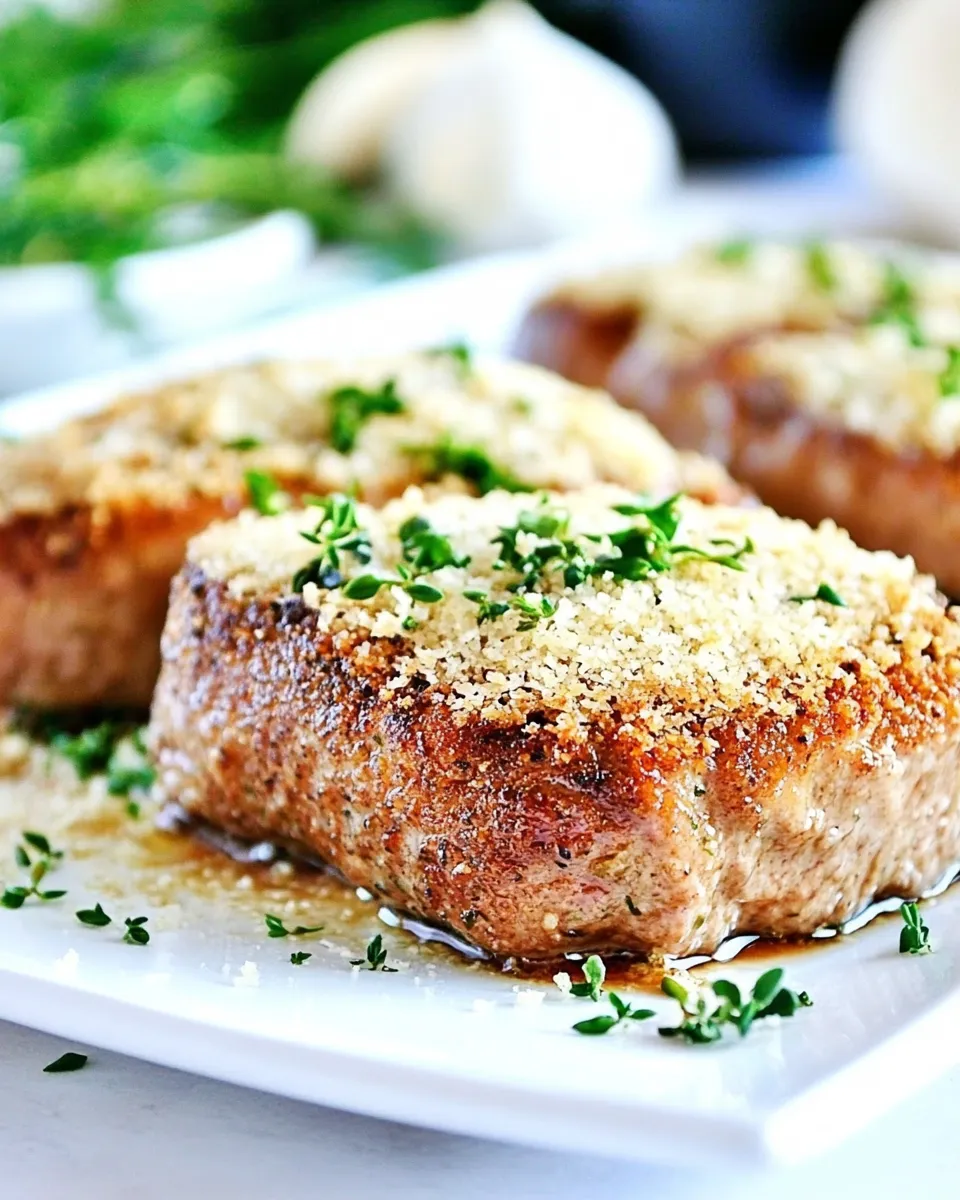
- 2 steaks (ribeye, New York strip, top sirloin, filet mignon, etc.) — pick steaks roughly equal thickness so they cook evenly; about 1″ works well.
- Salt and Pepper — to taste; salt early for flavor, pepper right before searing if you prefer less charred pepper.
- 1 teaspoon olive oil — helps achieve a good sear and prevents sticking in the skillet.
- 1/2 cup butter, softened — adds richness and helps the parmesan mixture bind and brown under the broiler.
- 1/2 cup panko bread crumbs — provides crunch and structure to the crust; coarser crumbs yield a better texture.
- 1 cup parmesan cheese, grated — the star of the crust; finely grated melts and browns into a savory topping.
- 1/4 cup mayo — helps the crust adhere and keeps it tender while browning.
- 1/4 tsp salt — controls saltiness in the crust; remember you’ll also salt the steaks.
- 1 tsp dried parsley flakes, or 1/2 tsp fresh — adds a hint of herb freshness; use fresh if you have it for brighter flavor.
- 1/2 tsp garlic powder — provides an even garlic background without risking burned fresh garlic under high heat.
- Worcestershire sauce — to taste; a few drops add umami and depth to the crust mix.
Make Parmesan Crusted Steaks: A Simple Method
- Position the top oven rack about 4 to 5 inches from the broiler and turn the broiler on.
- Pat the two steaks dry with paper towels. Season both sides liberally with salt and pepper and set the steaks aside.
- Make the Parmesan crust: in a food processor combine 1/2 cup softened butter, 1/2 cup panko bread crumbs, 1 cup grated Parmesan cheese, 1/4 cup mayo, 1/4 teaspoon salt, 1 teaspoon dried parsley flakes (or 1/2 teaspoon fresh), 1/2 teaspoon garlic powder, and Worcestershire sauce to taste. Pulse until the mixture comes together and is spreadable. Transfer the mixture to a small bowl and set aside.
- Heat an oven-safe skillet (cast iron preferred) over medium-high heat. Add 1 teaspoon olive oil and heat until the oil is shimmering.
- Reduce heat to medium. Add the steaks to the skillet and sear without moving for 1 to 2 minutes, until browned. Flip the steaks and sear the other side for 1 to 2 minutes. (Adjust searing time for steak thickness and desired doneness.)
- Remove the skillet from the heat. Divide the prepared Parmesan mixture evenly between the two steaks and spread it over the top surface of each steak.
- Place the skillet under the broiler and broil for about 2 minutes, or until the topping is lightly golden brown and the steaks have reached your desired doneness. Watch closely to prevent burning.
- Remove the skillet from the oven and let the steaks rest a few minutes before serving. Enjoy.
What Sets This Recipe Apart
This dish pairs two complementary techniques: high-heat searing and short, intense broiling. Searing builds a flavorful crust on the meat and locks in juices. The broiler then crisps and browns the parmesan topping without overcooking the steak’s interior. The result is a contrast of textures—crisp, cheesy top and tender, juicy meat beneath.
The Parmesan mixture is deliberately balanced: butter and mayo introduce fat for browning and mouthfeel; panko gives structure and crunch; Parmesan brings salty, nutty depth. A splash of Worcestershire ties the flavors off with savory complexity. It’s a small collection of ingredients that punch well above their weight.
Quick Replacement Ideas
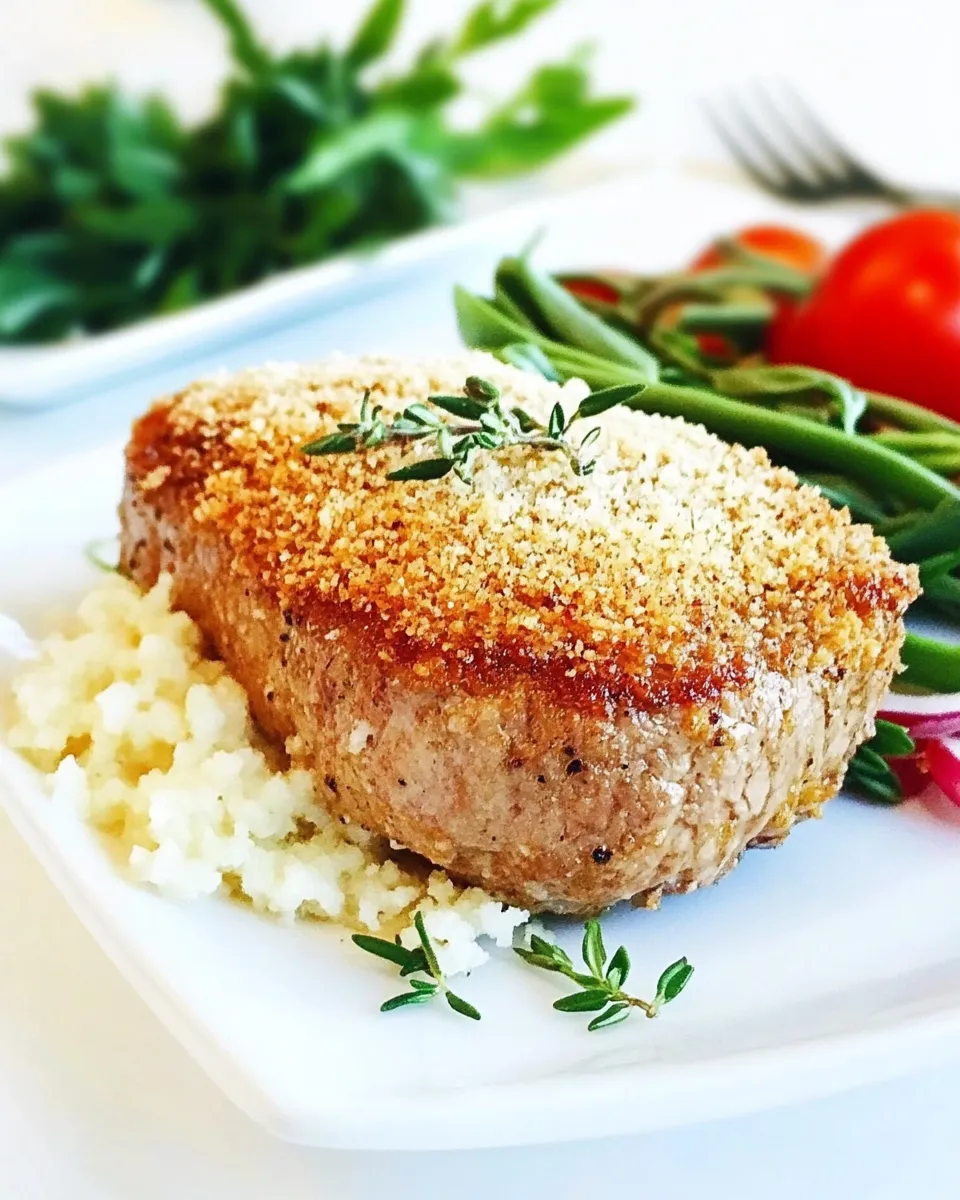
If you’re missing an item or catering to preferences, these swaps work without changing technique:
– Panko: swap for regular breadcrumbs or finely crushed crackers if needed; texture will differ slightly.
– Parmesan: Pecorino or aged Asiago gives a sharper profile; use roughly the same volume.
– Mayo: Greek yogurt or a light smear of softened cream cheese can help bind the crust, though flavor will shift.
– Butter: olive oil or a neutral oil can reduce richness, but butter is preferred for flavor and browning.
Gear Up: What to Grab
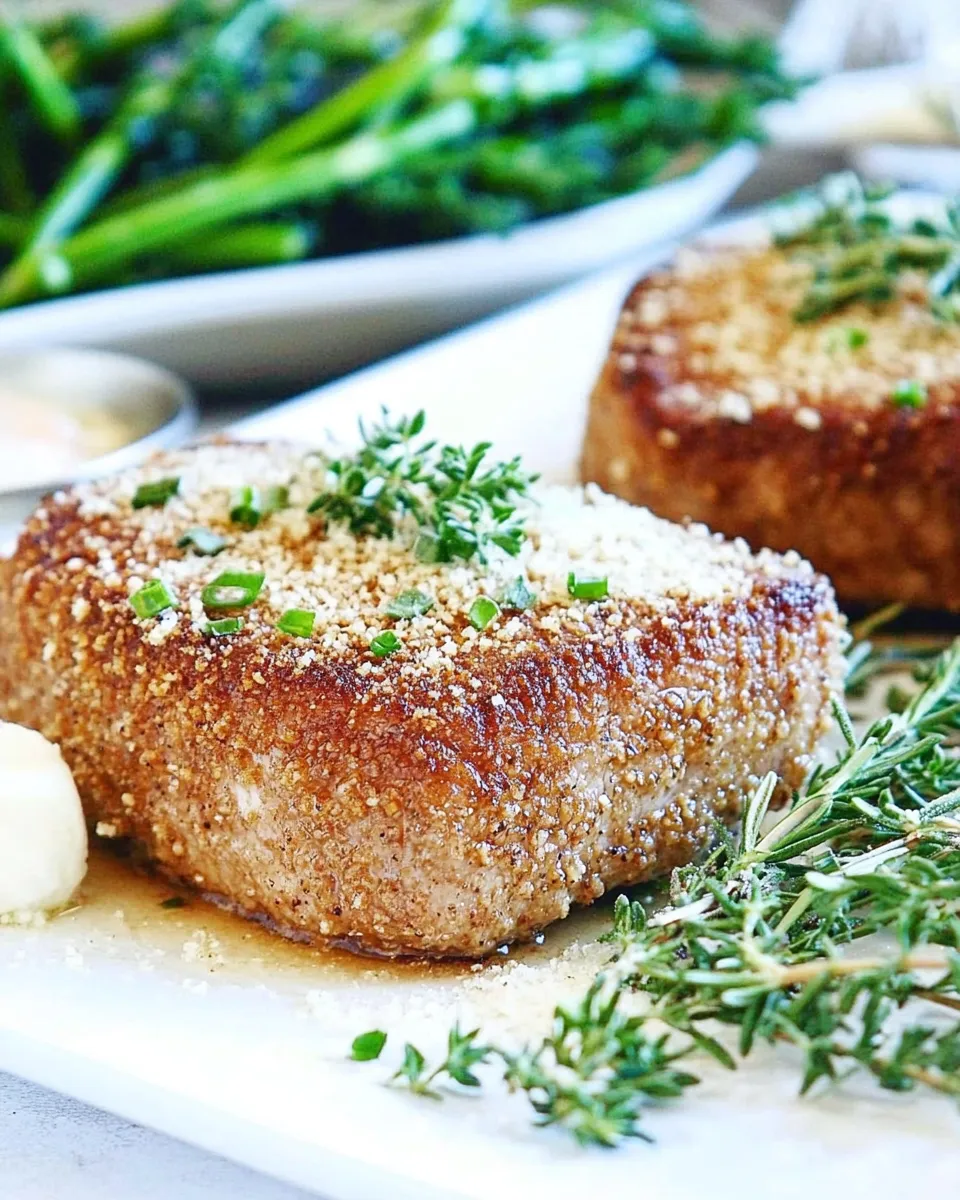
You don’t need a long list of gadgets, but a few items make this easier and more consistent.
– A heavy, oven-safe skillet. Cast iron is ideal because it holds heat for a good sear and transitions directly to the broiler.
– A food processor or sturdy bowl and fork. The processor quickly emulsifies the crust; if mixing by hand, press until cohesive and spreadable.
– Paper towels, tongs, and an oven mitt. Patting meat dry and careful handling during the broil step make a big difference in outcome and safety.
Things That Go Wrong
Crust burns before steak is done
Broilers run hot. If your crust browns too quickly, move the skillet one rack lower or reduce broiling time. You can tent the steak loosely with foil after broiling to avoid overcooking while it rests.
Steak is under-seared
If the skillet isn’t hot enough when the steaks hit the pan, they won’t develop a good sear. Heat the skillet until the oil shimmers, then add the steak. Give each side the full 1–2 minutes, and don’t move the steak while it’s searing.
Crust slides off
If the topping separates from the steak, it may be too loose or the steak surface was too wet. Pat steaks thoroughly dry before seasoning and press the crust on firmly so it adheres. Using a bit of mayo in the mixture helps it cling.
Dietary Swaps & Alternatives
To accommodate dietary needs, adjust components while keeping the process the same.
– Lower-sodium: reduce added salt and rely on the steak’s own seasoning; use a low-sodium Worcestershire if available.
– Gluten-free: replace panko with certified gluten-free breadcrumbs or crushed gluten-free crackers.
– Dairy-free: use a vegan butter substitute and a dairy-free grated “Parmesan” alternative, but expect a flavor change—this still gives the crispy texture.
– Lighter option: reduce the butter slightly and increase the panko for a crisper, less rich topping.
Chef’s Rationale
I designed this approach to be forgiving and straightforward. Searing sets up flavor quickly; broiling is fast and focused chemistry—high heat creates the Maillard reaction on the crust without prolonged exposure that would dry the steak. Combining fat (butter), binder (mayo), cheese, and crumbs gives a topping that crisps and browns while staying attached. Worcestershire is optional, but a few drops deepen the umami without dominating.
Technique matters more than fussy ingredients here. Pay attention to skillet temperature, pat your steaks dry, and watch the broiler. Those three steps make the difference between an OK steak and one that hits the table hot, crusty, and impressive.
Save It for Later
Storage: Cool steaks to room temperature no longer than two hours, then refrigerate in an airtight container for up to 3 days. The crust will soften with time, so plan to serve fresh when possible.
Reheating: Gently reheat in a 300°F oven on a wire rack for 8–12 minutes until warmed through, then pop under the broiler for a brief moment (watch closely) to refresh the crust’s color and texture. Alternatively, reheat slices in a hot skillet for quick restoration of texture.
Popular Questions
How do I tell when the steak is done? Use an instant-read thermometer for accuracy: 120–125°F for rare, 130–135°F for medium-rare, 140–145°F for medium. Remember the steak will rise a few degrees while resting.
Can I make the parmesan mixture ahead? Yes—prepare the mixture and store it airtight in the fridge for up to 24 hours. Bring it close to room temperature before spreading so it’s easy to work with.
What if I don’t have a broiler-safe skillet? Transfer steaks to a broiler-safe tray after searing, then apply the topping and finish under the broiler. Be careful with hot pans and surfaces.
Can I double the recipe? Yes. Work in batches when searing to avoid crowding the skillet. Crowding drops the pan temperature and prevents proper searing.
Before You Go
This Parmesan crusted approach is one of my go-to ways to dress up a steak without adding complexity. It’s fast, satisfying, and reliably impressive. Keep the technique in your repertoire: dry the meat, sear hard, press on a flavorful crust, and finish under the broiler. Small steps, big payoff.
Try it once with your favorite cut and then experiment—switch the parsley for a pinch of lemon zest, or add a touch more garlic if you like it bold. Serve simply with a green salad or roasted vegetables, and enjoy something special on an ordinary night.
Parmesan Crusted Steaks
Ingredients
Ingredients
- 2 steaks (ribeye, new york strip, top sirloin, filet mignon, etc.)
- Salt and Pepper to taste
- 1 teaspoonolive oil
- 1/2 cupbutter softened
- 1/2 cuppanko bread crumbs
- 1 cupparmesan cheese grated
- 1/4 cupmayo
- 1/4 tspsalt
- 1 tspdried parsley flakes or 1/2 tsp fresh
- 1/2 tspgarlic powder
- Worcestershire sauce
Instructions
Instructions
- Position the top oven rack about 4 to 5 inches from the broiler and turn the broiler on.
- Pat the two steaks dry with paper towels. Season both sides liberally with salt and pepper and set the steaks aside.
- Make the Parmesan crust: in a food processor combine 1/2 cup softened butter, 1/2 cup panko bread crumbs, 1 cup grated Parmesan cheese, 1/4 cup mayo, 1/4 teaspoon salt, 1 teaspoon dried parsley flakes (or 1/2 teaspoon fresh), 1/2 teaspoon garlic powder, and Worcestershire sauce to taste. Pulse until the mixture comes together and is spreadable. Transfer the mixture to a small bowl and set aside.
- Heat an oven-safe skillet (cast iron preferred) over medium-high heat. Add 1 teaspoon olive oil and heat until the oil is shimmering.
- Reduce heat to medium. Add the steaks to the skillet and sear without moving for 1 to 2 minutes, until browned. Flip the steaks and sear the other side for 1 to 2 minutes. (Adjust searing time for steak thickness and desired doneness.)
- Remove the skillet from the heat. Divide the prepared Parmesan mixture evenly between the two steaks and spread it over the top surface of each steak.
- Place the skillet under the broiler and broil for about 2 minutes, or until the topping is lightly golden brown and the steaks have reached your desired doneness. Watch closely to prevent burning.
- Remove the skillet from the oven and let the steaks rest a few minutes before serving. Enjoy.
Equipment
- oven-safe skillet (cast iron preferred)
- Food Processor
- Broiler
Notes
*Keep in mind that the steaks will continue cooking under the broiler, so sear the steaks to a little less than your desired doneness.