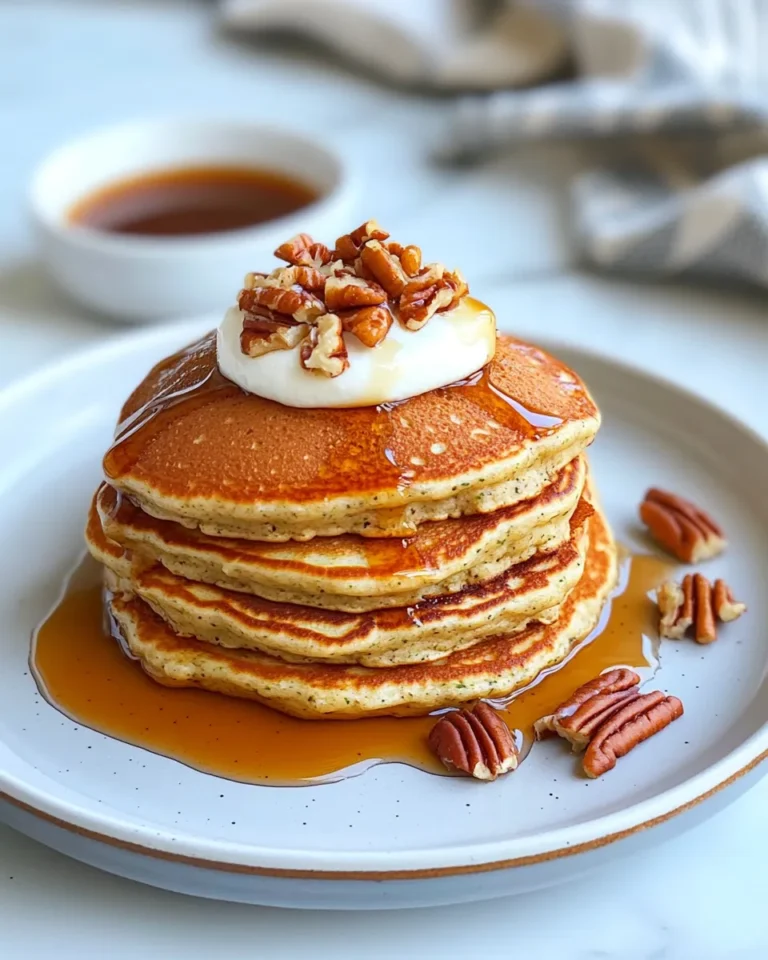

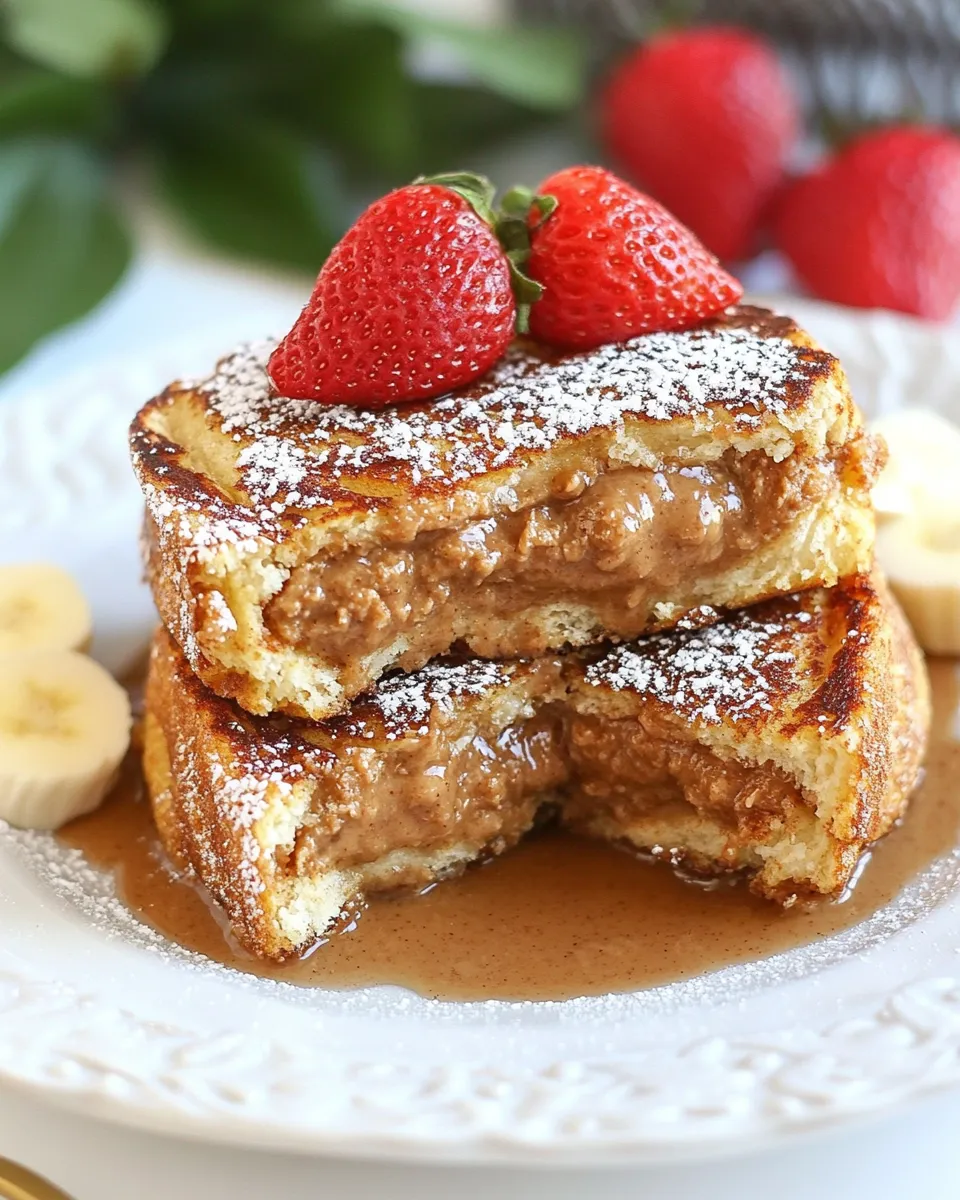
I make this Peanut Butter Stuffed French Toast when I want something that feels indulgent but is actually straightforward. Thick slices of bread soak up a smooth, lightly spiced custard, then get a smear of peanut butter after they cook. It’s honest comfort food — not fussy, not overcomplicated, and fast enough for a weekend morning or an impressive weekday treat.
I like keeping the steps simple and predictable: whisk, soak, cook, spread, serve. The method works with store-bought bread that’s sturdy — Texas toast is perfect — and it accepts variations: crunchy or creamy peanut butter, a splash of maple, a dusting of powdered sugar. Small choices change the mood without changing the effort.
Below you’ll find the ingredient checklist, the exact step-by-step method I follow, troubleshooting tips from tests, substitutions that actually work, and quick ideas to stretch this across seasons and leftovers. If you want to make it tonight, skip to the last section — I’ll tell you the fastest route from kitchen to plate.
Ingredient Checklist
Ingredients
- 1 cup whole milk — gives the custard body and richness; don’t swap to very low-fat if you want the same texture.
- 1/4 cup all-purpose flour — thickens the custard slightly so it clings to the bread and sets up without becoming rubbery.
- 4 eggs — provide structure and lift in the custard; large eggs are assumed.
- 2 tsp vanilla extract — flavor anchor; use pure vanilla if you have it for the cleanest taste.
- 1 tsp ground cinnamon — adds warmth and aroma; toastiness in the finished toast.
- 1/2 tsp ground nutmeg — a little depth and a hint of savory spice; freshly grated is best if you can.
- 1/4 tsp salt — elevates all the flavors and balances the sweetness.
- 1 tbsp sugar — lightly sweetens the custard; adjust if you prefer less.
- 12 thick slices bread such as Texas toast — provides the volume and internal pocket for custard; day-old or slightly stale slices work best to absorb without falling apart.
- 12 tbsp creamy or crunchy peanut butter — the stuffing and star partner; measure it out so each finished slice gets 1 tbsp.
- maple syrup — optional; a classic finishing drizzle for sweetness and moisture.
- powdered sugar — optional; for a light, elegant dusting if you want a brunch-table finish.
Build Peanut Butter Stuffed French Toast Step by Step
- In a medium bowl whisk 1/4 cup all-purpose flour into 1 cup whole milk until smooth.
- Whisk in 4 eggs, 2 tsp vanilla extract, 1 tsp ground cinnamon, 1/2 tsp ground nutmeg, 1/4 tsp salt, and 1 tbsp sugar until combined. Pour the mixture into a shallow pan or wide bowl that will fit a bread slice.
- Preheat a large nonstick griddle or heavy skillet over medium heat.
- Working one slice at a time, submerge a thick slice of bread in the egg mixture and turn to coat both sides. Let the slice sit in the mixture about 15–30 seconds so the custard is absorbed, then lift and allow excess to drip back into the pan.
- Place the soaked bread on the hot griddle and cook until golden brown, about 2–3 minutes per side. Flip and cook the other side until golden. Repeat with remaining slices.
- Transfer cooked slices to a plate or wire rack. Spread 1 tablespoon creamy or crunchy peanut butter on each cooked slice (use all 12 tbsp total, one per slice).
- Serve slices individually or make sandwiches by pairing two peanut-buttered slices (makes 6 sandwiches). Drizzle with maple syrup and dust with powdered sugar if desired.
Why You’ll Keep Making It
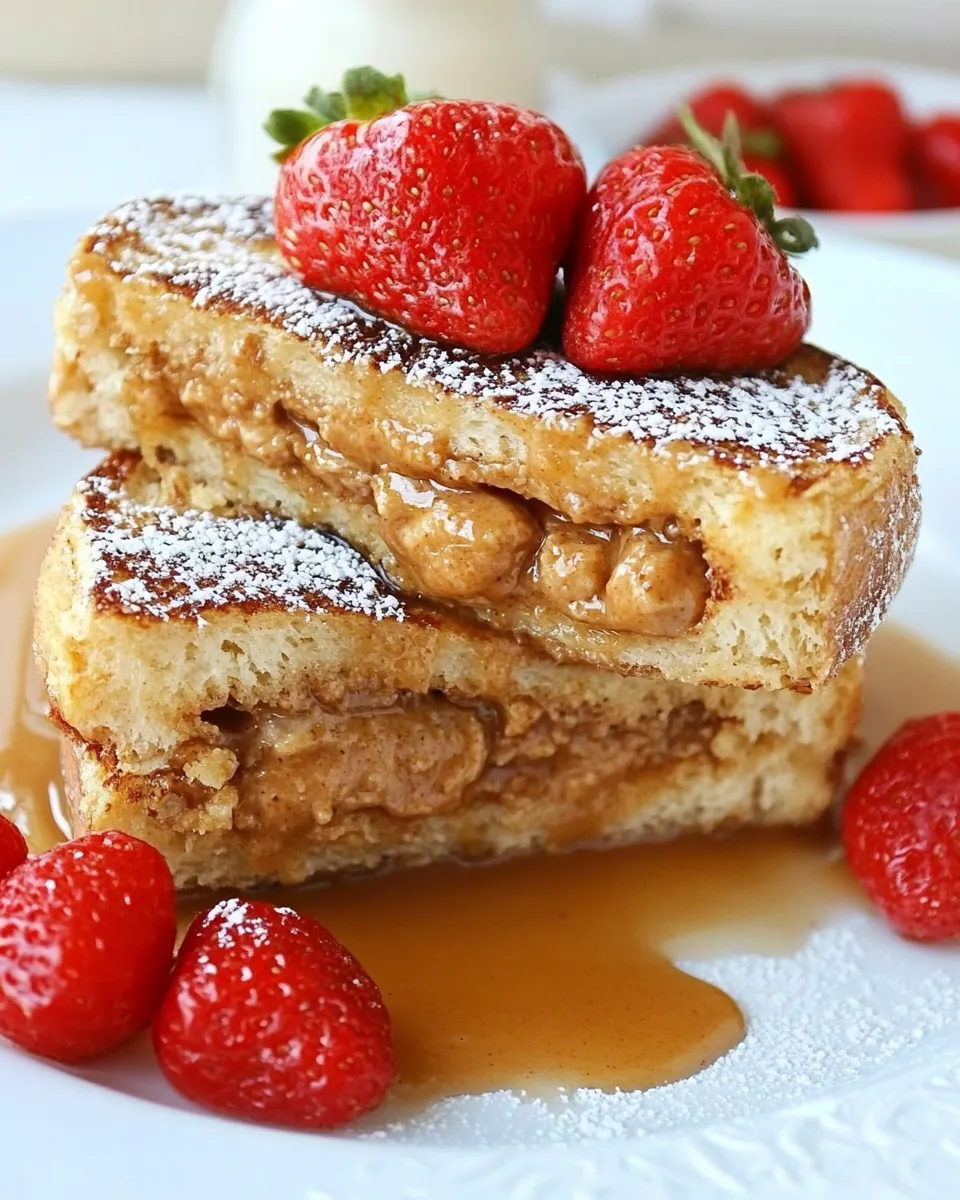
This recipe wins because it’s reliable and flexible. The custard is forgiving: it tolerates slight variations in soak time and heat, and the flour stabilizer helps avoid a soggy center. The peanut butter finish turns ordinary French toast into something more interesting — a savory-sweet pairing that appeals to kids and adults alike.
It’s also fast. Once the custard is ready and the pan is hot, slices cook quickly and you can feed a crowd in a single batch. The finishing step — spreading peanut butter on hot toast — takes seconds and transforms the dish visually and texturally. You’ll find yourself making it for weekend breakfasts, brunch guests, and the occasional celebratory weekday morning.
Smart Substitutions
If you need to adapt, do it with intent:
- Milk — whole milk gives richness. Use 2% in a pinch, but skim will produce a looser custard. For nondairy, try unsweetened oat milk for a similar mouthfeel.
- Flour — if you’re avoiding gluten, 1:1 gluten-free flour blend can work, but the texture will differ slightly.
- Peanut butter — almond or sunflower seed butter are fine swaps for allergies. Keep the same amount and be aware the flavor profile changes markedly.
- Bread — Texas toast is ideal. If you don’t have it, use any thick-sliced, sturdy loaf: brioche, challah, or even a country white. Avoid thin sandwich bread — it won’t hold up.
- Spices — cinnamon is essential to the profile. If you don’t like nutmeg, omit it; add a pinch of cardamom for a floral twist.
Must-Have Equipment
Keep the tools minimal and effective:
- Medium mixing bowl — for the custard; wide enough to dip bread comfortably.
- Whisk — you want a smooth custard with no lumps from the flour.
- Shallow pan or wide bowl — helps you fully submerge the bread.
- Large nonstick griddle or heavy skillet — consistent, even heat is the difference between dry and perfectly golden toast.
- Spatula — a thin, flexible turner makes flipping easier without tearing the bread.
- Wire rack or plate — resting cooked slices on a rack prevents sogginess and keeps edges crisp.
Pitfalls & How to Prevent Them
Common mistakes are easy to fix if you know what to watch for.
Soggy middle
Cause: soaking too long or bread that’s too soft. Fix: use thick, slightly stale bread and limit soak time to 15–30 seconds per side. The flour helps set the custard, but you don’t want saturated bread.
Undercooked center
Cause: pan too hot so exterior browns before interior cooks. Fix: maintain medium heat and lower it slightly if the outsides are darkening too fast. A heavy skillet or griddle with even heat removes hot spots.
Peanut butter melts and runs
Cause: spreading on piping-hot toast will make it loose. Fix: let the cooked slices rest 30–60 seconds so the surface cools just enough to hold the peanut butter without it turning into a drip.
Bread falling apart
Cause: using thin or fresh, very soft bread. Fix: choose sturdier slices or slightly stale bread. If you must use soft slices, handle gently and reduce soak time.
Fresh Takes Through the Year
Seasonal tweaks keep this breakfast interesting:
- Late summer: add sliced bananas and a drizzle of warm honey alongside maple syrup for a fruit-forward finish.
- Autumn: swap maple syrup for a warm brown-butter maple drizzle and sprinkle toasted pecans for crunch.
- Winter: fold a pinch of ground cloves into the custard and top with warmed spiced apple compote.
- Spring: top with fresh berries and a dollop of Greek yogurt instead of syrup to brighten the plate.
These changes don’t affect the core method. They only alter the toppings, so you don’t need to re-learn anything — just add a small seasonal garnish and you’re done.
Testing Timeline
When I tested this, I focused on three variables: soak time, pan temperature, and bread type. Here’s what worked best.
- Soak time: 15–30 seconds per side. Less leaves the center under-soaked; more risks a soggy crumb. Aim for that window depending on how fresh the bread is.
- Pan temp: medium. If the pan is too low, the toast will be pale and greasy. Too high and it browns before the center cooks. My griddle around 325–350°F (medium) gave consistent results.
- Bread: day-old Texas toast or thick-sliced brioche. Fresh, soft sandwich bread tore; thin slices overcooked.
Cook a small test slice if you’re unsure. It takes two minutes and saves a batch.
Leftovers & Meal Prep
French toast keeps fairly well and can be prepped in ways that make reheating simple.
Storing
Place cooled slices in an airtight container in the refrigerator for up to 3 days. If you made sandwiches, separate layers with parchment to prevent sticking.
Reheating
Reheat in a 350°F oven on a baking sheet for 6–8 minutes for best texture. A toaster oven works well for single servings. Avoid microwaving unless you’re in a real hurry; it makes the bread gummy.
Freezing
Freeze individual cooked slices on a tray until solid, then transfer to a sealed bag for up to 1 month. Reheat from frozen in a 375°F oven until warmed through, about 10–12 minutes.
Note on peanut butter: if you’ve already spread the peanut butter, the texture changes in the fridge. For best texture, store plain slices and spread peanut butter just before serving. If you prefer to make sandwiches ahead, accept a softer, melded result and refrigerate tightly wrapped.
Frequently Asked Questions
Q: Can I make this with gluten-free bread?
A: Yes. Use a dense gluten-free loaf sliced thick. Expect slightly different soak behavior; reduce soak time if crumbs break apart.
Q: Can I stuff the peanut butter between two slices and then cook?
A: You can, but the recipe as written spreads peanut butter after cooking. If you try cooking assembled sandwiches, be gentle and reduce soak time so the sandwich holds together. Cooking stuffed sandwiches increases the risk of leakage.
Q: What is the role of the flour in the custard?
A: The flour thickens the custard slightly so it clings to the bread and helps the interior set without getting rubbery.
Q: Can I double the recipe?
A: Yes. Use a larger bowl for the custard and work in batches on the griddle. Keep cooked slices warm on a rack in a 200°F oven while you finish the rest.
Make It Tonight
Want this for dinner or a late-night treat? Here’s a quick plan.
- Gather ingredients and pre-measure the 12 tbsp peanut butter and bread slices so you can move quickly.
- Whisk flour into the milk, then whisk in eggs and the rest of the custard ingredients. Pour into a shallow pan.
- Preheat your skillet over medium and test with a single soaked slice — it should take about 2–3 minutes per side to reach a deep golden color.
- Cook the full batch, transfer to a rack, spread 1 tbsp peanut butter on each slice while still warm but not piping hot, and serve with maple syrup and powdered sugar if you like.
It’s a fast, comforting meal that looks like effort but really isn’t. Put on a pot of coffee, call everyone to the table, and enjoy the small, satisfying magic of simple ingredients done right.
Peanut Butter Stuffed French Toast
Ingredients
Ingredients
- 1 cupwhole milk
- 1/4 cupall-purpose flour
- 4 eggs
- 2 tspvanilla extract
- 1 tspground cinnamon
- 1/2 tspground nutmeg
- 1/4 tspsalt
- 1 tbspsugar
- 12 thick slices breadsuch as Texas toast
- 12 tbspcreamy or crunchy peanut butter
- maple syrupoptional
- powdered sugaroptional
Instructions
Instructions
- In a medium bowl whisk 1/4 cup all-purpose flour into 1 cup whole milk until smooth.
- Whisk in 4 eggs, 2 tsp vanilla extract, 1 tsp ground cinnamon, 1/2 tsp ground nutmeg, 1/4 tsp salt, and 1 tbsp sugar until combined. Pour the mixture into a shallow pan or wide bowl that will fit a bread slice.
- Preheat a large nonstick griddle or heavy skillet over medium heat.
- Working one slice at a time, submerge a thick slice of bread in the egg mixture and turn to coat both sides. Let the slice sit in the mixture about 15–30 seconds so the custard is absorbed, then lift and allow excess to drip back into the pan.
- Place the soaked bread on the hot griddle and cook until golden brown, about 2–3 minutes per side. Flip and cook the other side until golden. Repeat with remaining slices.
- Transfer cooked slices to a plate or wire rack. Spread 1 tablespoon creamy or crunchy peanut butter on each cooked slice (use all 12 tbsp total, one per slice).
- Serve slices individually or make sandwiches by pairing two peanut-buttered slices (makes 6 sandwiches). Drizzle with maple syrup and dust with powdered sugar if desired.
Equipment
- Medium Bowl
- Whisk
- shallow pan or wide bowl
- large nonstick griddle or heavy skillet
- Spatula
- plate or wire rack