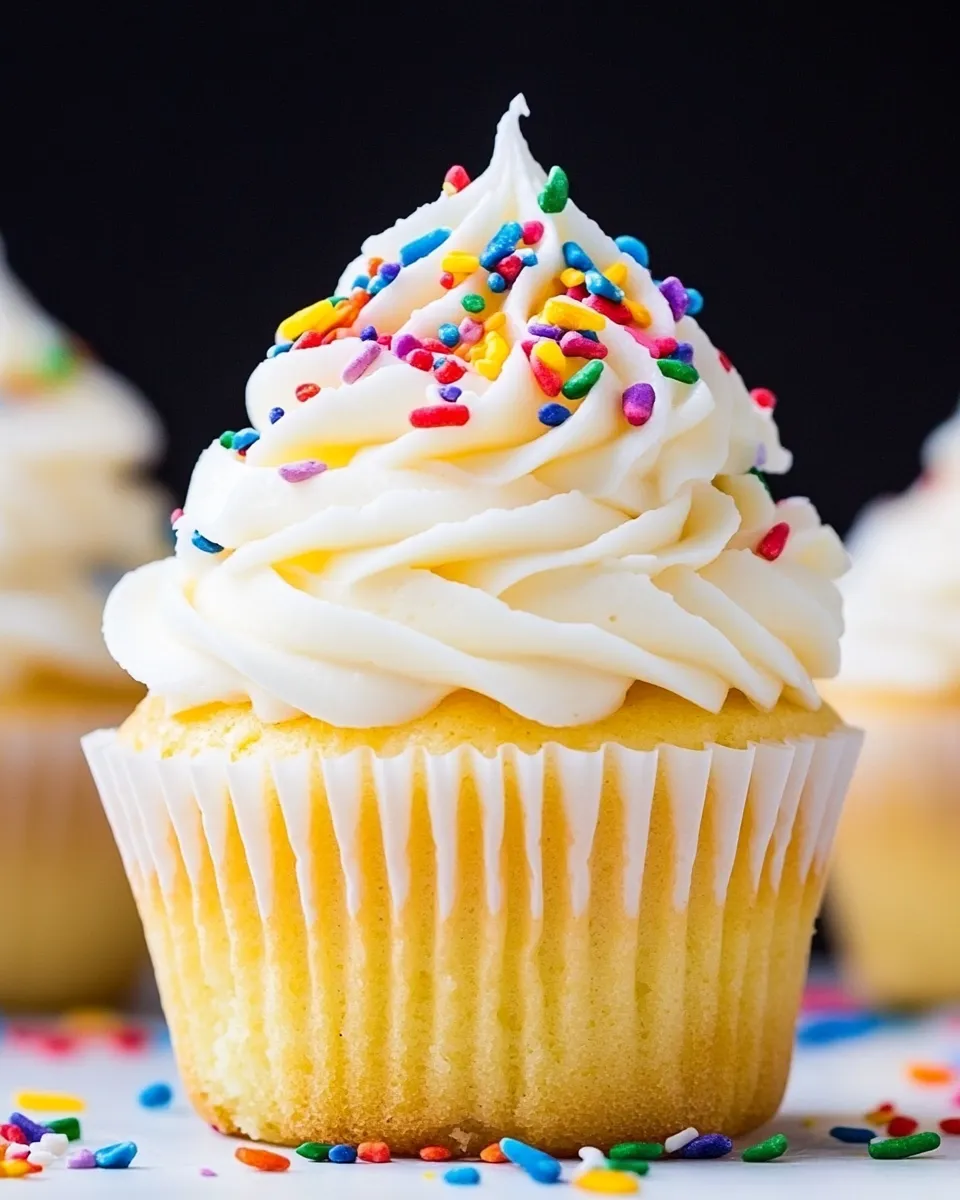
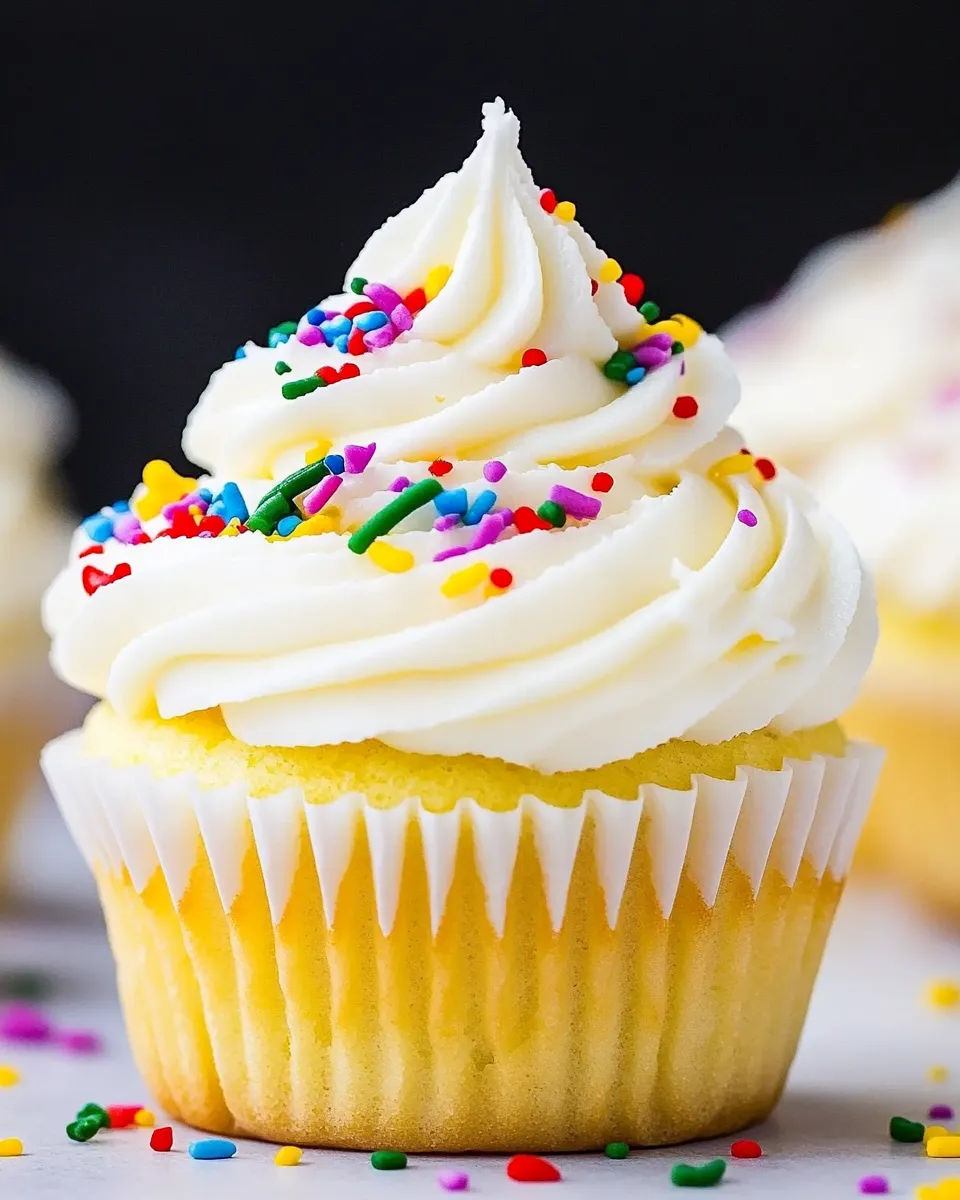
These vanilla cupcakes are my go-to when I want something unfussy that still earns compliments. They bake up tender with a fine crumb, have a clean vanilla backbone, and they welcome any frosting you prefer. I wrote this recipe to be predictable—small steps that add up to a reliably great cupcake every time.
I test techniques that matter: room-temperature eggs, properly creamed butter and sugar, and alternating dry and wet ingredients. Follow those details and you’ll get even rise, soft crumb, and cupcakes that don’t dry out while cooling. This is the kind of recipe you can memorize and return to for birthdays, after-school treats, or a quiet Sunday baking session.
Ingredients
- 1 1/4 cups all-purpose flour — the structure; measure by spooning into the cup and leveling for accuracy.
- 1 1/4 tsp baking powder — the lift; make sure it’s fresh for good rise.
- 1/2 tsp salt — balances sweetness and enhances flavor.
- 1/2 cup unsalted butter, softened — creamed with sugar for tenderness and richness.
- 3/4 cup sugar — sweetness and helps with browning and texture.
- 2 large eggs, room temperature — add moisture and emulsify; bring to room temp for better incorporation.
- 2 tsp pure vanilla extract — the primary flavor; use a good-quality pure vanilla.
- 1/2 cup buttermilk, or plain kefir, room temperature — provides tenderness and slight tang; room temp keeps batter smooth.
The Essentials
Start with accurate measurements and room-temperature dairy and eggs. When butter, eggs, and buttermilk are at similar temperatures they emulsify cleanly, producing a batter that traps air and bakes evenly. I keep a dedicated baking towel and a small bowl on the counter for quick room-temperatureing: a few minutes on the counter is enough for eggs and buttermilk if they were refrigerated.
Creme the butter and sugar until pale and fluffy—that step really matters for texture. After adding eggs, scrape the bowl well. When you alternate dry ingredients with the buttermilk, you avoid over-developing gluten, and that yields a tender crumb rather than a dense one.
Build Perfect Vanilla Cupcake Recipe Step by Step
- Preheat the oven to 350°F (175°C). Line a 12-count muffin or cupcake pan with paper liners.
- In a medium bowl, whisk together 1 1/4 cups all-purpose flour, 1 1/4 tsp baking powder, and 1/2 tsp salt. Set the dry mixture aside.
- In the bowl of an electric mixer fitted with the paddle attachment (or using a hand mixer), beat 1/2 cup softened unsalted butter and 3/4 cup sugar on medium-high speed for about 5 minutes, until the mixture is pale, thick, and fluffy. Stop once or twice to scrape down the bowl and paddle.
- With the mixer on low, add the 2 large room-temperature eggs one at a time, beating well after each addition. Scrape down the bowl. Add 2 tsp pure vanilla extract and beat briefly to combine.
- Reduce the mixer speed to medium. Add the dry flour mixture to the butter mixture in three additions, alternating with the 1/2 cup room-temperature buttermilk (or plain kefir): add one-third of the flour, then half the buttermilk, then another third of the flour, the remaining buttermilk, and finally the last third of flour. Mix only until each addition is incorporated and the batter is smooth—do not overmix. Scrape down the bowl as needed.
- Divide the batter evenly among the 12 lined cups, filling each about two-thirds full.
- Bake at 350°F for 20–23 minutes, or until a toothpick inserted into the center of a cupcake comes out clean or with a few moist crumbs.
- Let the cupcakes cool in the pan for 5 minutes, then transfer them to a wire rack to cool completely to room temperature before frosting.
Why This Recipe Belongs in Your Rotation
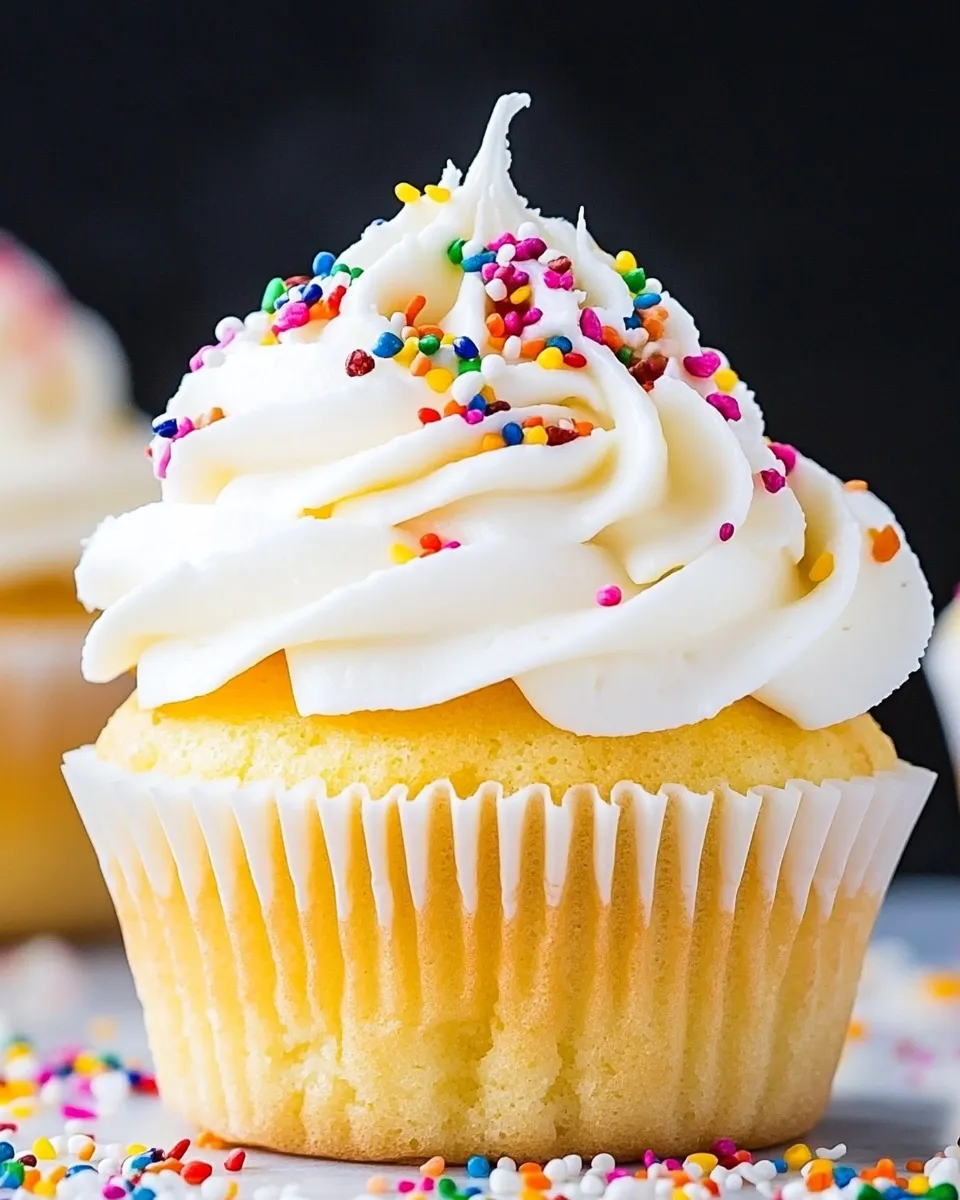
It’s straightforward, forgiving, and versatile. You get consistent results with basic pantry ingredients and no special techniques. The crumb is fine and tender, which makes these cupcakes a great base for any frosting—simple buttercream, cream cheese frosting, or even a light glaze. They’re neutral-flavored enough to pair with fruit fillings or flavored frostings, but sturdy enough to hold up to piping and decoration.
This recipe is also efficient: 12 cupcakes in under 30 minutes of bake time. That means you can prep, bake, and finish in an afternoon without a big time investment. If you want to scale, this formula doubles cleanly in a 24-cup run (bake in batches if your oven can’t handle both pans at once).
Budget & Availability Swaps
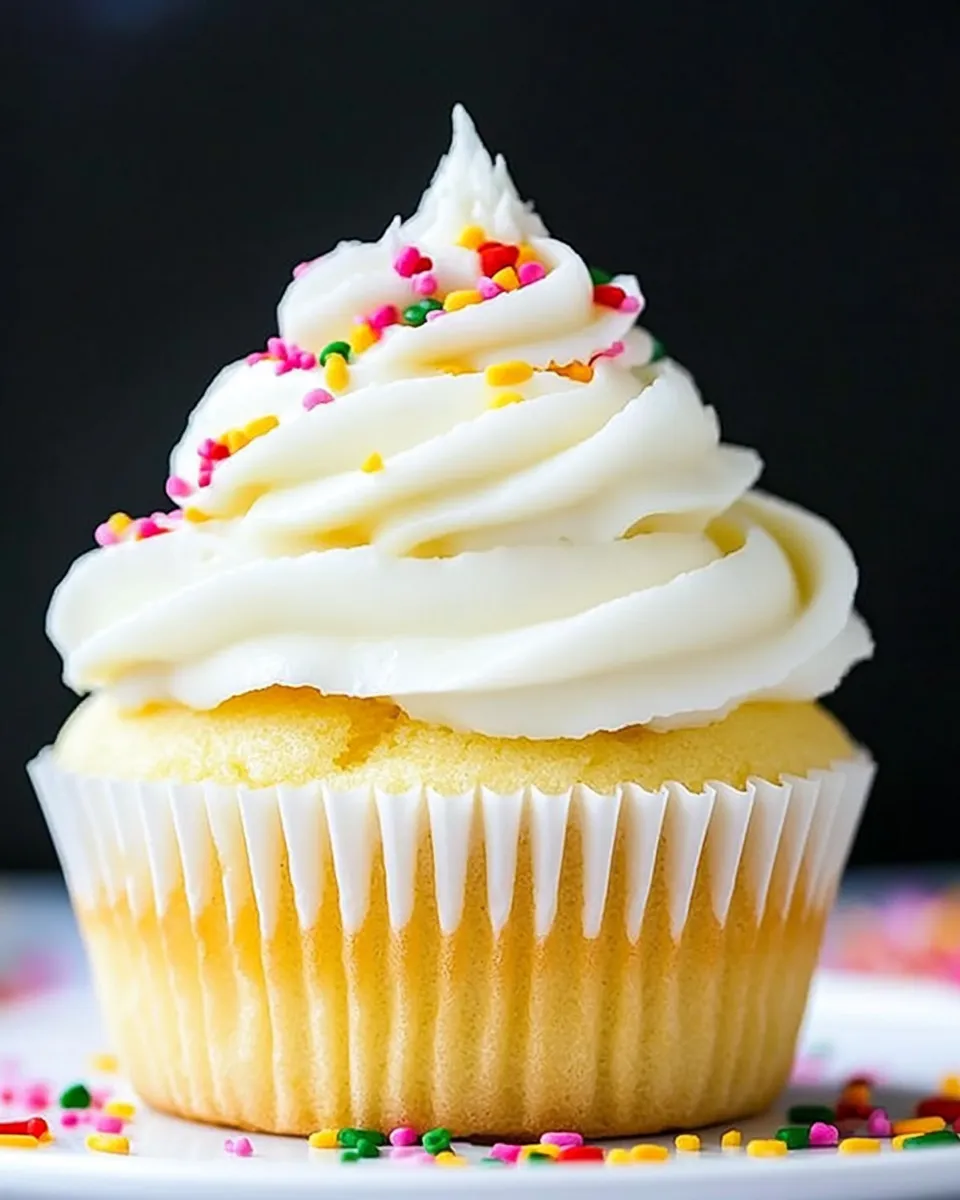
- Unsalted butter — if only salted butter is available, reduce any added salt slightly or taste the batter; many find the difference negligible for cupcakes.
- Buttermilk or plain kefir — if you don’t have either, you can use room-temperature milk with a splash of acid (no exact measure given here; use a common cottage technique) though the texture will be slightly less tender.
- Pure vanilla extract — vanilla essence or a vanilla bean can be used depending on pantry availability; pure extract gives the cleanest flavor.
- Sugar — granulated sugar produces the right texture; alternatives will change flavor and texture, so use with that in mind.
Equipment at a Glance
- 12-count muffin/cupcake pan — the recipe is sized for one standard pan.
- Paper liners — optional, but they help with release and presentation.
- Electric mixer with paddle attachment or hand mixer — creaming butter and sugar properly is easier with a mixer.
- Mixing bowls and a whisk — for dry ingredients and for gentle mixing.
- Rubber spatula — for scraping the bowl thoroughly between steps.
- Wire rack — cools cupcakes fully and prevents soggy bottoms.
Avoid These Mistakes
- Overmixing after adding flour — mix just until combined. Overworking the batter creates a tougher crumb.
- Cold eggs or buttermilk — they’ll cool the butter and cause a curdled batter; bring dairy and eggs to room temperature first.
- Skipping the scrape — always scrape the bowl between additions so ingredients are evenly incorporated.
- Filling cups unevenly — use an ice cream scoop or measuring cup to portion batter for even rise and matching sizes.
- Baking at an incorrect temperature — an oven thermometer is worth having; 350°F is key for the timing and texture here.
Holiday-Friendly Variations
These cupcakes are a blank slate for seasonal flavors. For a winter twist, pipe a warmly spiced frosting and sprinkle with toasted nuts or citrus zest for brightness. In spring and summer, top with a light fruit curd or a dollop of macerated berries so the cupcake acts as a vessel for fresh fruit.
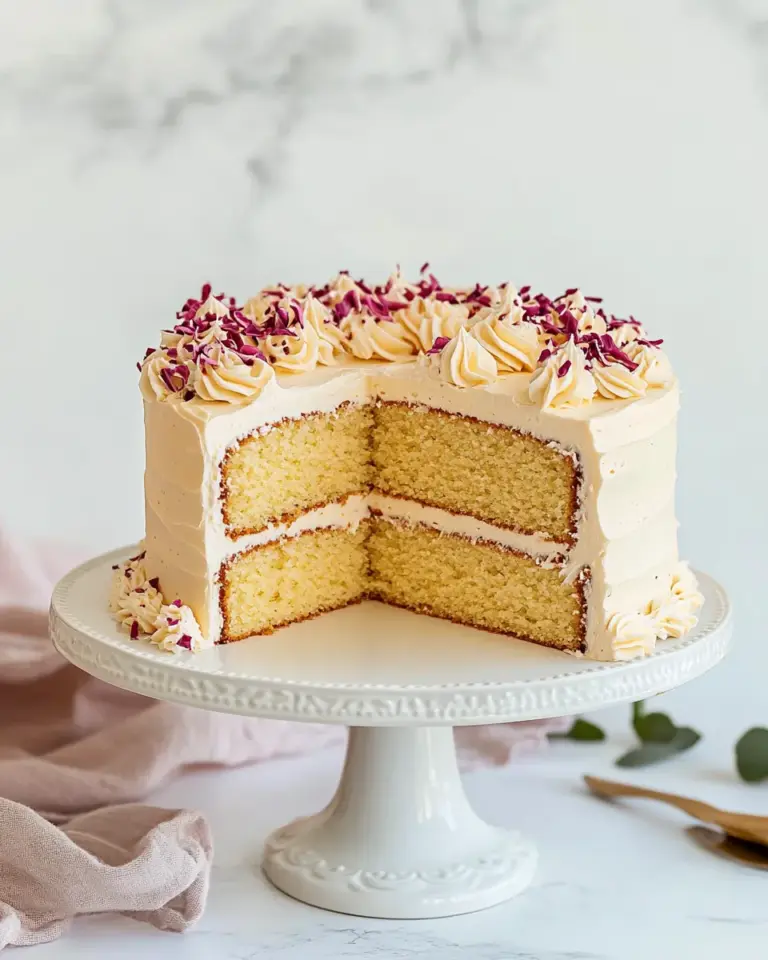
For celebrations, use themed sprinkles, edible glitter, or color your frosting to match the event. Because the cupcake itself is balanced and not overly sweet, you can layer flavors—thin jam or curd in the center, a complementary buttercream on top, and finishing touches that match the season’s mood.
If You’re Curious
Why use buttermilk or kefir? The acidity tenderizes the gluten and reacts with baking powder for a subtle lift and a softer crumb. Can you make this with oil instead of butter? Yes, but expect a slightly different mouthfeel and flavor; butter gives a richer note. If you want to add mix-ins like chocolate chips or zest, fold them in at the final mix stage and keep portions modest so the batter consistency remains the same.
If your cupcakes dome too much or crack, check oven temperature and whether you overfilled the cups. If they’re dense, make sure baking powder is fresh and that you creamed the butter and sugar long enough for proper aeration.
Storing, Freezing & Reheating
Store unfrosted cupcakes in an airtight container at room temperature for up to 2 days. If you’ve already frosted them with a butter-based frosting, store in a cool place or refrigerate for up to 3 days—bring to room temperature before serving for best flavor and texture. For longer storage, freeze unfrosted cupcakes in a single layer on a tray until firm, then transfer to a freezer-safe container or bag. Thaw in the refrigerator or on the counter, then frost once fully thawed.
To refresh slightly stale cupcakes, warm them briefly in a low oven or microwave for a few seconds; don’t overdo it or they will dry out. When reheating frosted cupcakes, keep it gentle—short blasts in a warm oven or allow them to come to room temperature from the fridge rather than direct heat.
Ask the Chef
Q: Can I halve or double this recipe?
A: Yes. Halving is straightforward for a smaller batch; doubling works too but bake in two pans or in separate batches to maintain even bake and temperature control.
Q: What if I don’t have a mixer?
A: You can cream butter and sugar by hand with a sturdy whisk or wooden spoon, though it will take more elbow grease and time to get that pale, fluffy texture.
Q: How do I get perfectly even cupcakes?
A: Use an ice cream scoop or measuring cup to portion batter, tap the pan lightly to remove large air pockets, and rotate the pan halfway through baking if your oven has hot spots.
Bring It to the Table
Serve these cupcakes at room temperature for the best flavor. Arrange them on a simple cake stand or a wooden board for a casual presentation. If you’re bringing them to a party, keep frosting in a separate container and frost on-site if you expect heat, or transport in a box with the cupcakes snug to avoid sliding.
Pair with coffee, tea, or a glass of cold milk—the neutral vanilla flavor complements many drinks. For a grown-up pairing, consider a mild dessert wine or lightly flavored tea that won’t overwhelm the vanilla. A few decorative touches—fresh berries, a dusting of powdered sugar, or a thin ribbon—can turn a weekday treat into something fête-ready without extra fuss.

Perfect Vanilla Cupcake Recipe
Ingredients
Ingredients
- 1 1/4 cupsall-purpose flour
- 1 1/4 tspbaking powder
- 1/2 tspsalt
- 1/2 cupunsalted butter softened
- 3/4 cupsugar
- 2 large eggs room temperature
- 2 tsppure vanilla extract
- 1/2 cupbuttermilk or plain kefir, room temperature
Instructions
Instructions
- Preheat the oven to 350°F (175°C). Line a 12-count muffin or cupcake pan with paper liners.
- In a medium bowl, whisk together 1 1/4 cups all-purpose flour, 1 1/4 tsp baking powder, and 1/2 tsp salt. Set the dry mixture aside.
- In the bowl of an electric mixer fitted with the paddle attachment (or using a hand mixer), beat 1/2 cup softened unsalted butter and 3/4 cup sugar on medium-high speed for about 5 minutes, until the mixture is pale, thick, and fluffy. Stop once or twice to scrape down the bowl and paddle.
- With the mixer on low, add the 2 large room-temperature eggs one at a time, beating well after each addition. Scrape down the bowl. Add 2 tsp pure vanilla extract and beat briefly to combine.
- Reduce the mixer speed to medium. Add the dry flour mixture to the butter mixture in three additions, alternating with the 1/2 cup room-temperature buttermilk (or plain kefir): add one-third of the flour, then half the buttermilk, then another third of the flour, the remaining buttermilk, and finally the last third of flour. Mix only until each addition is incorporated and the batter is smooth—do not overmix. Scrape down the bowl as needed.
- Divide the batter evenly among the 12 lined cups, filling each about two-thirds full.
- Bake at 350°F for 20–23 minutes, or until a toothpick inserted into the center of a cupcake comes out clean or with a few moist crumbs.
- Let the cupcakes cool in the pan for 5 minutes, then transfer them to a wire rack to cool completely to room temperature before frosting.
Equipment
- Electric Mixer
- paddle attachment
- Mixing bowls
- Measuring Cups
- Measuring Spoons
- 12-count muffin pan
- Paper liners
- Wire Rack