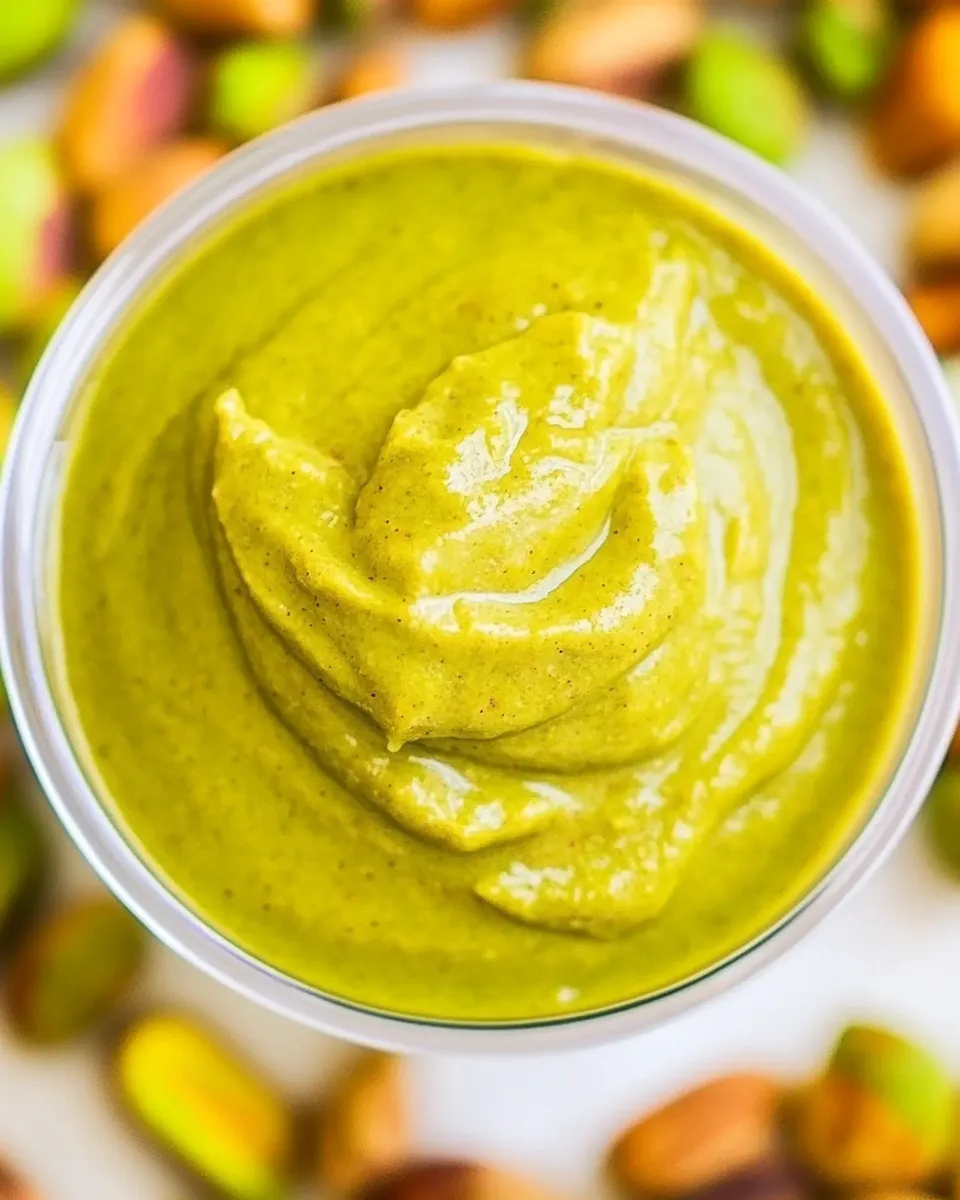
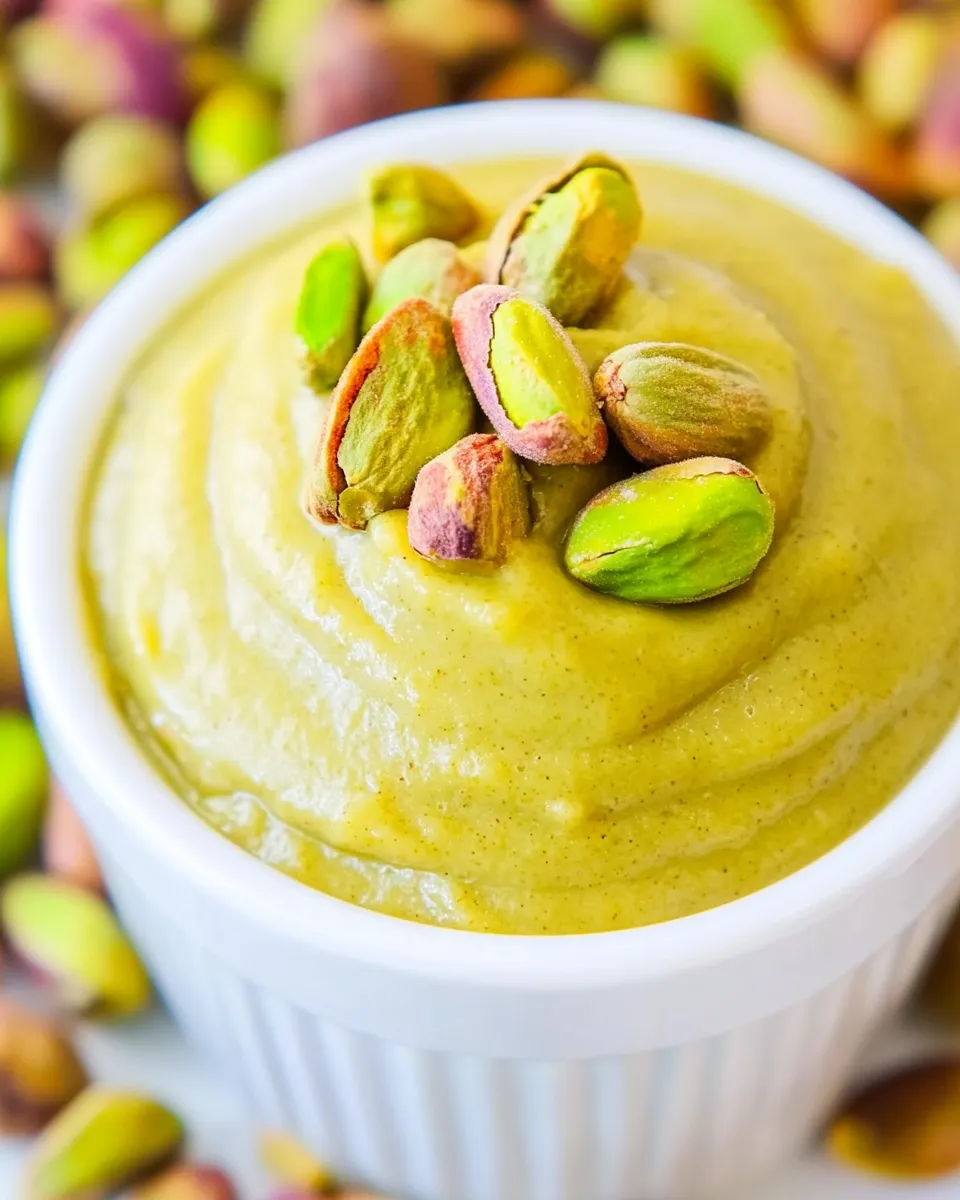
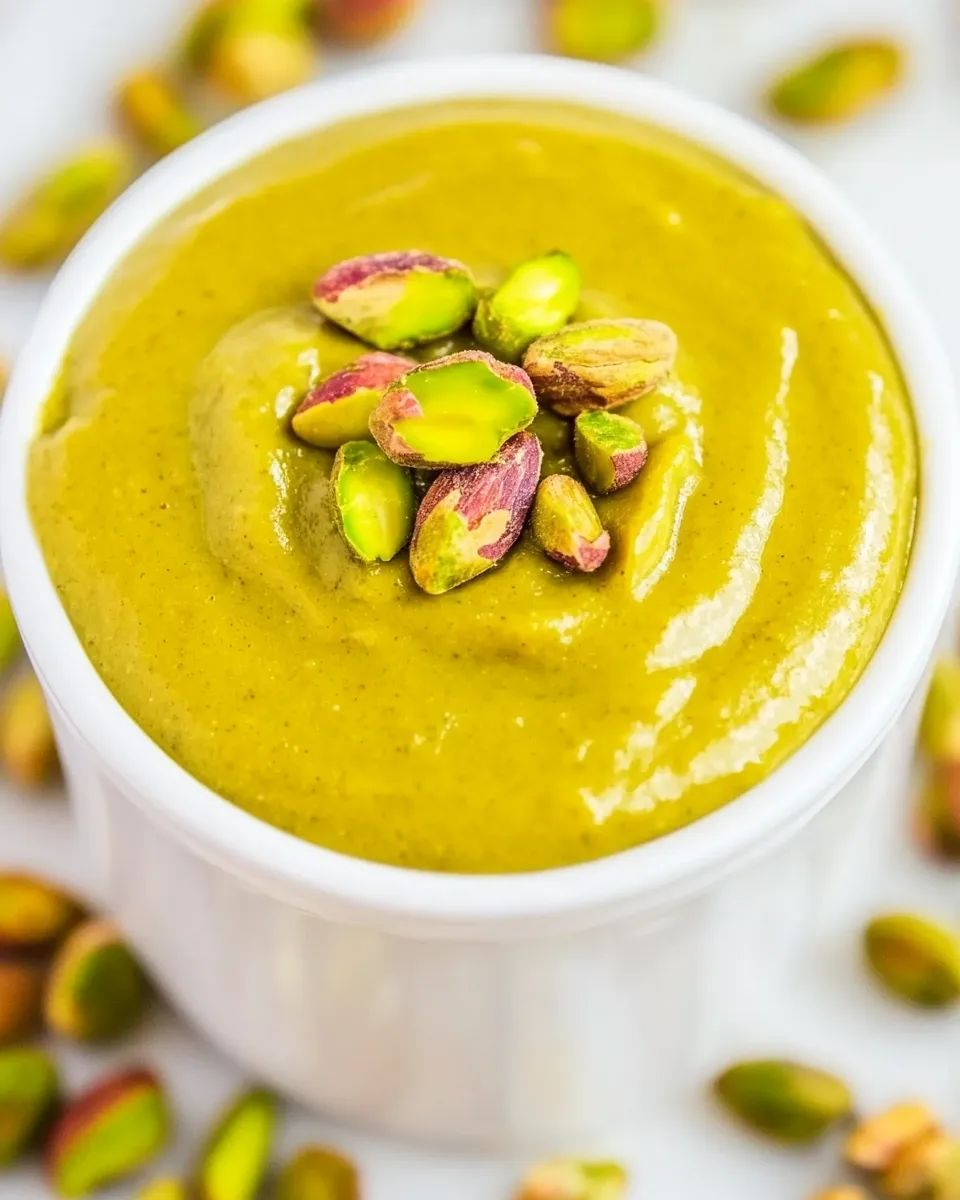
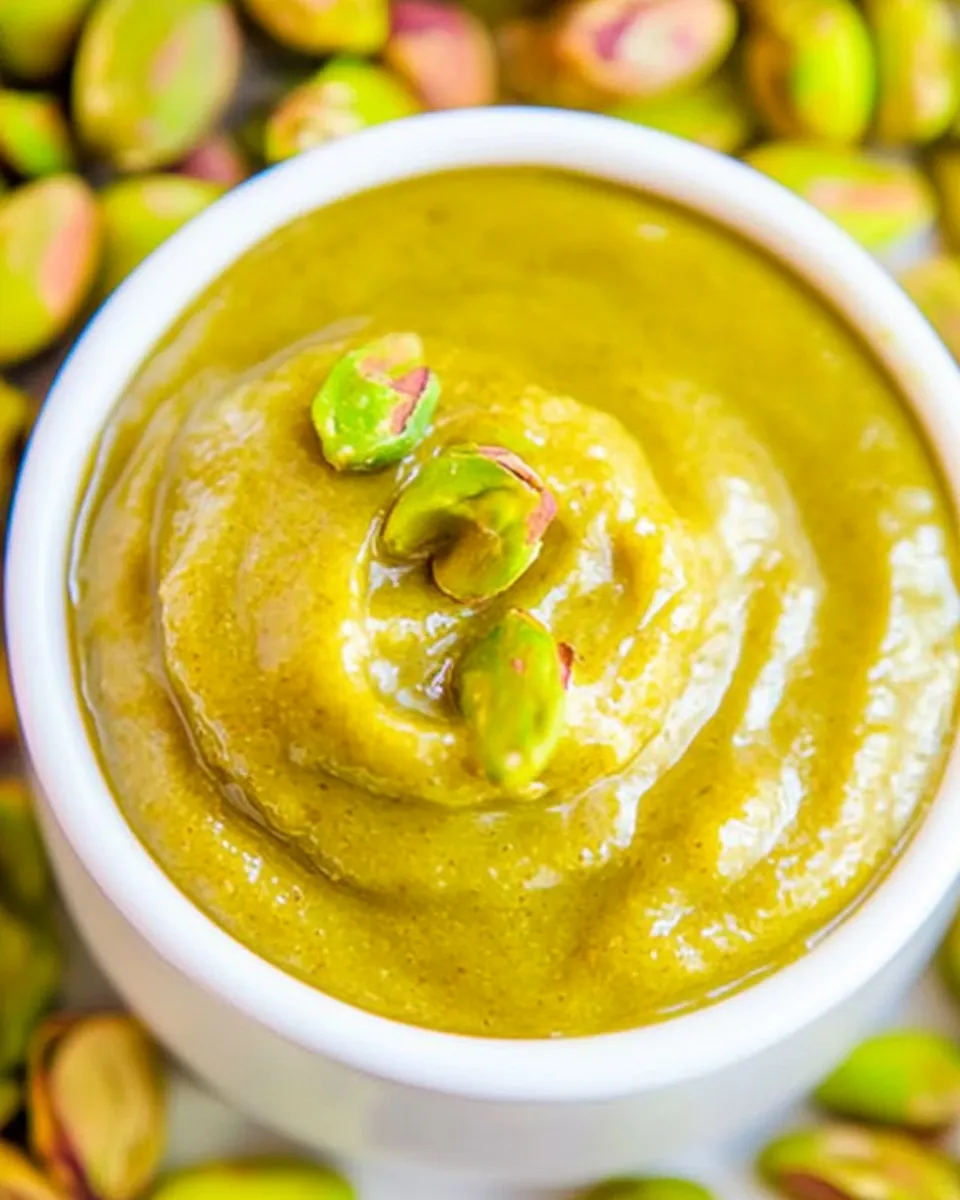
The first time I made pistachio butter at home, I was surprised by how simple it felt and how luxuriously green the jar looked on my counter. It tastes fresher than anything in a store-bought jar: bright, slightly sweet, and with that signature pistachio richness. Once you get the rhythm—grind, caramelize sugar, blend with oil—you can make it in under 30 minutes and keep it for weeks in the fridge.
This recipe is practical. It uses just a handful of ingredients and one straightforward technique: coating the nuts with hot sugar, then turning them into a smooth butter with melted coconut oil. The sugar gives a subtle caramel lift and helps the nuts break down more smoothly; the coconut oil controls texture and sets the butter in the fridge. Little adjustments let you dial the mouthfeel from silky to spreadable.
I’ll walk you through equipment, exact steps, common mistakes, and ways to adapt this for different diets or budgets. Read the quick steps first if you want to jump right in, or keep scrolling for deeper notes. Either way, you’ll end up with a bright, homemade Pistachio Butter that makes toast, yogurt, and baked goods infinitely better.
What You’ll Need
Ingredients
- 1 cup shelled pistachios — the base; fresher pistachios give a brighter flavor.
- 1/4 cup granulated sugar — caramelizes to add depth and helps the nuts process smoothly.
- 1 1/2 tablespoons water — moistens the sugar so it cooks evenly into a syrup.
- 4 to 5 tablespoons melted coconut oil — controls texture and helps the butter set; use the amount that gives your preferred consistency.
- Pinch kosher salt — balances sweetness and lifts the pistachio flavor; add more to taste.
Step-by-Step: Pistachio Butter
- Place 1 cup shelled pistachios in a high-powered blender or food processor and pulse until roughly ground. Transfer the ground pistachios to a small bowl.
- In a small saucepan, combine 1/4 cup granulated sugar and 1 1/2 tablespoons water; stir briefly to moisten the sugar.
- Cook the sugar mixture over medium-high heat until it boils and reaches 220°F (use a candy thermometer) and is actively bubbling.
- Immediately pour the hot sugar over the pistachios and stir right away with a silicone spatula to coat the nuts evenly. Be careful — the sugar is very hot.
- Transfer the coated pistachios back to the blender or food processor and pulse until the mixture is finely ground.
- With the machine running, pour in 4 to 5 tablespoons melted coconut oil and add a pinch of kosher salt. Blend until the mixture becomes a soft, smooth nut butter, about 2 minutes.
- Taste and add more salt if desired.
- Transfer the pistachio butter to a jar and store in the refrigerator. It will firm when cold because of the coconut oil; bring to room temperature before spreading if needed.
Why It Works Every Time
This method balances flavor and texture. Lightly caramelizing the pistachios with the sugar adds Maillard-like complexity even though it’s primarily caramelization; the sugar develops a toffee note that complements the pistachio’s natural sweetness. Coating the nuts in hot sugar also creates tiny crystalline surfaces that help the processor break them down more cleanly.
The coconut oil softens the ground nut solids into a spreadable emulsion. At room temperature, the oil blends with pistachio oils released during processing to form a smooth matrix. In the fridge the coconut oil solidifies, so the butter firms—hence the note to bring it back to room temperature before using if you want it to spread easily.
Finally, a pinch of kosher salt brightens flavors and prevents the finished butter from tasting flat. Little chemistry, straightforward technique, predictable results.
Budget & Availability Swaps
Pistachios can be pricier than other nuts. If you need a budget-friendly option, use a smaller amount of pistachios in the recipe and bulk up texture with toasted, unsalted almonds or cashews in a 50/50 blend. The sugar technique still works with most tree nuts, though flavors will vary.
If coconut oil is hard to find or you prefer a neutral profile, use light olive oil or a mild vegetable oil. They won’t firm up as much in the fridge, so expect a looser spread and refrigerate only if necessary. For a lower-sugar approach, reduce the granulated sugar slightly, but note the texture and flavor will be less glossy and less caramel-forward.
Gear Checklist
- High-powered blender or food processor — for smooth texture.
- Small saucepan — to cook the sugar syrup.
- Candy thermometer — helps hit the 220°F target precisely for predictable caramelization.
- Silicone spatula — heat-safe and flexible for coating the nuts.
- Heatproof bowl — to receive the hot syrup-coated pistachios.
- Glass jar with lid — for storing the finished butter in the fridge.
Errors to Dodge
Two hot spots can ruin the batch: overcooking the sugar and under-processing the nuts. If the sugar goes above 220°F by a lot, it can take on a bitter, burnt edge. Watch closely and remove from heat at the proper point; residual heat will continue to darken the syrup for a moment.
Don’t pour the syrup and leave the nuts unattended. Stir immediately and thoroughly to coat every nut while the sugar is fluid. Also, don’t expect a smooth butter unless you blend long enough; high-powered machines need time to release oils and emulsify. If your processor strains, pause and scrape down the sides, then continue.
A final common mistake: storing the jar warm. Let the butter cool slightly before sealing, then refrigerate. Trapped heat can create condensation or shorten shelf life.
Variations for Dietary Needs
Vegan: This recipe is vegan as written if your sugar is vegan-friendly for your standards and you use coconut oil. No animal products are involved.
Nut-free alternative: If someone needs a nut-free spread, use hulled sunflower seeds or roasted pumpkin seeds in place of pistachios and follow the same sugar-coating and processing steps. The technique translates; the flavor will change to whatever seed you choose.
Lower-sugar option: Reduce the granulated sugar a bit or replace with a liquid sweetener like maple syrup added during the final blending stage for a milder, different texture. Note that the initial syrup step relies on granulated sugar to coat the nuts, so texture and stability will differ if you skip it entirely.
Chef’s Notes
Texture & Finish
If you prefer a chunkier spread, reserve a few tablespoons of caramel-coated pistachios after step 4, then fold them in after blending. For ultra-smooth butter, use a high-speed blender and blend a bit longer—up to 3–4 minutes total—pausing occasionally to avoid overheating the motor.
Flavor Boosts
A light toast of the raw pistachios for 4–6 minutes at 325°F before step 1 deepens the nutty aroma. Add citrus zest or a tiny pinch of ground cardamom at the end for a different profile; add sparingly so the pistachio character still shines.
Adjusting Firmness
Use 4 tablespoons coconut oil for a firmer final butter, closer to a chilled spread. Use 5 tablespoons for a looser, more readily spreadable butter straight from the fridge. Room temperature will always be softer.
Storing, Freezing & Reheating
Transfer the cooled Pistachio Butter to a clean jar and seal. Store it in the refrigerator for up to 3–4 weeks. Because coconut oil solidifies, the butter will become firmer when chilled; remove it from the fridge 15–30 minutes before use to soften on the counter.
If you want longer storage, freeze the butter in an airtight container for up to 3 months. Thaw in the refrigerator overnight, then bring to room temperature before spreading. If the oil separates slightly after thawing, stir vigorously to reincorporate, or briefly pulse in the food processor to re-emulsify.
Ask & Learn
Questions I get most: Can I skip the sugar? You can, but the sugar both flavors and helps the nuts break down nicely. Will it work in a blender vs. a food processor? Yes, a high-powered blender works best; pause and scrape as needed. What if my machine overheats? Let it cool, then continue in short bursts. If you want personalized texture—chunky vs. silky—tell me which you prefer and I’ll suggest adjustments.
Leave a comment with your results. Tell me whether you used roasted or raw pistachios, how much coconut oil you settled on, and what you spread it on first. I read every note and often include reader tips in follow-up posts.
In Closing
Pistachio Butter is one of those small wins that elevates everyday breakfasts and snacks. It’s quick, dependable, and flexible. The approach—caramel-coating then blending with oil—gives you control over flavor and texture in a way jars from the store rarely match.
Make a batch, keep it chilled, and experiment with a pinch of spice or a swap of oils. It’s forgiving, and it rewards small adjustments. Happy blending—and tell me how your first jar turns out.
Pistachio Butter
Ingredients
Ingredients
- ?1 cupshelled pistachios
- ?1/4 cupgranulated sugar
- ?1 1/2 tablespoonswater
- ?4 to 5 tablespoonsmelted coconut oil
- ?Pinchkosher salt
Instructions
Instructions
- Place 1 cup shelled pistachios in a high-powered blender or food processor and pulse until roughly ground. Transfer the ground pistachios to a small bowl.
- In a small saucepan, combine 1/4 cup granulated sugar and 1 1/2 tablespoons water; stir briefly to moisten the sugar.
- Cook the sugar mixture over medium-high heat until it boils and reaches 220°F (use a candy thermometer) and is actively bubbling.
- Immediately pour the hot sugar over the pistachios and stir right away with a silicone spatula to coat the nuts evenly. Be careful — the sugar is very hot.
- Transfer the coated pistachios back to the blender or food processor and pulse until the mixture is finely ground.
- With the machine running, pour in 4 to 5 tablespoons melted coconut oil and add a pinch of kosher salt. Blend until the mixture becomes a soft, smooth nut butter, about 2 minutes.
- Taste and add more salt if desired.
- Transfer the pistachio butter to a jar and store in the refrigerator. It will firm when cold because of the coconut oil; bring to room temperature before spreading if needed.
Equipment
- 1 Food processor