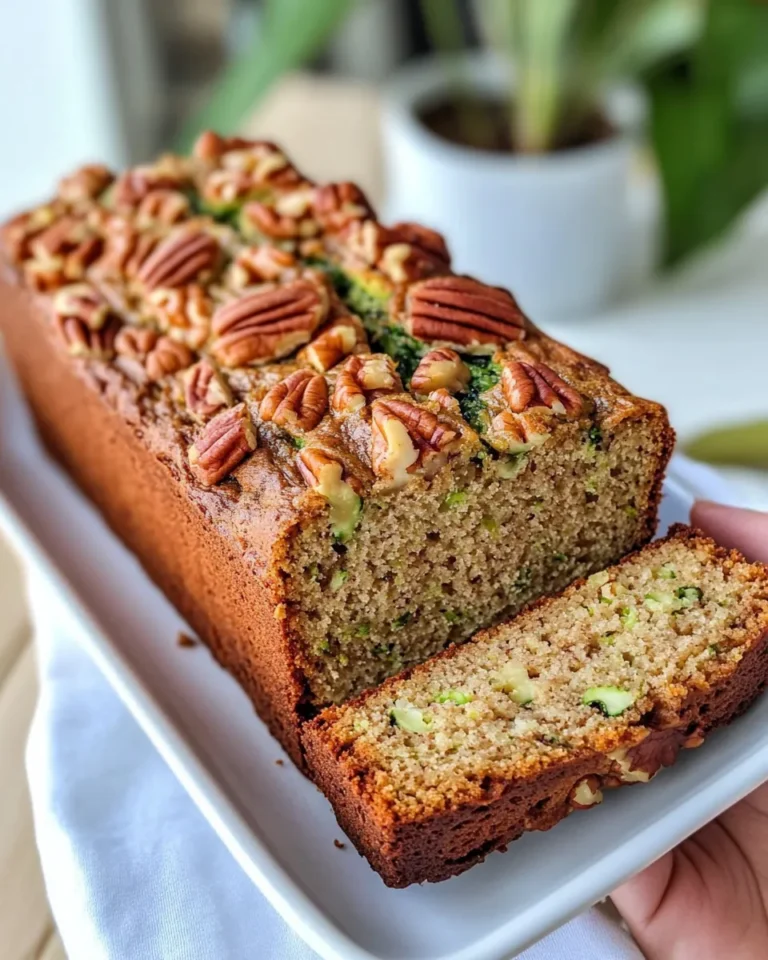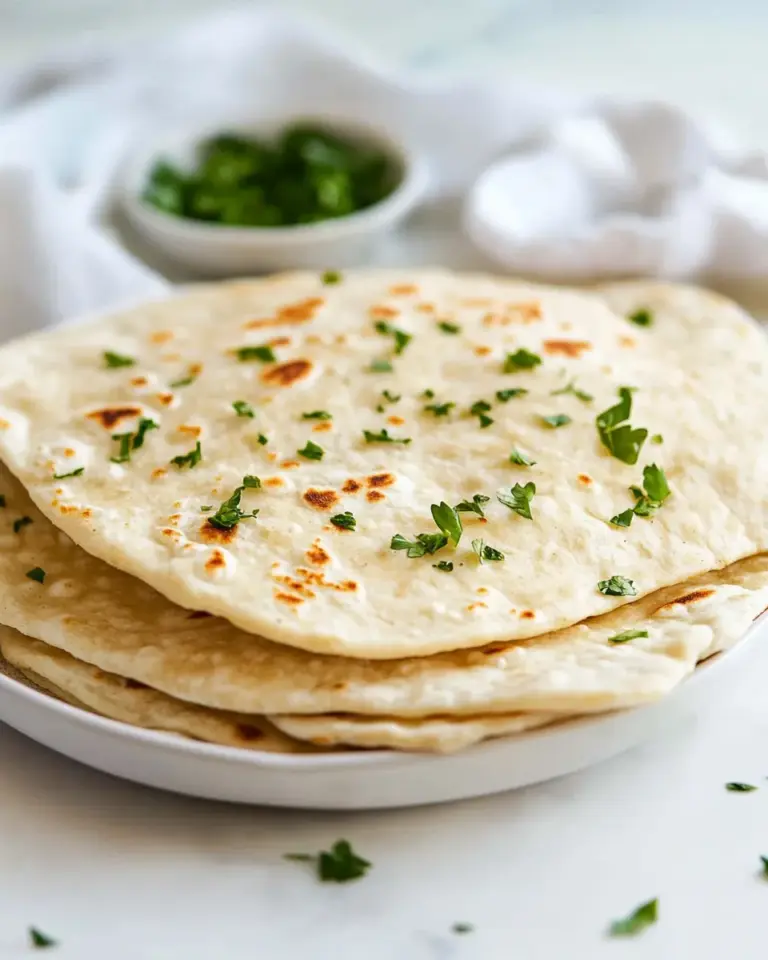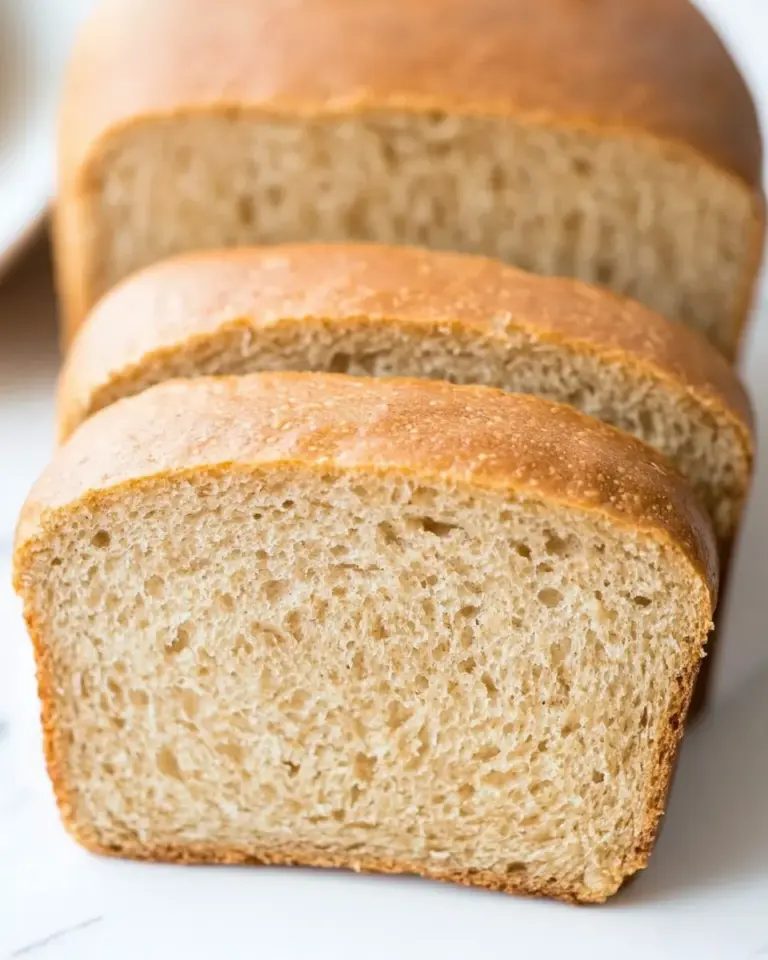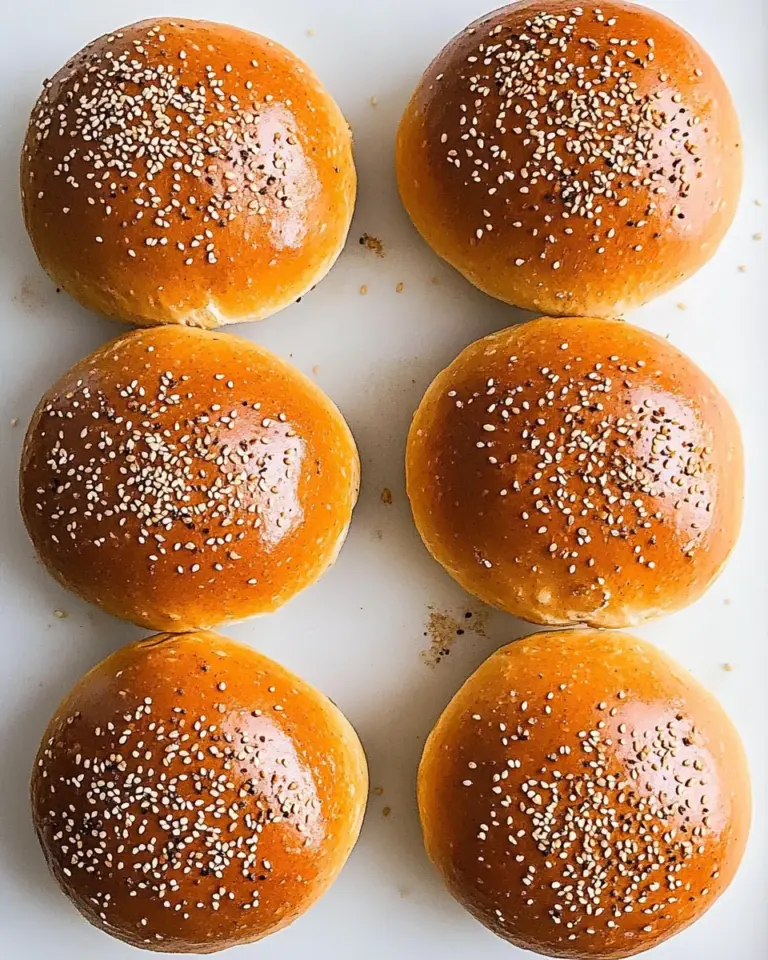
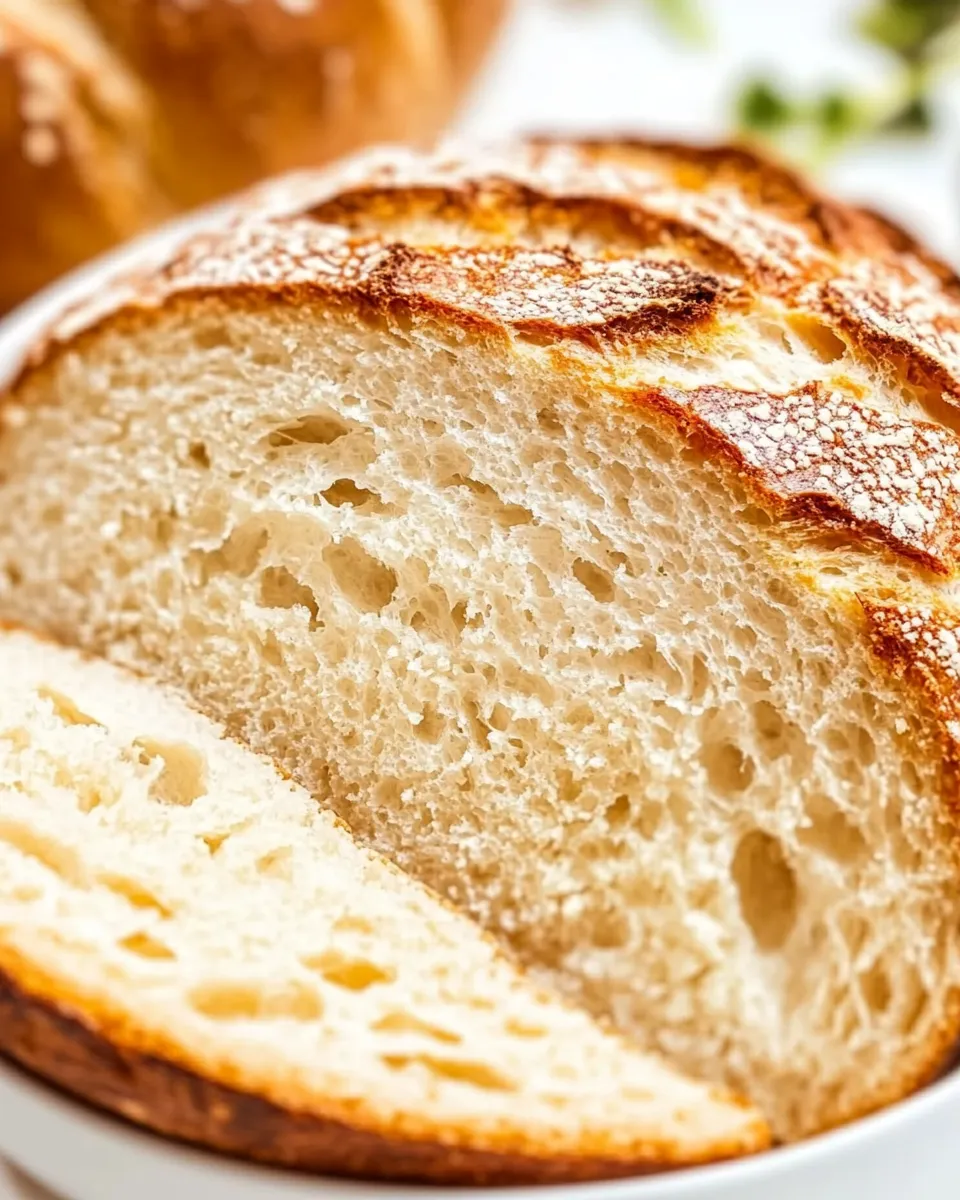
This protein bread is one of those dependable recipes I reach for when I want a slice that’s high in protein, low in carbs, and actually holds together. It’s not fussy: the structure comes from whipped egg whites, and a few carefully chosen dry ingredients give it chew, lift, and a pleasant crumb. You don’t need elaborate techniques—just a mixer and a gentle hand.
I developed this version because so many high-protein breads end up rubbery or dense. By whipping the egg whites to stiff peaks and folding the dry mix in gently, you capture air and bake a loaf that’s light but sturdy. It toasts well, slices cleanly, and works with savory toppings or a smear of nut butter.
Below I walk you through the exact ingredient list and the directions step by step, then share substitutions, common mistakes, storage tips, and quick Q&A so you can bake with confidence. Let’s get practical and get baking.
What’s in the Bowl
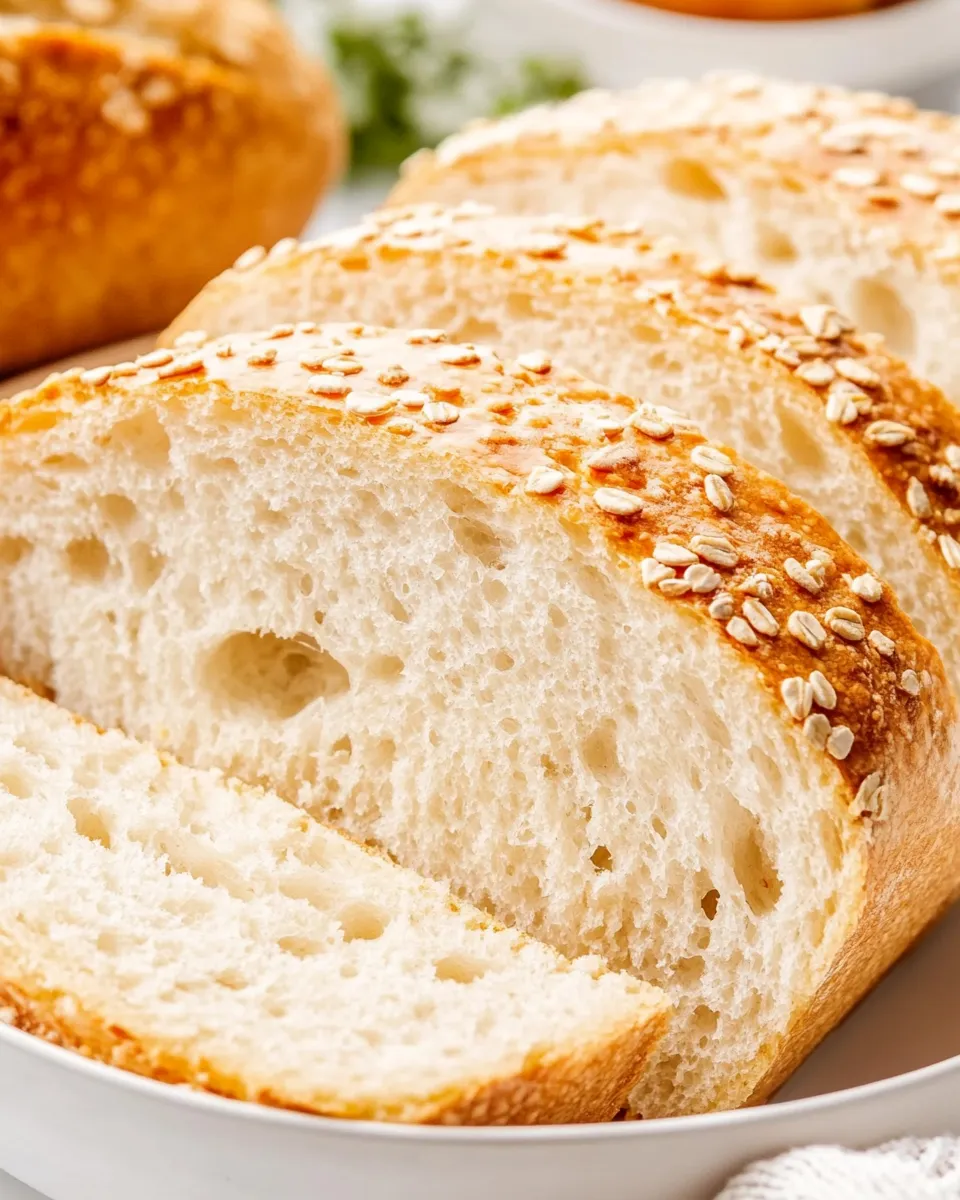
- 10 large egg whites — the main lift and structure; whisked to stiff peaks they trap air that makes the loaf light.
- 1/4 teaspoon salt — balances flavor and helps season the egg whites.
- 1 cup whey protein powder (unflavored) — provides protein and helps absorb moisture for the crumb.
- 1/2 cup almond flour — adds fat, texture, and a tender crumb without gluten.
- 1 tablespoon psyllium husk powder — a binder that holds the loaf together and gives a bread-like chew.
- 2 teaspoons baking powder — a little extra lift and helps the loaf rise evenly in the oven.
Directions: Protein Bread
- Preheat the oven to 160°C (325°F). Line a loaf pan with parchment paper and set aside.
- In a large, clean, dry bowl combine 10 large egg whites and 1/4 teaspoon salt. Using a hand mixer or stand mixer with the whisk attachment, beat on medium‑high until stiff peaks form (about 5–7 minutes).
- In a separate bowl, whisk together 1 cup whey protein powder (unflavored), 1/2 cup almond flour, 1 tablespoon psyllium husk powder, and 2 teaspoons baking powder until evenly combined.
- Add the dry mixture to the whipped egg whites in three additions. Gently fold each addition in with a spatula until just incorporated—do not overmix, to preserve the air in the egg whites.
- Transfer the batter to the prepared loaf pan and smooth the top with a spatula so the surface is even.
- Bake in the preheated oven for 30 minutes.
- After 30 minutes, turn the oven off and crack the oven door open about 1–2 inches to allow the loaf to cool slowly; leave the loaf in the oven for another 30 minutes.
- Remove the loaf from the oven, lift it from the pan using the parchment paper, place it on a wire rack, and let it cool briefly before slicing and serving.
Why Cooks Rave About It
This loaf hits a sweet spot: high protein, low carbs, and a texture that’s approachable. Because the egg whites are whipped to stiff peaks, the bread achieves volume without relying on gluten. That makes it useful for people avoiding wheat or those prioritizing protein intake for recovery or satiety.
It’s forgiving once you know the rhythm: whip the whites, combine the dry mix, fold gently, and follow the bake-and-rest routine. The slow cool step is critical—it prevents the loaf from collapsing and allows steam to redistribute so slices don’t go gummy. The result is a loaf that toasts well and holds toppings without falling apart.
Smart Substitutions
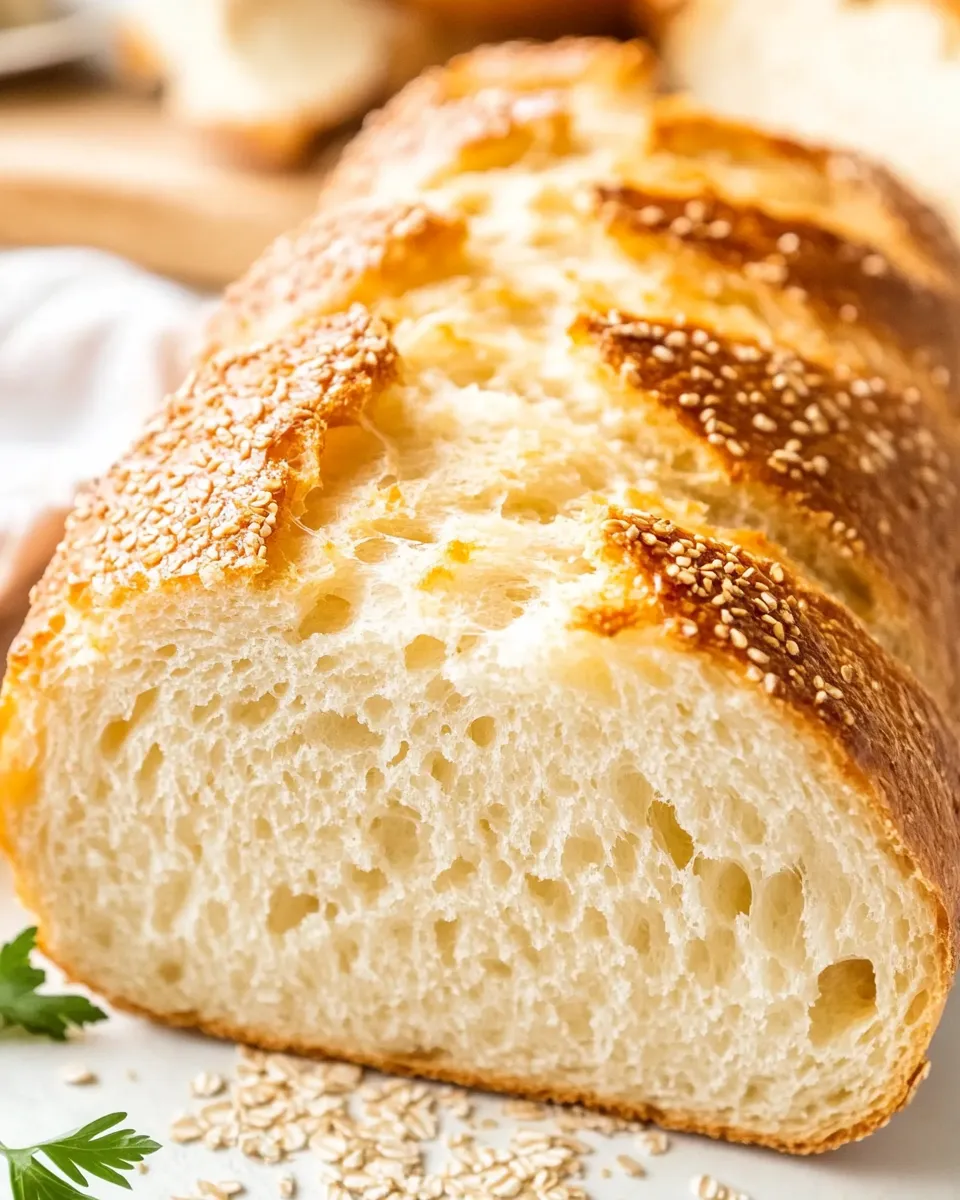
If you need to swap an ingredient, keep these practical notes in mind rather than exact measurement changes:
- Egg whites — you can use pasteurized liquid egg whites from a carton if you prefer convenience; measure by volume to equal about 10 large whites.
- Whey protein powder — choose unflavored whey as the recipe intends; if you only have flavored whey, expect a slightly different finished taste.
- Almond flour — other nut flours will behave similarly, but textures vary. Finely ground nut flours are best for an even crumb.
- Psyllium husk powder — it’s the primary binder here. If you omit it, the loaf will be looser and may fall apart; alternative binders will change texture significantly.
- Baking powder — helps with rise; if you omit it, the loaf will be denser.
What You’ll Need (Gear)
- Stand mixer with whisk attachment or hand mixer — to whip the egg whites to stiff peaks.
- Large, clean, dry mixing bowl — any grease or yolk will prevent egg whites from whipping properly.
- Separate bowl for dry ingredients — for thorough whisking and even distribution.
- Rubber spatula — gentle folding matters more than speed.
- Loaf pan (standard 8½ x 4½ inch or similar) lined with parchment — makes lifting the loaf easy.
- Wire rack — for cooling to prevent sogginess on the bottom.
Mistakes Even Pros Make
Two things will most commonly derail this bread: under-whipped whites and overfolding. If the whites are not at stiff peaks, the batter lacks the trapped air that drives rise; you’ll end up with a dense loaf. Conversely, folding too aggressively knocks out that air and produces the same result. Fold gently and stop once the streaks disappear.
Another frequent error: rushing the cooling step. Turning the oven off and letting the loaf cool inside for 30 minutes prevents a sudden temperature drop that causes collapse. Skipping that rest often results in a deflated, dense center.
Make It Fit Your Plan
Want this loaf to match a plan—keto, low carb, or higher-protein maintenance? Keep the core proportions and focus on serving size. Each slice is protein-forward, so adjust portioning to your macro goals. Use the loaf as a base for savory breakfasts, open-faced sandwiches, or paired with soups for higher satiety without a large carb load.
If you track nutrition closely, slice thin for lower-calorie servings or thicker for a protein-packed snack. Top with egg, avocado, smoked salmon, or a thin spread of nut butter depending on whether you need more fat or more lean protein.
Pro Tips & Notes
Timing and texture
Whipping time varies by mixer. Expect about 5–7 minutes with a stand mixer at medium-high. Look for glossy, stiff peaks that hold shape. If the peaks droop, continue whipping a little longer. The dry mixture should be fully incorporated but not whipped into the whites—stop folding the moment the batter looks uniform.
Mixing technique
Fold in three additions. Adding dry mix all at once makes it harder to preserve air; small additions distribute more evenly and protect volume. Use a large spatula, scoop down the side and fold over, rotate the bowl as you go.
Baking and cooling
Bake at the stated temperature for the time given. After 30 minutes, turn the oven off and crack the door to cool slowly for 30 minutes more—this step stabilizes the loaf. Remove from the pan using the parchment sling, then cool briefly on a wire rack before slicing. For clean slices, a serrated knife and gentle sawing motion work best.
Best Ways to Store
Keep this loaf wrapped tightly or in an airtight container. At room temperature it will keep well for 2 days. For longer storage, refrigerate for up to 5 days. To extend shelf life, slice and freeze in individual portions with parchment between slices so you can grab what you need. Toast or briefly warm frozen slices for the best texture.
Quick Q&A
Can I use whole eggs instead of egg whites? The structure depends on whipped whites; whole eggs will change volume and texture. This recipe is designed around whites only.
Will the loaf work with flavored whey powder? Yes, but the flavor will come through. Unflavored whey keeps the loaf neutral and versatile.
Can I double the recipe? Yes. Whip whites in a large enough bowl or in batches if needed. Maintain the same technique: stiff peaks, three additions of dry mix, gentle folding, and the same baking and cooling routine.
Why no oil or butter? The combination of almond flour and whipped egg whites creates the desired crumb and moisture. Adding fats will change the texture and may weigh the loaf down.
Ready to Cook?
This is a simple, reliable loaf when you follow the steps: whip clean, fold gentle, bake, and rest. The recipe produces a protein-forward bread that slices, toasts, and holds toppings without crumbling. Prep time is short, equipment is minimal, and the technique is repeatable.
When you’re ready, preheat to 160°C (325°F), line your pan, and start whipping. Take it slow with the folding, and give the loaf the slow cool it needs. You’ll end up with a practical, versatile bread you can use any time you want more protein at the table.

Protein Bread Recipe
Ingredients
Ingredients
- 10 largeegg whites
- 1/4 teaspoonsalt
- 1 cupwhey protein powderunflavored
- 1/2 cupalmond flour
- 1 tablespoonpsyllium husk powder
- 2 teaspoonsbaking powder
Instructions
Instructions
- Preheat the oven to 160°C (325°F). Line a loaf pan with parchment paper and set aside.
- In a large, clean, dry bowl combine 10 large egg whites and 1/4 teaspoon salt. Using a hand mixer or stand mixer with the whisk attachment, beat on medium‑high until stiff peaks form (about 5–7 minutes).
- In a separate bowl, whisk together 1 cup whey protein powder (unflavored), 1/2 cup almond flour, 1 tablespoon psyllium husk powder, and 2 teaspoons baking powder until evenly combined.
- Add the dry mixture to the whipped egg whites in three additions. Gently fold each addition in with a spatula until just incorporated—do not overmix, to preserve the air in the egg whites.
- Transfer the batter to the prepared loaf pan and smooth the top with a spatula so the surface is even.
- Bake in the preheated oven for 30 minutes.
- After 30 minutes, turn the oven off and crack the oven door open about 1–2 inches to allow the loaf to cool slowly; leave the loaf in the oven for another 30 minutes.
- Remove the loaf from the oven, lift it from the pan using the parchment paper, place it on a wire rack, and let it cool briefly before slicing and serving.
Equipment
- Oven
- Loaf Pan
- Parchment Paper
- Mixing bowls
- hand mixer or stand mixer with whisk attachment
- Spatula
- Wire Rack
Notes
Ideal loaf pan: I find an 8 x 4-inch loaf pan works best to achieve a good rise and texture.
Storage: Store leftovers in an airtight container in the refrigerator for up to one week.