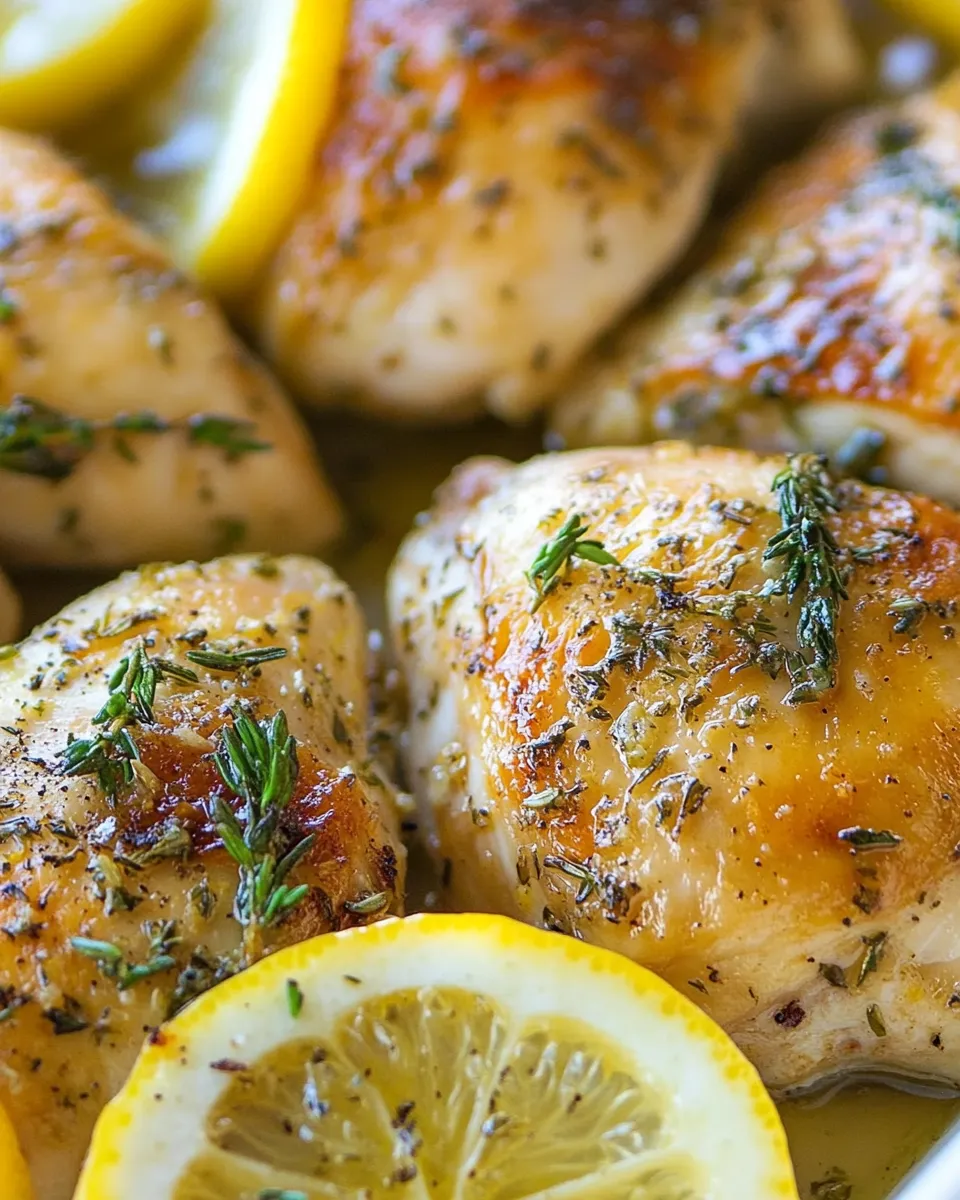
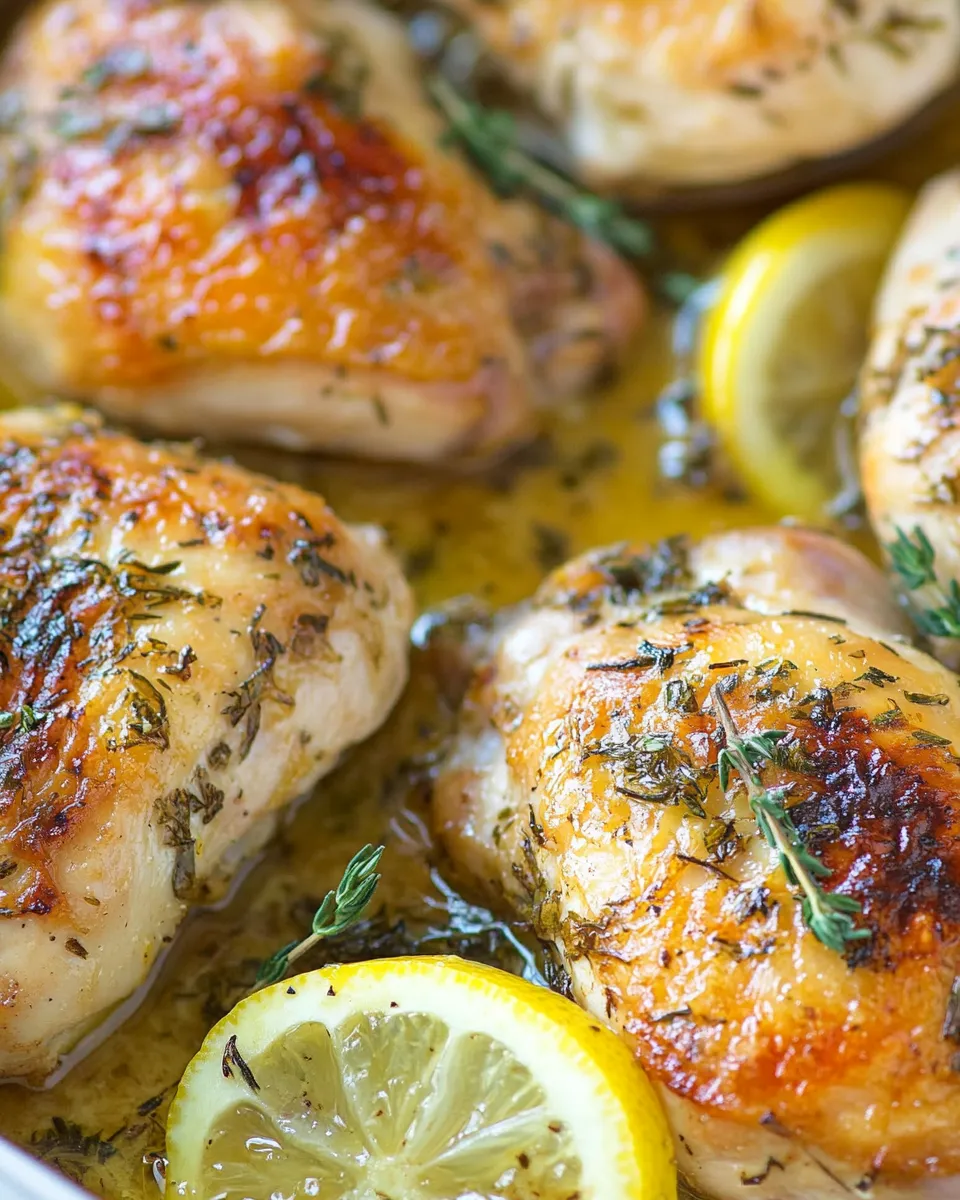
There are dinners that take effort and dinners that simply require good technique. This one sits firmly in the second camp: straightforward steps, bold flavor, and a reliably juicy result. You’ll get golden seared chicken thighs, sweet roasted garlic, bright lemon, and an herb-sparked pan sauce without fuss.
I cook this when I want something impressive that still leaves time to set the table, pour a glass of wine, and breathe. The method is pragmatic — sear for color, remove excess oil, roast to temperature — and it rewards you with crisp edges and tender meat. No marinades that take hours. No complicated basting schedules.
Read through once, prep the few components, then follow the order. The technique is forgiving, and the flavors are classic: garlic, lemon, and fresh poultry herbs. If you like to know exactly what each ingredient does and why you’re doing each step, I’ll explain that along the way.
What’s in the Bowl
Ingredients
- 6 chicken thighs — dark meat stays moist under high heat; bone-in and skin-on is preferred for flavor and crisping.
- 6 cloves garlic, sliced into halves — rubbed over the meat for subtle garlic flavor and roasted in the pan for sweet, spreadable bites.
- Salt and freshly ground black pepper — basic seasoning; salt is the single most important flavor booster here.
- 1 Tbsp vegetable oil — for searing; neutral oil with a high smoke point helps brown the skin without burning.
- 2 lemons, divided — one thinly sliced into rounds for roasting, the other cut into wedges for serving and brightening the finished dish.
- 1 Tbsp chopped fresh poultry herbs, plus more for serving (such as rosemary, thyme, marjoram, oregano or sage. I recommend using a blend of two or three) — fresh herbs layered on top of the thighs before roasting infuse aroma and finish the dish visually.
Method: Roasted Lemon Garlic Herb Chicken
- Preheat the oven to 400°F (200°C).
- Prep the garlic and lemons: slice the 6 garlic cloves in half lengthwise and set the garlic halves aside. Thinly slice 1 of the lemons into rounds and cut the remaining lemon into wedges for serving.
- Rub the cut (flat) side of a garlic half over both sides of each chicken thigh, then set the used garlic halves aside for the pan. Season both sides of each thigh with salt and freshly ground black pepper.
- Heat 1 tablespoon vegetable oil in a 12-inch oven-safe skillet over medium-high heat until shimmering. Add the chicken thighs to the skillet in a single layer (skin-side down if skin is present). Cook until the bottoms are golden brown, about 8 minutes total, draining off rendered fat once about halfway through cooking. (Use a splatter screen if desired.)
- Transfer the seared chicken to a plate. Carefully pour off the majority of the oil from the pan, leaving about 1 teaspoon to coat the pan.
- Add the reserved garlic halves and the lemon slices to the skillet, spreading them in an even layer. Return the chicken thighs to the skillet, set on top of the garlic and lemon, and sprinkle the 1 tablespoon chopped fresh poultry herbs evenly over the chicken.
- Bake the skillet in the preheated oven until the center of the thickest thigh registers 170°F on an instant-read thermometer, about 18–20 minutes.
- Remove the skillet from the oven. Transfer the chicken to a serving platter, slice the roasted garlic halves, spoon any pan juices and sliced garlic over the chicken, garnish with additional fresh herbs to taste, and serve with the lemon wedges for squeezing.
Why You’ll Love This Recipe
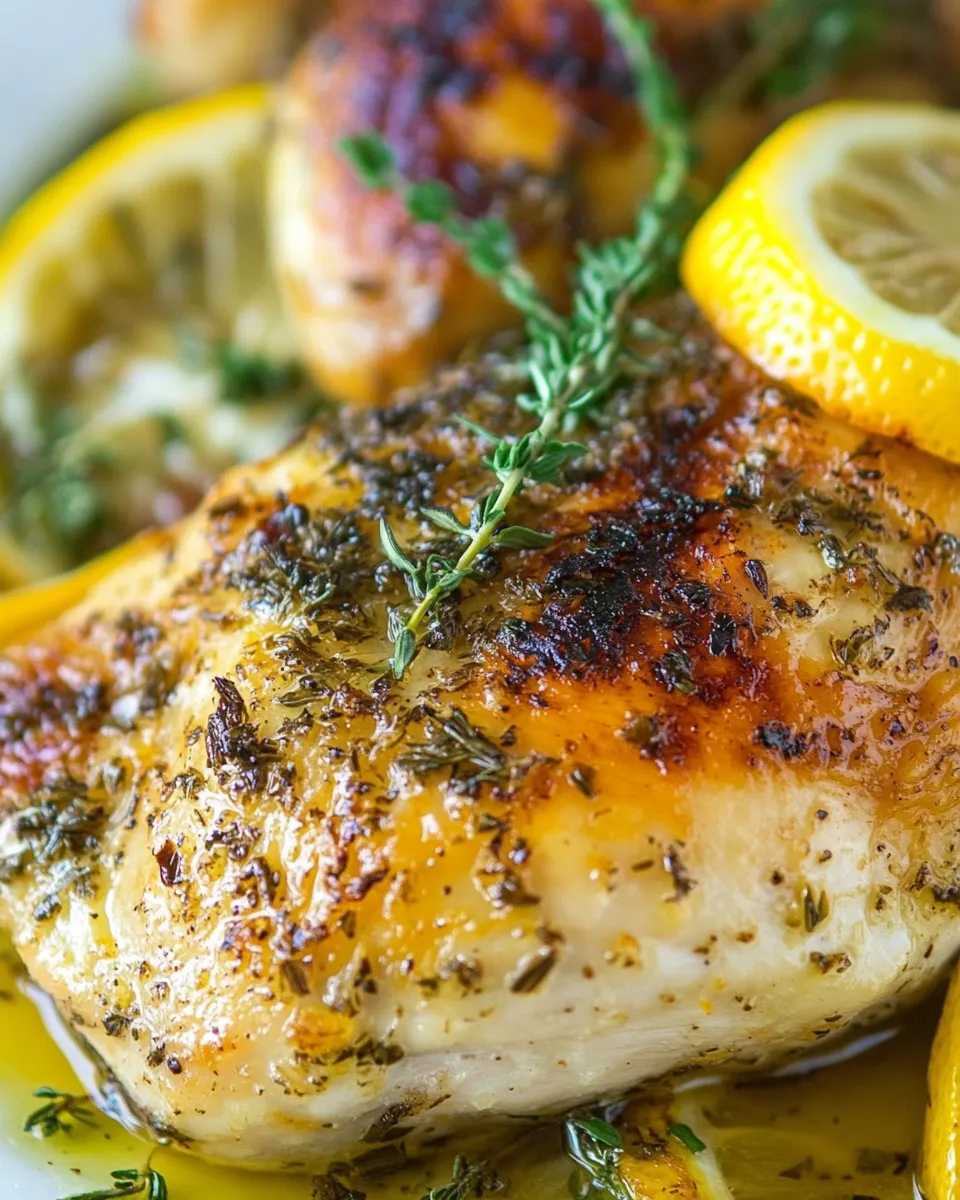
This is a weeknight hero and a weekend show-off in one. It gives you restaurant-level crust and a juicy interior without constant attention. The sear creates texture and color; the short roast finishes the cook without drying the thighs out. Roasting the garlic and lemon in the same pan builds simple, concentrated flavor that’s spooned right back over the meat.
It’s also flexible in timing. If you need it on the table faster, start the sear and let the residual heat do more work—but keep the thermometer handy. If you want it even crisper, give the thighs a few extra minutes under the broiler at the end, watching closely. And the bright lemon wedges mean the dish never feels heavy; a squeeze lifts everything.
Ingredient Flex Options
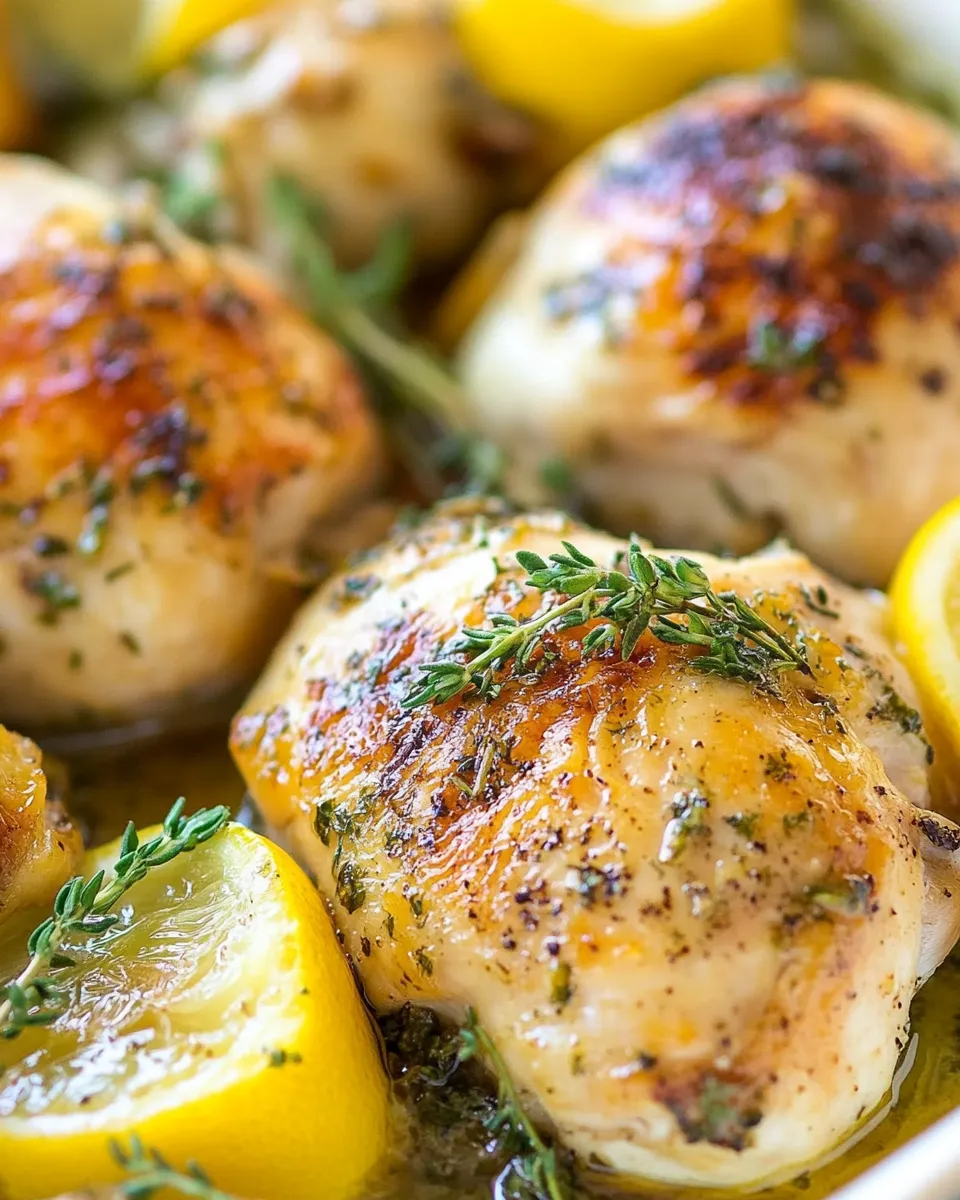
Sticking to the ingredient list yields the intended balance, but small, sensible swaps work well.
- Chicken thighs: bone-in, skin-on is best. If you prefer boneless or skinless thighs, reduce oven time slightly and watch for doneness.
- Vegetable oil: substitute light olive oil or another neutral oil if you prefer; avoid extra-virgin olive oil for the sear because of its lower smoke point.
- Poultry herbs: the recipe suggests a blend. If you only have one herb on hand, use thyme for classic flavor or rosemary for a punchier aroma.
- Lemons: Meyer lemons will be sweeter and milder. If you only have limes, expect a different citrus profile but still pleasant.
Equipment & Tools
Keep this minimal. You don’t need fancy gear to make great roast chicken.
- 12-inch oven-safe skillet — cast iron or stainless steel works great for searing and baking straight to the oven.
- Instant-read thermometer — the most reliable way to avoid overcooking; aim for 170°F in the thickest thigh.
- Sharp knife and cutting board — for the garlic and lemon prep.
- Splatter screen (optional) — handy at the searing stage to keep your stovetop tidy.
What Not to Do
Don’t rush the sear. That eight-minute period creates color and flavor you’ll miss if you move the thighs too often. Also, don’t leave all the rendered fat in the pan: pour most of it off as directed. Too much fat can lead to smoking and a greasy final dish rather than a nicely balanced pan sauce.
Don’t skip the thermometer. Time is a guideline; thickness varies and oven temps have quirks. Remove the chicken when the thermometer reads 170°F in the center of the thickest thigh. Letting it sit off heat for a few minutes before serving helps the juices redistribute.
Year-Round Variations
Spring: Add a handful of halved spring new potatoes to the pan before roasting. They’ll cook through and soak up the lemon-garlic pan juices. Use fresh thyme and a touch more lemon zest.
Summer: Toss in cherry tomatoes around the thighs for the last 8–10 minutes of roasting. They blister and release bright juices that mingle with the herbs.
Fall/Winter: Swap lemon for a few slices of orange for a warmer citrus note, and include a sprig or two of sage or marjoram on top of each thigh. Add a couple of peeled carrots to the pan to roast alongside for a heartier plate.
Behind-the-Scenes Notes
I learned this pattern from chefs who insist on the sear-first approach for any roast-on-the-bone protein. You get Maillard flavor from the yanked-off bits that would be lost in an all-roast method. Pouring off most of the fat before adding the acid and aromatics prevents scorching and helps the garlic and lemon roast to sweet, slightly caramelized edges.
The trick of rubbing garlic halves over the meat does two things: it seasons the surface and leaves the used garlic in the pan where it can roast and be spooned back over the chicken. Those roasted garlic halves soften and become almost like a paste that coats each bite.
Store, Freeze & Reheat
Refrigerate: Cool the chicken to room temperature, then store in an airtight container for up to 3–4 days. Keep the pan juices separate if possible so you can reheat more gently.
Freeze: You can freeze roasted thighs for up to 2 months. Wrap tightly in foil and place in a freezer-safe bag or container. Thaw overnight in the fridge before reheating.
Reheat: For best texture, reheat in a 350°F (175°C) oven on a baking sheet for 12–15 minutes, basting once with the reserved pan juices. Alternatively, reheat gently on the stovetop in a covered skillet with a splash of broth or water, finishing uncovered to crisp the skin.
Quick Q&A
Q: Can I use breasts instead of thighs?
A: You can, but breasts will cook faster and risk drying. Reduce oven time and pull when the internal temperature reaches 160–162°F, then rest to bring it up slightly.
Q: My lemons burned in the pan. What happened?
A: If the pan is too hot when you add citrus, those thin slices can brown quickly. Pour off most of the oil as directed, then spread the lemon slices in a single layer. If your skillet runs hot, lower the oven rack slightly or tent the pan with foil for the last few minutes.
Q: Can I skip rubbing the garlic on the meat?
A: You can, but you’ll miss a subtle layer of flavor. The garlic halves offer two roles: seasoning the skin and roasting into a spreadable index of flavor to spoon back over the thighs.
Let’s Eat
Bring the platter to the table and let everyone squeeze lemon over their piece. Spoon a little of the roasted garlic and pan juices across the top. A simple green salad or roasted vegetables and a crusty loaf make fine companions. This dish shines on its own, but it plays well with sides that can soak up the juices.
Serve hot, serve confidently, and enjoy the way simple technique transforms basic ingredients into something you’ll happily make again. If you try a variation, note the timing changes for different cuts or added vegetables; otherwise, keep this method close — it’s my dependable, delicious weeknight roast.
Roasted Lemon Garlic Herb Chicken
Ingredients
Ingredients
- 6 chicken thighs
- 6 clovesgarlic sliced into halves
- Salt and freshly ground black pepper
- 1 Tbspvegetable oil
- 2 lemons divided
- 1 Tbspchopped fresh poultry herbs plus more for serving (such as rosemary, thyme, marjoram, oregano or sage. I recommend using a blend of two or three)
Instructions
Instructions
- Preheat the oven to 400°F (200°C).
- Prep the garlic and lemons: slice the 6 garlic cloves in half lengthwise and set the garlic halves aside. Thinly slice 1 of the lemons into rounds and cut the remaining lemon into wedges for serving.
- Rub the cut (flat) side of a garlic half over both sides of each chicken thigh, then set the used garlic halves aside for the pan. Season both sides of each thigh with salt and freshly ground black pepper.
- Heat 1 tablespoon vegetable oil in a 12-inch oven-safe skillet over medium-high heat until shimmering. Add the chicken thighs to the skillet in a single layer (skin-side down if skin is present). Cook until the bottoms are golden brown, about 8 minutes total, draining off rendered fat once about halfway through cooking. (Use a splatter screen if desired.)
- Transfer the seared chicken to a plate. Carefully pour off the majority of the oil from the pan, leaving about 1 teaspoon to coat the pan.
- Add the reserved garlic halves and the lemon slices to the skillet, spreading them in an even layer. Return the chicken thighs to the skillet, set on top of the garlic and lemon, and sprinkle the 1 tablespoon chopped fresh poultry herbs evenly over the chicken.
- Bake the skillet in the preheated oven until the center of the thickest thigh registers 170°F on an instant-read thermometer, about 18–20 minutes.
- Remove the skillet from the oven. Transfer the chicken to a serving platter, slice the roasted garlic halves, spoon any pan juices and sliced garlic over the chicken, garnish with additional fresh herbs to taste, and serve with the lemon wedges for squeezing.
Equipment
- 12-inch oven-safe skillet
- Instant-read thermometer
- splatter screen (optional)