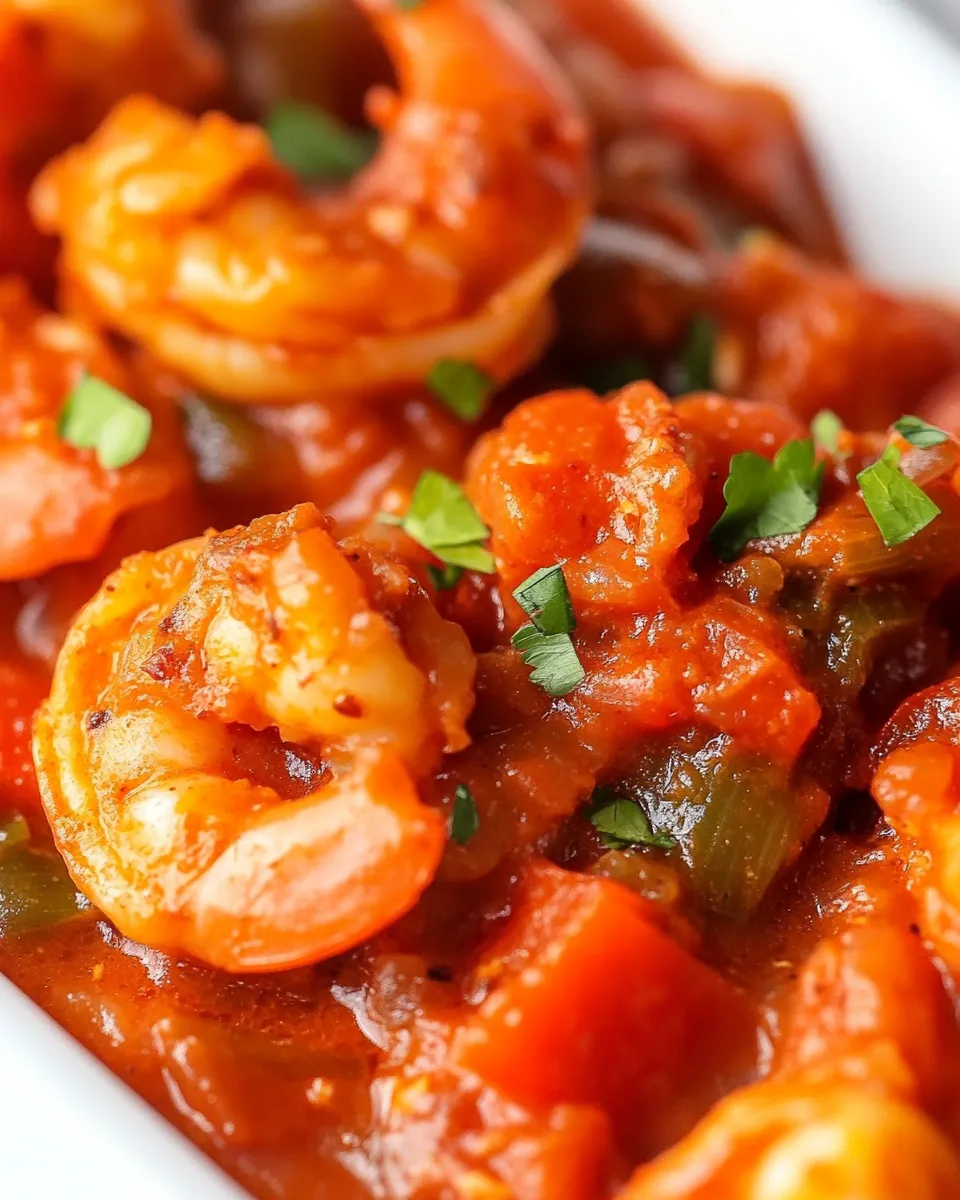
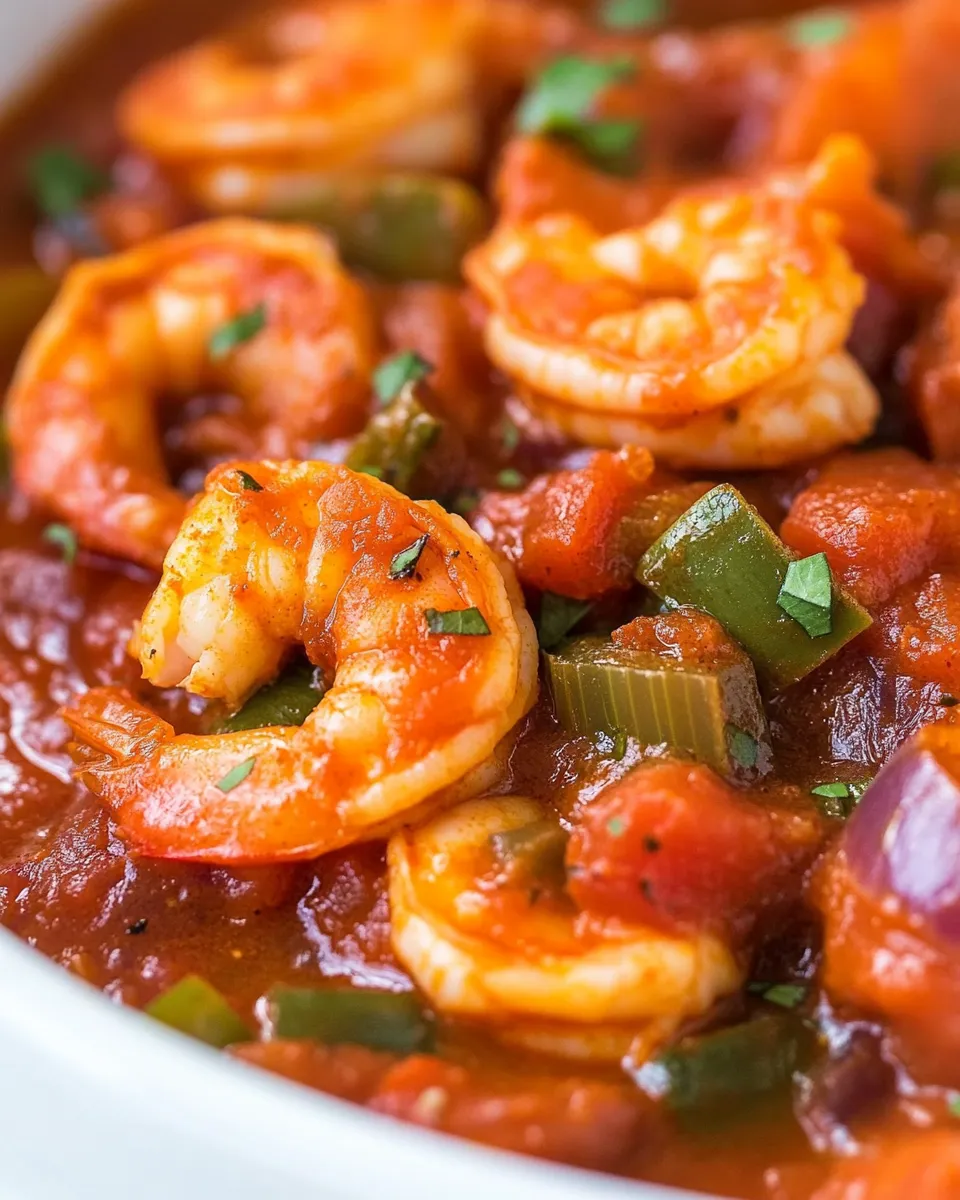
I love a pot of Shrimp Creole because it’s one of those meals that welcomes you in the moment you start chopping. There’s a rhythm to sautéing the holy trinity of onion, bell pepper and celery, stirring in tomato and spices, then finishing with tender shrimp. It’s fast enough for a weeknight and bold enough to serve company on a lazy weekend.
This version follows a straightforward, reliable process: build a simmered, seasoned tomato sauce, let it deepen, then add shrimp and finish. The result is a bright, savory sauce with gentle heat and the clean sweetness of shrimp. No fuss. Big flavor.
I’ll walk you through the ingredients and the exact steps, then cover tools, common mistakes, tweaks for dietary needs, and storage. If you want a dependable Shrimp Creole that comes together without drama, you’re in the right place.
Ingredients at a Glance
- 2 tablespoons vegetable oil — the cooking fat; heats quickly and gives a neutral backdrop for the aromatics.
- 1 medium sweet onion, diced — forms the aromatic base and adds natural sweetness to balance the tomatoes.
- 5 cloves garlic, minced — adds a savory punch; add toward the end of the sauté so it doesn’t burn.
- 1 green bell pepper, diced — provides freshness, texture, and color.
- 1 red bell pepper, diced — for color contrast and a touch of sweetness.
- 1 celery stalk, diced — part of the Creole “trinity” for structure and mild bitterness.
- 1 tablespoon tomato paste — concentrates tomato flavor and helps thicken the sauce.
- 2 cans (14.5 oz each) stewed tomatoes — the body of the sauce; use the cans as listed for consistency.
- 1 can (8 oz) tomato sauce — smooths the texture and carries the seasonings.
- 1 tablespoon Worcestershire sauce (optional) — umami depth if you choose to include it.
- 2 tablespoons hot sauce (or to taste) — primary heat source; start with the amount listed and adjust after cooking.
- 1 tablespoon Creole seasoning (or Cajun seasoning) — the signature spice blend; it seasons the whole sauce.
- 1/4 teaspoon dried thyme — subtle herbal note in the background.
- 1/2 teaspoon salt (or to taste) — seasons the dish; add more at the end if needed.
- 1/4 teaspoon ground black pepper (or to taste) — builds savory complexity.
- 1/4 teaspoon red pepper flakes (optional) — extra heat if you want it spicier.
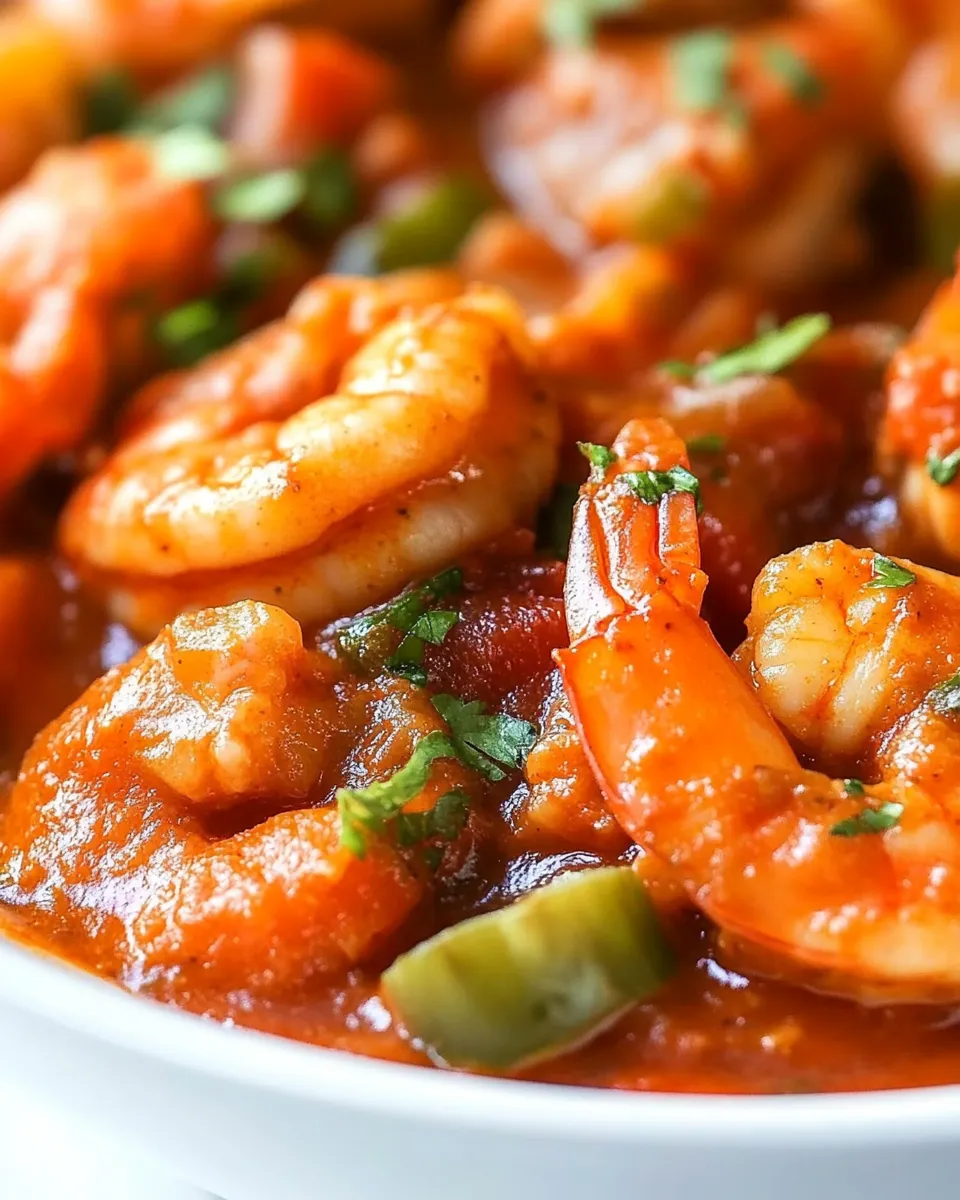
- 2 pounds shrimp, peeled and deveined — the star protein; add last so they remain tender and opaque when cooked.
Cooking (Shrimp Creole): The Process
- Place a large cast-iron pan or Dutch oven over medium-high heat. Add 2 tablespoons vegetable oil and heat until shimmering.
- Add 1 medium sweet onion (diced) and 5 cloves garlic (minced). Stir and cook about 1 minute, until fragrant.
- Add 1 green bell pepper (diced), 1 red bell pepper (diced), and 1 celery stalk (diced). Stir and cook 3–4 minutes, until the peppers and celery begin to soften.
- Add 1 tablespoon tomato paste, 2 cans (14.5 oz each) stewed tomatoes, and 1 can (8 oz) tomato sauce. Stir to combine.
- Add 2 tablespoons hot sauce (or to taste) and 1 tablespoon Worcestershire sauce (optional). Stir to combine.
- Add 1 tablespoon Creole seasoning (or Cajun seasoning), 1/4 teaspoon dried thyme, 1/2 teaspoon salt (or to taste), and 1/4 teaspoon ground black pepper (or to taste). Add 1/4 teaspoon red pepper flakes (optional) for extra heat. Stir to combine.
- Reduce heat to medium-low and simmer the sauce, stirring occasionally, for 20–30 minutes to develop flavor and thicken slightly.
- Add 2 pounds shrimp (peeled and deveined) to the simmering sauce. Stir gently and cook 7–10 minutes, until the shrimp are opaque and cooked through.
- Taste the sauce and adjust seasoning with additional salt, pepper, or hot sauce if needed. Remove from heat and serve immediately.
Why This Recipe Belongs in Your Rotation
Shrimp Creole is fast, forgiving, and dependable. You build flavor in stages—onion and garlic, then the trinity of vegetables, then concentrated tomato—so each step is purposeful and easy to follow. The long simmer brings the ingredients together without constant fiddling; a 20–30 minute simmer is hands-off time that rewards patience.
Two other reasons to make this regularly: it scales easily and cleans up cleanly. Use a large Dutch oven or cast-iron pan and you can double or halve the recipe with no drama. The cooking window for shrimp is short, so you avoid overcooking by adding them only at the end. It’s also flexible: serve it over rice, spoon it into crusty bread, or ladle it onto grits.
International Equivalents
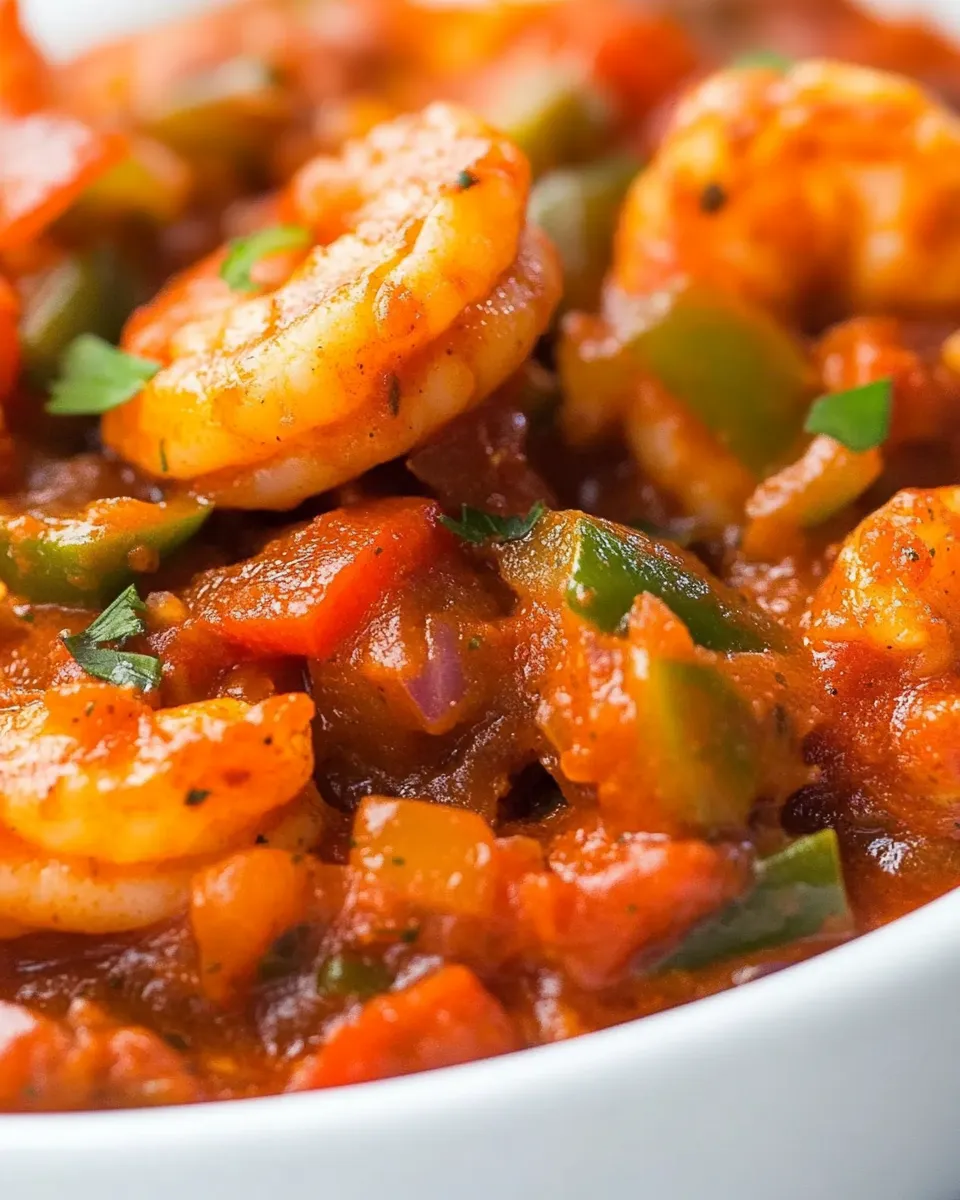
This dish is firmly rooted in Louisiana Creole tradition, but similar tomato-and-seafood stews appear worldwide. Think of versions that pair tomatoes, aromatics, and seafood—each culture adapts it with its own spices and herbs. The core concept is universal: a flavored tomato sauce carrying seafood cooked briefly at the end so it stays tender.
When comparing to international cousins, note the spice profile. Creole leans on Creole/Cajun seasoning and hot sauce rather than heavy curries or coconut milk. If you want more global influence, you can introduce citrus, saffron, or coconut in other versions, but that changes the character significantly.
Toolbox for This Recipe
- Large cast-iron pan or Dutch oven — recommended in the recipe; provides even heat and enough surface for a good sauté.
- Wooden spoon or heatproof spatula — for stirring the sauce and scraping any tomato bits from the bottom.
- Chef’s knife and cutting board — for dicing onion, peppers, and celery cleanly and uniformly.
- Can opener and measuring spoons — to measure seasonings and open the canned tomatoes.
- Slotted spoon or ladle — for serving and for gentle stirring when you add the shrimp.
Mistakes Even Pros Make
Don’t overcook the shrimp. That’s the most common error. Shrimp cook quickly; once they turn opaque, remove from heat. Overcooking makes them rubbery and steals the joy from the dish.
Another slip is skipping the simmer. If you rush and don’t allow the sauce to reduce and meld for 20–30 minutes, flavors remain raw and thin. That simmer is where tomato paste earns its keep and spices bloom.
Lastly, be cautious with heat additions. The recipe calls for 2 tablespoons hot sauce plus optional red pepper flakes. Taste at the end and adjust. It’s easier to add more heat than to remove it.
Tailor It to Your Diet
Low-sodium: use low-sodium canned tomatoes and omit added salt; finish with a small sprinkle of salt only if needed. Fresh herbs and acid (a squeeze of lemon at the end) can amplify flavor without relying on salt.
Gluten-free: this recipe is naturally gluten-free as written; just confirm that your Creole seasoning and Worcestershire sauce (if used) are gluten-free.
Dairy-free and paleo-friendly: the recipe contains no dairy. For paleo, check labels on canned tomatoes and hot sauce if you’re strictly avoiding additives.
Vegetarian option: swap shrimp for firm pieces of tofu or hearty mushrooms and add them toward the end just like the shrimp. The result won’t be shrimp, but the tomato sauce will still sing.
Notes on Ingredients
Use peeled and deveined shrimp for convenience; they cook evenly and the texture is clean. If your shrimp are frozen, thaw them completely and pat dry so they don’t water down the sauce.
Stewed tomatoes create a chunky, rustic sauce; tomato sauce smooths it. Together they give texture and body. If you only have one type, the dish will still work, but the mouthfeel changes.
Creole seasoning is a cornerstone here. If you don’t have a blend on hand, use a mix of paprika, garlic powder, onion powder, cayenne, and black pepper—but keep it measured around the tablespoon called for in the recipe to preserve balance.
Save for Later: Storage Tips
Cool the Shrimp Creole completely before storing. Transfer to an airtight container and refrigerate for up to 3 days. Shrimp is delicate; beyond a few days the texture will decline.
For longer storage, remove the shrimp from the sauce after cooking and freeze the sauce separately. The tomato base freezes well for up to 3 months. Thaw in the refrigerator overnight and reheat gently, then add freshly cooked shrimp or reheat thawed shrimp just until opaque.
Reheat gently on the stove over low heat, stirring occasionally. If the sauce thickened too much in the fridge, loosen it with a splash of water or stock as you warm it.
Handy Q&A
Q: Can I use frozen shrimp?
A: Yes—thaw completely and pat dry before adding. If you add frozen shrimp, they release water and can cool the sauce, so thawing is preferable.
Q: What should I serve with Shrimp Creole?
A: Traditionally you’ll serve it over steamed white rice. Grits, crusty bread, or cauliflower rice (for a low-carb option) also work well.
Q: How spicy is this recipe?
A: The recipe lists 2 tablespoons hot sauce plus optional red pepper flakes. That creates a noticeable but not overwhelming heat for most palates—adjust to taste after cooking.
Q: Can I make this ahead?
A: You can make the sauce ahead and refrigerate or freeze it, then add fresh shrimp when reheating. This preserves the best texture for the shrimp.
Hungry for More?
If you liked this Shrimp Creole, explore other Creole and Cajun recipes: a slow-simmered gumbo, a robust jambalaya, or shrimp and grits. Each shares similar flavor principles—aromatic foundations, layered spices, and a short shrimp-cooking window—that make seafood-forward Southern cooking so satisfying.
Bookmark this page, print the ingredient list, and give the recipe a try on a weeknight when you want something bold and uncomplicated. It’ll reward patience at the simmer and gentle handling when the shrimp go in.
Shrimp Creole Recipe
Ingredients
Ingredients
- 2 tablespoonsvegetable oil
- 1 medium sweet oniondiced
- 5 clovesgarlicminced
- 1 green bell pepperdiced
- 1 red bell pepperdiced
- 1 celery stalkdiced
- 1 tablespoontomato paste
- 2 cans 14.5 oz each stewed tomatoes
- 1 can 8 oz tomato sauce
- 1 tablespoonWorcestershire sauceoptional
- 2 tablespoonshot sauceor to taste
- 1 tablespoonCreole seasoningor Cajun seasoning
- 1/4 teaspoondried thyme
- 1/2 teaspoonsaltor to taste
- 1/4 teaspoonground black pepperor to taste
- 1/4 teaspoonred pepper flakesoptional
- 2 poundsshrimppeeled and deveined
Instructions
Instructions
- Place a large cast-iron pan or Dutch oven over medium-high heat. Add 2 tablespoons vegetable oil and heat until shimmering.
- Add 1 medium sweet onion (diced) and 5 cloves garlic (minced). Stir and cook about 1 minute, until fragrant.
- Add 1 green bell pepper (diced), 1 red bell pepper (diced), and 1 celery stalk (diced). Stir and cook 3–4 minutes, until the peppers and celery begin to soften.
- Add 1 tablespoon tomato paste, 2 cans (14.5 oz each) stewed tomatoes, and 1 can (8 oz) tomato sauce. Stir to combine.
- Add 2 tablespoons hot sauce (or to taste) and 1 tablespoon Worcestershire sauce (optional). Stir to combine.
- Add 1 tablespoon Creole seasoning (or Cajun seasoning), 1/4 teaspoon dried thyme, 1/2 teaspoon salt (or to taste), and 1/4 teaspoon ground black pepper (or to taste). Add 1/4 teaspoon red pepper flakes (optional) for extra heat. Stir to combine.
- Reduce heat to medium-low and simmer the sauce, stirring occasionally, for 20–30 minutes to develop flavor and thicken slightly.
- Add 2 pounds shrimp (peeled and deveined) to the simmering sauce. Stir gently and cook 7–10 minutes, until the shrimp are opaque and cooked through.
- Taste the sauce and adjust seasoning with additional salt, pepper, or hot sauce if needed. Remove from heat and serve immediately.
Equipment
- large cast-iron pan or Dutch oven
Notes
6. Add 1 tablespoon Creole seasoning (or Cajun seasoning), 1/4 teaspoon dried thyme, 1/2 teaspoon salt (or to taste), and 1/4 teaspoon ground black pepper (or to taste). Add 1/4 teaspoon red pepper flakes (optional) for extra heat. Stir to combine.