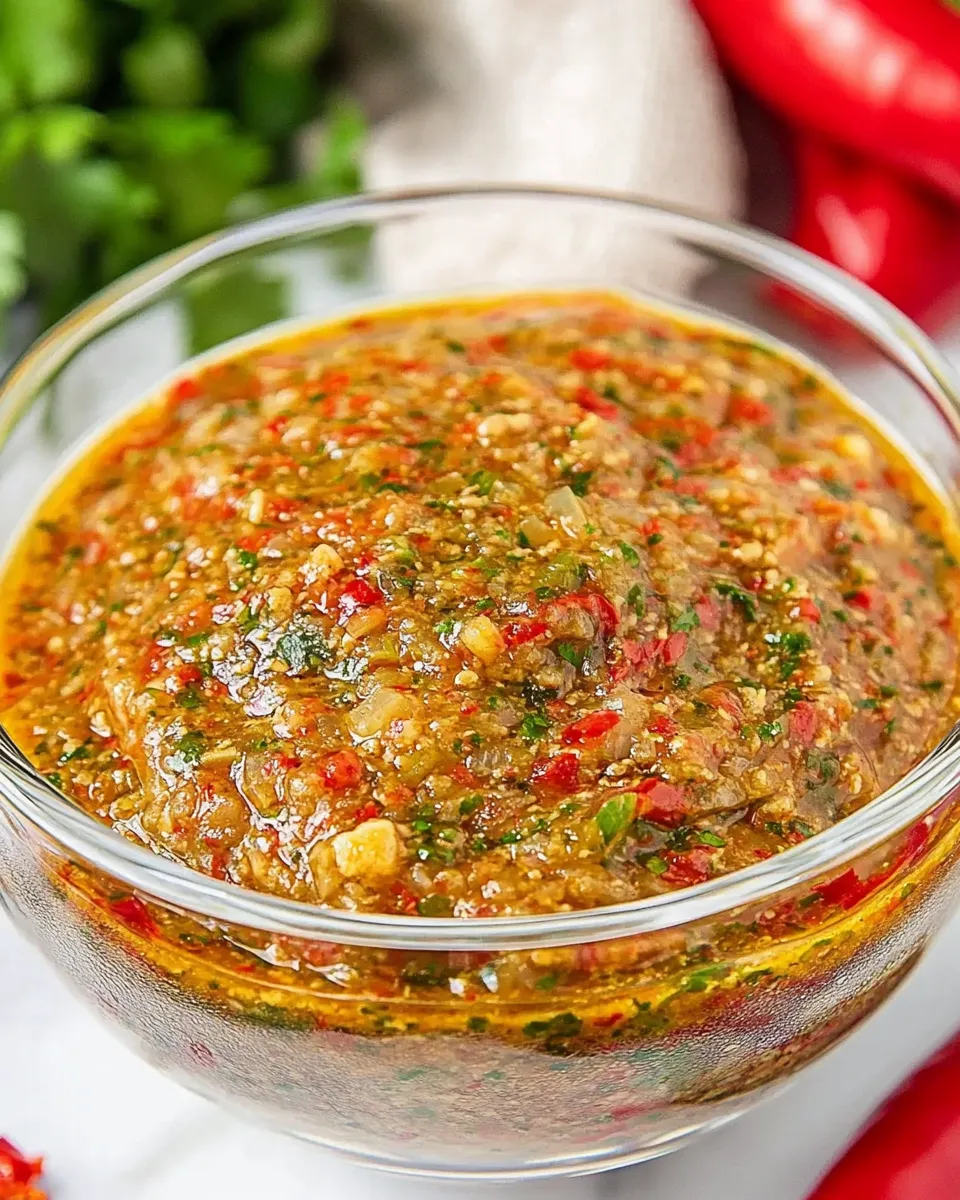
Sofrito is one of those kitchen shortcuts that pays off every time. It’s simple: a blitz of onion, bell peppers, garlic, cilantro and olive oil turned into a bright, aromatic paste that becomes the backbone of soups, stews, rice, beans and marinades. Make a batch and your weeknight dinners will taste like you spent an hour fussing.
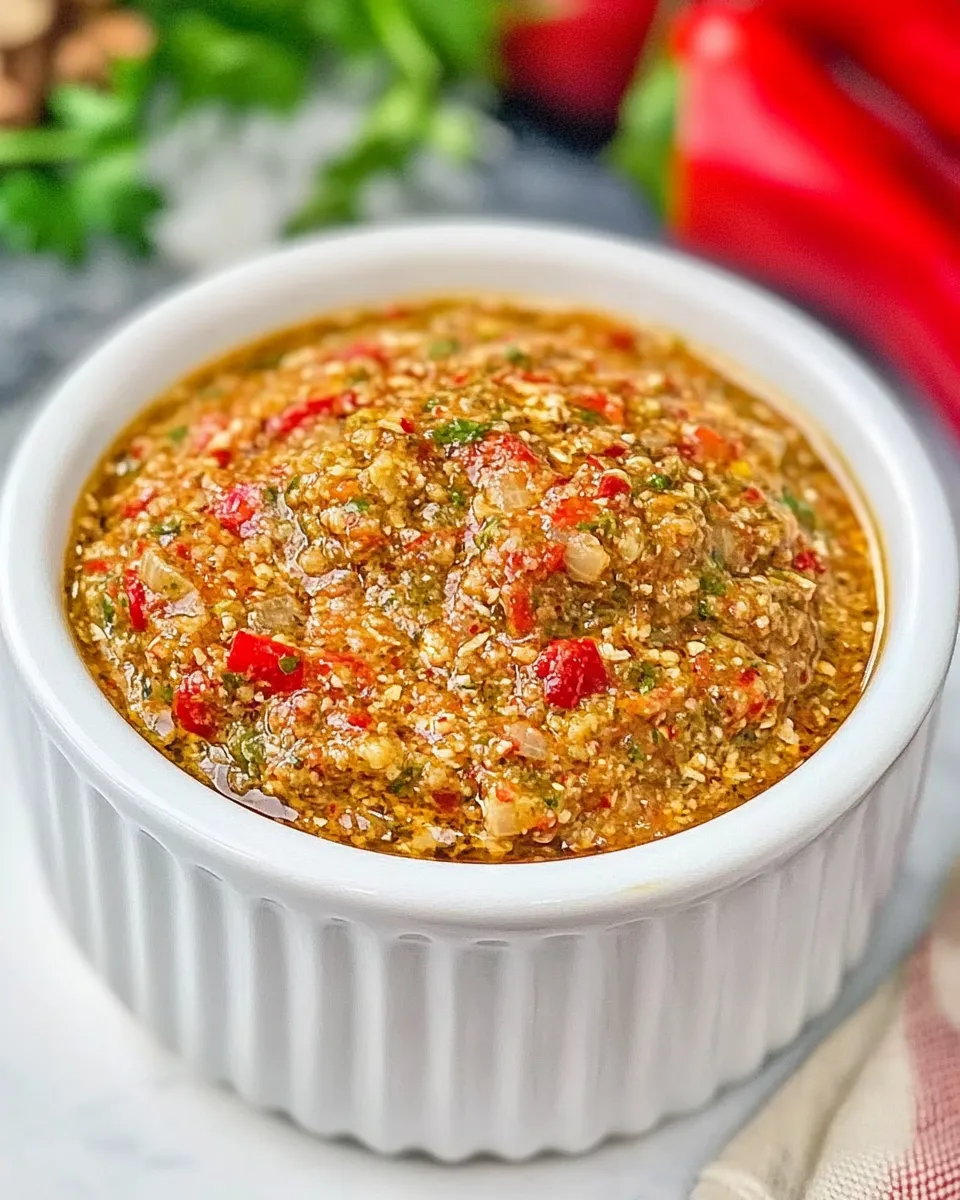
I like this version because it’s honest and fast. No roasting, no sweating, just raw ingredients pulsed to a spreadable texture. That keeps the fresh cilantro and sweet peppers bright, and it gives you a sofrito that mixes easily into wet and dry dishes.
Make as much as you use in a week and freeze the rest in small portions. This post walks through the exact ingredients, how to make it step-by-step, and practical ideas for storage, swaps, troubleshooting and everyday uses. No fluff — just the facts and tips that help you reach a flavorful result fast.
What’s in the Bowl
- 1 large yellow onion, chopped — provides a sweet, savory base; chop so it processes evenly.
- 1 green bell pepper, seeded and chopped — adds freshness and a mild vegetal note; remove seeds to avoid bitterness.
- 1 red bell pepper, seeded and chopped — brings color and sweetness to balance the green pepper.
- 6 cloves garlic, peeled and chopped — concentrated aromatic; chopping first helps it blend without overworking the processor.
- 1 bunch cilantro, roughly chopped — bright herbal lift; rough chop makes pulsing more even.
- 1/4 cup olive oil — binds the mix and helps preserve flavor in the fridge or freezer.
Cook Sofrito Like This
- Place the chopped ingredients into the bowl of a food processor: 1 large yellow onion, 1 green bell pepper (seeded and chopped), 1 red bell pepper (seeded and chopped), 6 cloves garlic (peeled and chopped), and 1 bunch cilantro (roughly chopped).
- Add 1/4 cup olive oil to the food processor.
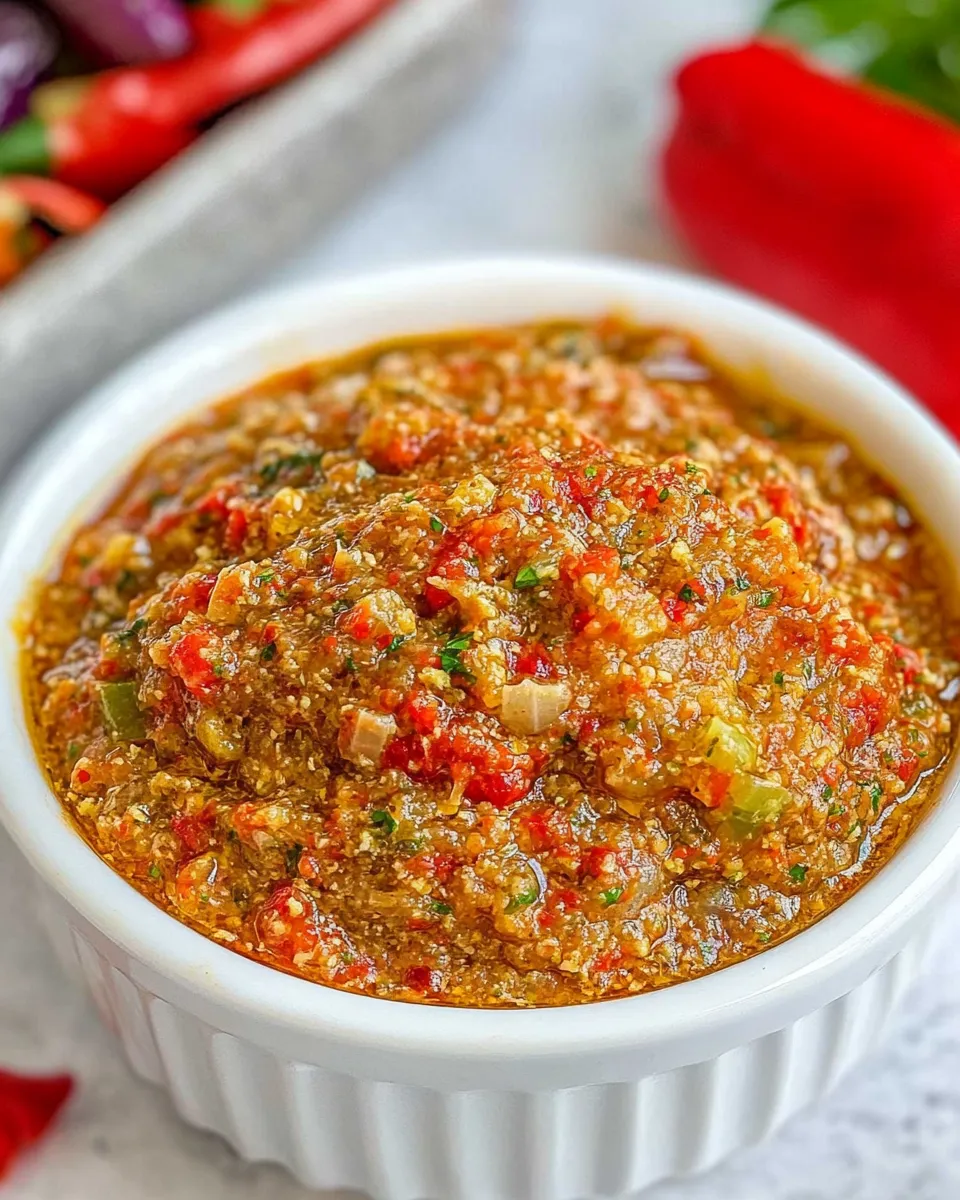
- Pulse in short bursts, stopping to scrape down the sides as needed, until the mixture is finely chopped but not pureed (it should be spreadable with small pieces visible).
- Transfer the sofrito to an airtight container using a spatula. Refrigerate for up to 1 week or freeze for up to 3 months.
Why This Recipe Belongs in Your Rotation
This sofrito is a one-time prep that multiplies flavor across many meals. Stir a spoonful into sautéed rice, fold it into ground meat before browning, or add it to beans and soups for a clean, layered base. It’s the equivalent of having a chef’s touch ready in a jar.
It’s fast to make and forgiving. The textures and proportions are flexible — pulse to the texture you prefer — and the ingredients are pantry- and market-friendly. Because it’s raw and bright, it wakes up dishes without masking their primary flavors. For busy cooks, that’s a huge win: minimal work, big payoff.
Budget & Availability Swaps

- Onion: if yellow onions are scarce, use white onion or even a sweet onion — flavor differences are small and the function is the same.
- Bell peppers: if you only have one color, use two of the same color rather than skipping; the balance of sweet and green notes matters more than color variety.
- Cilantro: if you don’t like cilantro or can’t find it, parsley is a mild substitute; the result will be less citrusy but still fresh.
- Olive oil: any neutral vegetable oil works in a pinch, but olive oil contributes a touch of fruitiness that complements the vegetables.
- Garlic: if fresh garlic is limited, use pre-minced from a jar, but note the flavor won’t be as vibrant.
Equipment Breakdown
- Food processor — this recipe is built around it; a blender will work but you’ll need to pulse carefully to avoid overprocessing.
- Chef’s knife and cutting board — to roughly chop the ingredients before processing.
- Spatula — for scraping the bowl and transferring the sofrito cleanly to storage.
- Airtight containers or freezer-safe portions — to store in the fridge or freezer without flavor loss or freezer burn.
Troubles You Can Avoid
Overprocessing. Pulse in short bursts and check frequently. You want small visible pieces, not a smooth puree. Overprocessed sofrito loses texture and can feel pasty when cooked into dishes.
Separation. If oil pools on top after sitting, give it a quick stir. Use a spatula to reincorporate before adding to dishes. The oil helps preserve the mixture, but if your container is too large for the amount inside, more oil may separate.
Bitterness. Remove seeds and white membranes from bell peppers if you detect any bitterness. Also, avoid burning garlic in subsequent cooking — add sofrito early in the cooking process over moderate heat so garlic flavors marry without scorching.
Better Choices & Swaps
Ingredient quality that matters
Pick a firm onion and crisp bell peppers. Sofrito is raw when you make it, so the freshness shows. Cilantro should smell bright and not wilted; stems are fine in the mix and add flavor, but trim badly brown parts.
Texture options
If you want a chunkier sofrito for rustic dishes, pulse less. For a smoother base that blends into sauces, pulse a bit longer but watch for paste. The recipe’s pulse method gives you control — decide texture by eye, not time.
Flavor boosts (optional after the base)
Once you’re comfortable with the base sofrito, you can customize with additions like a squeeze of lime or a pinch of smoked paprika when cooking with it. Additions are best introduced at the point of use so the base stays versatile.
Behind-the-Scenes Notes
Sofrito is a family of preparations across Latin America, Spain and the Caribbean — the exact ingredients and proportions change by region and household. This version leans on a common Caribbean/Latin template: onion, bell peppers, garlic and cilantro. It’s a fresh, raw sofrito rather than a slowly cooked one, which keeps herbaceousness front and center.
Why raw? Raw sofrito is fast and preserves bright notes. Cooked sofrito — sautéed slowly until soft and sweet — is excellent in other contexts, but raw allows you to add lively flavor directly to finished dishes without cooking time. Consider this your pantry shortcut when you need instant aromatic support.
Portioning matters. If you plan to use small amounts at a time (a tablespoon here and there), freeze in ice cube trays and transfer cubes to a freezer bag. That makes defrosting precise and reduces waste.
Store, Freeze & Reheat
Refrigerate in an airtight container for up to 1 week. Keep the container filled enough to reduce air exposure and press the surface smooth before sealing to minimize oxidation.
Freezing
Portion into ice-cube trays (1–2 tablespoon servings) or small silicone molds, freeze solid, then pop the cubes into a labeled freezer bag for up to 3 months. Thaw cubes in the fridge, at room temperature for a few minutes, or add directly to hot dishes; they’ll melt quickly into soups or sauces.
Reheating
You don’t really “reheat” sofrito alone. Instead, add frozen or refrigerated sofrito to warm oil or stock in a pan to release its flavors. If adding raw to a salad-style dish, let refrigerated sofrito come to room temperature so the oil and aromatics are lively.
Sofrito Q&A
Q: Can I substitute parsley for cilantro?
A: Yes. Parsley will give a milder, less citrusy flavor. It’s a good swap for people who dislike cilantro’s distinctive taste.
Q: How long will this keep in the fridge?
A: Up to 1 week in an airtight container. Smell before use; if it smells off, discard.
Q: Can I use this directly in hot dishes?
A: Absolutely. Add a spoonful to hot pans early in the cook to mellow the raw edges and infuse the oil. For dishes that finish quickly, stir it in near the end for a fresher lift.
Q: Is there a vegetarian or vegan issue?
A: No—this recipe is plant-based and works in any vegetarian or vegan application.
Q: Can I can sofrito?
A: Canning is not recommended for oil-rich mixtures like this without following a tested pressure canning recipe and strict safety guidelines. Freezing is the safest long-term option at home.
Before You Go
Make a batch this weekend. Keep it simple: chop, pulse, store. Use a spoonful to transform rice, beans, stews, scrambled eggs, or marinades. It’s one of those preparations that becomes addictive once you see how many dishes it improves.
If you try variations, note what you changed and how you used the batch — a small log helps you refine texture and flavor for next time. And if you share a jar with a friend, you’ll probably get a new idea for where to use it next. Happy cooking — and welcome to the few minutes that buy you better dinners all week.

Sofrito Recipe
Ingredients
Ingredients
- 1 large yellow onionchopped
- 1 green bell pepperseeded and chopped
- 1 red bell pepperseeded and chopped
- 6 clovesgarlicpeeled and chopped
- 1 bunch cilantroroughly chopped
- 1/4 cupolive oil
Instructions
Instructions
- Place the chopped ingredients into the bowl of a food processor: 1 large yellow onion, 1 green bell pepper (seeded and chopped), 1 red bell pepper (seeded and chopped), 6 cloves garlic (peeled and chopped), and 1 bunch cilantro (roughly chopped).
- Add 1/4 cup olive oil to the food processor.
- Pulse in short bursts, stopping to scrape down the sides as needed, until the mixture is finely chopped but not pureed (it should be spreadable with small pieces visible).
- Transfer the sofrito to an airtight container using a spatula. Refrigerate for up to 1 week or freeze for up to 3 months.
Equipment
- Food Processor
- Spatula
- Airtight Container