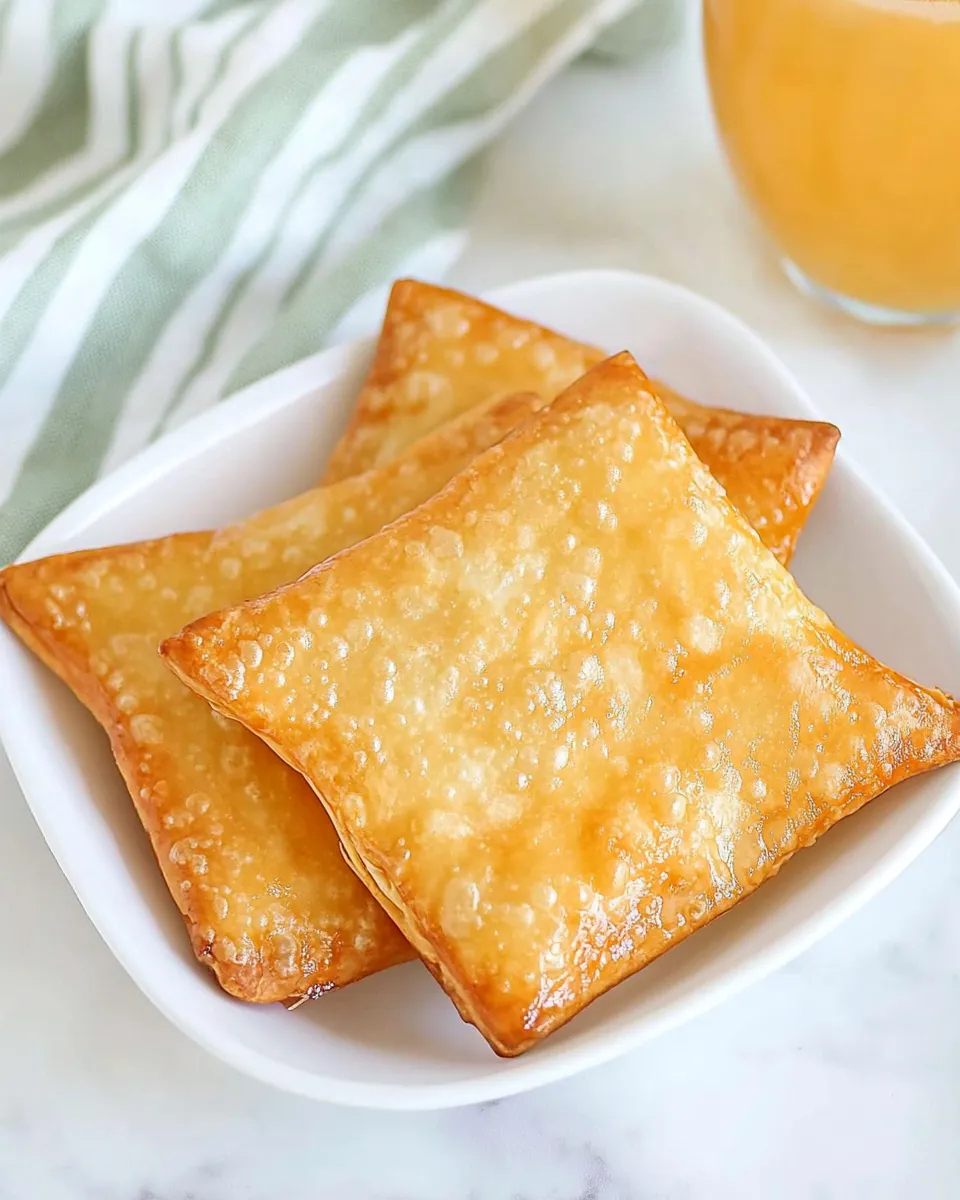
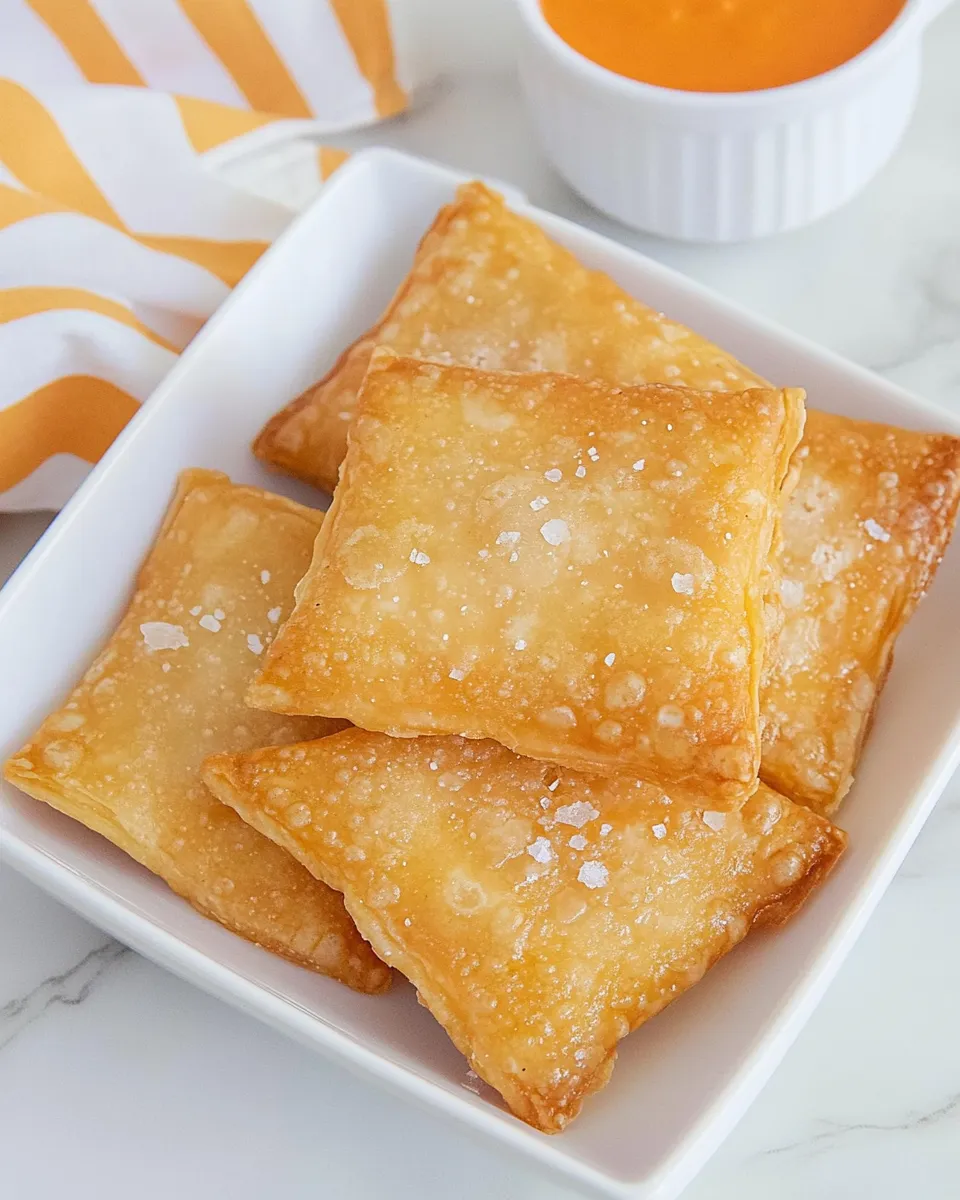
Light, puffy, and impossibly satisfying, sopapillas are the kind of treat I reach for when I want something comforting without a long list of pantry items. They puff up like little golden pillows in hot oil and take on honey like they were made for it. Once you get the basics down, they become a reliable quick dessert or a sweet snack to pull together between errands.
This version uses simple, familiar ingredients and a straightforward method. You don’t need special flour or exotic fats—just a few common staples, a rolling pin, and a thermometer. The result is a crisp exterior with a hollow interior that invites honey, cinnamon sugar, or a smear of jam.
I’ll walk you through the exact steps, highlight the small traps that can ruin a batch, and share easy tweaks to make them your own. No fluff—just practical tips so your sopapillas puff perfectly every time.
Shopping List
- 4 cups all-purpose flour
- 2 teaspoons baking powder
- 1 teaspoon salt
- 4 tablespoons shortening
- 1½ cups warm water
- 2 quarts oil for frying (neutral oil like vegetable or canola)
- Honey for serving
Ingredients
- 4 cups all-purpose flour — the base; provides structure and chew.
- 2 teaspoons baking powder — leavens the dough so sopapillas puff.
- 1 teaspoon salt — balances flavor and enhances the dough.
- 4 tablespoons shortening — adds tenderness and creates steam pockets; cut it in until pea-sized.
- 1½ cups warm water — hydrates the dough; warm to touch but not scalding.
- 2 quarts oil, for frying — enough for deep frying; use a neutral oil with a high smoke point.
- Honey — classic finishing touch; drizzle while warm for best absorption.
Sopapilla in Steps
- In a large bowl, whisk 4 cups all-purpose flour, 2 teaspoons baking powder, and 1 teaspoon salt until evenly combined.
- Cut in 4 tablespoons shortening with a pastry blender or two knives until the pieces are no larger than pea-sized.
- Pour in 1½ cups warm water and mix until a soft dough forms.
- Cover the bowl with plastic wrap and let the dough rest for 20 minutes.
- While the dough rests, heat 2 quarts oil in a deep fryer or a heavy-bottomed pan to 375°F. Use a thermometer to confirm the temperature.
- On a lightly floured surface, roll the dough to ¼ inch thickness.
- Cut the rolled dough into 3-inch squares.
- Fry the squares in the hot oil in batches, flipping once, until each piece puffs and turns golden brown on both sides — about 15 seconds per side if the oil is at 375°F. Do not overcrowd the pan.
- Remove the sopapillas with a slotted spoon and drain on a paper towel–lined plate. Serve warm, drizzled with honey.
Why Sopapilla is Worth Your Time
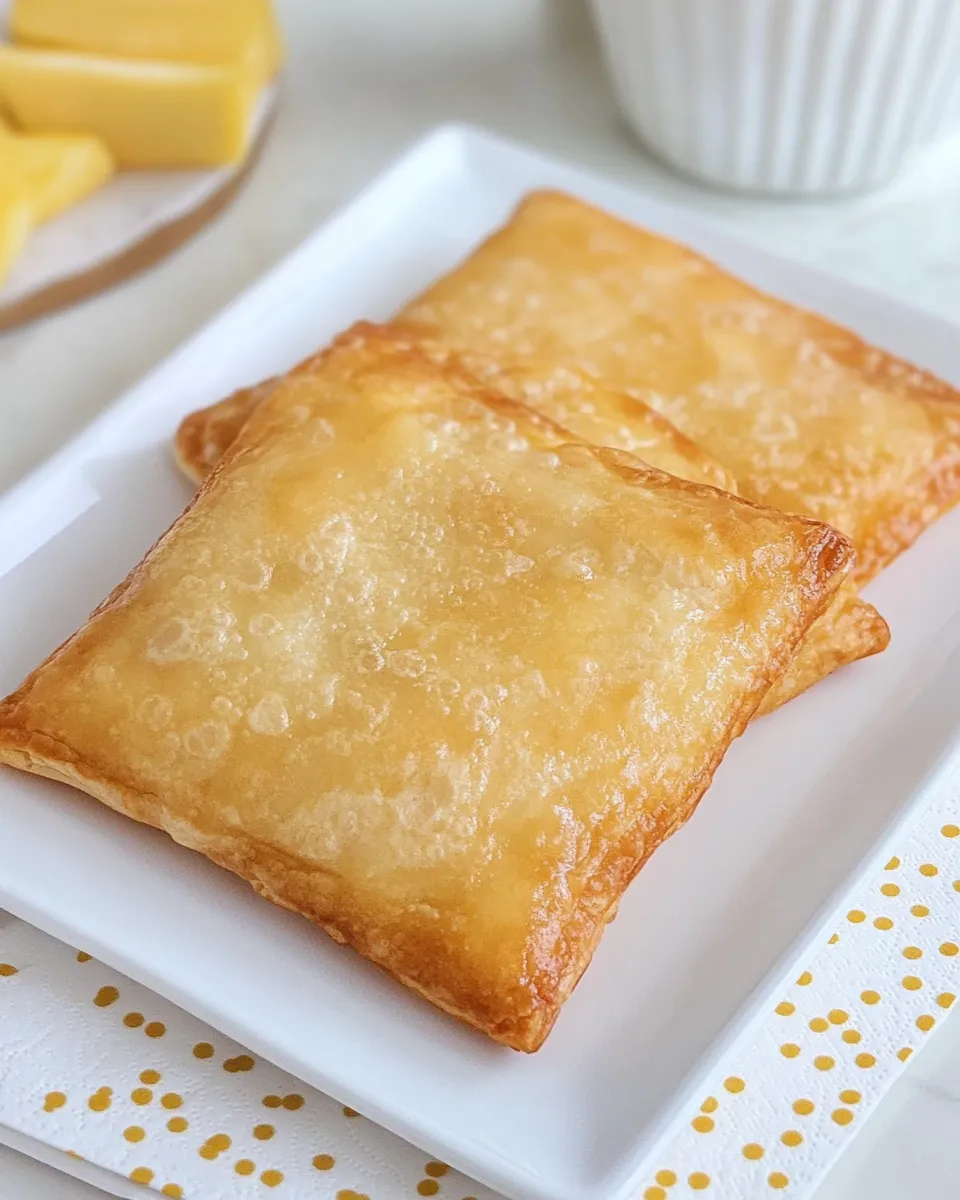
Sopapillas give a huge return on a small investment. With just a handful of pantry staples and 20 minutes of hands-off resting time, you get crisp, airy pastries that taste decadent. The frying step is fast; most of the work is in preparation and a few minutes at the stove. That means a quick finish and minimal active time.
They’re versatile. Serve them as a dessert with honey and cinnamon sugar, pair them with savory fillings for a casual meal, or offer them plain as a buttery fried dough with coffee. The contrast between the thin, golden shell and the hollow interior is what makes them so delightful—drizzle, fill, or fold and enjoy.
International Equivalents
Sopapillas sit in a wide family of fried dough across the world. Think beignets from New Orleans—pillowy and often dusted with powdered sugar—or Spanish and Latin American buñuelos, which can be thin and crisp or enriched with eggs. In parts of the American Southwest, sopapillas are closely associated with New Mexican and Tex-Mex cuisine and are commonly served as a sweet end to a spicy meal.
Other cousins include frybread from Native American traditions and the Portuguese sonhos—each culture tones the basic idea differently, through shape, toppings, or enrichment. If you like those pastries, this sopapilla method will feel familiar and accessible.
Gear Up: What to Grab
- Large mixing bowl — for combining and resting the dough.
- Whisk — to blend the dry ingredients evenly.
- Pastry blender or two knives — for cutting shortening into flour.
- Rolling pin — to roll dough to ¼ inch thickness.
- Sharp knife or bench scraper — to cut 3-inch squares cleanly.
- Deep fryer or heavy-bottomed pan (Dutch oven recommended) — holds oil temperature steady.
- Deep-fry thermometer — essential for the 375°F target.
- Slotted spoon or spider strainer — to remove fried pieces safely.
- Paper towels and a rimmed plate or cooling rack — for draining excess oil.
Easy-to-Miss Gotchas
These small missteps are where sopapillas go wrong. Keep them in mind, and your batch will turn out reliably.
- Oil temperature is everything. If it’s too cool, the pieces absorb oil and get greasy. Too hot and the exterior burns before they puff. Confirm 375°F with a thermometer.
- Don’t overcrowd the pan. Crowding drops oil temperature and prevents proper puffing—work in small batches.
- Cut shortening pieces no larger than peas. Big chunks create uneven pockets and prevent a consistent texture.
- Roll to ¼ inch. Too thin and they won’t puff into a hollow; too thick and they won’t cook quickly enough.
- Warm water should be warm, not hot. Water that’s too hot can affect shortening behavior and make the dough sticky or slack.
- Drain properly. Letting sopapillas sit on a paper towel–lined plate helps prevent sogginess and keeps them crisp.
Make It Your Way
These are simple to adapt. Below are easy, trustworthy options to vary flavor and presentation.
Sweet Variations
- Cinnamon sugar: toss warm sopapillas in a mixture of granulated sugar and ground cinnamon immediately after frying.
- Honey & lime: drizzle honey and finish with a few drops of fresh lime for brightness.
- Filled: split gently and spread with cream cheese and jam for a quick filled pastry.
Savory Options
- Cheese pocket: add shredded cheese on the dough square, fold, and seal lightly before frying for a cheesy bite.
- Taco-style: top with shredded meat, beans, and pico for an impromptu handheld.
Cook’s Notes
Small details make a big difference with fried dough. Keep your work surface lightly floured when rolling to prevent sticking but shake off excess flour so the oil doesn’t foam. Resting the dough for 20 minutes relaxes gluten and helps the sopapillas puff evenly. If the dough tightens while you work, let it rest for a few minutes to relax.
If you’re frying multiple batches, watch the oil temperature and adjust the heat between batches. A few seconds at 375°F gives a golden exterior and a hollow center; if your pieces are browning too fast, lower the heat slightly. Use a slotted spoon to lift them straight up and drain well—this keeps the texture crisp.
How to Store & Reheat
Store cooled sopapillas in an airtight container at room temperature for up to 24 hours. Beyond that they begin to lose their crispness. If you need longer storage, freeze in a single layer on a baking sheet until solid, then transfer to a freezer bag for up to a month.
To reheat and revive crispness: preheat your oven to 350°F and arrange on a baking sheet for 5–8 minutes, or until warmed through. An air fryer at 325°F for 3–4 minutes also works well. Avoid the microwave if you want to keep them crisp—microwaving makes them soft and chewy.
Reader Questions
- Q: Can I use butter instead of shortening? A: You can, but butter contains water and will change the texture and frying behavior. Shortening gives a more neutral fat that aids puffing and crispness. If you use butter, expect a slightly richer, browner exterior and adjust handling.
- Q: What if my sopapillas don’t puff? A: Check oil temperature first. Also confirm you rolled to ¼ inch and that the shortening pieces were pea-sized when cut in. Overworking the dough can develop too much gluten and inhibit puffing—mix until just combined.
- Q: Can I bake them instead of frying? A: Baking will change the signature texture. You can bake for a lighter, less oily version, but they won’t puff the same or get the golden, blistered exterior that frying provides.
- Q: Is the 1½ cups water flexible? A: The amount given is what the recipe uses. If your flour is older or environmental humidity differs, you may need a tablespoon or two more or less; adjust only slightly until a soft dough forms.
Final Thoughts
Sopapillas are one of those recipes that feel special but are surprisingly simple. A little attention to temperature, a light hand when mixing, and the right roll thickness make the difference between a soggy fritter and a hollow, honey-ready pillow. Keep the process focused and steady—measure, rest, heat, and fry—and you’ll have a batch that disappears fast.
Serve them warm, drizzle with honey, and don’t be shy about experimenting with sweet or savory toppings. They’re forgiving, fast, and always welcome at the table.
Sopapilla
Ingredients
Ingredients
- 4 cupsall-purpose flour
- 2 teaspoonsbaking powder
- 1 teaspoonsalt
- 4 tablespoonsshortening
- 1 1/2 cupswarm water
- 2 quartsoil for frying
- honey
Instructions
Instructions
- In a large bowl, whisk 4 cups all-purpose flour, 2 teaspoons baking powder, and 1 teaspoon salt until evenly combined.
- Cut in 4 tablespoons shortening with a pastry blender or two knives until the pieces are no larger than pea-sized.
- Pour in 1½ cups warm water and mix until a soft dough forms.
- Cover the bowl with plastic wrap and let the dough rest for 20 minutes.
- While the dough rests, heat 2 quarts oil in a deep fryer or a heavy-bottomed pan to 375°F. Use a thermometer to confirm the temperature.
- On a lightly floured surface, roll the dough to ¼ inch thickness.
- Cut the rolled dough into 3-inch squares.
- Fry the squares in the hot oil in batches, flipping once, until each piece puffs and turns golden brown on both sides — about 15 seconds per side if the oil is at 375°F. Do not overcrowd the pan.
- Remove the sopapillas with a slotted spoon and drain on a paper towel–lined plate. Serve warm, drizzled with honey.
Equipment
- candy and deep fry thermometer
- pastry blender
Notes
STORE.Fry these up and keep them warm in a 200°F oven for up to one hour. Store at room temperature for 1-2 daysor in an airtight container in the fridge for 2-4 days.
FREEZEfor up to 2 months.
To reheat.Set the oven to 300°F. Place homemade sopapillas in a single layer on a baking sheet. Bake until just warm (about 5 minutes). Do not over heat them or they will dry out and harden.