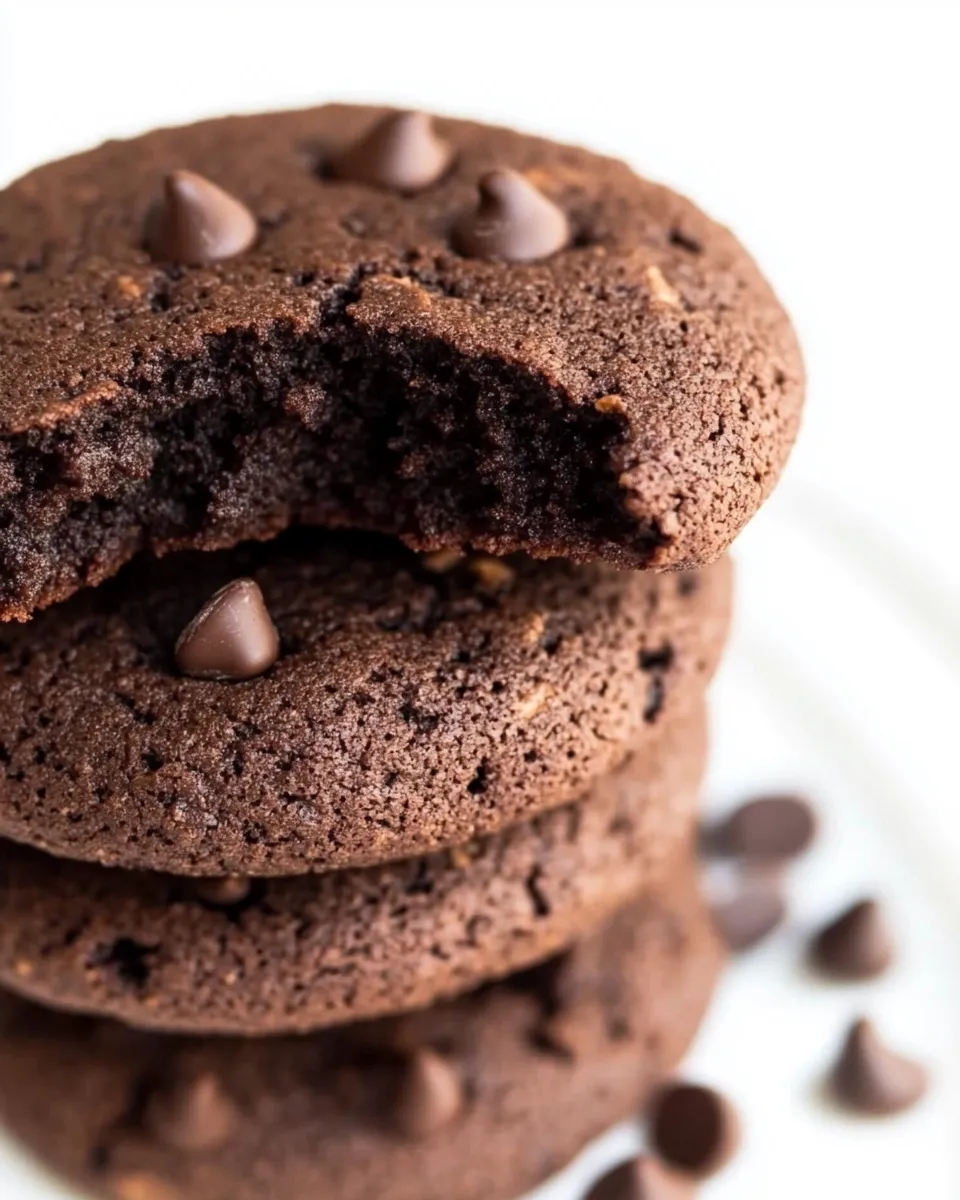
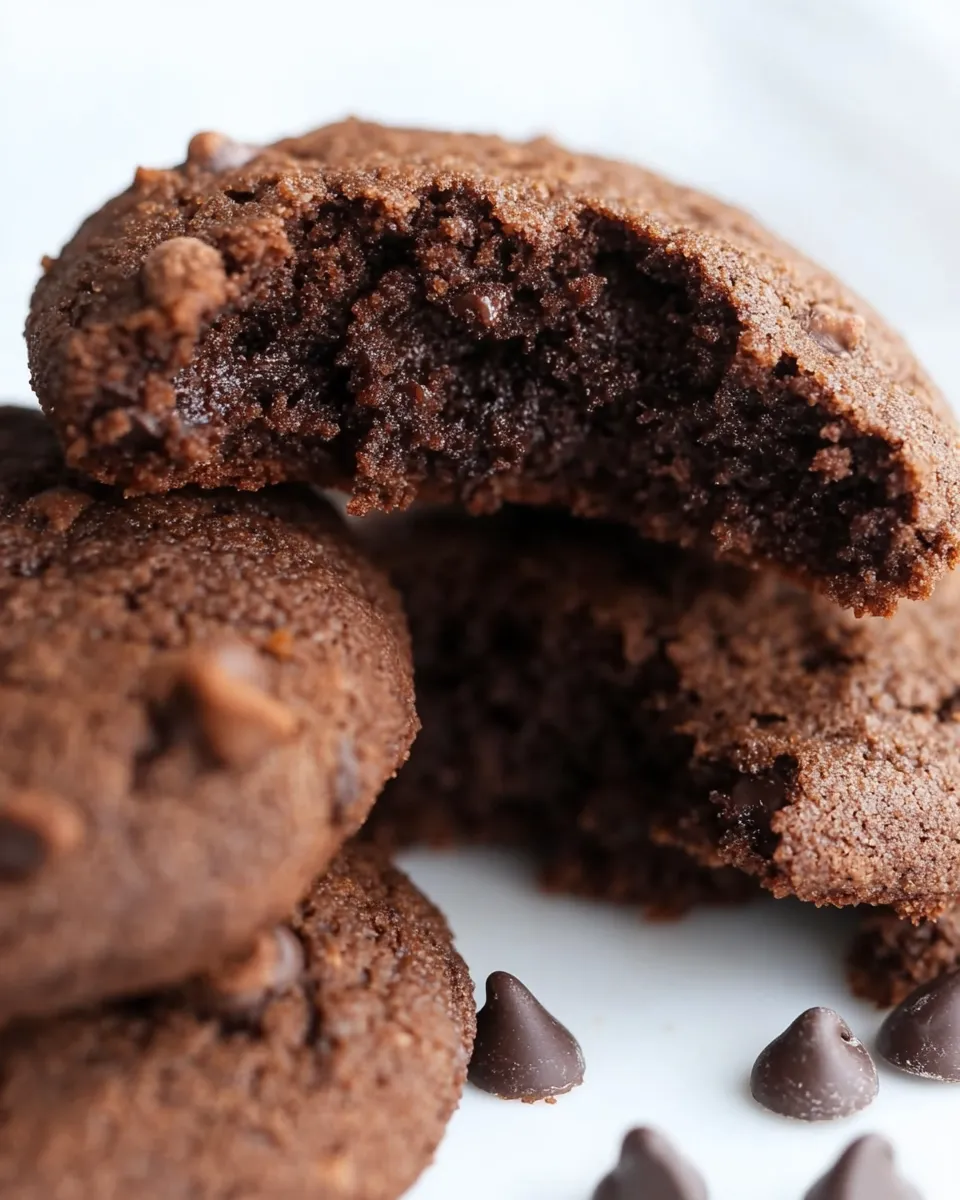
There are recipes that promise a fix for a chocolate craving and then there are ones that actually deliver—deep cocoa flavor, tender crumb, and a bite of melty chocolate without the sugar crash. These keto chocolate cookies fit squarely in that second camp. I developed and refined them on busy evenings when I wanted something comforting but simple to pull together.
They bake up soft around the center with slightly set edges, and the mix of almond flour and cocoa gives them a rich, naturally nutty backbone. The dough is forgiving: it holds together well, shapes easily, and presses into cookie shapes without fuss, which makes this a reliable option any night of the week.
Below you’ll find the exact ingredients and step-by-step directions I use in the test kitchen, plus practical tips for swapping, troubleshooting, and keeping the cookies fresh. If you’re new to keto baking or just want a dependable chocolate cookie, this recipe is one to bookmark.
What You’ll Need
This recipe keeps tools minimal. You need a medium mixing bowl, a fork or spatula for mixing, a baking sheet lined with parchment, and an oven set to the temperature in the directions. Read the ingredients list before you start so everything is at room temperature where the recipe specifies (butter and egg are the only items that benefit most from that).
Ingredients
- 1 cup (100 g) almond flour — provides structure and a tender, nutty base; not super-fine is fine, ground almonds work well.
- ½ teaspoon baking powder — gives a gentle lift so cookies aren’t dense.
- 3 tablespoons (21 g) cocoa powder — the source of chocolate intensity; use unsweetened cocoa.
- 4 tablespoons (48 g) granulated erythritol — sweetener that keeps the cookies keto-friendly and adds texture similar to granulated sugar.
- 4 tablespoons (60 g) butter, softened — adds richness and helps the dough bind; softened means easy to mash with the fork.
- 1 egg, medium — binds the dough and contributes to the cookie’s tenderness.
- ¼ cup (30 g) sugar-free chocolate chips — fold in most for pockets of chocolate; reserve a small handful to press on top before baking.
Directions: Soul-Satisfying Keto Chocolate Cookies
- Preheat the oven to 175°C (350°F) on the conventional setting. Line a baking sheet with parchment paper and set aside.
- In a medium bowl, stir together 1 cup (100 g) almond flour, ½ teaspoon baking powder, 3 tablespoons (21 g) cocoa powder, and 4 tablespoons (48 g) granulated erythritol until evenly combined.
- Add 1 medium egg and 4 tablespoons (60 g) softened butter to the dry ingredients. Mix with a fork or spatula until a smooth, cohesive dough forms and no large dry streaks remain.
- Fold in ¼ cup (30 g) sugar-free chocolate chips, reserving a small handful to press on top of the cookies.
- Divide the dough into 9 equal portions and place them on the prepared baking sheet, leaving space between each. Shape each portion into a cookie shape (they will spread slightly, so shape roughly to your desired final size).
- Press the reserved chocolate chips onto the top of each cookie.
- Bake on the center oven rack for about 12 minutes, until the edges are set (centers may still be slightly soft).
- Remove the baking sheet from the oven and let the cookies cool completely on the sheet before handling.
Why It Deserves a Spot
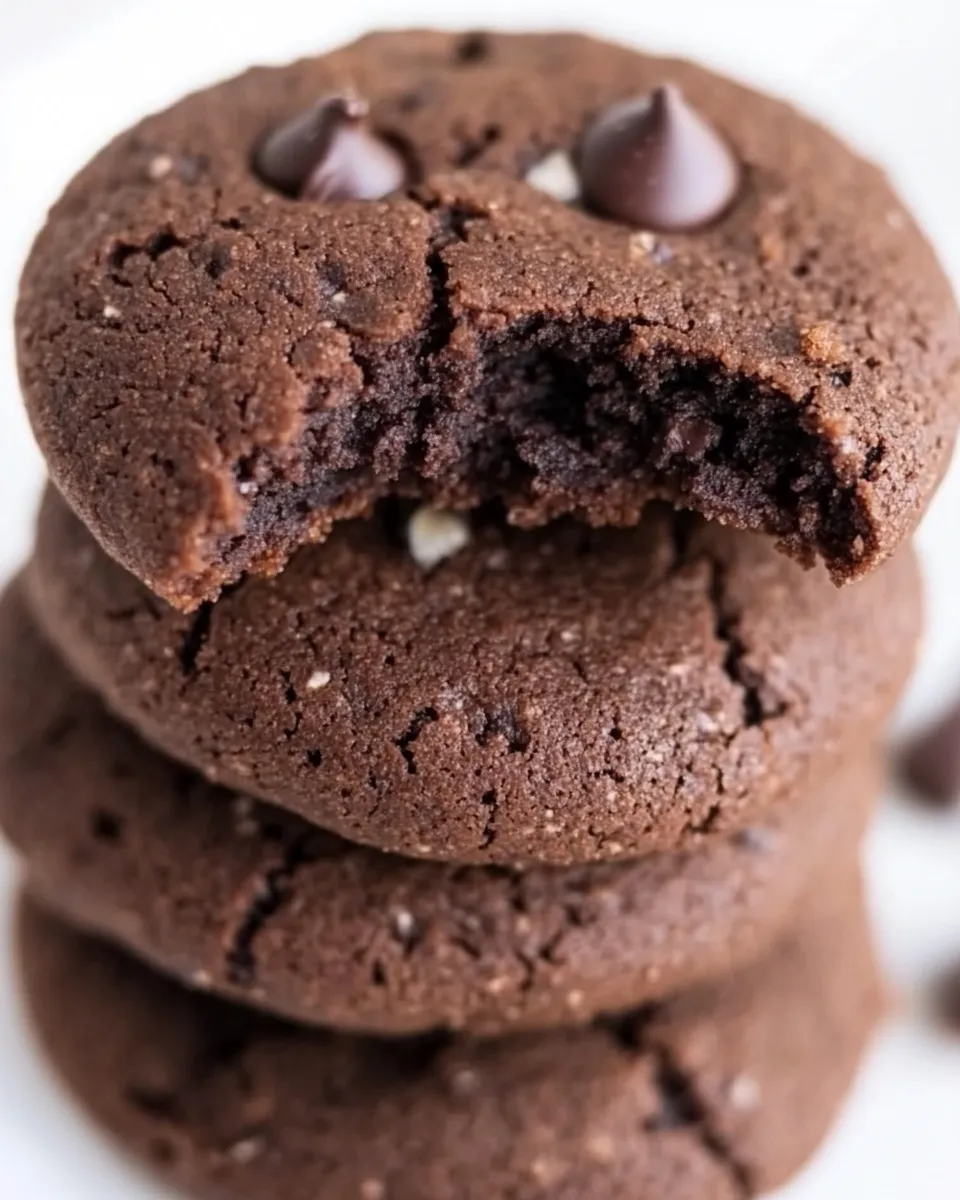
These cookies are compact in flavor and effort. They give you a familiar chocolate cookie experience without relying on flour or sugar, so they’re a great fit for low-carb diets or anyone cutting back on refined sugar. The texture balances tender and slightly chewy—most people expect crumbly keto cookies, but these stay pleasantly soft when cooled fully.
They also scale well and travel nicely. Because the dough is not overly sticky, you can divide portions quickly, bake on multiple sheets, or refrigerate portions of dough for later. They fit into a weeknight rhythm: mix, scoop, bake, and you’re done. No specialist ingredients besides what appears in the ingredient list.
Healthier Substitutions
If you want to tweak the recipe while keeping it low-carb, here are practical options that don’t change the recipe’s chemistry drastically.
- Sweetener: If you prefer a different erythritol-based blend, pick one labeled 1:1 for sugar to keep texture similar. Powdered or fine blends change mouthfeel slightly but work.
- Fat: If you avoid dairy, a neutral oil solid at room temperature can replace butter, but the final texture shifts—expect slightly less structure. Use a 1:1 swap by volume and chill the dough briefly if it feels too loose.
- Chocolate: Use sugar-free chips or a chopped high-cocoa dark chocolate used sparingly. The chips in the ingredient list are already specified, so stick close to their size and amount for even melting pockets.
- Almond flour: If you have a very finely milled almond meal, the dough will be slightly denser. Coarser meal adds a little texture. Keep the 1 cup (100 g) amount as listed.
Setup & Equipment
Minimal equipment keeps this recipe approachable:
- Mixing bowl — medium size, for combining dry and wet ingredients without spills.
- Fork or spatula — the dough is soft; you don’t need a stand mixer.
- Baking sheet lined with parchment — the cookies spread slightly, so parchment prevents sticking and makes cleanup fast.
- Oven thermometer (optional) — ovens can vary; an oven thermometer ensures the 175°C (350°F) setting is accurate for predictable results.
If you plan to make larger batches, prepare multiple sheets in advance and rotate them through the oven. A small offset spatula or cookie scoop speeds up portioning.
Avoid These Traps
Several common missteps can derail these cookies. Watch for them and you’ll get consistent results.
- Using cold butter: If the butter is too cold, it won’t incorporate smoothly and you’ll end up with dry pockets. Soften it first.
- Skipping the full cool time: The centers finish setting as the cookies cool on the hot sheet. Move them too soon and they’ll fall apart.
- Overbaking: The cookies should have set edges but may still feel a touch soft in the center at 12 minutes. Carryover heat finishes them; baking longer makes them dry.
- Substituting too liberally: Large changes to sweetener type, flour weight, or fat can throw off texture. Make one change at a time and note the result.
Variations by Season
Winter
Add warming spice without changing structure: a light dusting of ground cinnamon or a pinch of ground espresso in the dry mix emphasizes chocolate depth. Press a single larger chocolate chunk into each cookie for a rustic, melty center.
Spring & Summer
Keep things bright with a sprinkle of flaky sea salt on top after baking. The contrast complements the chocolate and works especially well when the weather calls for lighter flavors.
Year-Round Friendly
Fold in a small amount of chopped toasted nuts for crunch, but keep the added volume modest so the dough still divides into nine equal portions.
Notes from the Test Kitchen
I tested this recipe with a few variations in baking time and chocolate amounts. Twelve minutes on the center rack consistently produced the best balance of set edges and soft centers across multiple ovens. Using softened butter rather than melted butter also preserves the tender texture; melted butter made the cookies spread too thin and crisp up.
When measuring almond flour by volume, lightly spoon into the cup and level it rather than packing; weighing at 100 g is the most reliable method. The granulated erythritol gives a slightly crystalline bite similar to sugar—if you use a powdered erythritol blend expect a smoother mouthfeel and modest changes to spread.
Keep-It-Fresh Plan
Storing and reheating properly preserves texture and flavor.
- Room temperature: Store cooled cookies in an airtight container for up to 3 days. Place parchment between layers to prevent sticking.
- Refrigerator: For up to 10 days, refrigerate in an airtight container. Bring to room temperature before serving for best texture.
- Freezer: Freeze on a sheet until firm, then transfer to a sealed container for up to 2 months. Thaw at room temperature and warm briefly in a low oven (or microwave a few seconds) to refresh the chocolate pockets.
Troubleshooting Q&A
Q: My dough was wet and spread into thin discs. A: If butter was too soft or you used melted butter, chill the dough 10–20 minutes before portioning. Almond flour absorbs moisture; letting the dough rest helps it firm up. Also verify measuring accuracy—too much egg or liquid leads to excess spread.
Q: Cookies came out dry and crumbly. A: You likely overbaked. Reduce oven time by 1–2 minutes and allow the cookies to cool fully on the sheet. If you baked exactly 12 minutes, check your oven temperature with an oven thermometer; many ovens run hot.
Q: The centers sank after baking. A: Centers that are too soft when removed can collapse if disturbed. Let the baking sheet cool on a wire rack and resist moving cookies until they firm. Confirm baking powder was fresh—if old, lift will be reduced.
Q: Texture is gritty from the sweetener. A: Granular erythritol can leave a cooling, crystalline finish. If you prefer a smoother mouthfeel, use an erythritol blend labeled for baking or pulse granulated erythritol briefly in a clean spice grinder to reduce crystal size.
Make It Tonight
Plan for about 20–30 minutes from start to finish: 5–10 minutes to measure and mix, 12 minutes to bake, and cooling time. Preheat the oven first, soften the butter while the oven warms, then combine dry ingredients and work through the steps. Line your sheet, portion the dough, press on the reserved chips, and bake. By the time the timer dings and the sheet cools a bit, you’ll have nine dependable cookies ready to enjoy.
Serve with a small cup of unsweetened almond milk or coffee. They’re satisfying, chocolaty, and easy to make on a weeknight when you want a treat without a lot of fuss.

Soul-Satisfying Keto Chocolate Cookies
Ingredients
Ingredients
- 1 cup /100 galmond flourNOT super-fine**. Ground almonds work well here
- 1/2 teaspoonbaking powder
- 3 tbsp /21 gcocoa powder
- 4 tbsp /48 ggranulated erythritol
- 4 tbsp /60 gbuttersoftened
- 1 eggmedium
- 1/4 cup /30 gsugar free chocolate chipsor chopped dark chocolate minimum 85% cocoa solids (I used 90%)
Instructions
Instructions
- Preheat the oven to 175°C (350°F) on the conventional setting. Line a baking sheet with parchment paper and set aside.
- In a medium bowl, stir together 1 cup (100 g) almond flour, ½ teaspoon baking powder, 3 tablespoons (21 g) cocoa powder, and 4 tablespoons (48 g) granulated erythritol until evenly combined.
- Add 1 medium egg and 4 tablespoons (60 g) softened butter to the dry ingredients. Mix with a fork or spatula until a smooth, cohesive dough forms and no large dry streaks remain.
- Fold in ¼ cup (30 g) sugar-free chocolate chips, reserving a small handful to press on top of the cookies.
- Divide the dough into 9 equal portions and place them on the prepared baking sheet, leaving space between each. Shape each portion into a cookie shape (they will spread slightly, so shape roughly to your desired final size).
- Press the reserved chocolate chips onto the top of each cookie.
- Bake on the center oven rack for about 12 minutes, until the edges are set (centers may still be slightly soft).
- Remove the baking sheet from the oven and let the cookies cool completely on the sheet before handling.
Equipment
- Oven
- Baking Sheet
- Parchment Paper
- Mixing Bowl
- fork or spatula
Notes
1.9 g net carbs
per cookie (average weight: 35 grams).
The cookies are very
fragile
when hot. They
firm up once cooled
.
For a
fudgier
cookie, reduce the baking time to 10 minutes. For a
crispy
cookie, flatten and bake for up to 14 minutes.
Add a
pinch of salt
for some extra WOW.
**If using super-fine almond flour, reduce the amount to ¾ cup / 75g.