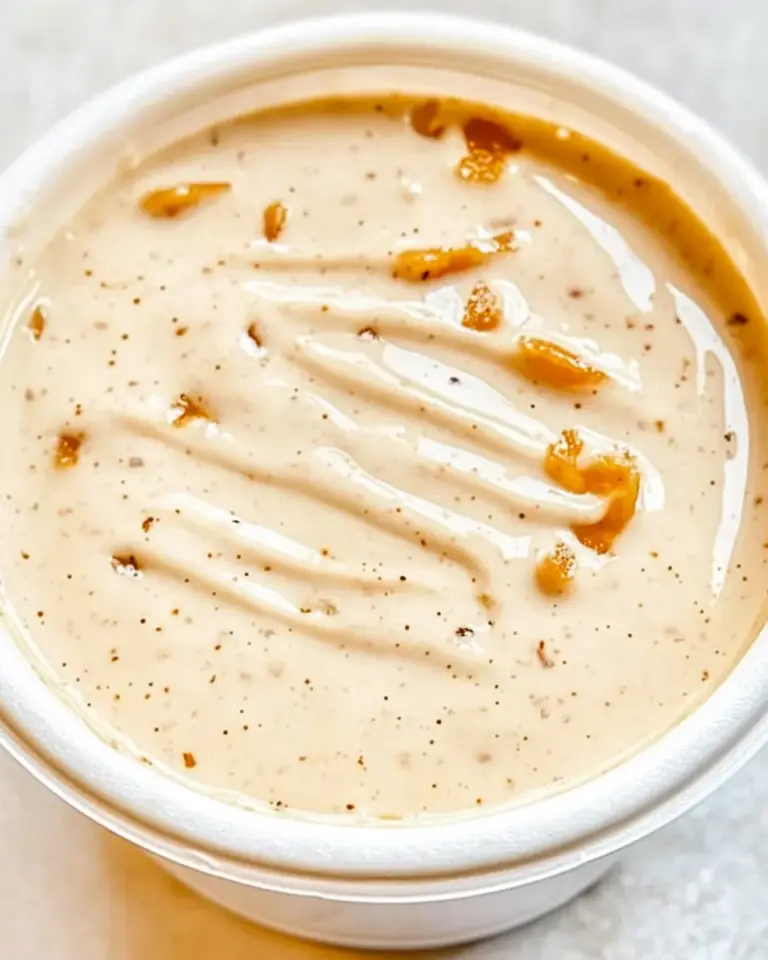

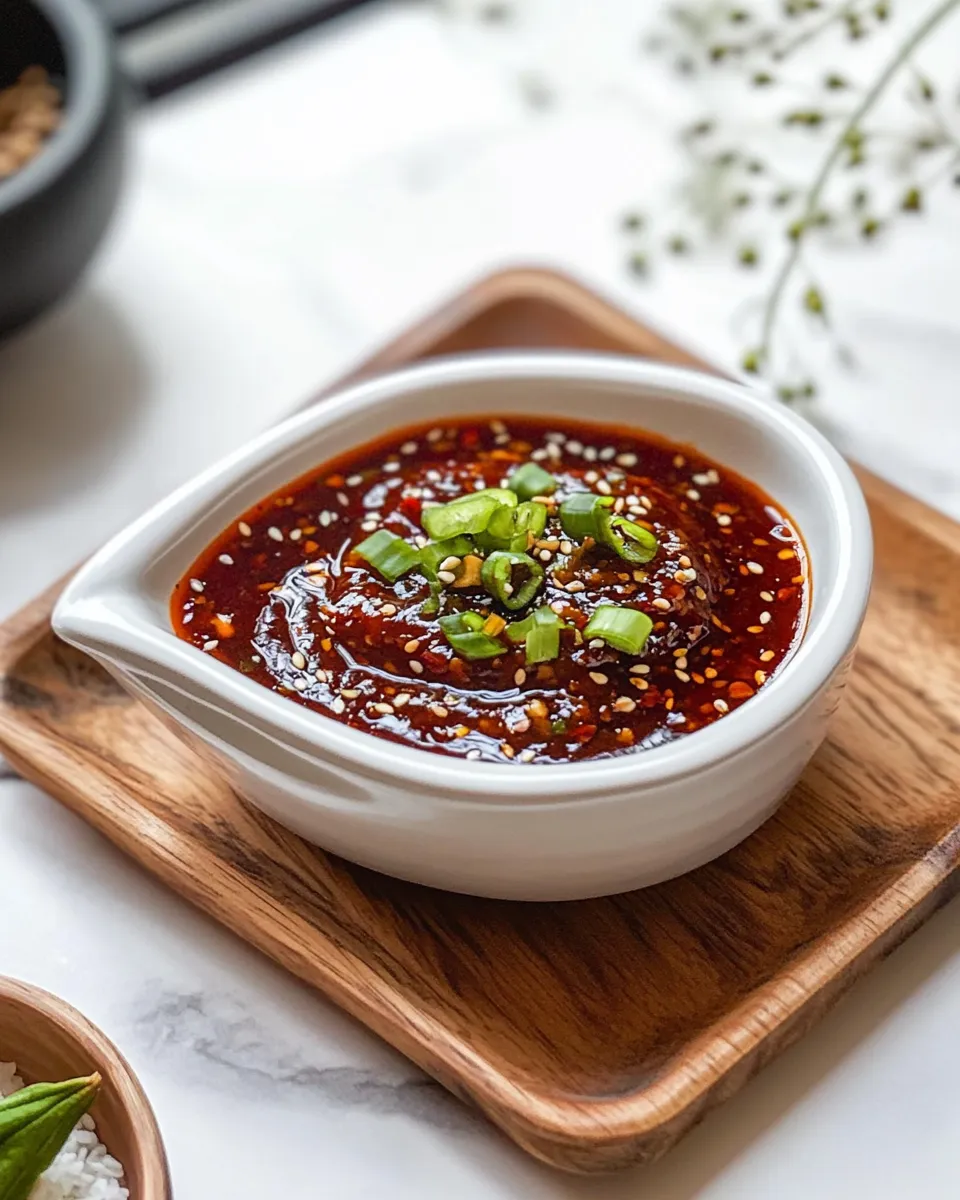
This ssamjang sauce is the kind of pantry-friendly condiment I reach for when I want big flavor with almost no effort. It’s savory, a little spicy, nutty, and just sweet enough to make everything from grilled pork to lettuce wraps sing. I keep a small jar in the fridge and it disappears faster than I expect every time I bring it out.
There’s no long simmering, no exotic technique—just careful balancing. The recipe here is straightforward and repeatable, which is exactly what I want for a sauce I use often. I’ll walk through the exact steps, explain why the proportions work, and give practical fixes and swaps so you can tailor it to your taste.
If you’re new to ssamjang, think of it as a Korean table staple: an intense, spoonable paste meant to dress grilled meats and vegetables, or to be tucked into lettuce with a slice of savory protein. It’s forgiving, quick to make, and a small jar goes a long way.
Ingredients at a Glance

- 1/4 cup doenjang — Korean fermented soybean paste; provides deep umami, savory backbone, and saltiness.
- 2 tablespoons gochujang — Korean chili paste; brings heat, sweet-spicy complexity, and body.
- 1 tablespoon toasted sesame oil — adds warm nutty aroma and silky mouthfeel.
- 1 tablespoon honey — balances salt and spice with rounded sweetness and gloss.
- 1 clove garlic, minced — bright aromatic bite; don’t overcook—raw adds freshness.
- 2 green onions, thinly sliced — fresh oniony lift and a little crunch.
- 2 teaspoons toasted sesame seeds — texture and extra nutty flavor; looks pretty on top.
Cooking (Ssamjang Sauce): The Process
- In a small mixing bowl, combine 1/4 cup doenjang, 2 tablespoons gochujang, 1 tablespoon toasted sesame oil, and 1 tablespoon honey.
- Whisk or stir those four ingredients together until the mixture is smooth and evenly combined, scraping the sides of the bowl as needed.
- Add 1 clove minced garlic and stir until the garlic is evenly distributed.
- Stir in 2 green onions (thinly sliced) and 2 teaspoons toasted sesame seeds until well mixed.
- Use immediately, or transfer to an airtight container, refrigerate, and stir again before serving.
Why This Recipe Works
The balance here is simple and purposeful. Doenjang gives the paste a deep fermented savor and salt that forms the base note—think of it as the “meat” of the sauce even without meat present. Gochujang does two jobs: it brings heat and a molasses-like sweetness that lifts and rounds the ferment without letting it taste purely salty.
Toasted sesame oil introduces fatty, aromatic richness that smooths the sharper edges of the pastes, and the honey tames the salt and heat while lending sheen and a slight floral sweetness. Garlic and green onion contribute bright, live aromatics so the sauce doesn’t sit flat, and sesame seeds give a small textural contrast and reinforce that nutty flavor.
Because each component contributes a distinct sensory element—umami, sweet, heat, fat, aromatics, texture—the sauce feels complex despite only using a handful of ingredients. The proportions are conservative: enough gochujang for a pleasant kick, restrained honey for balance, and sesame oil for mouthfeel without overpowering the fermented soybean character.
Quick Replacement Ideas

If you need to nudge the flavor toward your preference, here are quick, safe swaps or adjustments using the ingredients on hand:
- Want it milder? Reduce the 2 tablespoons of gochujang by half, whisk the remaining ingredients, and taste before adding more.
- Too salty? Add a touch more honey (small increments) and sesame oil to mellow the salt; if still strong, make a second small batch with less doenjang and mix them.
- Prefer nuttier punch? Increase toasted sesame oil slightly or add another teaspoon of toasted sesame seeds for crunch.
- Short on time? Leave the green onions out and add them just before serving for quick assembly.
- Want a brighter, fresher finish? Use a bit more thinly sliced green onion stirred in at the end.
Before You Start: Equipment
- Small mixing bowl — big enough to whisk without splashing.
- Whisk or small spoon — for smoothing the pastes together.
- Measuring spoons and cup — the proportions matter for balance.
- Knife and cutting board — to mince the garlic and thinly slice the green onions.
- Airtight container or small jar — for storage; glass is ideal.
Missteps & Fixes
Too Salty or Intense
If the finished sauce tastes overwhelmingly salty or fermented, don’t throw it out. Add small increments of honey and toasted sesame oil to round and soften the intensity. If the salt is still dominant, make a second small batch with less doenjang and combine the two; this effectively dilutes the salty element without adding unfamiliar flavors.
Too Spicy
If the gochujang makes it hotter than you like, reduce its amount by half when you mix the next batch and combine with what you’ve already made. The honey will help temper the heat; add more honey in small amounts and taste as you go.
Too Thin or Too Thick
Texture is mostly set by the pastes. If it’s too thick for your needs, whisk in a tiny extra half teaspoon of toasted sesame oil to loosen it slightly. If it’s too loose, add a small extra dab of doenjang or gochujang to thicken, but do this sparingly because it changes flavor concentration quickly.
Seasonal Flavor Boosts
You can nudge this basic ssamjang to match the season using only the ingredients here:
- Spring: Amp up the thinly sliced green onions for a bright, peppery lift that pairs wonderfully with early-season greens.
- Summer: Use a touch more toasted sesame seeds to add texture for summer grilling; the crunch contrasts with juicy grilled meat.
- Fall: Increase the honey slightly to complement richer, roasted vegetables and heartier proteins.
- Winter: A touch more garlic and a bit more sesame oil will make the paste feel warmer and more comforting with roasted winter veg.
If You’re Curious
Ssamjang is a classic Korean condiment historically used for wrapping (ssam means “wrap”), especially with grilled meat, rice, and leafy greens. Different households and regions tweak it—ratios of doenjang to gochujang change, some people add ingredients for sweetness or texture, and some keep it very rustic and simple. The version here stays close to a balanced, everyday paste: bold but versatile.
Use it as a dip, a finishing smear for bowls, or a quick marinade boost—its concentrated flavor means a little goes a long way. It’s an excellent bridge ingredient: just a spoonful can turn a plain bowl or simple grilled protein into something distinctly savory and satisfying.
Refrigerate, Freeze, Reheat
Storage is straightforward. Transfer the sauce to an airtight container and refrigerate. It keeps well for up to two weeks; the flavors will continue to meld and mellow. Stir the sauce before serving—oils may settle or separate slightly.
Freezing isn’t necessary for the small amounts most people make, and the texture of the pastes can change slightly after thawing. If you want to freeze, portion into small airtight containers or an ice cube tray and freeze for up to three months; thaw in the fridge and stir well before use.
Reheating is not required—ssamjang is meant to be used at room temperature or chilled. If you prefer it warmer to coat proteins, add it to a hot pan briefly with the cooked meat or vegetables to warm through, stirring so it disperses evenly. Do not microwave in a sealed container.
Troubleshooting Q&A
Q: My ssamjang is too salty. What’s the fastest fix?
A: Add small amounts of honey and sesame oil to moderate the saltiness; if needed, mix in a second small batch made with less doenjang to dilute the overall salt concentration.
Q: It tastes flat—how do I brighten it?
A: Freshly minced garlic and extra thinly sliced green onion stirred in just before serving will add brightness and lift. A tiny extra whisper of honey can also highlight other flavors.
Q: I don’t have time for finely chopping—what then?
A: Mince the garlic as small as possible and slice green onions thinly on a slight diagonal; if you must skip the green onion, stir them in at the very end so they stay crisp and add texture before serving.
Q: Can I double the recipe and store it?
A: Yes. Doubling works fine—combine ingredients in a larger bowl, whisk until smooth, then store in an airtight jar in the fridge. Stir before use.
Wrap-Up
This ssamjang is one of those small, reliable recipes that makes many meals better. It’s fast, forgiving, and scales easily. Keep the ingredients on hand, and you’ll have a sauce that adds immediate Korean-inspired depth to grilled meats, bowls, and wrapped bites.
Make a batch, taste it, and tweak using the simple swaps above until it’s yours. Then keep a jar in the fridge—you’ll be surprised how often it saves a meal.
Ssamjang Sauce
Ingredients
Ingredients
- 1/4 cupdoenjangKorean fermented soybean paste
- 2 tablespoonsgochujangKorean chili paste
- 1 tablespoontoasted sesame oil
- 1 tablespoonhoney
- 1 clovegarlicminced
- 2 green onionsthinly sliced
- 2 teaspoonstoasted sesame seeds
Instructions
Instructions
- In a small mixing bowl, combine 1/4 cup doenjang, 2 tablespoons gochujang, 1 tablespoon toasted sesame oil, and 1 tablespoon honey.
- Whisk or stir those four ingredients together until the mixture is smooth and evenly combined, scraping the sides of the bowl as needed.
- Add 1 clove minced garlic and stir until the garlic is evenly distributed.
- Stir in 2 green onions (thinly sliced) and 2 teaspoons toasted sesame seeds until well mixed.
- Use immediately, or transfer to an airtight container, refrigerate, and stir again before serving.
Equipment
- Small mixing bowl
- Whisk or spoon
- Airtight Container