
I made this Lemon Loaf on a rainy afternoon and it immediately became the kind of loaf I reach for when I want something bright, reliable, and not fussy. The crumb is tender, the lemon is assertive but not harsh, and the icing gives that glossy, sticky top that makes every slice feel a little celebratory. It’s a weekend baking win and a weekday pick-me-up in one.
I’ve written this recipe to be practical: clear steps, a straightforward ingredient list, and tips that actually help you avoid mistakes. If you like a familiar coffee-shop lemon loaf but want to make it at home with dependable results, this is the version I turn to again and again.
Read through the equipment and timing notes before you start. The steps are forgiving, but a few small adjustments—like using room-temperature eggs and letting the loaf cool completely before glazing—make the texture and appearance much better.
Ingredient List

- 1/2 cup butter, softened — provides richness and tender crumb; soften to room temperature so it creams easily with the sugar.
- 1 cup granulated sugar — sweetens and helps create a light, airy texture when creamed with butter.
- 1/3 cup sour cream — adds moisture and a slight tang that balances the lemon.
- 2 tsp vanilla extract — rounds the flavor and complements the lemon.
- 1 tsp lemon extract — concentrated lemon flavor that boosts the citrus notes without extra acidity.
- 3 large eggs (room temperature) — bind the batter and add structure; bring to room temperature for even mixing.
- 2 tbsp lemon zest — fresh zest is where most of the bright lemon aroma lives; zest before juicing.
- 1 tbsp lemon juice — provides a fresh lemon bite and a touch of acidity.
- 1 1/2 cups all-purpose flour — the base of the loaf; measure by spooning into the cup and leveling for accuracy.
- 1/4 tsp baking soda — helps the loaf rise and adds lightness.
- 1/2 tsp baking powder — works with the baking soda for reliable lift.
- 1/2 tsp salt — balances sweetness and enhances overall flavor.
- Icing — finish that glossy top; see the icing ingredients below.
- 1 cup powdered sugar — powdered sugar creates a smooth, spreadable glaze when mixed with liquid.
- 1 tbsp milk — thins the powdered sugar to a pourable consistency.
- 1 tbsp lemon juice — keeps the icing tangy and bright.
- 1 tsp lemon extract — intensifies lemon flavor in the glaze.
- Pinch of salt (optional) — a tiny pinch evens the sweetness and brings out lemon notes.
Starbucks Lemon Loaf Copy Cat — Do This Next
- Preheat the oven to 350°F (177°C). Spray a 9×5-inch loaf pan with non-stick cooking spray.
- In the bowl of a stand mixer or with a hand mixer, beat 1/2 cup softened butter and 1 cup granulated sugar on medium speed until light and fluffy, about 2–3 minutes.
- Add the 3 large eggs (room temperature), one at a time, beating until each is incorporated. Then add 1/3 cup sour cream, 2 tsp vanilla extract, 1 tsp lemon extract, 2 tbsp lemon zest, and 1 tbsp lemon juice; beat until combined.
- In a separate bowl, whisk together 1 1/2 cups all-purpose flour, 1/2 tsp baking powder, 1/4 tsp baking soda, and 1/2 tsp salt.
- Add the dry ingredients to the wet ingredients and mix on low speed just until combined and no dry streaks remain; do not overmix.
- Pour the batter into the prepared loaf pan and smooth the top. Bake for about 45 minutes, or until a toothpick or cake tester inserted into the center comes out clean. If the top is browning too quickly before the center is done, tent loosely with foil and continue baking until done.
- Remove the loaf from the oven and let it cool in the pan for 10–15 minutes. Run a knife around the edges, then transfer the loaf to a wire rack to cool completely.
- While the loaf cools, make the icing: in a small bowl whisk together 1 cup powdered sugar, 1 tbsp milk, 1 tbsp lemon juice, 1 tsp lemon extract, and a pinch of salt (optional) until smooth.
- When the loaf is completely cool, place it on a piece of parchment or a tray to catch drips, then spoon or pour the icing over the top. Allow the icing to set for at least 20 minutes before slicing and serving.
Top Reasons to Make Starbucks Lemon Loaf Copy Cat
- Bright, fresh lemon flavor without being overly tart. The balance of zest, juice, and extract gives you that familiar coffee-shop brightness.
- Simple to make with everyday pantry ingredients. No specialty items, and most steps are straightforward.
- Perfect for gifting or entertaining. It keeps well and looks nice glazed and whole on a board.
- Versatile for breakfasts, snacks, or dessert. A slice pairs well with coffee, tea, or a small scoop of yogurt.
- Reliable texture. The sour cream and creamed butter method deliver a moist crumb that isn’t gummy or heavy.
Quick Replacement Ideas

- Sour cream — plain yogurt can usually substitute in a 1:1 swap if you prefer, keeping moisture and tang.
- Butter — stick to butter for texture and flavor; if needed, a 1:1 block-style margarine works in a pinch.
- All-purpose flour — use a cup-for-cup gluten-free blend designed for baking if you need a gluten-free option; expect slightly different crumb.
- Lemon extract — more fresh lemon zest and a touch more juice can compensate if you don’t have extract, but measure tastes carefully.
- Milk in icing — any neutral dairy or nondairy milk works to thin the glaze to your desired consistency.
Before You Start: Equipment

- 9×5-inch loaf pan — the recipe is written for this size; a different pan changes bake time.
- Stand mixer or hand mixer — helps cream butter and sugar thoroughly; a strong whisk and elbow grease can work but takes longer.
- Mixing bowls — at least two: one for wet, one for dry ingredients.
- Measuring cups and spoons — accurate measuring keeps the loaf consistent.
- Microplane or zester — for zesting lemons finely so they distribute flavor evenly.
- Wire rack and parchment — for cooling and catching icing drips.
- Toothpick or cake tester — to check doneness reliably.
Problems & Prevention
- Dense loaf — usually from overmixing after adding flour or from using cold eggs. Mix just until dry streaks disappear and use room-temperature eggs.
- Soggy center — underbaking is most common. Use a toothpick test; if it comes out with wet batter, give it more time. Tent with foil if the top is getting too brown.
- Top browning too fast — tent loosely with foil about halfway through baking if your oven runs hot or the loaf’s top darkens before the center sets.
- Cracked top — normal for quick breads; a shallow crack is expected. Avoid overfilling the pan to minimize messy overflow.
- Runny icing — if glaze is too thin, add a small pinch more powdered sugar until it thickens slightly. If too thick, add a drop more milk or lemon juice.
Spring–Summer–Fall–Winter Ideas
- Spring: Fold in a tablespoon of poppy seeds for texture or serve with a dollop of lightly sweetened ricotta for a fresh twist.
- Summer: Top slices with fresh berries or serve with macerated strawberries for a bright, seasonal plate.
- Fall: Add a sprinkle of ground ginger or cardamom to the dry mix for warmth without stealing the lemon spotlight.
- Winter: Increase the lemon extract slightly and serve with a thin drizzle of honey butter for a cozy treat with tea.
Method to the Madness
Why cream the butter and sugar?
Creaming traps tiny air bubbles in the batter, which helps the loaf rise and gives a lighter texture. Two to three minutes on medium is usually enough with softened butter. If you rush this step, the loaf can be heavy.
Temperature and timing
Oven temperature and pan size matter. A 9×5-inch pan concentrates heat, so the bake time here — roughly 45 minutes — is tuned to that pan and 350°F. If you change the pan size, watch the toothpick and the color of the crust.
Mixing order
Adding dry ingredients last and mixing on low minimizes gluten development. Stop as soon as no dry streaks remain. Overmixing creates a tougher crumb.
How to Store & Reheat
- Room temperature: Wrapped in plastic wrap or in an airtight container, the loaf keeps 2–3 days at room temperature.
- Refrigerator: Store up to one week. Bring slices to room temperature or warm gently before serving.
- Freezing: Wrap tightly in plastic and foil and freeze up to 3 months. Thaw overnight in the refrigerator and bring to room temperature before glazing, or freeze already glazed slices for quick treats.
- Reheating: For a single slice, microwave 10–15 seconds to warm through, or toast briefly in a toaster oven to refresh the edges without melting the glaze too much.
Common Questions
- Can I make this loaf in a muffin tin? Yes. Use standard muffin tins and reduce baking time; start checking at 15–20 minutes. Adjustments may vary by oven.
- Is the lemon extract necessary? It boosts the lemon flavor and helps maintain brightness without extra acidity. If you omit it, increase fresh lemon zest slightly and taste the batter before baking.
- Can I skip the icing? You can. The loaf is tasty without it, but the icing adds that signature glossy finish and a pleasing tart-sweet bite.
- How do I know when it’s done? A toothpick or cake tester inserted into the center should come out clean or with a few moist crumbs, not raw batter.
- Why did my loaf sink in the middle? Likely underbaked or opened the oven door too early. Make sure the center registers done before removing from the oven.
The Takeaway
This Starbucks Lemon Loaf copycat is dependable, bright, and approachable. Follow the order of steps, keep an eye on your oven, and let the loaf cool fully before glazing for the neatest result. The combination of creamed butter, sour cream, and fresh zest creates a tender slice with enough moisture to keep it enjoyable for days. Treat yourself: slice one, pour a cup of coffee, and enjoy the simple comfort of good lemon bread.

Starbucks Lemon Loaf Copy Cat
Ingredients
Ingredients
- 1/2 cupbuttersoftened
- 1 cupgranulated sugar
- 1/3 cupsour cream
- 2 tspvanilla extract
- 1 tsplemon extract
- 3 largeeggsroom temperature
- 2 tbsplemon zest
- 1 tbsplemon juice
- 1 1/2 cupsall purpose flour
- 1/4 tspbaking soda
- 1/2 tspbaking powder
- 1/2 tspsalt
- Icing
- 1 cuppowdered sugar
- 1 tbspmilk
- 1 tbsplemon juice
- 1 tsplemon extract
- Pinch of saltoptional
Instructions
Instructions
- Preheat the oven to 350°F (177°C). Spray a 9x5-inch loaf pan with non-stick cooking spray.
- In the bowl of a stand mixer or with a hand mixer, beat 1/2 cup softened butter and 1 cup granulated sugar on medium speed until light and fluffy, about 2–3 minutes.
- Add the 3 large eggs (room temperature), one at a time, beating until each is incorporated. Then add 1/3 cup sour cream, 2 tsp vanilla extract, 1 tsp lemon extract, 2 tbsp lemon zest, and 1 tbsp lemon juice; beat until combined.
- In a separate bowl, whisk together 1 1/2 cups all-purpose flour, 1/2 tsp baking powder, 1/4 tsp baking soda, and 1/2 tsp salt.
- Add the dry ingredients to the wet ingredients and mix on low speed just until combined and no dry streaks remain; do not overmix.
- Pour the batter into the prepared loaf pan and smooth the top. Bake for about 45 minutes, or until a toothpick or cake tester inserted into the center comes out clean. If the top is browning too quickly before the center is done, tent loosely with foil and continue baking until done.
- Remove the loaf from the oven and let it cool in the pan for 10–15 minutes. Run a knife around the edges, then transfer the loaf to a wire rack to cool completely.
- While the loaf cools, make the icing: in a small bowl whisk together 1 cup powdered sugar, 1 tbsp milk, 1 tbsp lemon juice, 1 tsp lemon extract, and a pinch of salt (optional) until smooth.
- When the loaf is completely cool, place it on a piece of parchment or a tray to catch drips, then spoon or pour the icing over the top. Allow the icing to set for at least 20 minutes before slicing and serving.
Equipment
- 9x5-inch loaf pan
- non-stick cooking spray
- Stand Mixer or Hand Mixer
- Mixing bowls
- Whisk
- Wire Rack
- Small Bowl
- Knife
- parchment or tray
Notes
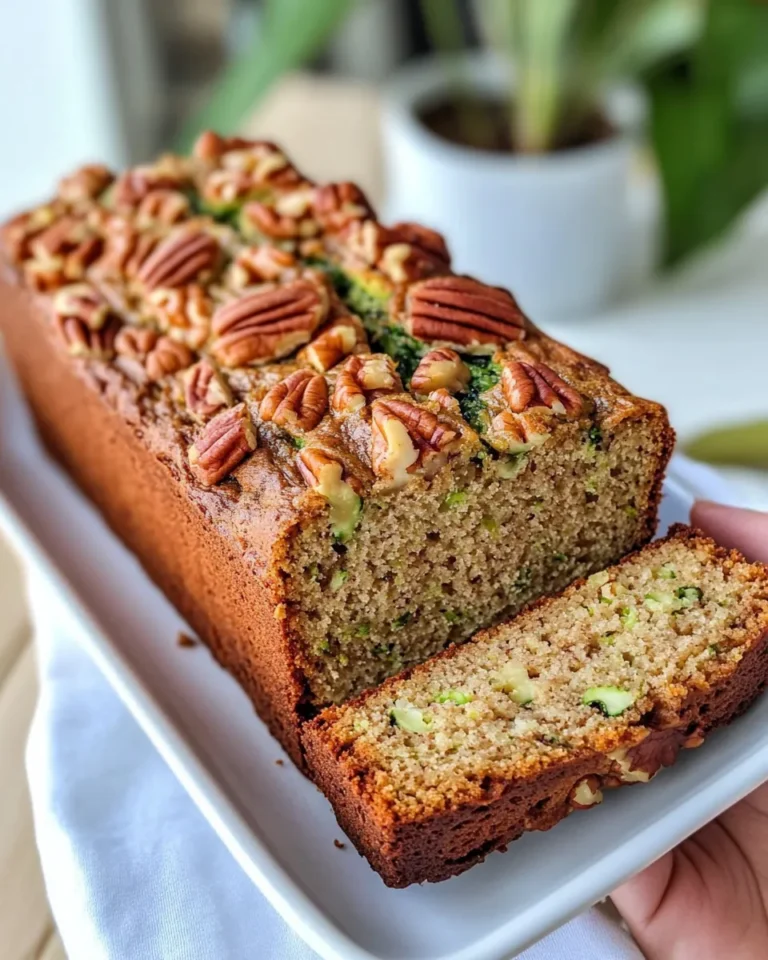
This Lemon Loaf Cake is not one that typically rises into a high dome. As you can tell from the photos, it's a bit more of a flat cake, so don't be alarmed if you do not be alarmed if your loaf doesn't rise high up and dome on the top.