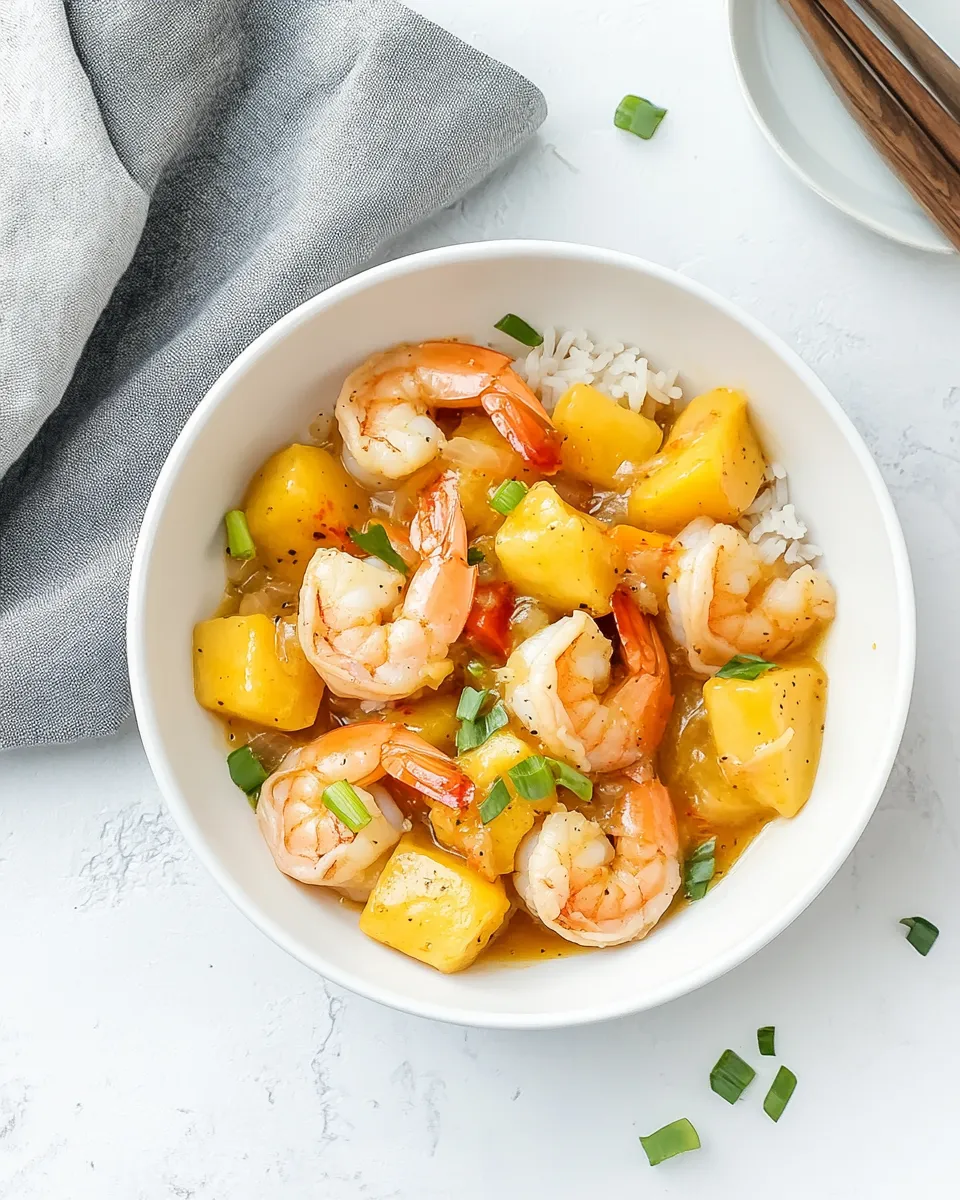
I love dishes that deliver big flavor without fuss. This sweet-and-sour shrimp does exactly that: poppable, saucy shrimp paired with crisp vegetables and bright pineapple, ready in a single skillet. It’s the kind of weeknight dinner that feels a little special but doesn’t eat your evening.
The sauce leans on pantry staples—ketchup, rice vinegar, soy, and honey—and a touch of cornstarch to give it that glossy cling. A quick toss with bell peppers, onion, and pineapple finishes the dish, and it’s perfect over rice or noodles. I’ll walk you through exactly what to do and how to avoid the common slips so your shrimp stay tender and the sauce hits the right balance.
The Ingredient Lineup
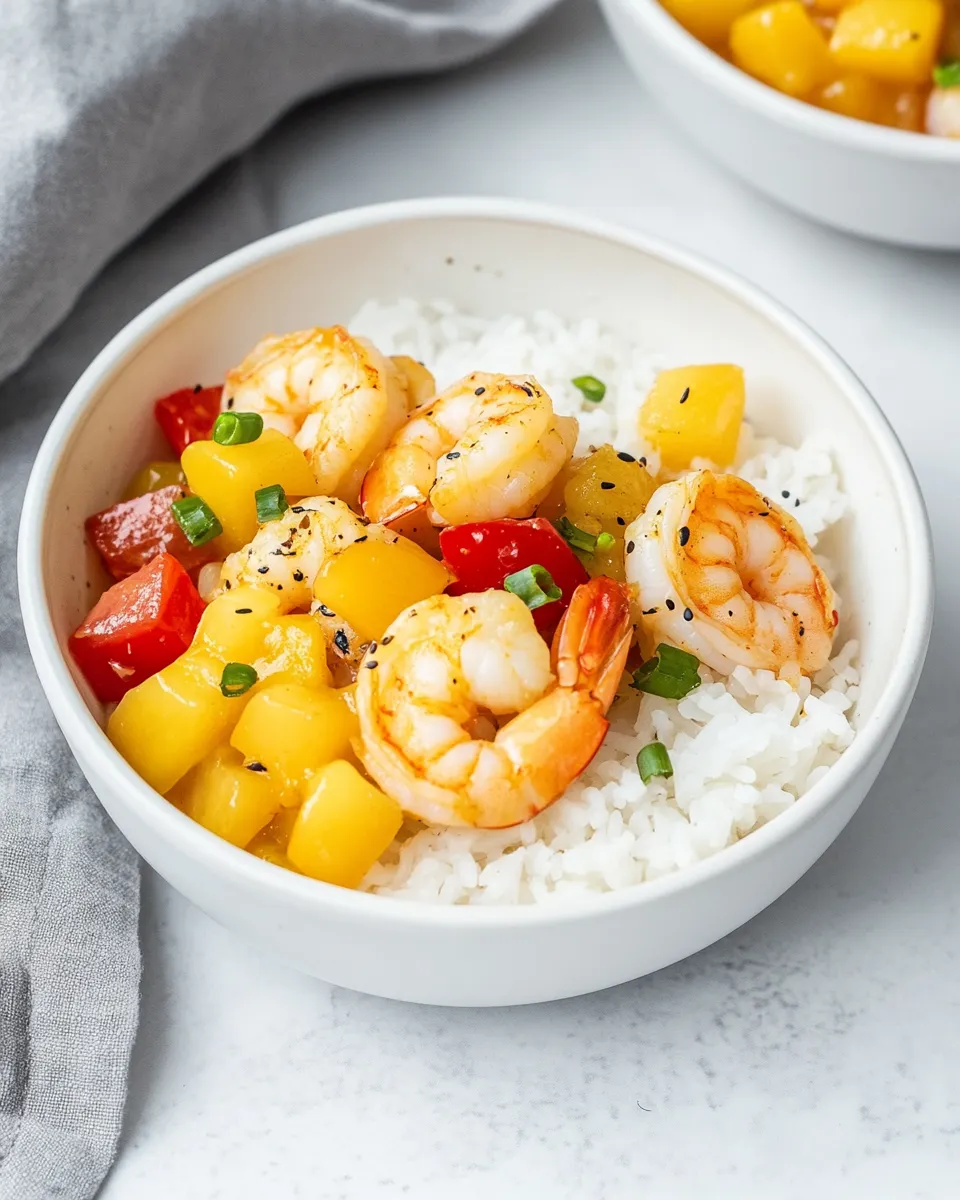
Ingredients
- 1 pound (450 g) shrimp — peeled and deveined; the star protein. Pat very dry so the light cornstarch coating crisps up.
- 1 tbsp cornstarch — used to dust the shrimp for a light crust and to help the exterior brown.
- 1/2 tsp salt — seasons the shrimp and helps bring the flavors together.
- Freshly ground black pepper — to taste; a little heat and aroma.
- 1/2 tsp Asian sesame oil — a little goes a long way; adds toasty, nutty background flavor in the sauce.
- 1/2 cup ketchup — the sweet-tangy base of the sauce; use a decent brand for best flavor.
- 1/4 cup rice vinegar — acidity to balance the sweetness; rice vinegar is mild and pairs well here.
- 3 tbsp honey — sweetener and sheen; adjust slightly if you prefer less sweet.
- 2 tbsp soy sauce — salt and umami; low-sodium works if you watch salt intake.
- 1 tbsp cornstarch — added to the sauce mix so it thickens and becomes glossy.
- 1/4 cup water — thins the sauce enough to simmer and activate the cornstarch.
- 1 tbsp vegetable oil — neutral oil for pan-frying the shrimp and stir-frying the veg.
- 1 red bell pepper — diced; color, crunch, and sweetness.
- 1 green bell pepper — diced; a touch of bitterness and texture contrast.
- 1 onion — diced; builds savory depth and softens in the stir-fry.
- 1 cup pineapple chunks — fresh or canned; bright acidity and sweetness that make the dish sing.
- 2 cloves garlic — minced; aromatic backbone—add late so it doesn’t burn.
- 1 tsp grated fresh ginger — fresh or frozen; adds a warm, peppery lift to the sauce.
Directions: Sweet and Sour Shrimp
- Pat the shrimp dry with paper towels. In a bowl, mix 1 tablespoon cornstarch, 1/2 teaspoon salt, and freshly ground black pepper (to taste). Toss the shrimp in the mixture until evenly coated.
- In a separate bowl, whisk together 1/2 cup ketchup, 1/4 cup rice vinegar, 3 tablespoons honey, 2 tablespoons soy sauce, 1 tablespoon cornstarch, 1/4 cup water, and 1/2 teaspoon Asian sesame oil until smooth. Set the sauce aside.
- Heat a large skillet or wok over medium-high heat. Add 1 tablespoon vegetable oil and swirl to coat the pan. When the oil is hot (shimmering but not smoking), add the coated shrimp in a single layer. Cook 2–3 minutes per side, until the shrimp are opaque, pink, and lightly golden. Work in batches if needed to avoid crowding. Transfer cooked shrimp to a plate and set aside.
- Using the same pan, keep the heat at medium-high. Add the diced red bell pepper, diced green bell pepper, diced onion, and pineapple chunks. Stir-fry 2–3 minutes, until the vegetables are crisp-tender.
- Add the minced garlic and grated ginger to the pan and stir 30–60 seconds, until fragrant (watch carefully so they do not burn).
- Whisk the sauce briefly (if any cornstarch has settled) and pour it into the pan with the vegetables. Stir constantly, bring to a simmer, and cook 2–3 minutes, until the sauce thickens and becomes glossy and coats the vegetables.
- Return the cooked shrimp to the pan and toss to coat in the sauce. Cook 1 minute more, just to heat the shrimp through.
- Remove from heat and serve immediately (for example, over steamed rice or noodles).
Why This Recipe Belongs in Your Rotation
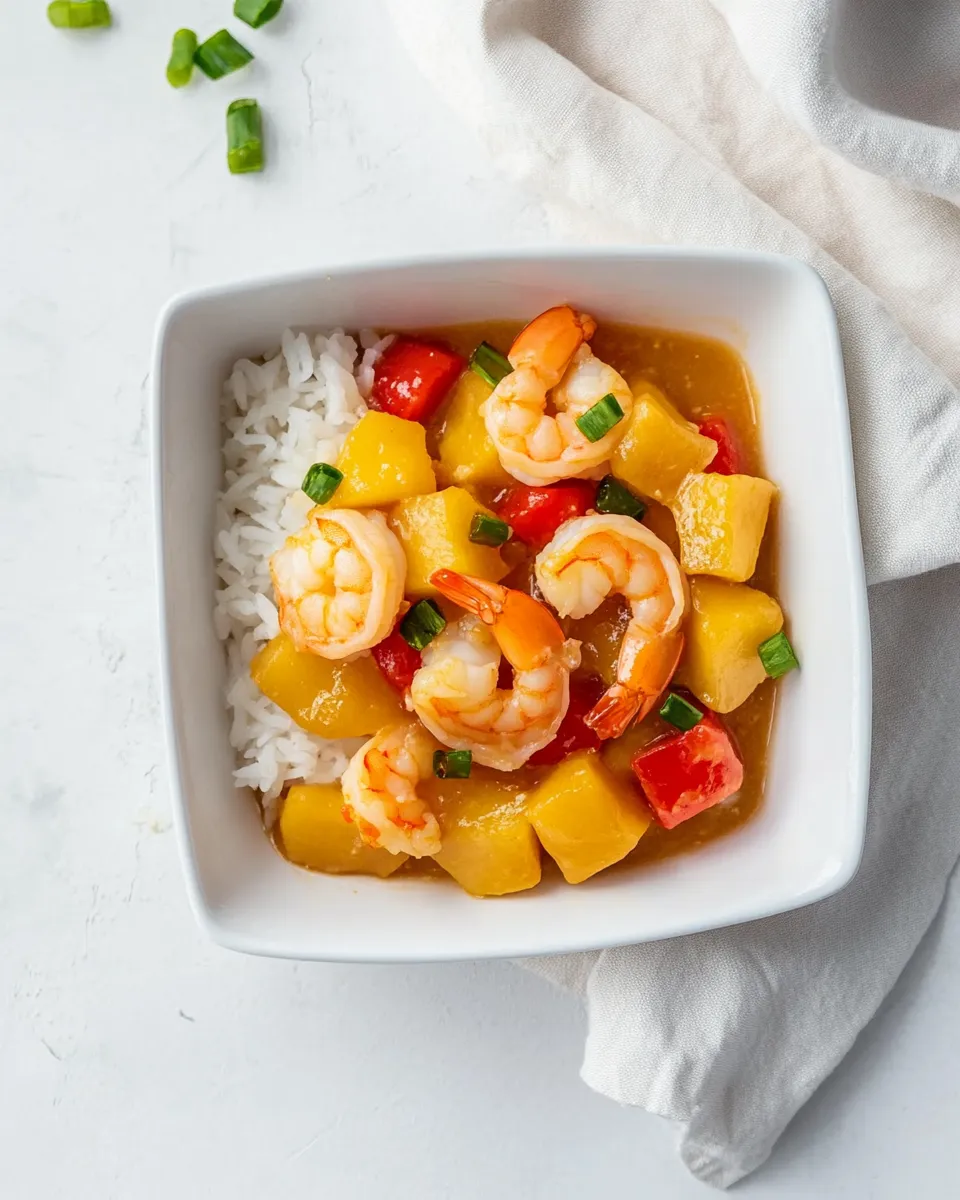
This recipe is fast, forgiving, and flavorful. It comes together in under 30 minutes once your ingredients are prepped. The cornstarch dusting keeps the shrimp tender while giving a slight exterior bite; the sauce is tangy, sweet, and glossy—exactly what you want from a classic sweet-and-sour profile.
It’s versatile. Serve it with jasmine rice, brown rice, or buttered noodles. Add extra vegetables or scale the batch up for company. Because the sauce is made ahead of the stir-fry steps, the actual cooking time is mostly hands-on tossing—no simmering pots or complicated timing.
Budget & Availability Swaps
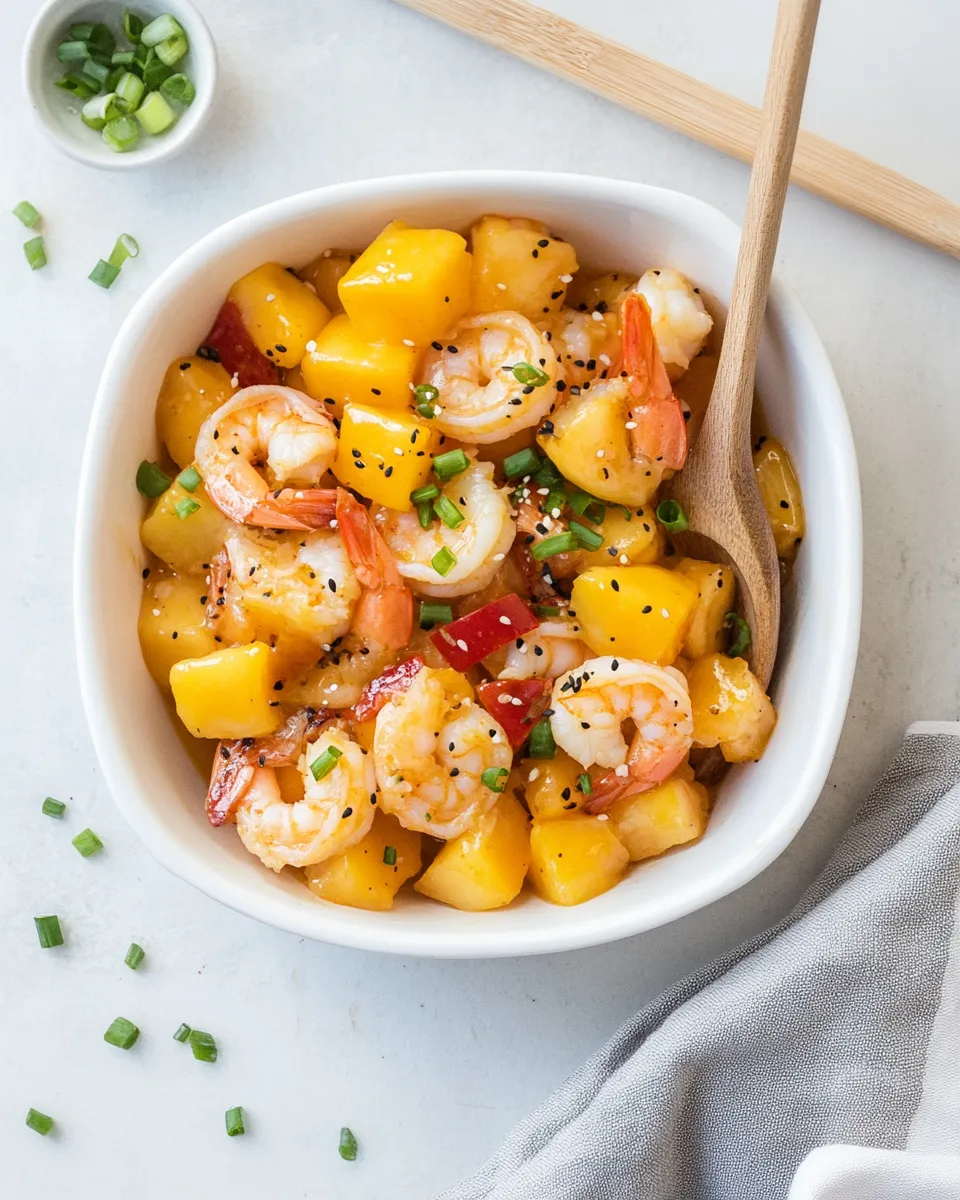
Shrimp can be the priciest component. Frozen shrimp (thawed and well-drained) work perfectly and often cost less; just pat them dry before coating. If fresh pineapple is out of season or pricey, canned pineapple chunks drained of excess syrup are a reliable swap.
Don’t have rice vinegar? A mild white wine vinegar mixed with a pinch of sugar can substitute in a pinch, but start with less and taste. If you prefer less sugar, cut the honey by a tablespoon and balance with a touch more vinegar or a squeeze of fresh lime (if you have it).
What You’ll Need (Gear)
- Large skillet or wok — roomy surface, high heat for quick cooking.
- Mixing bowls — one for shrimp coating, one for the sauce.
- Measuring spoons and cups — precise cornstarch ratios matter for texture.
- Spatula or tongs — for quick flips and stirring without breaking the shrimp.
- Grater or microplane — for the ginger (fresh brightness helps).
Problems & Prevention
Shrimp rubbery or overcooked: cook shrimp only until opaque and just pink. They continue to heat slightly after you remove them from the pan. Work in batches if your pan is crowded—crowding drops the pan temperature and causes steaming rather than searing.
Sauce too thin or lumpy: whisk the sauce mixture before you pour it in, especially if cornstarch has settled. If it’s still thin, simmer a little longer; if it’s lumpy, strain quickly or whisk vigorously over heat to dissolve clumps. If the sauce thickens too much, stir in a tablespoon or two of water until it loosens.
Burned garlic/ginger: add them after the vegetables have softened a touch and stir constantly for 30–60 seconds. Garlic burns fast and will make the sauce bitter if you let it sit at high heat too long.
Nutrition-Minded Tweaks
To reduce sugar, cut the honey by up to half and increase rice vinegar slightly, or use a low-sugar ketchup. Swap regular soy sauce for a low-sodium version to cut sodium. Add extra vegetables—snap peas, broccoli florets, or sliced carrots—to increase fiber and volume without many extra calories.
Serve over cauliflower rice or a large bed of steamed greens to reduce refined carbs. If you want to skip frying oil, you can finish cooked shrimp directly in the thickened sauce (toss until just warmed), though the shrimp will miss the slight sear from the pan.
Behind-the-Scenes Notes
There are two uses of cornstarch here: a little on the shrimp and a little in the sauce. The dusting helps with browning and texture; the cornstarch in the sauce is what makes it shiny and clingy. The sesame oil is added in small quantity to the sauce for aroma; too much can read as overwhelmingly nutty.
I like to prepare the sauce and have everything diced before heating the pan. Stir-fries move quickly—mise en place saves stress. If you’re using frozen shrimp, thaw them under cold running water, dry thoroughly, then proceed as instructed.
Save It for Later
Store leftovers in an airtight container in the refrigerator for up to 2–3 days. The sauce will thicken as it cools; when reheating, add a splash of water and warm gently in a skillet over medium-low heat to avoid overcooking the shrimp.
Freezing cooked shrimp in sauce is possible but not ideal—texture suffers. If you plan to freeze, freeze just the sauce separately and add freshly cooked or thawed shrimp when reheating for best texture.
Handy Q&A
Q: Can I use larger or smaller shrimp? A: Yes—adjust cooking time. Large shrimp need slightly longer; small shrimp need less. Watch for opacity and pink color as your guide.
Q: My sauce tastes flat—how do I fix it? A: Balance is the key: a touch more rice vinegar brightens, a little more honey sweetens, and a splash of soy lifts the umami. Taste and adjust in small increments.
Q: Can I make this gluten-free? A: Yes—use tamari or a gluten-free soy sauce and confirm your ketchup is gluten-free. Cornstarch is naturally gluten-free.
Q: Is there a make-ahead option? A: You can make the sauce in advance and keep it refrigerated for a day. Pre-chop vegetables and store them separately. Coat the shrimp just before cooking so the cornstarch doesn’t sit and become pasty.
That’s a Wrap
Sweet and Sour Shrimp is a reliable, fast, and flavorful dinner that fits easily into a busy week. With pantry-friendly sauce ingredients, bright pineapple, and a few simple technique checks—dry shrimp, hot pan, and quick cooking—you’ll get a glossy, balanced dish every time. Try it once and you’ll find yourself reaching for this routine again and again.
Enjoy—serve it steaming over rice, scatter scallions if you have them, and take a bow. This one’s a keeper.
Sweet and Sour Shrimp Recipe
Ingredients
Ingredients
- 1 pound450 g shrimppeeled and deveined
- 1 tbspcornstarch
- 1/2 tspsalt
- Freshly ground black pepper
- 1/2 tspAsian sesame oil
- 1/2 cupketchup
- 1/4 cuprice vinegar
- 3 tbspshoney
- 2 tbspssoy sauce
- 1 tbspcornstarch
- 1/4 cupwater
- 1 tbspvegetable oil
- 1 red bell pepperdiced
- 1 green bell pepperdiced
- 1 oniondiced
- 1 cuppineapple chunksfresh or canned
- 2 clovesgarlicminced
- 1 tspgrated fresh gingerfresh or frozen
Instructions
Instructions
- Pat the shrimp dry with paper towels. In a bowl, mix 1 tablespoon cornstarch, 1/2 teaspoon salt, and freshly ground black pepper (to taste). Toss the shrimp in the mixture until evenly coated.
- In a separate bowl, whisk together 1/2 cup ketchup, 1/4 cup rice vinegar, 3 tablespoons honey, 2 tablespoons soy sauce, 1 tablespoon cornstarch, 1/4 cup water, and 1/2 teaspoon Asian sesame oil until smooth. Set the sauce aside.
- Heat a large skillet or wok over medium-high heat. Add 1 tablespoon vegetable oil and swirl to coat the pan. When the oil is hot (shimmering but not smoking), add the coated shrimp in a single layer. Cook 2–3 minutes per side, until the shrimp are opaque, pink, and lightly golden. Work in batches if needed to avoid crowding. Transfer cooked shrimp to a plate and set aside.
- Using the same pan, keep the heat at medium-high. Add the diced red bell pepper, diced green bell pepper, diced onion, and pineapple chunks. Stir-fry 2–3 minutes, until the vegetables are crisp-tender.
- Add the minced garlic and grated ginger to the pan and stir 30–60 seconds, until fragrant (watch carefully so they do not burn).
- Whisk the sauce briefly (if any cornstarch has settled) and pour it into the pan with the vegetables. Stir constantly, bring to a simmer, and cook 2–3 minutes, until the sauce thickens and becomes glossy and coats the vegetables.
- Return the cooked shrimp to the pan and toss to coat in the sauce. Cook 1 minute more, just to heat the shrimp through.
- Remove from heat and serve immediately (for example, over steamed rice or noodles).
Equipment
- Bowl
- Large skillet or wok
- Whisk
Notes
The nutrition facts provided are approximate and may vary depending on the specific ingredients and brands used.