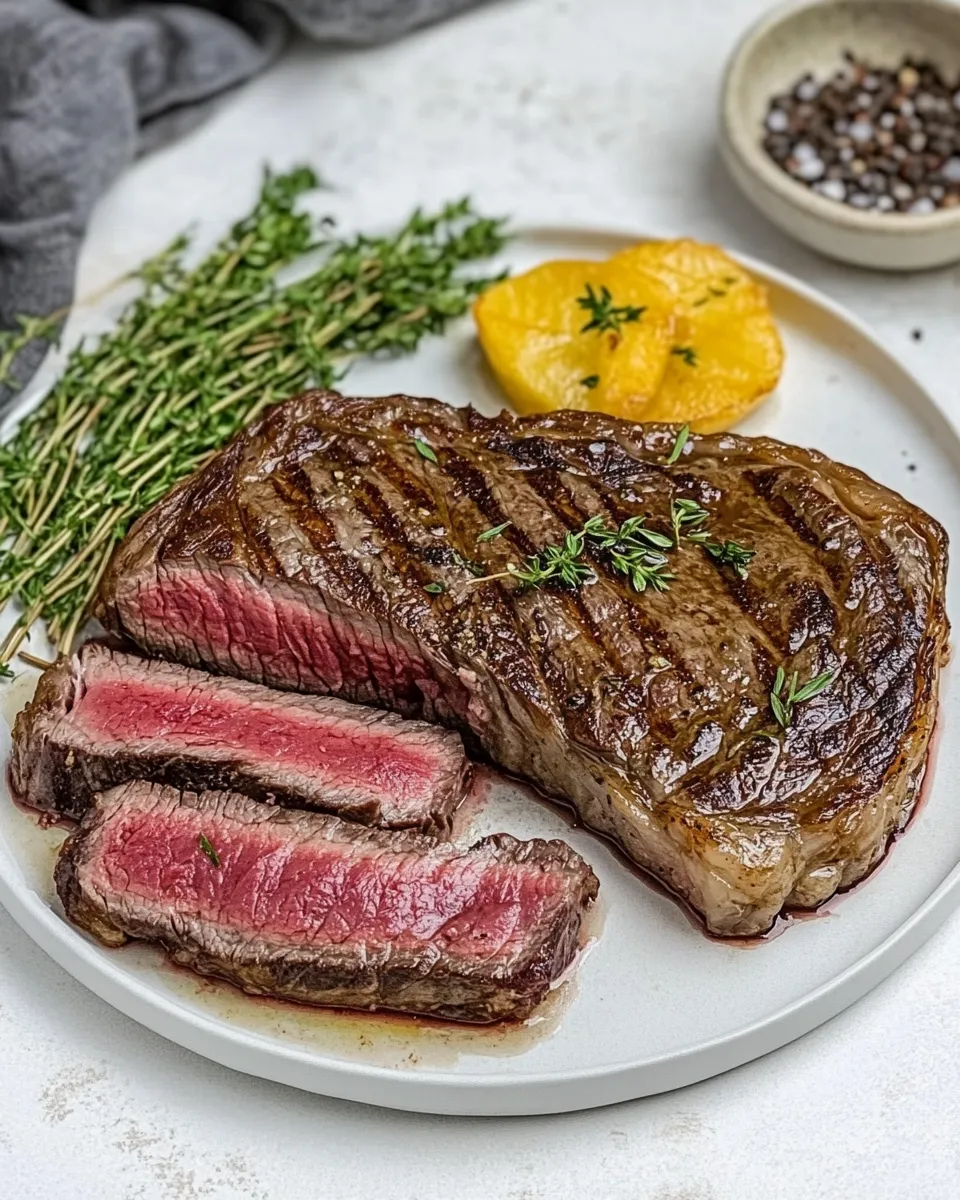
This is my go-to method for cooking ribeye when I want something reliably juicy, deeply flavored, and simple enough for a weeknight or special dinner. It leans on a hot sear, a short finish in the oven, and a tiny bit of butter for a glossy finish. There’s no complicated marinade or long prep—just salt, pepper, heat, and timing.
I write these recipes because good steak is forgiving when you follow a clear process. You’ll find notes on tools, smart substitutions, storage, and the few things that wreck a great sear. Read straight through for the step-by-step, or skip to the section you need.
Keep this method in your back pocket. It works for bone-in or boneless ribeyes, whatever thickness you have on hand. Follow the thermometer guidance and you’ll hit the doneness you want every time.
What You’ll Need
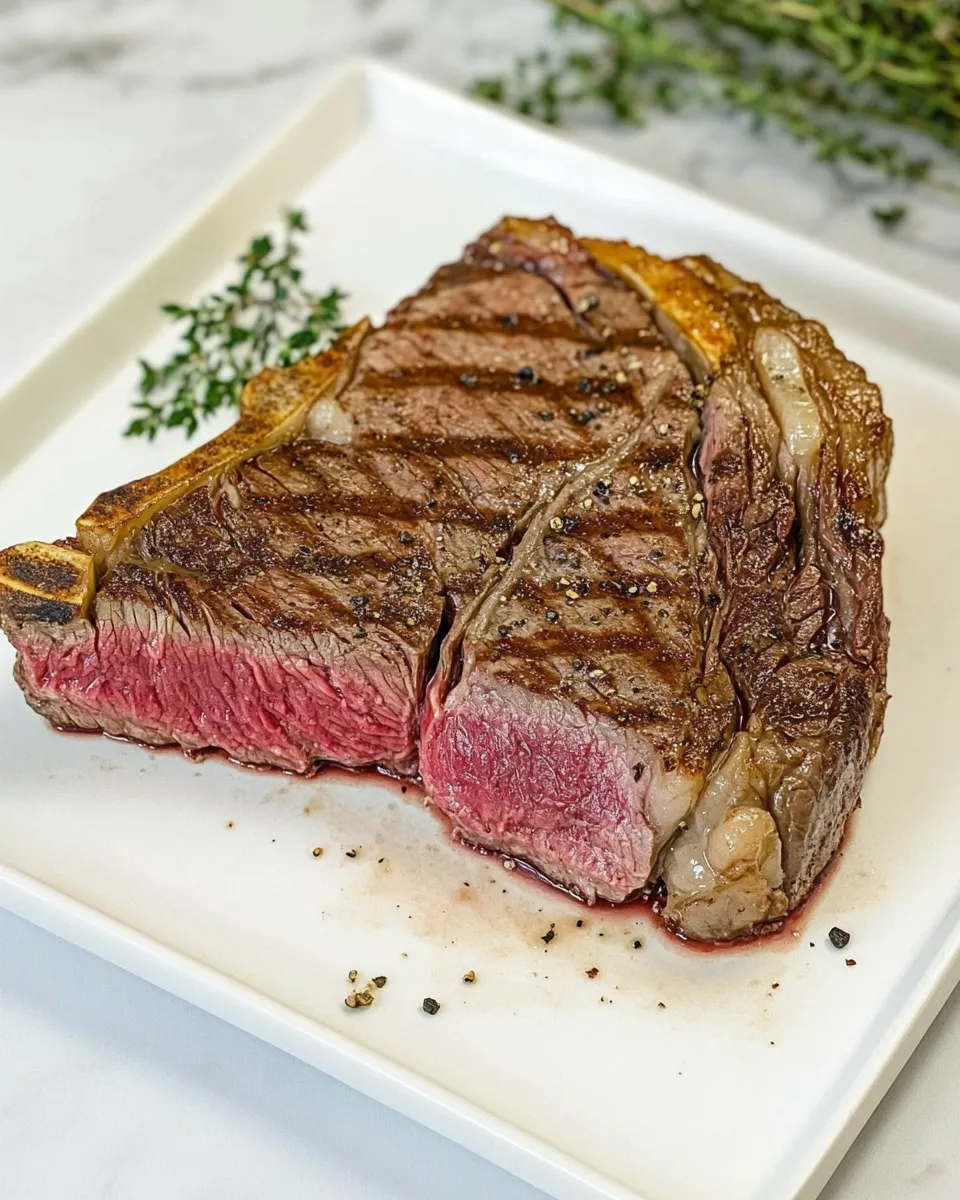
- Large oven-safe cast-iron skillet — for a reliable, even sear and safe transfer to the oven.
- Oven-safe digital thermometer — to accurately hit your desired doneness without guessing.
- Tongs — for confident flipping without piercing the meat.
- Paper towels and a plate — to dry the steaks and rest them after cooking.
- Foil — to tent the steaks while they rest.
Ingredients
- 2 ribeye steaks, any thickness, bone-in or boneless — choose steaks with good marbling for flavor and juiciness.
- 1 tablespoon extra virgin olive oil — helps develop a nice crust and prevents sticking.
- 1 teaspoon kosher salt, approximately — seasons the meat; adjust slightly for personal taste.
- ¼ teaspoon freshly ground black pepper — adds a bright, peppery finish without overpowering the beef.
- 1 tablespoon unsalted butter, cut into 2 pieces — melts over the steaks at the end for richness and sheen.
From Start to Finish: Ribeye Steak Recipe
- Preheat the oven to 450°F (230°C).
- Remove the 2 ribeye steaks from the refrigerator and let them sit at room temperature for 15–30 minutes.
- Pat the steaks dry with paper towels. Evenly sprinkle the 1 teaspoon kosher salt and the 1/4 teaspoon freshly ground black pepper over both sides of the steaks; rub the seasonings lightly into the meat.
- Heat a large oven-safe cast-iron skillet over high heat. Add the 1 tablespoon extra virgin olive oil and heat until the oil is shimmering.
- Carefully lay the steaks into the hot skillet away from you to avoid splatter. Sear the first side for 1–2 minutes, until a deep brown crust forms. Flip the steaks and sear the other side for 1–2 minutes.
- After flipping and searing the second side, place one piece of the unsalted butter (half of the 1 tablespoon, already cut into 2 pieces) on top of each steak.
- Insert an oven-safe digital thermometer into the center of one of the steaks (preferably the thickest). Transfer the skillet to the preheated oven.
- Set the thermometer alarm to 5°F (≈2–3°C) below your desired final temperature:
- Rare: target 125°F (52°C) → set to 120°F (50°C)
- Medium-rare: target 135°F (57°C) → set to 130°F (55°C)
- Medium: target 145°F (63°C) → set to 140°F (61°C)
- When the thermometer alarms, carefully remove the skillet from the oven. Immediately transfer the steaks to a plate or serving platter.
- Tent the steaks loosely with foil and let them rest for 5–10 minutes before serving.
Top Reasons to Make Ribeye Steak Recipe
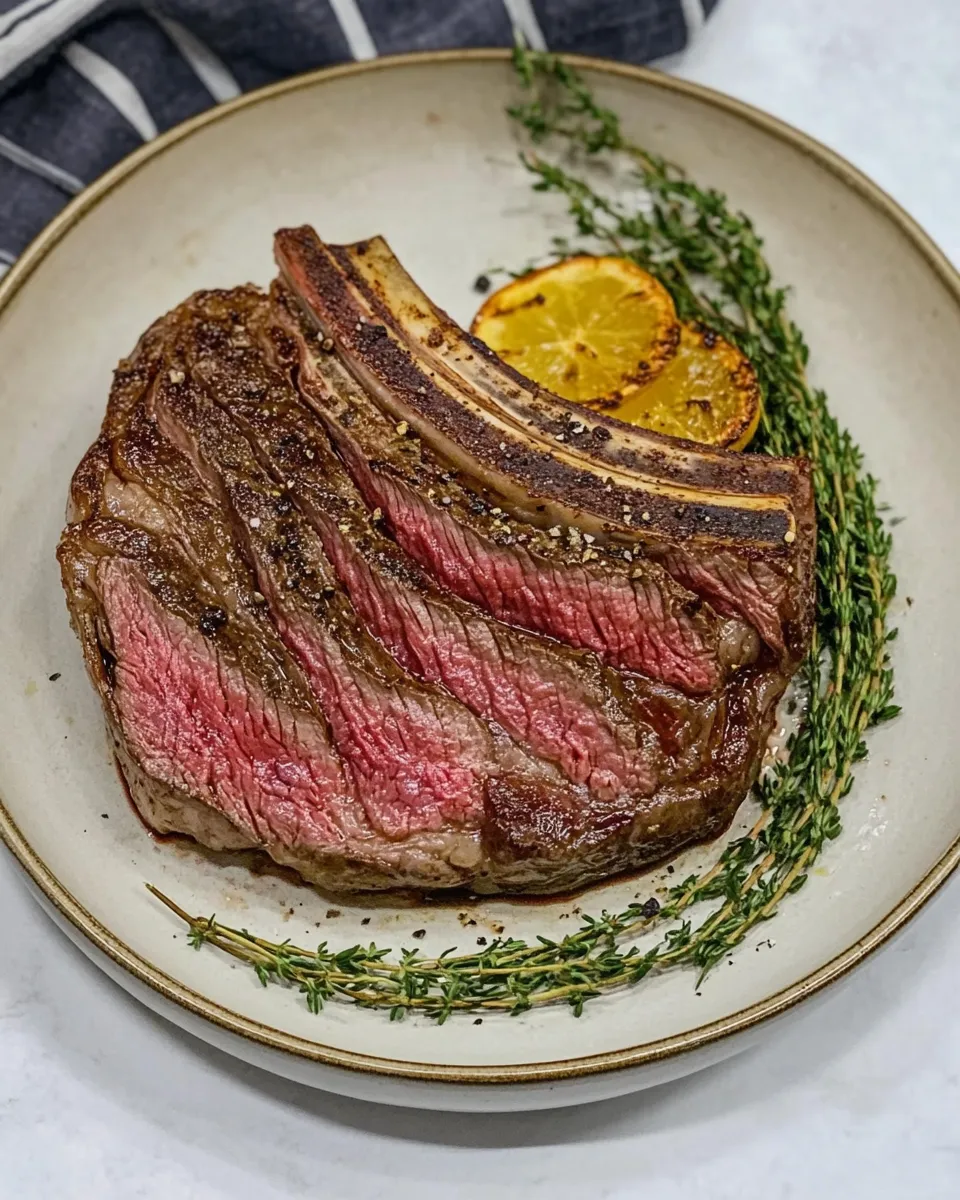
Flavor is the main reason: ribeye is well-marbled, which means the meat itself delivers richness and beefy depth without a lot of extra work. The method here accentuates that natural fat with a strong sear and a brief oven finish to avoid overcooking the interior.
Consistency is another big draw. The short stovetop sear followed by a thermometer-guided oven finish removes most of the guesswork. If you’re feeding guests or cooking under time pressure, this approach gives predictable results.
Finally, it’s fast. From room-temperature resting to plated dinner is around 30–40 minutes for most steaks. That makes it practical for weeknights, date nights, and last-minute celebrations.
Substitutions by Category
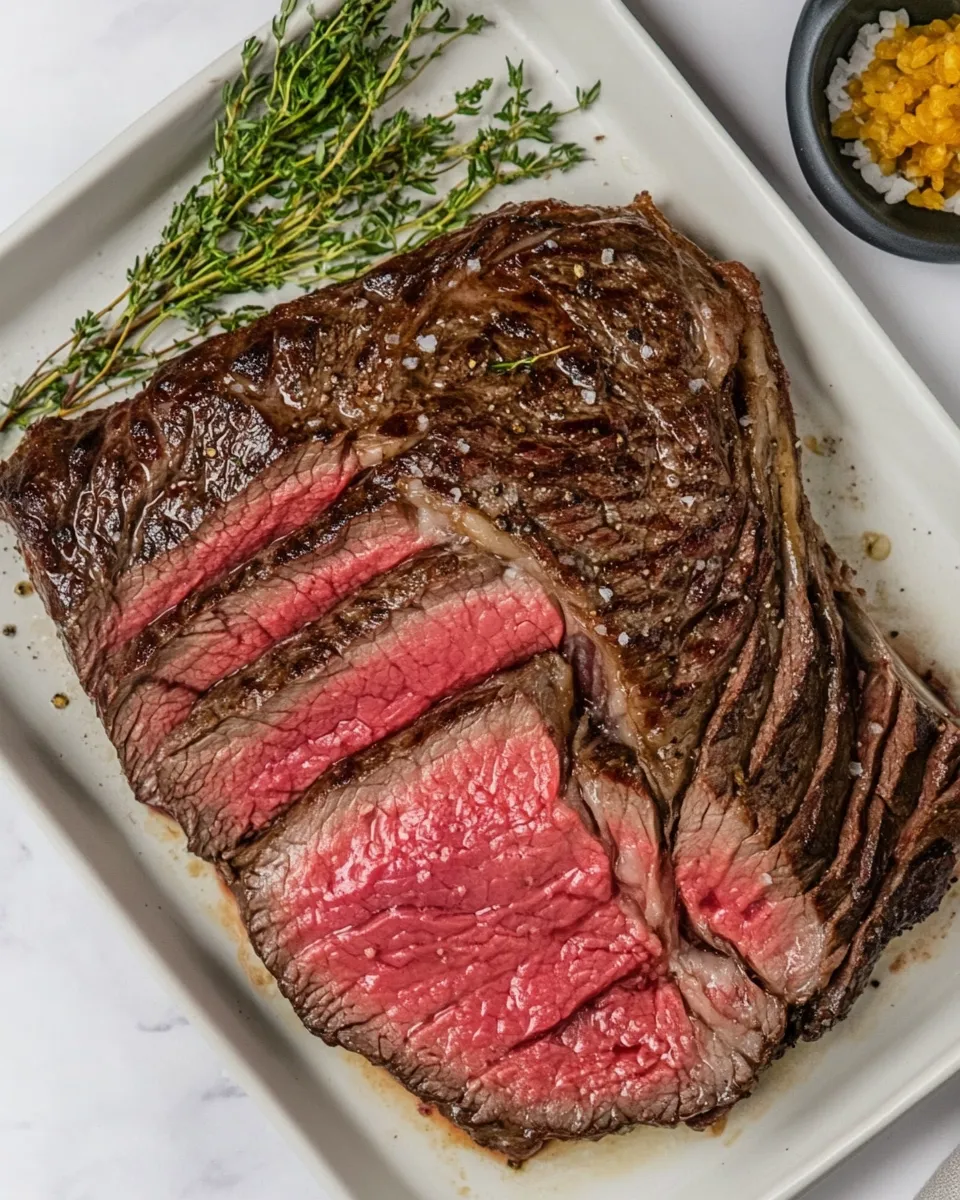
Steak: You can apply this exact method to other thick steaks—strip steak, porterhouse, or New York—keeping an eye on thickness and bone. The timing will be similar; rely on the thermometer rather than minutes.
Fat & cooking oil: If you prefer, use a neutral oil with a higher smoke point (canola, avocado) in place of extra virgin olive oil. Olive oil adds a touch of flavor, but it’s not mandatory.
Seasoning: Kosher salt and freshly ground black pepper are all you need. If you like, finish with a light sprinkle of flaky sea salt after resting for texture. Avoid heavy rubs that mask the beef.
Butter: Unsalted butter is recommended so you control the salt level. Substitute with a compound butter or a dab of ghee for a nutty finish, but keep the amount small so it doesn’t overpower the crust.
Appliances & Accessories
- Oven — set to 450°F (230°C) for the finishing step.
- Large oven-safe cast-iron skillet — the best single pan for searing and oven transfer.
- Oven-safe digital thermometer — insert into the thickest steak to track internal temp in real time.
- Tongs — sturdy, long-handled tongs keep you safe from splatter when flipping.
- Paper towels and a plate for drying and resting.
Steer Clear of These
- Don’t cook the steaks straight from the fridge. A brief 15–30 minute warm-up at room temperature promotes even cooking.
- Don’t skip drying the surface. Moisture prevents a proper crust. Pat them dry until the surface no longer glistens.
- Avoid overcrowding the pan. If the skillet is crowded, the meat will steam instead of sear. Work in batches if needed.
- Don’t rely solely on time—use the thermometer. Thickness and starting temperature affect cook time dramatically.
- Don’t skip resting. Cutting too soon lets the juices run out and the steak will be drier.
Seasonal Serving Ideas
Spring: Serve with a simple arugula salad tossed with lemon vinaigrette and shaved Parmesan. The peppery greens cut through the richness.
Summer: Pair with charred corn, grilled vegetables, or a light tomato salad. Bright, acidic sides balance the fat and make for a picnic- or patio-friendly plate.
Autumn: Offer roasted root vegetables and garlic mashed potatoes. Heartier sides match the cozy feel of a well-seared ribeye.
Winter: Plate with braised greens, a red wine reduction, or roasted mushrooms. Finish with a pat of compound butter (thyme, garlic) if you want extra warmth and depth.
Notes on Ingredients
Ribeye quality matters more than fancy extras. Look for good marbling—thin white threads of fat running through the meat—which melts during cooking and keeps the steak tender. Bone-in steaks give a touch more flavor and can help with even cooking, but boneless steaks are easier to slice.
Salt: I list about 1 teaspoon kosher salt for two steaks. That’s a guideline; coarse salts measure differently, so use kosher salt by volume as shown. If you use a finer salt, reduce the amount slightly.
Oil and butter: The oil primarily prevents sticking and helps with crust development. The butter, added after searing, melts into the steak and adds gloss and richness. Using unsalted butter lets you control the salt level overall.
Keep It Fresh: Storage Guide
Cooked steaks: Let them cool to room temperature no longer than two hours, then wrap tightly and refrigerate. Use within 3–4 days for best quality. Reheat gently—slice and warm in a hot skillet briefly, or use a low oven (250°F/120°C) until heated through.
Raw steaks: Store in the coldest part of your refrigerator and use within 3–5 days of purchase. If you won’t cook within that window, freeze them for up to 6–12 months in a vacuum-sealed bag or tightly wrapped to avoid freezer burn.
Common Qs About Ribeye Steak Recipe
How do I know when the steak is done?
Use the oven-safe digital thermometer inserted into the thickest part of the steak. Set the alarm 5°F (≈2–3°C) below your target, then remove and rest when it beeps. Temperatures for reference: rare target 125°F (52°C), medium-rare 135°F (57°C), medium 145°F (63°C).
What if my steak is very thin?
Thin steaks will cook through rapidly and may not benefit from the oven finish. Reduce sear times and watch the thermometer closely, or use a hotter pan for a shorter total time. If it’s under 1-inch thick, consider searing and finishing in the pan without the oven, watching temps carefully.
Can I use salted butter?
You can, but reduce the added salt slightly when seasoning the meat. Unsalted butter gives you more control over the final salt level.
Do I need to baste the steak in butter while searing?
Not with this method. The butter is added after flipping and before the oven finish to add flavor and gloss. Basting during the short sear is optional and not required for a great result.
Why set the thermometer 5°F lower than target?
The steak continues to rise in temperature after you remove it from the oven. Setting the alarm a few degrees lower prevents overshooting your desired doneness; resting lets carryover cooking finish the job.
In Closing
This Ribeye Steak Recipe is about using a few dependable techniques to get the best from a great piece of beef. There’s no trick—just a hot pan, a careful finish in the oven, and a thermometer to take the guesswork away. Follow the steps, keep your tools ready, and rest the steak before slicing. You’ll end up with a crusty exterior, an evenly cooked interior, and a steak that tastes like you spent much longer on it than you did.
Make it tonight and adjust small details to match your stove and steak thickness; you’ll find your perfect rhythm quickly. Enjoy—serve with something green and a glass you like.
The Best Ribeye Steak Recipe
Ingredients
Ingredients
- 2 ribeye steaks any thickness, bone-in or boneless
- 1 tablespoonextra virgin olive oil
- 1 teaspoonkosher salt approximately
- 1/4 teaspoonfreshly ground black pepper
- 1 tablespoonunsalted butter cut into 2 pieces
Instructions
Instructions
- Preheat the oven to 450°F (230°C).
- Remove the 2 ribeye steaks from the refrigerator and let them sit at room temperature for 15–30 minutes.
- Pat the steaks dry with paper towels. Evenly sprinkle the 1 teaspoon kosher salt and the 1/4 teaspoon freshly ground black pepper over both sides of the steaks; rub the seasonings lightly into the meat.
- Heat a large oven-safe cast-iron skillet over high heat. Add the 1 tablespoon extra virgin olive oil and heat until the oil is shimmering.
- Carefully lay the steaks into the hot skillet away from you to avoid splatter. Sear the first side for 1–2 minutes, until a deep brown crust forms. Flip the steaks and sear the other side for 1–2 minutes.
- After flipping and searing the second side, place one piece of the unsalted butter (half of the 1 tablespoon, already cut into 2 pieces) on top of each steak.
- Insert an oven-safe digital thermometer into the center of one of the steaks (preferably the thickest). Transfer the skillet to the preheated oven.
- Set the thermometer alarm to 5°F (≈2–3°C) below your desired final temperature: - Rare: target 125°F (52°C) → set to 120°F (50°C) - Medium-rare: target 135°F (57°C) → set to 130°F (55°C) - Medium: target 145°F (63°C) → set to 140°F (61°C)
- When the thermometer alarms, carefully remove the skillet from the oven. Immediately transfer the steaks to a plate or serving platter.
- Tent the steaks loosely with foil and let them rest for 5–10 minutes before serving.
Equipment
- 12-inch Cast Iron Skillet
- Oven Safe Digital Thermometer
Notes
Medium-Rare: 135℉ (57℃), with a red, warm center
Medium: 145℉ (63℃), with a pink, yet warm center
Medium Well: 150℉ (66℃), with a slightly pink center
Well Done: 160℉ (71℃), with little to no pink center