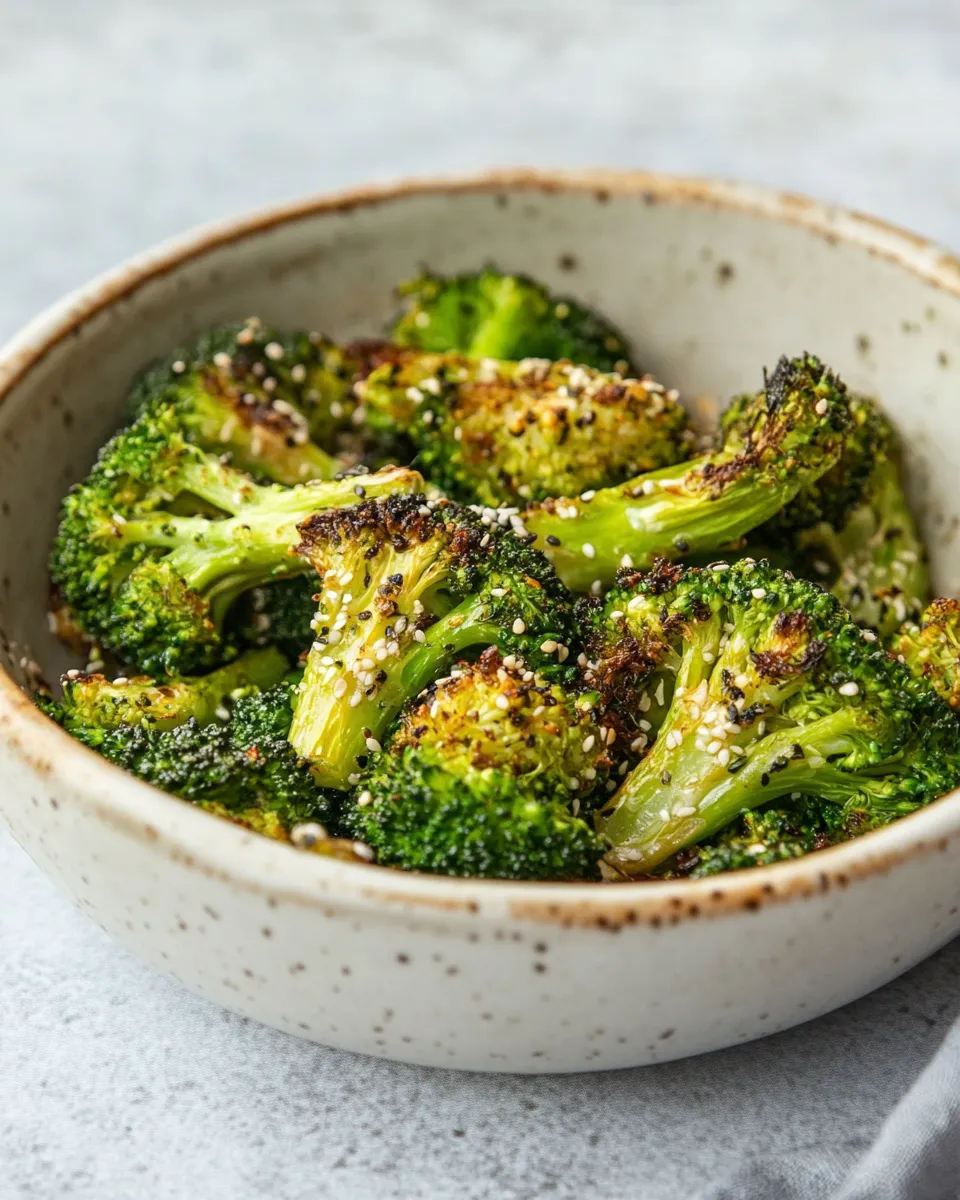
Roasted broccoli is one of those simple kitchen wins that feels special without a lot of fuss. A hot oven, a little oil, salt, and time transform ordinary florets into crisp-edged, caramelized bites that keep you reaching for more. I make this regularly as a weeknight side, a lunch boost, or a quick snack—it’s reliable and forgiving.
In this post I’ll walk you through a straightforward method that ensures even roasting and delicious flavor every time. No exotic ingredients, no tricky techniques. Just sensible steps and practical tips so your broccoli comes out tender in the middle and crisp at the edges.
Keep this recipe in the rotation. It’s fast, flexible, and pairs with almost anything. Read through the troubleshooting and tools sections if you want to tweak texture or speed up the process.
Gather These Ingredients
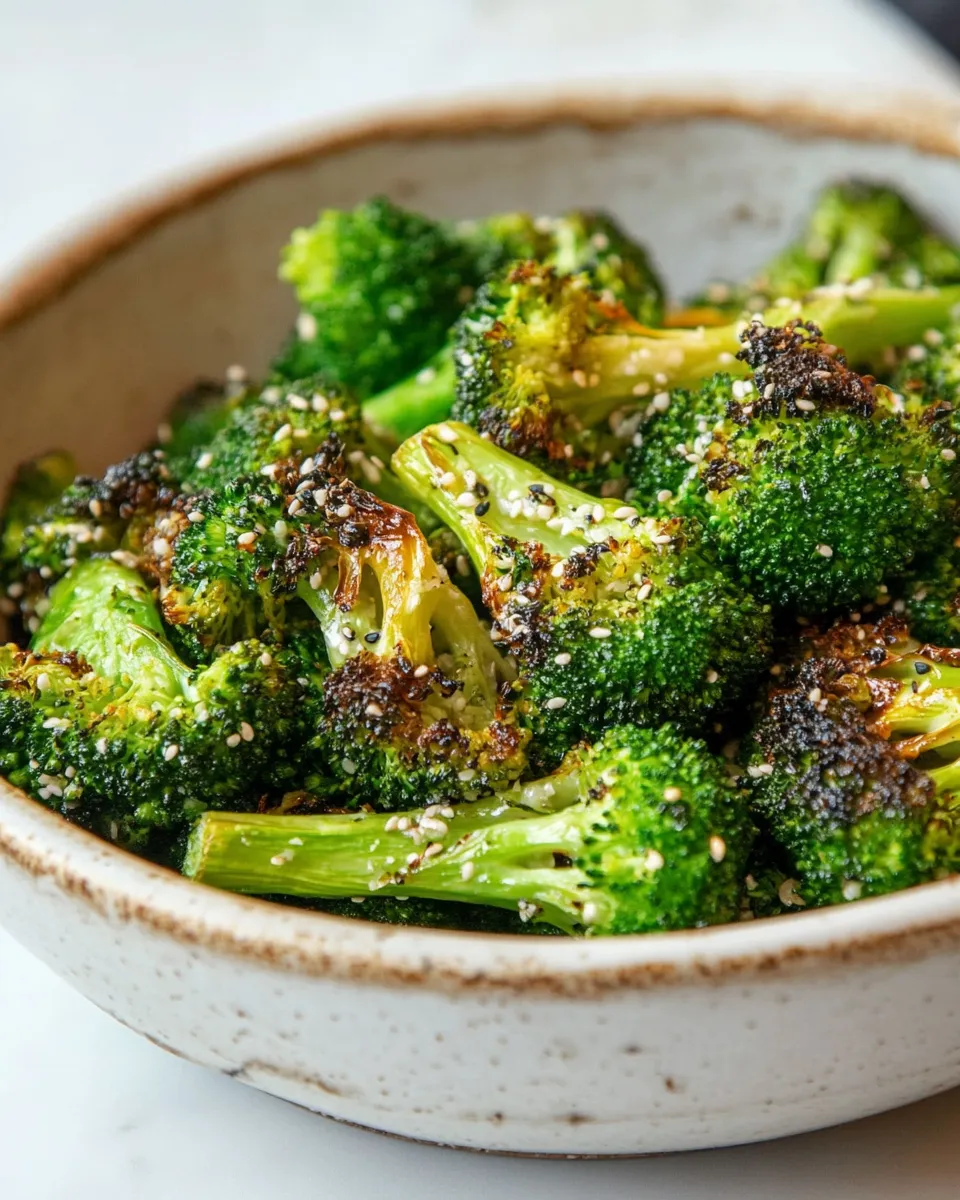
- 12 ounces broccoli florets — trimmed into similar-sized pieces for even roasting.
- 1 tablespoon extra-virgin olive oil — helps with browning and carries the seasoning.
- Sea salt — to taste; enhances the natural flavor of the broccoli.
- Freshly ground black pepper — to taste; adds a bright, aromatic finish.
- Red pepper flakes — optional; sprinkle after roasting for a touch of heat.
Make Roasted Broccoli: A Simple Method
- Preheat the oven to 400°F and place a rack in the center. Line a baking sheet with parchment paper.
- Place 12 ounces broccoli florets on the prepared baking sheet and spread them into a single layer.
- Drizzle 1 tablespoon extra-virgin olive oil over the florets, then sprinkle sea salt and freshly ground black pepper to taste.
- Toss the broccoli on the baking sheet to coat evenly with the oil and seasonings, then rearrange into a single layer (cut sides down if possible) for even roasting.
- Roast on the center rack for 15 to 22 minutes, checking at around 10–12 minutes and turning once if you want more even browning, until the broccoli is tender and the edges are crisped to your liking.
- Remove from the oven and, if desired, sprinkle red pepper flakes over the roasted broccoli before serving.
Why This Recipe Belongs in Your Rotation
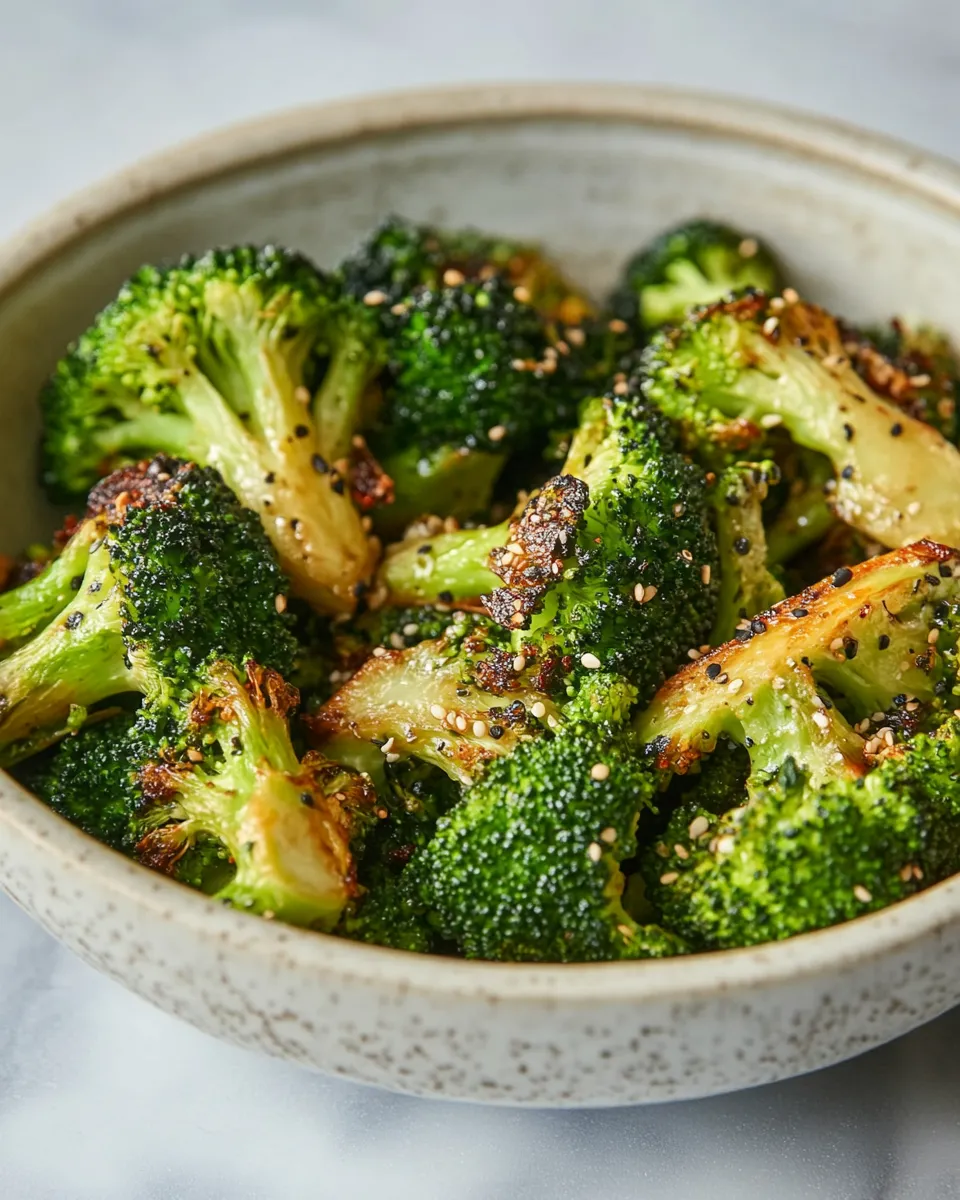
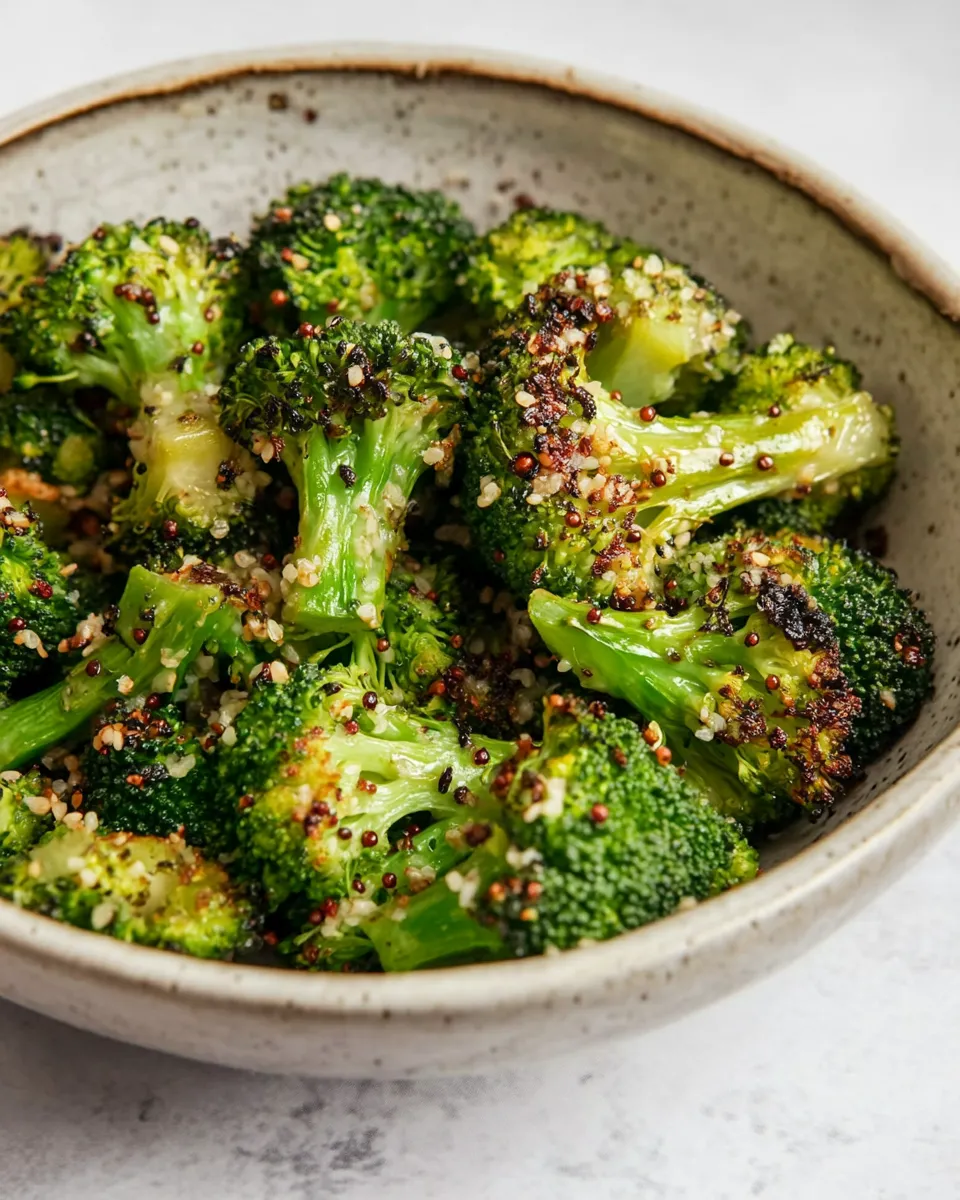
This is a dependable, no-fuss method that produces consistent results without exotic pantry items or special equipment. It transforms a humble vegetable into something with texture and depth: the florets develop caramelized spots, the stems stay tender, and the whole batch carries seasoning evenly. That kind of reliable outcome is rare for a five-minute prep dish.
It’s versatile. Serve it alongside roasted chicken, folded into pasta, tossed into grain bowls, or chopped into salads. It’s fast enough for weeknights but appealing enough for guests. Because the method is straightforward, you can focus on timing and doneness instead of wrestling with new techniques.
Finally, it’s forgiving. Minor differences in floret size or oven hot spots won’t ruin the final dish. If one tray runs ahead of another, you can pull pieces early and keep the rest roasting. Small adjustments make big differences here, which I cover below.
What to Use Instead
Substitutions matter when you’re short on an ingredient or trying to match a dietary choice. If you don’t have extra-virgin olive oil, any neutral oil with a high smoke point will work—grapeseed oil, avocado oil, or light olive oil are acceptable alternatives. Keep oil quantities similar; it’s there to promote browning, not to soak the florets.
If broccoli isn’t available, you can use similar cruciferous vegetables—cauliflower florets roast similarly, and Brussels sprouts work with the same temps and timing, though they may take a bit longer depending on size. For a spicier finish, swap red pepper flakes for a drizzle of chili oil after roasting.
For salt, any coarse or fine sea salt or kosher salt is fine. Adjust to taste. If you need to avoid pepper, smoked paprika or a squeeze of lemon (added after roasting) can give brightness without black pepper’s bite.
Toolbox for This Recipe
- Baking sheet — a rimmed sheet is best to catch any drips and keep the oven clean.
- Parchment paper — makes cleanup effortless and prevents sticking; you can also use a silicone mat.
- Chef’s knife — for trimming florets into uniform pieces so they cook evenly.
- Tongs or spatula — to toss and turn the broccoli during roasting if you choose to flip once.
- Oven thermometer — optional, but helpful if your oven runs hot or cool so you hit 400°F reliably.
Troubleshooting Tips
Texture issues and quick fixes
If your broccoli is limp rather than crisped at the edges, a few things could be happening. First, florets may be overcrowded on the sheet. They need air and space to brown. Move some to a second baking sheet or reduce the quantity per tray. Second, the florets might still be wet from washing. Pat them dry thoroughly before oiling—moisture steams the broccoli rather than roasts it.
If the florets char too quickly on the tips but remain hard in the stems, your oven rack may be too close to the heating element. Move the tray to the center rack and reduce the oven temperature by 15–25°F, then give it a couple more minutes. Cutting larger stems into smaller, uniform pieces helps them finish at the same time as the crowns.
If browning is uneven, rotate the pan halfway through the cook time. Some ovens have hotspots; a single gentle turn can save you from digging through a pan of unevenly roasted florets.
Make It Diet-Friendly
This roast is already naturally vegan and gluten-free, but a few tweaks make it fit other needs. To lower calories, reduce the oil to 2 teaspoons and toss the florets well; they’ll still achieve some browning, though the caramelization will be a bit milder. For a low-sodium option, omit added salt and finish with a squeeze of lemon after roasting to provide brightness without sodium. If you avoid oil entirely, roast at a slightly higher temp (about 425°F), watch closely for quicker browning, and accept a drier finish; some people spray a tiny amount of water on the pan to reduce sticking, but results vary.
For paleo or Whole30 approaches, stick with the extra-virgin olive oil or swap to avocado oil. If you need to keep it low FODMAP, this method is safe as-is—avoid adding garlic or onion powders.
Pro Perspective
As a food professional, I watch for two things: uniform sizing and hot, dry heat. Uniform pieces roast to the same doneness, and dry heat yields that desirable caramelization. Don’t skip tossing the florets on the baking sheet so each piece gets a thin sheen of oil; too little oil creates dry, pale broccoli, too much oil prevents crisping.
Flip the broccoli once if you want even color, but leaving cut sides down for the first portion of roasting encourages good contact with the hot pan and produces a better sear. If you’re roasting multiple trays, rotate them top-to-bottom halfway through rather than flipping the broccoli itself. That keeps the timing even across trays.
Finally, finish with texture contrasts when serving: a sprinkle of toasted nuts, a grind of black pepper, or a few red pepper flakes for heat. These small touches elevate a basic roast without adding complexity to the process.
Prep Ahead & Store
Prep: Trim and cut florets up to 24 hours ahead. Store them dry and covered in the fridge. Dryness is important; if florets retain moisture, they’ll steam in the oven and won’t brown properly.
Cooked storage: Cool roasted broccoli on a rack or tray for no more than an hour, then transfer to an airtight container and refrigerate for up to 4 days. For meal prep, portion into containers and reheat gently to avoid mushiness.
Reheating: The oven or a hot skillet restores texture better than the microwave. Reheat at 375°F for 8–10 minutes, or toss in a hot skillet over medium-high heat for a few minutes to re-crisp the edges. If using the microwave, do short bursts and finish in a pan if possible to regain some texture.
Quick Q&A
Q: Can I roast frozen broccoli? A: Yes. Thaw and pat dry first for best browning. Frozen broccoli straight from the bag will release water and steam rather than roast.
Q: Can I add garlic before roasting? A: Raw garlic can burn at this temperature. If you want garlic flavor, add minced garlic in the last 4–6 minutes or finish with garlic-infused oil after roasting.
Q: How do I get deeper caramelization? A: Increase oven temp to 425°F and watch closely; or roast a little longer after ensuring florets are dry and spaced apart.
Make It Tonight
If you need a dinner plan with minimal thought: preheat the oven, trim the broccoli while the oven comes to temp, toss with the oil and salt, and slide the tray in. Set a timer for 12 minutes and peek—flip once if you want an even tan—and let it go until 15–22 minutes depending on how crisp you prefer. While it roasts, finish a protein and a grain. Plate together and sprinkle red pepper flakes if you like heat.
This roast works for last-minute add-ons and planned dinners alike. It’s quick, it tastes great, and it’s one of those dependable recipes you’ll return to again and again. Happy roasting.
The Best Roasted Broccoli
Ingredients
Ingredients
- 12 ouncesbroccoli florets
- 1 tablespoonextra-virgin olive oil
- Sea saltto taste
- Freshly ground black pepperto taste
- Red pepper flakesoptional
Instructions
Instructions
- Preheat the oven to 400°F and place a rack in the center. Line a baking sheet with parchment paper.
- Place 12 ounces broccoli florets on the prepared baking sheet and spread them into a single layer.
- Drizzle 1 tablespoon extra-virgin olive oil over the florets, then sprinkle sea salt and freshly ground black pepper to taste.
- Toss the broccoli on the baking sheet to coat evenly with the oil and seasonings, then rearrange into a single layer (cut sides down if possible) for even roasting.
- Roast on the center rack for 15 to 22 minutes, checking at around 10–12 minutes and turning once if you want more even browning, until the broccoli is tender and the edges are crisped to your liking.
- Remove from the oven and, if desired, sprinkle red pepper flakes over the roasted broccoli before serving.
Equipment
- Oven
- Baking Sheet
- Parchment Paper