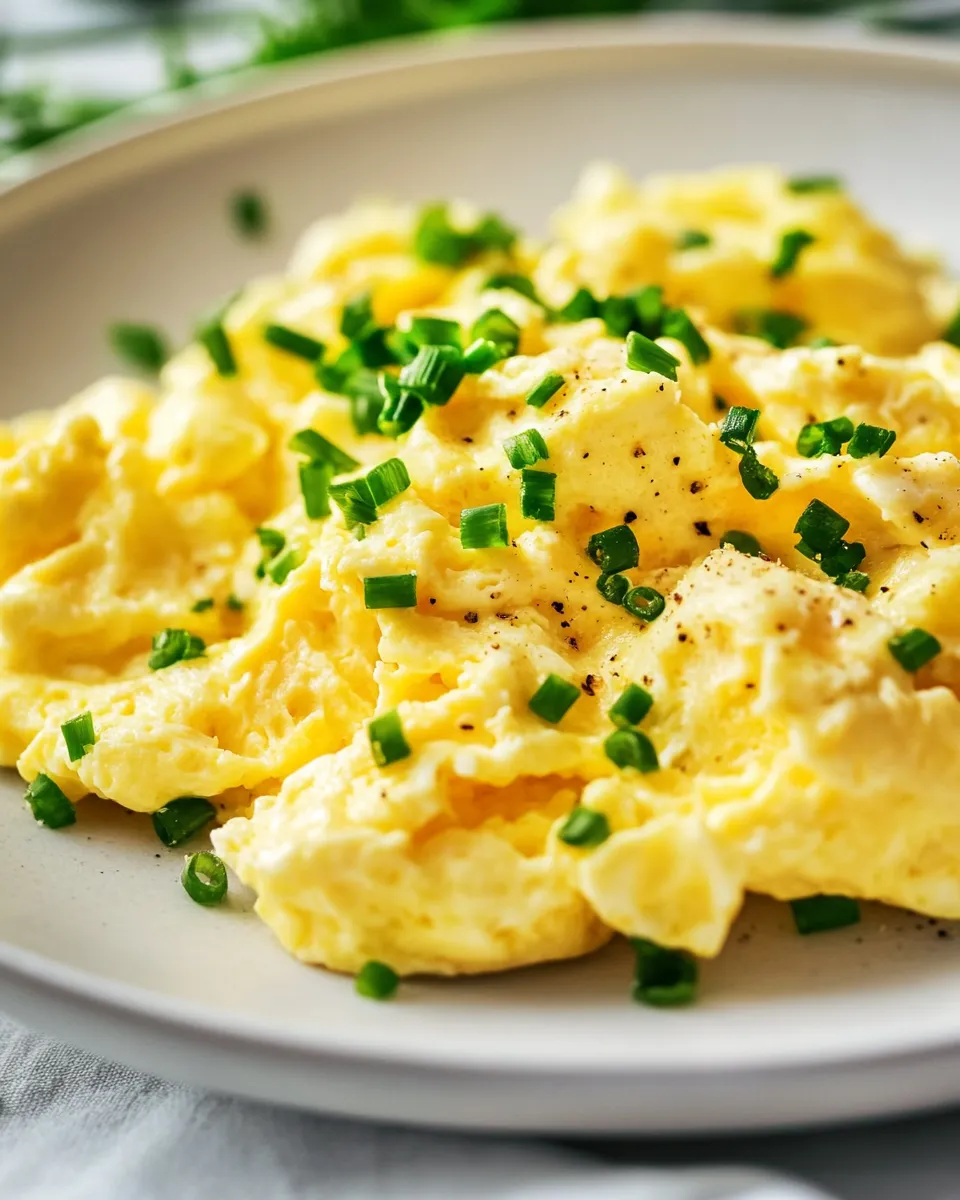
I make scrambled eggs almost every week. They’re my go-to when I want something fast, comforting, and forgiving — and after a lot of practice I have a straightforward method that consistently gives soft, slightly creamy curds instead of rubbery flakes. No gimmicks, just heat control and gentle motion.
This post is a practical walkthrough: the exact ingredients, the precise steps I follow, what to avoid, and small, useful swaps for mornings when your fridge is slim. I’ll also share the tools I rely on and what I learned while testing variations until I landed on this dependable routine.
What We’re Using
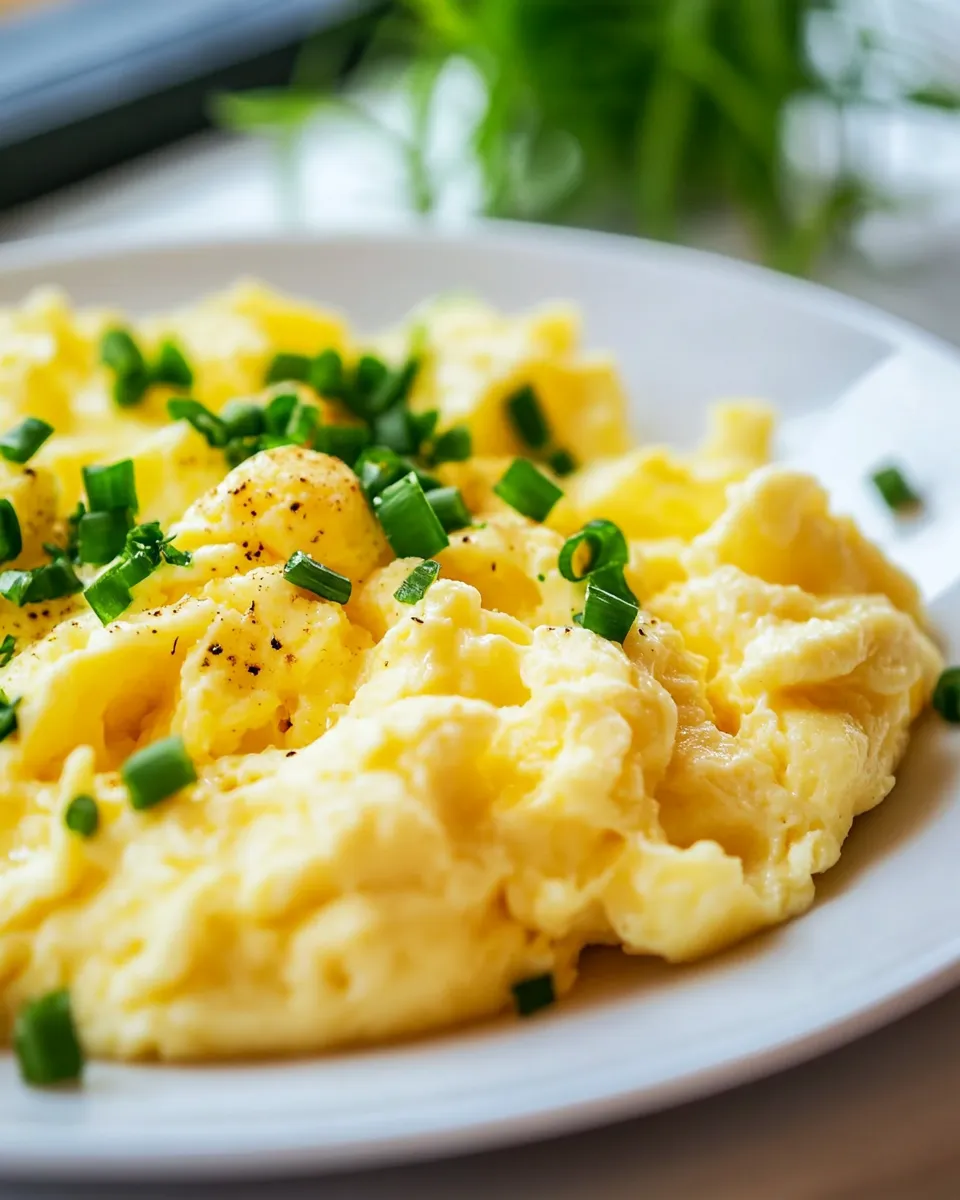
Think of this as the short list before you start. A tiny mixing bowl, a reliable nonstick skillet, a flexible spatula, and good butter are the simple backbone of the method below. The technique is about temperature and timing more than fancy ingredients.
Ingredients
- 4 large eggs — the base and main source of structure and flavor; let them come closer to room temperature if you have a few minutes.
- 1 Tbsp milk — adds a bit of silk and helps loosen the curds; optional but a small touch that softens texture.
- Shredded cheese — optional; melts into the curds for creaminess and extra flavor when you want it.
- Salt & Pepper — to taste; salt seasons, pepper adds a warm finish. I salt lightly at first and adjust at the end.
- 2 tsp butter — for coating the pan and flavor; butter helps keep the eggs tender and adds a glossy finish.
Scrambled Eggs!: Step-by-Step Guide
- In a small bowl whisk together 4 large eggs, 1 Tbsp milk, and salt & pepper to taste until just blended.
- Heat a large nonstick skillet over medium-low heat until hot. Add 2 tsp butter and let it melt and coat the surface.
- Pour the egg mixture into the skillet and let it sit undisturbed just until the edges begin to set.
- Using a spatula, gently pull the set eggs from the edges toward the center to form large, soft curds. Tilt the pan so uncooked egg flows to the empty areas.
- Keep the heat low and continue gently pulling and tilting the eggs; cook slowly so they stay light and fluffy.
- If using shredded cheese, sprinkle it over the eggs when large soft curds have formed so it melts into the eggs.
- Continue until no visible liquid egg remains but the eggs are still moist; remove from heat immediately to avoid overcooking.
- Serve immediately, seasoning with additional salt & pepper to taste if desired.
Quick technique notes
Low, steady heat is the secret. If the pan gets too hot, curds form fast and tighten up. Pulling from the edges and tilting keeps the curds large and tender. If you want runnier eggs, stop a touch earlier; they carry residual heat once off the stove.
Why This Recipe is a Keeper
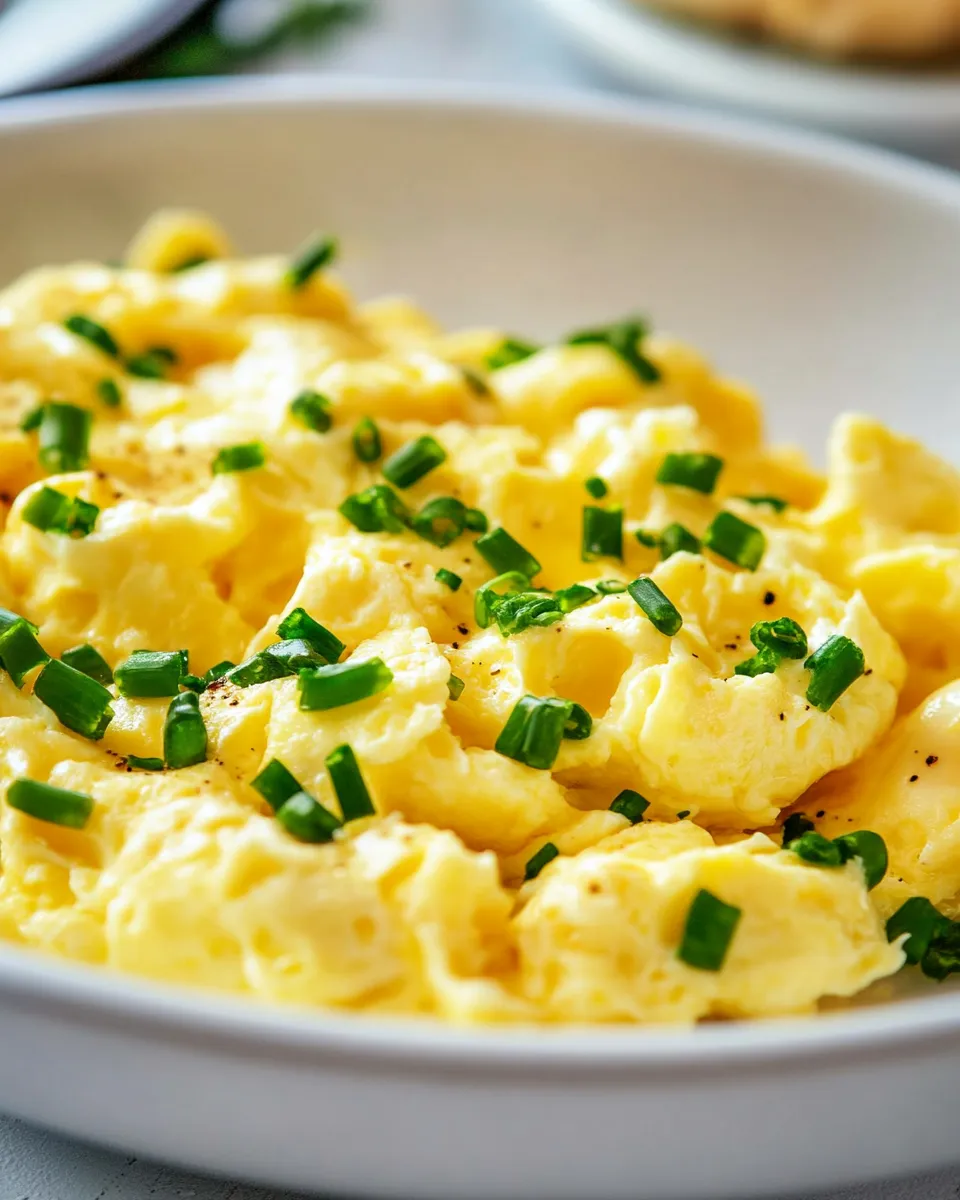
This method reliably produces soft curds with a creamy interior. It’s forgiving: small timing shifts don’t ruin the dish because you cook slowly and keep checking. The small amount of milk adds a subtle silkiness without diluting egg flavor. Butter both flavors the eggs and helps prevent sticking, which is invaluable if you’re moving quickly in the morning.
I also like that it’s scalable. The technique works with two eggs for a solo breakfast or more for a family, as long as you keep the heat low and stir gently. It’s quick, adaptable, and tastes like a little comfort on the plate every time.
Easy Ingredient Swaps
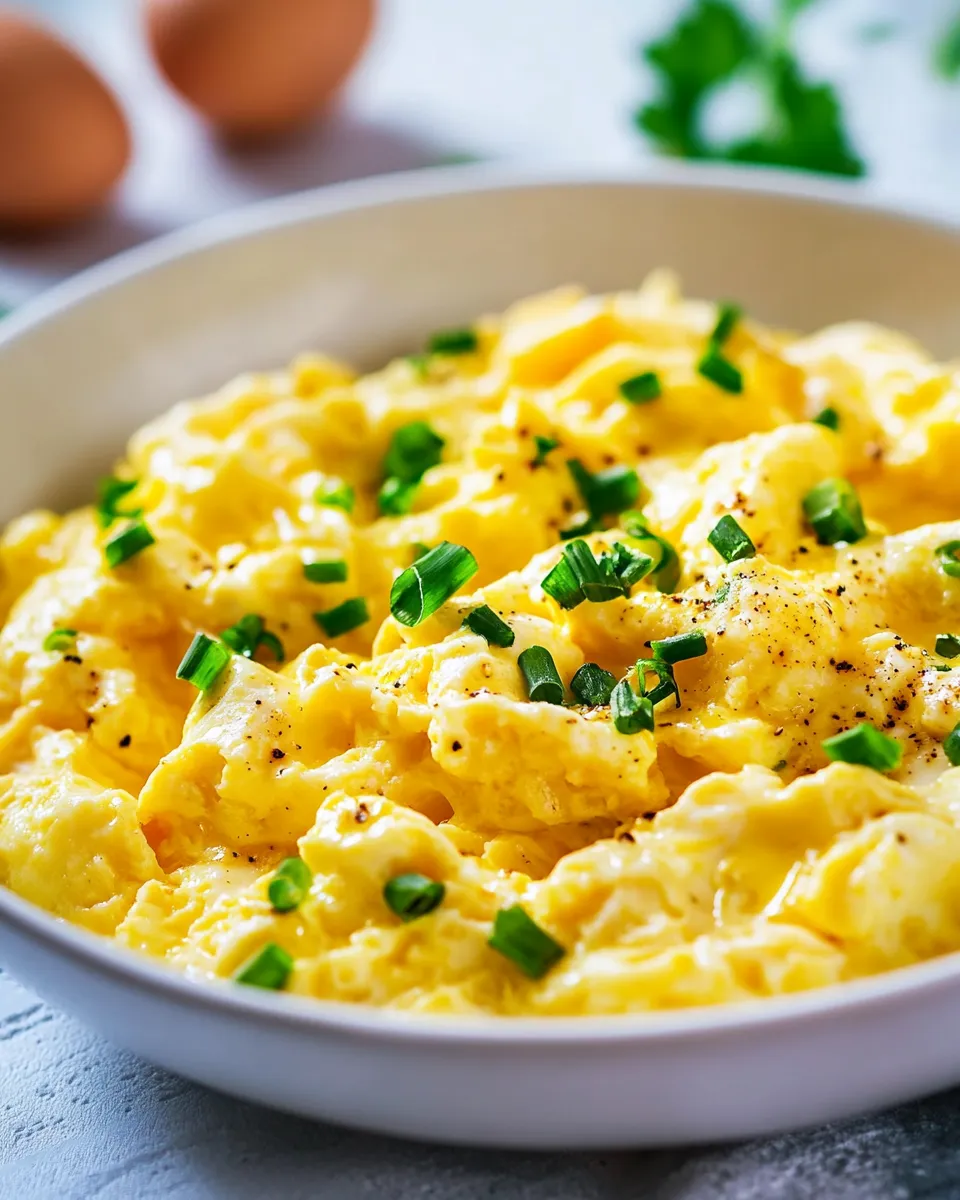
- Milk — replace with a splash of cream for richer eggs, or water if you want to keep it lighter; the goal is a small addition to loosen the curds.
- Butter — use a neutral oil if you need dairy-free, though flavor will change; clarified butter is a good middle ground for higher heat tolerance.
- Shredded cheese — try a small dollop of cream cheese or a few crumbles of feta for tang instead of a mild shredded cheese.
- Salt & pepper — experiment with finishing salts or a pinch of smoked paprika for a flavor twist without altering technique.
Appliances & Accessories
- Large nonstick skillet — essential for easy release and even cooking; it makes the gentle stirring come together without wrecking the curds.
- Flexible spatula — use a silicone or thin rubber spatula to pull and fold without tearing the eggs.
- Small mixing bowl and whisk or fork — whisk just until blended; you don’t want to overbeat.
- Stovetop with reliable low setting — the method relies on medium-low to low heat, so having a burner that holds low heat helps.
Mistakes That Ruin Scrambled Eggs!
- Too much heat — the most common issue. Fast cooking tightens the proteins and makes eggs rubbery. If you see steam or the butter browning quickly, lower the heat.
- Overstirring — constant, vigorous stirring breaks the curds into tiny pieces. Move the eggs gently and only when the edges are set.
- Adding cold butter or cheese at the wrong time — add dairy so it melts into larger curds, not right at the start where it can prevent proper setting.
- Leaving eggs in the hot pan — carryover heat continues to cook them. Remove while still slightly glossy so they finish perfectly off the heat.
- Undersalting at the start — salt interacts with eggs as they cook. Season lightly when whisking and adjust at the end, or the final flavor can feel flat.
Seasonal Twists
Scrambled eggs are the perfect canvas for seasonal additions. In spring, fold in chopped chives and a little lemon zest for brightness. Summer brings cherry tomatoes and basil — toast the tomatoes first to concentrate flavor. Fall pairs well with sautéed mushrooms and thyme, and winter welcomes warm, caramelized onions and a sprinkle of smoked cheese. Add these after the curds form or finish with them on top so they don’t release too much moisture into the eggs.
What I Learned Testing
I tested multiple variations across weeks: higher heat, more dairy, resting eggs before cooking, different salts. The consistent lesson was that restraint wins. A small splash of milk, a measured two teaspoons of butter, and patient, low heat gave the best balance of tenderness and flavor. When I tried whipping eggs into foam, the texture became light but fragile. When I added too much dairy, the eggs lost their eggy identity and turned milky rather than creamy.
Also: timing matters more than technique after you get the basic motion right. The pulling-and-tilting rhythm creates the texture; speed it up and you lose the soft curds. Removing the pan at the right moment — when the eggs still look slightly wet — was the single trick that elevated good eggs to great ones.
Save for Later: Storage Tips
Scrambled eggs are best fresh, served immediately. If you must store leftovers, cool them quickly and refrigerate in an airtight container. Use within 24 hours for the best texture and safety. Reheat gently on low heat with a small splash of milk or water, stirring constantly, or use short bursts in the microwave at reduced power, stirring between intervals. Reheated eggs will never match freshly cooked ones, but gentle reheating helps keep them tender rather than dry.
Handy Q&A
Q: Can I make these in advance for a brunch?
A: You can cook them slightly underdone and finish them quickly before serving, but full cook-and-hold will dry them out. For larger groups, cook in batches and keep covered over a warm (not hot) pan or in a low oven (very low temp) for a short time.
Q: What if my eggs look watery after cooking?
A: That means they weren’t cooked long enough or the heat was too low to set them. Return to the pan briefly on very low heat and stir until the liquid disappears. Avoid high heat to prevent toughness.
Q: How do I scale this recipe?
A: You can scale up the eggs and milk, but use a larger pan and cook in manageable batches. Crowding the pan makes it harder to control temperature and movements, which changes texture.
Bring It Home
These scrambled eggs have become my reliable breakfast because they’re simple, forgiving, and delicious. Follow the steps, keep the heat low, and be patient with the motion. A little butter, gentle stirring, and timely removal from the pan give you soft, creamy curds that feel like a small everyday luxury.
Try the method as written a few times, then make it yours: a handful of shredded cheese, a scatter of herbs, or a side of toast. The foundation is the technique — everything else is a welcome, tasty variation. Enjoy.
The BEST Scrambled Eggs!
Ingredients
Ingredients
- 4 large eggs
- 1 Tbspmilk
- Shredded cheeseoptional
- Salt & Pepperto taste
- 2 tspbutter
Instructions
Instructions
- In a small bowl whisk together 4 large eggs, 1 Tbsp milk, and salt & pepper to taste until just blended.
- Heat a large nonstick skillet over medium-low heat until hot. Add 2 tsp butter and let it melt and coat the surface.
- Pour the egg mixture into the skillet and let it sit undisturbed just until the edges begin to set.
- Using a spatula, gently pull the set eggs from the edges toward the center to form large, soft curds. Tilt the pan so uncooked egg flows to the empty areas.
- Keep the heat low and continue gently pulling and tilting the eggs; cook slowly so they stay light and fluffy.
- If using shredded cheese, sprinkle it over the eggs when large soft curds have formed so it melts into the eggs.
- Continue until no visible liquid egg remains but the eggs are still moist; remove from heat immediately to avoid overcooking.
- Serve immediately, seasoning with additional salt & pepper to taste if desired.
Equipment
- Small Bowl
- Whisk
- large nonstick skillet
- Spatula
Notes
You can also addsalsaorpico de gallo. You can add them while the eggs are cooking or spoon them over the top when you serve them.
Or add some of your favorite hot sauce to give them a spicy kick.
I usually go with shredded cheddar cheese, but you can use grated Parmesan, shredded Monterey jack or pepper jack cheese. Crumbled feta or goat cheese is great, too!