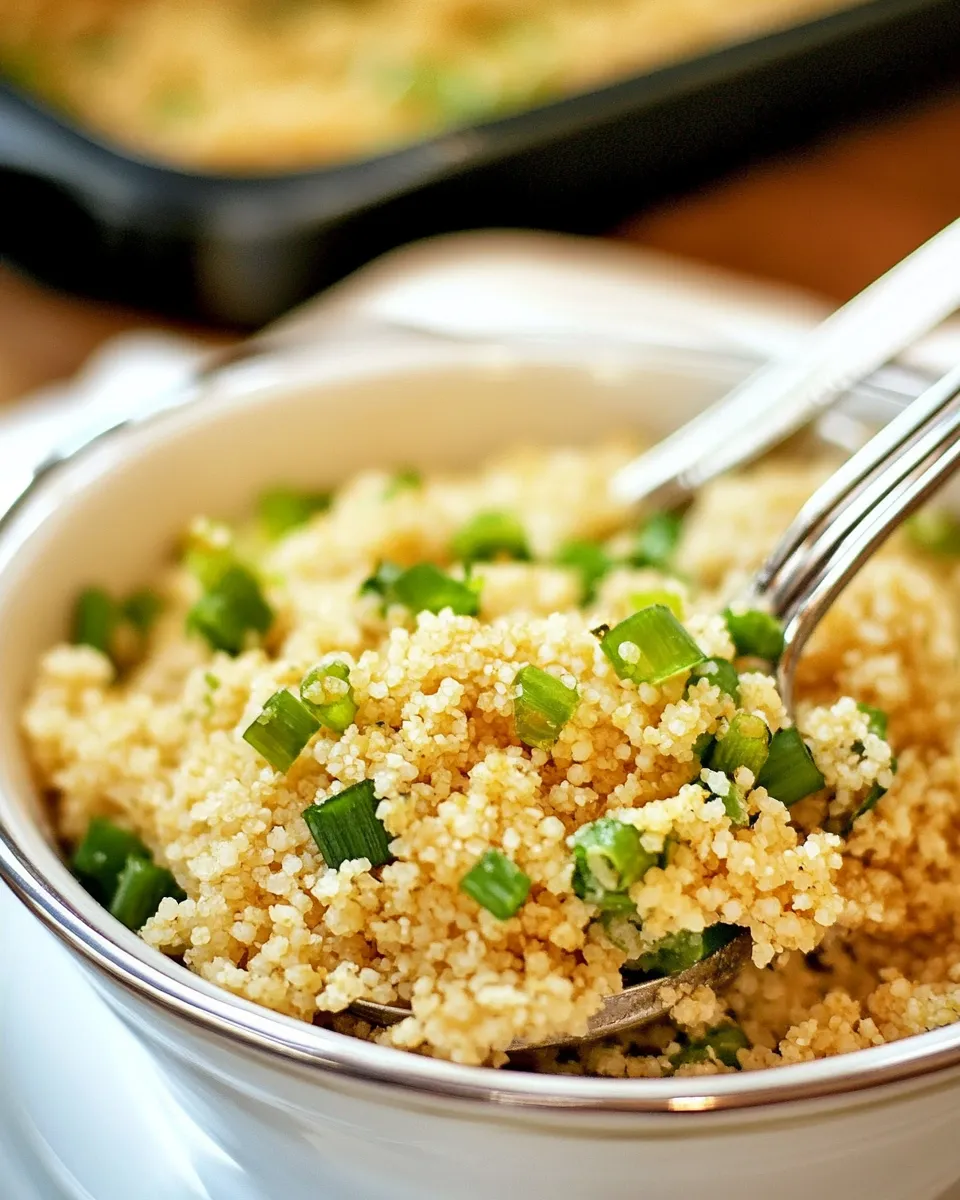
I make this whole wheat couscous all the time because it’s fast, forgiving, and actually good for dinner rotation. It takes 10 minutes from pot to plate, and the texture holds up whether you’re serving it with roasted vegetables, grilled chicken, or a big, leafy salad. No crunchy undercooked grains. No gummy clumps. Just warm, nutty couscous that carries flavor well.
I keep the seasoning minimal here on purpose: green onion for freshness, Parmesan for richness, and fresh ground black pepper to finish. The technique — boiling, steaming off the heat, a brief cool-down, then fluffing and folding — gives reliable texture every time. Follow the steps and you’ll get consistent results, even if you’re serving a crowd or cooking on a weeknight.
This recipe is practical. It uses pantry-friendly items, requires only a heavy pan with a lid, and tolerates small substitutions without breaking. Read on for the full ingredient notes, exact step-by-step instructions, troubleshooting tips, storage advice, and ideas for keeping it vegetarian or vegan-friendly.
Ingredient List
- 1 1/2 cups whole wheat couscous — nutty flavor and firmer texture than regular couscous; measure it dry for accurate results.
- 2 cups chicken broth or vegetable broth (see notes) — this is the cooking liquid and the main source of seasoning; use the broth listed to control flavor profile.
- 5 green onions, thinly sliced — adds freshness and a mild onion bite; slice thin so it folds in without needing additional cooking.
- 1/2 cup finely-grated Parmesan cheese — provides savory, creamy notes and helps bind the grains slightly for a cohesive side.
- fresh ground black pepper to taste — finish to taste; it brightens the whole dish and brings contrast to the cheese.
Build (Whole Wheat Couscous Side Dish) Step by Step
- In a heavy pan with a tight-fitting lid, bring 2 cups chicken broth or vegetable broth to a boil over medium-high heat.
- Stir in 1 1/2 cups whole wheat couscous, turn off the heat, then immediately cover the pan and let the couscous sit undisturbed for 5 minutes.
- While the couscous rests, thinly slice 5 green onions and measure 1/2 cup finely-grated Parmesan cheese.
- After 5 minutes, remove the lid and fluff the couscous with a fork. Let it sit uncovered to cool for 2–3 minutes.
- Stir in the sliced green onions and the 1/2 cup finely-grated Parmesan until evenly combined.
- Season to taste with fresh ground black pepper and serve hot.
Why This Recipe Is Reliable
The method is deliberately simple and built around the physics of couscous. Bringing the broth to a boil ensures even heat distribution; adding the couscous then removing the pan from heat lets the grains absorb liquid gently instead of simmering and breaking down. The tight-fitting lid traps steam so the grains hydrate uniformly, and the five-minute rest is long enough for full absorption without overcooking.
Using whole wheat couscous gives a sturdier texture and more flavor than refined versions. It also tolerates holding time better. Fluffing with a fork separates grains and prevents the dense, paste-like texture that can happen when you stir too vigorously or skip the resting time. Parmesan and green onions are added after cooling slightly so the cheese melts just enough to bind and the green onion keeps its fresh bite.
Finally, the recipe uses broth as the cooking liquid, which is a reliable way to build taste into the grain. Because couscous absorbs what it’s cooked in, choosing the right broth and controlling the salt level are the easiest levers to get consistent results.
Vegan & Vegetarian Swaps
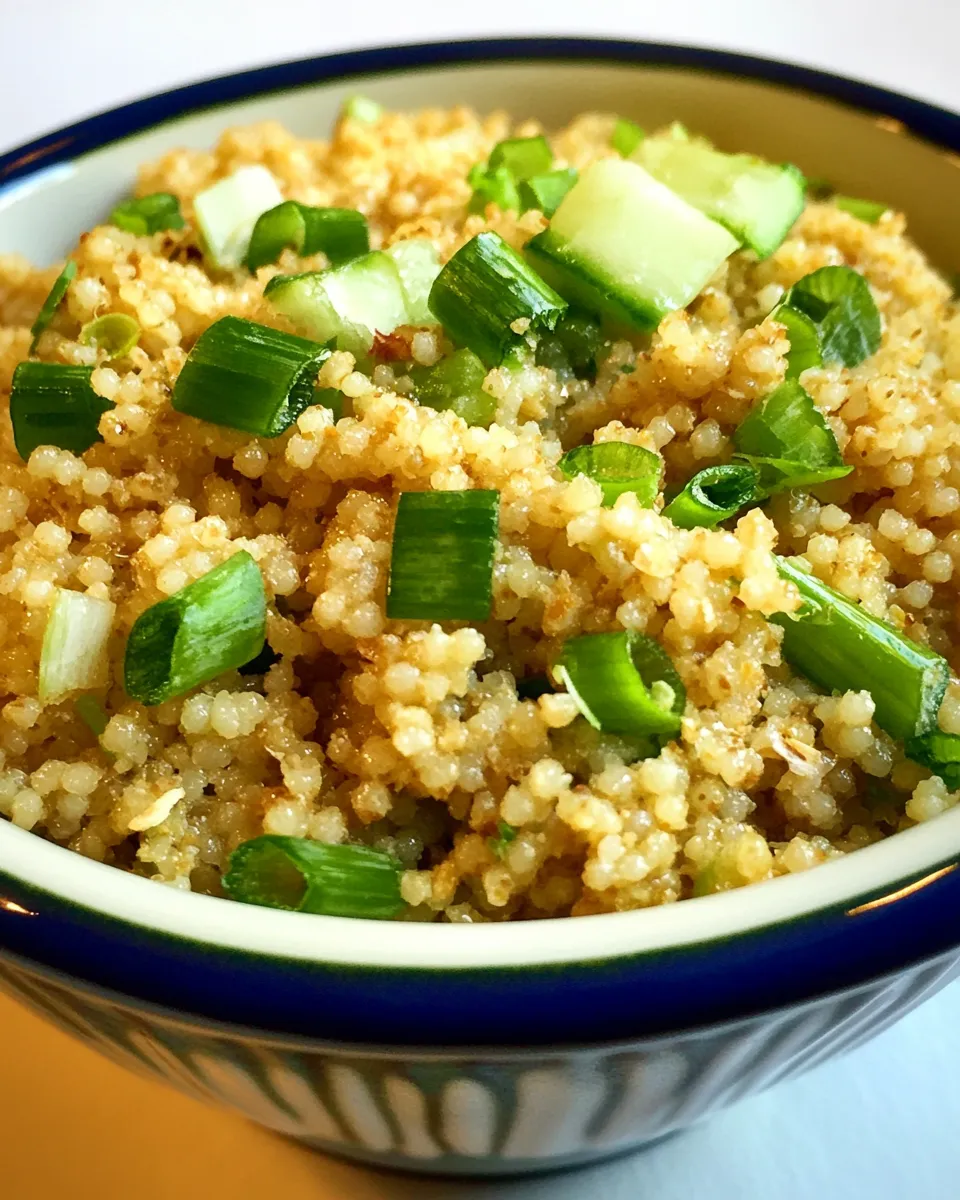
If you want this dish vegetarian, use the vegetable broth option listed in the ingredient list and proceed exactly as written. The rest of the ingredients are the same; if you prefer cheese made without animal rennet, choose a vegetarian-labeled Parmesan or substitute a vegetarian hard cheese with similar texture and salt level.
For a vegan version while keeping the same structure, use the vegetable broth and omit the Parmesan. The recipe still works: after fluffing, fold in the sliced green onions and season generously with fresh ground black pepper. The couscous will be nuttier and a touch less rich without the cheese; to compensate without adding new ingredients, use all five green onions and emphasize the pepper so the result still feels lively.
Note: the ingredient list includes chicken or vegetable broth as an either/or choice. That flexibility is the primary vegetarian/vegan control point available within the original ingredients.
Equipment at a Glance
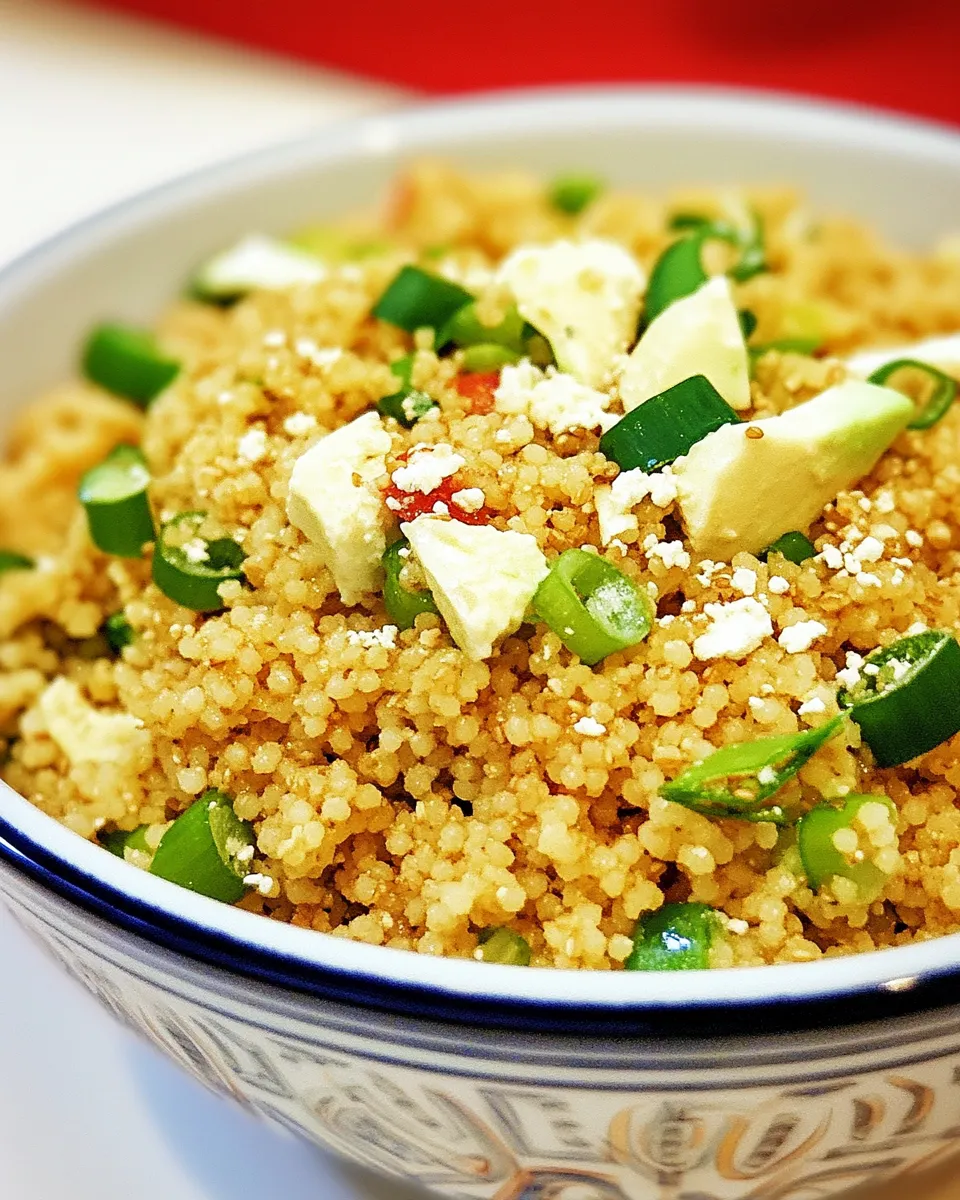
- Heavy-bottomed pan with a tight-fitting lid — ensures even heating and traps steam for proper absorption.
- Measuring cups — accurate liquid-to-grain ratio is critical for texture.
- Sharp knife and cutting board — for thinly slicing green onions.
- Fork — for fluffing the couscous to separate the grains.
- Spoon or spatula — for gently folding in cheese and onions.
- Grater (optional) — if you prefer to grate the Parmesan fresh rather than buy it pre-grated.
Pitfalls & How to Prevent Them
Common issues and quick fixes
- Gummy or pasty texture: This happens when too much stirring or too much residual heat breaks the grains. Prevent it by turning off the heat immediately after stirring in the couscous and keeping the lid on for the 5-minute rest. Fluff once with a fork and then stop.
- Soggy couscous: Soggy results usually come from adding too much liquid. Use the exact 2 cups broth for 1 1/2 cups couscous; measure the broth and couscous accurately.
- Undercooked, chewy grains: If grains remain dry, the pan may not have had enough time to rest. Keep the lid on for the full 5 minutes. If you still find a few underdone bits, cover and let sit another minute.
- Flat, bland flavor: The broth is your seasoning. Use a good-quality chicken or vegetable broth, and taste before serving. Parmesan adds umami; if you skip it, adjust by ensuring your broth has enough character.
- Too hot to mix: If you add cheese or delicate garnishes while the couscous is piping hot, they can melt or wilt too much. Let the couscous cool uncovered for the recommended 2–3 minutes before folding in the cheese and green onions.
Dietary Customizations
You can adapt this dish to meet common dietary needs without changing the method.
– Lower-sodium: Use a low-sodium chicken or vegetable broth; taste before serving and add fresh ground black pepper to boost perception of flavor. The grain will still absorb well with low-sodium broth.
– Gluten considerations: This recipe uses whole wheat couscous, which contains gluten. Swap to a naturally gluten-free grain if needed, but note this changes cooking times and liquid ratios (see the Helpful Q&A for guidance on alternatives).
– Lighter option: Stick with vegetable broth and omit the Parmesan. Increase the green onions for freshness and contrast.
Keep in mind these suggestions operate within the spirit of the recipe: the same basic cook method, same resting time, and the same order of operations.
Chef’s Rationale
I treat couscous like pasta: it needs just enough hot liquid and a moment of rest to finish cooking. The 2:1 liquid-to-grain ratio is slightly more generous than some quick-cook directions to accommodate whole wheat’s higher absorbency and to keep the end result tender but not dry. Turning off the heat immediately after adding the couscous prevents active boiling that can over-soften grains.
Finely-grated Parmesan is added at the end because it melts quickly and adds saline, umami richness without needing further cooking. Green onions are a deliberate choice for their mild but bright allium flavor that cuts through the cheese. Fresh ground black pepper is the final step to lift and balance the overall profile.
I recommend a heavy pan because it distributes heat evenly and reduces the chance of hot spots that might scorch the bottom when the broth starts boiling. A tight lid matters: it traps steam, and steam is what finishes the grains gently.
Leftovers & Meal Prep
This couscous stores well and is friendly for make-ahead dinners.
– Refrigerate: Cool the couscous to room temperature, then transfer to an airtight container and refrigerate for up to 3–4 days.
– Reheat: To reheat, place in a pan over low heat with a splash of broth or a tablespoon of water per cup to rehydrate; stir gently until warm. Microwave reheating also works—cover loosely and add a small splash of liquid to prevent drying.
– Use ideas: Turn leftovers into a bowl by topping warmed couscous with roasted vegetables, a poached egg, or slices of leftover protein. It also makes a quick cold salad base—dress with a vinaigrette and add raw herbs and crunchy vegetables if you like.
– Make-ahead tip: If prepping for a week of meals, under-season slightly when cooking (especially if using store-bought broth). Adjust salt and pepper when reheating so flavors stay balanced.
Helpful Q&A
Q: Can I use regular couscous instead of whole wheat?
A: Yes. Regular couscous will cook more quickly and can be slightly softer. Keep the same method but watch texture; you may find it needs a shorter rest or a touch less liquid.
Q: What if my couscous seems dry after the 5-minute rest?
A: Cover stayed on the pan too briefly or the heat was too low. Add a tablespoon or two of hot broth, cover for another minute, then fluff and check again.
Q: Can I add other mix-ins like herbs, nuts, or dried fruit?
A: You can, but do so after the couscous has cooled for 2–3 minutes and after stirring in the Parmesan and green onions. Adding mix-ins while the couscous is too hot can change texture—some nuts soften and herbs wilt.
Q: Is it okay to substitute grated cheese with a different hard cheese?
A: Within the scope of the recipe ingredients, Parmesan is the listed choice. If swapping, aim for a cheese with similar saltiness and texture so it melts and binds the grains comparably.
Q: How many people does this recipe serve?
A: This quantity—1 1/2 cups whole wheat couscous cooked with 2 cups broth—makes enough as a side for roughly 4 people, depending on portion sizes and accompanying dishes.
Ready to Cook?
You’ve got the exact ingredient list and a no-fail method. The whole process is about precision—measure the couscous and broth, respect the five-minute steam, and fold gently. Make the broth choice you prefer, slice the green onions thin, and grate the Parmesan finely. It comes together quickly and keeps well, so cook with confidence. Set a timer, and let the pan do the work.
Whole Wheat Couscous Side Dish
Ingredients
Ingredients
- 1 1/2 cups whole wheat couscous
- 2 cups chicken broth or vegetable broth see notes
- 5 green onions thinly sliced
- 1/2 cup finely-grated Parmesan cheese
- fresh ground black pepper to taste
Instructions
Instructions
- In a heavy pan with a tight-fitting lid, bring 2 cups chicken broth or vegetable broth to a boil over medium-high heat.
- Stir in 1 1/2 cups whole wheat couscous, turn off the heat, then immediately cover the pan and let the couscous sit undisturbed for 5 minutes.
- While the couscous rests, thinly slice 5 green onions and measure 1/2 cup finely-grated Parmesan cheese.
- After 5 minutes, remove the lid and fluff the couscous with a fork. Let it sit uncovered to cool for 2–3 minutes.
- Stir in the sliced green onions and the 1/2 cup finely-grated Parmesan until evenly combined.
- Season to taste with fresh ground black pepper and serve hot.
Equipment
- heavy pan with a tight-fitting lid
- Fork
- Knife