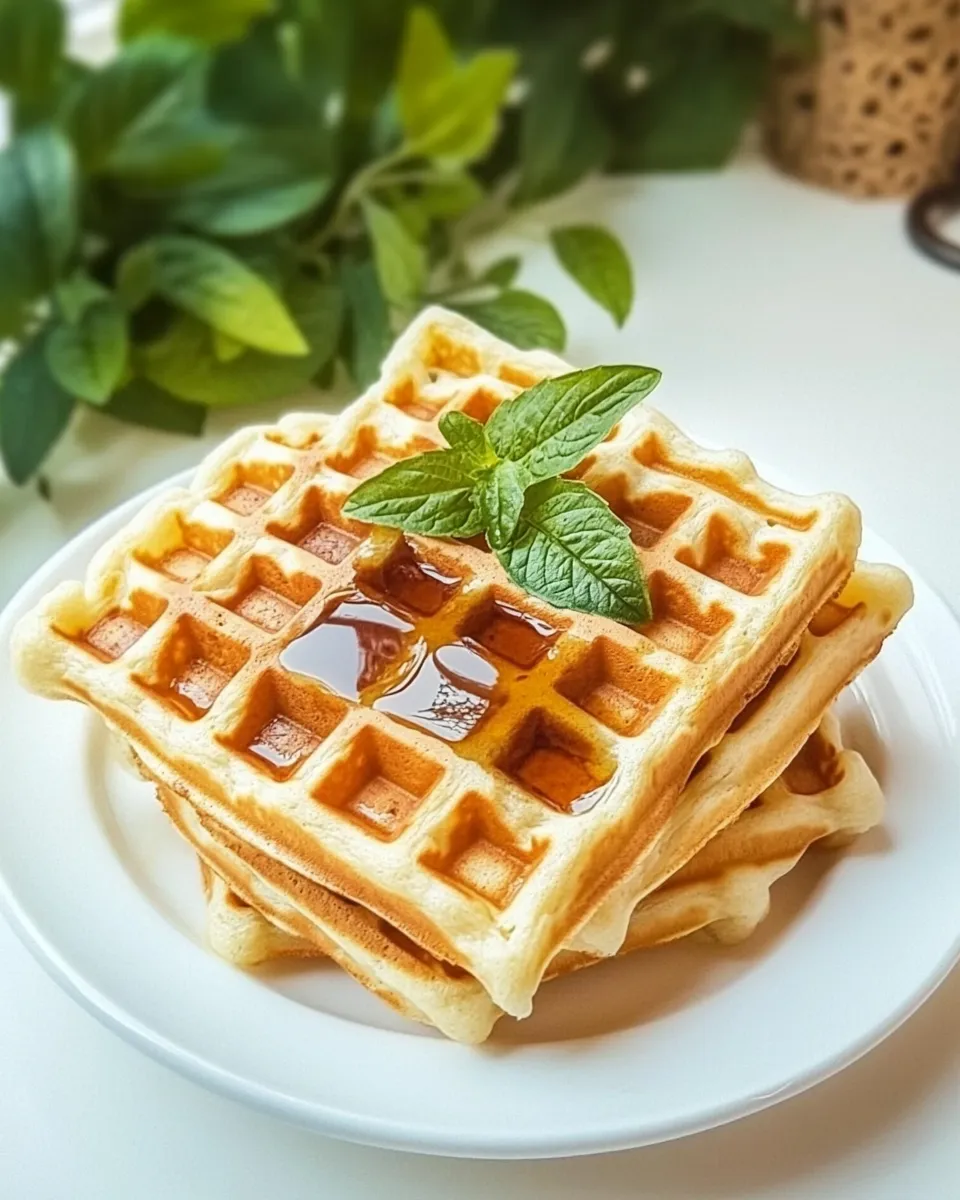
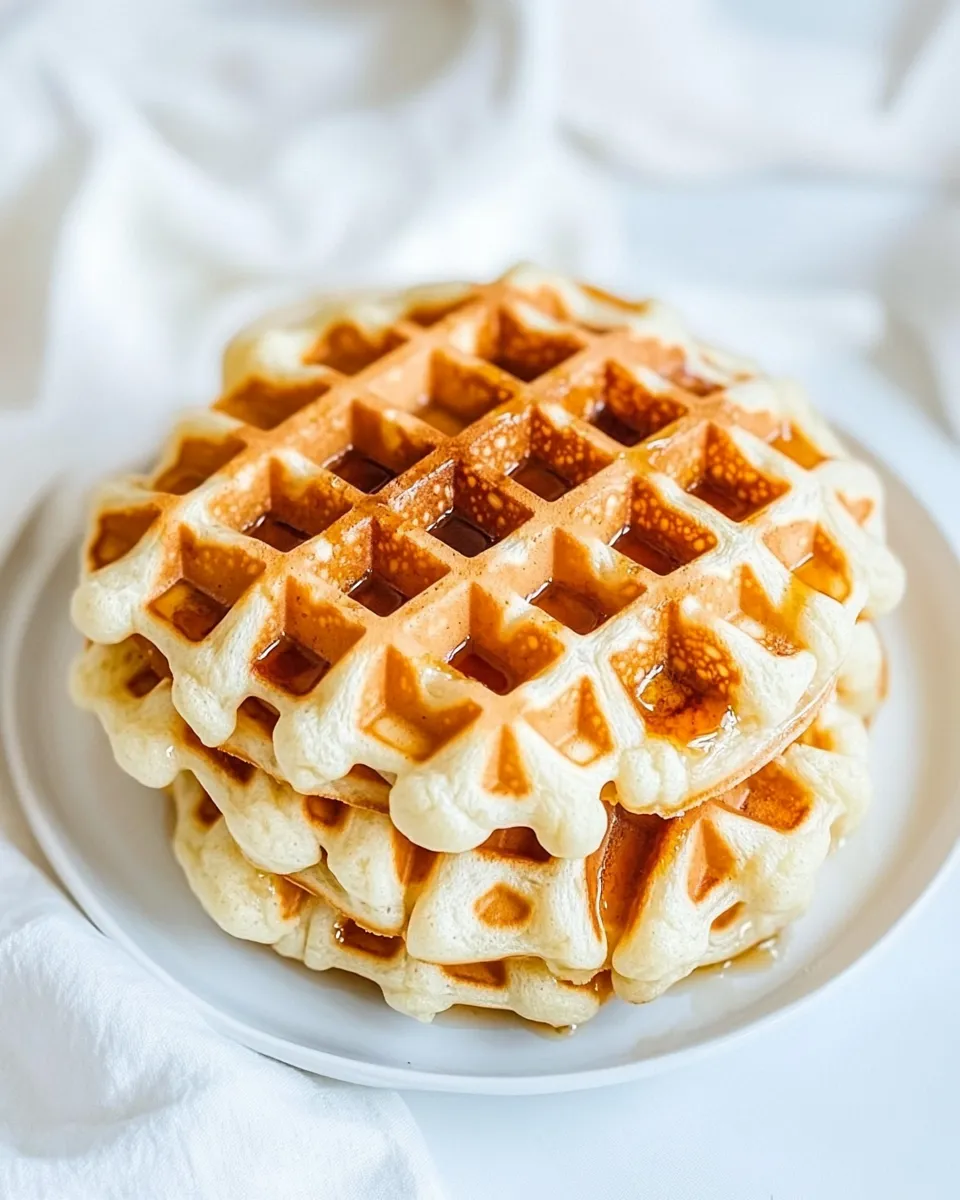
These waffles are the kind I turn to when I want breakfast that tastes like it took care and time, but still feels effortless on a busy morning. The sponge ferments long enough to develop a gentle tang and airiness, while whole-grain flours keep the texture honest and the flavor interesting. They crisp at the edges and stay tender inside if you watch your timing.
I test this batter in every waffle iron I own—cast-iron Belgian, non-stick family model, and a compact grid plate—so I can tell you what will change and what won’t. The foundation here is a bubbly sourdough sponge made from whole-grain flours and unfed starter; that sponge is the real engine of flavor and lift. The final batter is simple: eggs, melted butter, vanilla, and salt folded into that sponge right before cooking.
No need for long lists of extras. Follow the sponge rest, add the wet ingredients, and cook. Below I lay out the ingredients exactly as given, step-by-step directions in order, and practical tips to avoid common mishaps so your waffles come out reliably crisp, flavorful, and not gummy.
What’s in the Bowl

A quick note before you scroll: the ingredient list below is presented exactly as supplied. Each item has a tiny note so you understand its job. Read once, prep, and then go make the sponge—the fermentation does the heavy lifting.
Ingredients
For the Sponge
- 1 cup spelt, einkorn or whole wheat flour — Whole-grain base; spelt has a milder, slightly sweet profile if you prefer a softer flavor.
- 1 cup rye flour — Adds earthy, tangy depth. If you don’t have rye, the original notes say you can substitute spelt/einkorn/whole wheat instead.
- 1 cup unfed sourdough starter — The fermenting agent. Unfed starter brings acidity and lift to the sponge.
- 2 tablespoons honey or maple syrup — Feeds the starter and adds a touch of sweetness that helps browning.
- 2 cups buttermilk — Provides acid and tang. (Or put 2 tablespoons white vinegar in a measuring cup and add milk until it measures 2 cups; stir and let stand 10 minutes.)
For the Batter
- 2 large eggs — Structure and richness; beaten and folded in at the end.
- 5 tablespoons unsalted butter, melted and slightly cooled — Adds flavor and helps create crisp edges; cool so it doesn’t cook the eggs.
- 1 teaspoon quality pure vanilla extract — Flavor lift; small but noticeable.
- 1 teaspoon salt — Balances sweetness and enhances all the flavors.
(Whole Wheat Sourdough Waffles) — Do This Next
- If you are using the milk-plus-vinegar buttermilk option, put 2 tablespoons white vinegar in a measuring cup, add milk until it measures 2 cups, stir, and let stand 10 minutes; otherwise use the 2 cups buttermilk from the ingredient list.
- In a large non-reactive mixing bowl, combine 1 cup spelt/einkorn/whole wheat flour, 1 cup rye flour (or the specified substitute), 1 cup unfed sourdough starter, 2 tablespoons honey or maple syrup, and the 2 cups buttermilk. Stir until the mixture is evenly combined.
- Cover the bowl and let the sponge ferment at room temperature for at least 6 hours or overnight. The sponge is ready when it is bubbly and has increased slightly in volume.
- About 10–15 minutes before you plan to cook, melt 5 tablespoons unsalted butter and let it cool slightly so it is not hot (so it won’t cook the eggs).
- In a separate small bowl, crack and lightly beat the 2 large eggs.
- Add the beaten eggs, the melted-and-cooled butter, 1 teaspoon quality pure vanilla extract, and 1 teaspoon salt to the bubbly sponge. Gently beat or stir just until the batter is combined; do not overmix.
- Preheat your waffle iron according to the manufacturer’s instructions. Lightly grease the waffle iron if recommended by the manufacturer.
- Use the batter immediately. Scoop an amount appropriate for your waffle iron onto the hot waffle iron, close, and cook according to the manufacturer’s instructions until the waffles are done to your desired crispness.
- Remove the waffles and serve immediately.
Top Reasons to Make Whole Wheat Sourdough Waffles
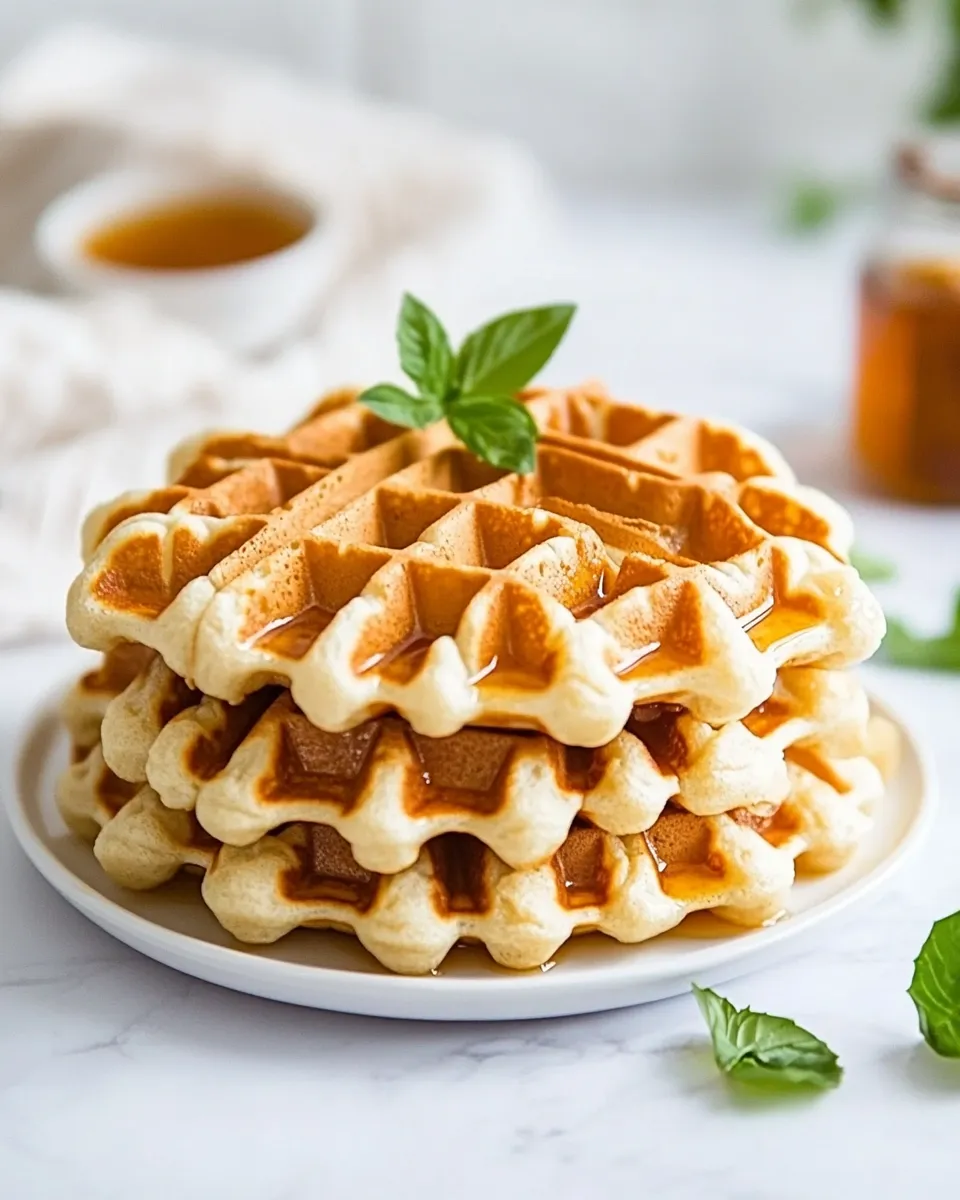
- Flavor depth: The fermented sponge adds a gentle tang and nuttiness that plain batter can’t match.
- Better texture: Fermentation breaks down some of the bran’s toughness, giving a more tender crumb despite whole grains.
- Make-ahead friendly: Sponge can rest overnight, which spreads the work across two shifts—mix, sleep, finish in the morning.
- Simple ingredient list: No chemical leaveners required because the starter and sponge do the rising work.
- Customizable: Use spelt, einkorn, or whole wheat as your base to nudge flavor and texture where you want it.
Dairy-Free/Gluten-Free Swaps
- Dairy-free buttermilk: Use a plant milk (oat, soy, almond) with 2 tablespoons white vinegar per 2 cups and let it sit 10 minutes to curdle. This mimics buttermilk’s acidity without dairy.
- Dairy-free butter swap: Use a neutral-tasting plant-based butter, melted and cooled. It performs similarly for richness and crisping.
- Gluten-free approach: This recipe relies on whole-grain flours and sourdough structure; for gluten-free, use a reliable 1-to-1 gluten-free flour blend that contains a binder (xanthan gum or similar). Expect differences in texture and adjust hydration if the batter seems too thick or thin.
- Starter note: If you use a gluten-free starter, the fermentation behavior will differ. Keep an eye on bubble activity rather than strict times.
Hardware & Gadgets
- Waffle iron (any model) — The only must-have. Know its batter capacity so you don’t overfill.
- Large non-reactive mixing bowl — Glass or stainless is best for the sponge.
- Measuring cups and spoons — Use them for reliable results; volume matters with the starter and buttermilk replacement.
- Small bowl for eggs and a whisk or fork — Lightly beat the eggs before adding to the sponge.
- Spatula or silicone bench scraper — For mixing and scraping the batter into the iron.
- Timer — Fermentation and cook times are easier to track with a timer on your phone or kitchen clock.
Missteps & Fixes
- Sponge didn’t bubble enough: Your starter may be sluggish. Keep the sponge in a slightly warmer spot (70–78°F / 21–26°C) and give it more time. Using unfed starter is intentional, but if you’ve stored your starter in the fridge, bring it to room temp first.
- Batter too thin or too thick: Thin batter will yield flatter waffles. If very thin, mix in a tablespoon of flour at a time until it holds on the scoop. If too thick, add a splash of milk or buttermilk until it loosens slightly.
- Waffles are soggy in the middle: Either the iron isn’t hot enough or the batter was undercooked. Preheat longer and allow the iron to reach full temp. Cook a little longer for a crisper shell.
- Edges burn before interior cooks: Reduce the heat setting or shorten cook time, and make sure the batter quantity per waffle matches the iron’s recommendations.
- Waffles stick to the iron: Lightly grease according to your manufacturer’s instructions. If sticking persists, clean the iron grates between batches to prevent buildup.
How to Make It Lighter
If you prefer a lighter, airier waffle, focus on the sponge and folding technique. Ferment the sponge longer if it hasn’t developed many bubbles; a more active sponge traps more air. When you add the eggs and butter, fold gently—avoid vigorous beating that deflates the bubbles. For extra lift, separate the eggs and whip the whites to soft peaks before folding them into the combined batter (note: this alters the original directions but is a common technique to increase lightness).
Another tactical move: cook on the hotter side of your waffle iron but for a slightly shorter time. That encourages rapid steam expansion and crisp exterior without drying out the interior.
Recipe Notes & Chef’s Commentary
This recipe leans on the character of whole grains and the personality of an unfed starter. Rye’s presence is deliberate; it lends a gentle sharpness that keeps the waffles from tasting flat. If you dislike rye, substitute with the suggested spelt/einkorn/whole wheat for a rounder, sweeter result.
Use room-temperature eggs so the butter you add won’t seize or partially cook them. The melted butter should be warm to the touch but not hot. Timing matters with the sponge—six hours is the lower limit; overnight gives more flavor. Trust your sponge’s look and smell: it should be bubbly, fragrant, and slightly tangy.
Serve hot from the iron for the best texture. If you must hold waffles, keep them on a wire rack in a single layer in a 200°F (95°C) oven. Stacking traps steam and makes them limp.
Store, Freeze & Reheat
- Short-term: Cool waffles completely on a wire rack, then store in an airtight container in the fridge for up to 3 days.
- Freezing: Layer cooled waffles between sheets of parchment and freeze in a zipper bag for up to 2 months.
- Reheating: For crispness, reheat directly from frozen in a toaster or toaster oven. A 350°F (175°C) oven for 8–12 minutes works well for multiple waffles; a quick zap in the microwave will warm them but soften the exterior.
Troubleshooting Q&A
- Q: My sponge smells overly sour—what happened? A: Extended fermentation or a very active starter can increase acidity. It may still be fine to use; taste a small amount. If it’s uncomfortably sharp, shorten future ferment time or refrigerate the sponge to slow activity.
- Q: Can I use fed starter instead of unfed? A: Yes, but a fed starter will be more active and may ferment faster. Watch the sponge and reduce room-time to avoid overproofing.
- Q: Batter sat too long after adding eggs—now what? A: The batter can lose some lift if it sits. You can cook immediately and expect slightly denser waffles. For best texture, use the batter right away as instructed.
Ready to Cook?
Gather the ingredients, mix the sponge, and let it do its work while you get a pot of coffee going. When the sponge is bubbly, fold in the eggs, butter, vanilla, and salt, preheat your iron, and cook. Keep an eye on each waffle for the first batch—that tells you the iron’s timing and how crisp your crowd likes them. Serve hot, crisp, and savor the nutty, tangy depth that only a whole-grain sourdough sponge gives.

Whole Wheat Sourdough Waffles
Ingredients
For the Sponge
- 1 cupspelt einkorn or whole wheat flour(I prefer the mild flavor of spelt)
- 1 cuprye flour can substitute spelt/einkorn/whole wheat instead
- 1 cupunfed sourdough starter
- 2 tablespoonshoney or maple syrup
- 2 cupsbuttermilk or put 2 tablespoons white vinegar in measuring cup and add milk until it measures 2 cups; stir and let stand 10 minutes
For the Batter
- 2 large eggs
- 5 tablespoonsunsalted butter melted and slightly cooled
- 1 teaspoonquality pure vanilla extract
- 1 teaspoonsalt
Instructions
Instructions
- If you are using the milk-plus-vinegar buttermilk option, put 2 tablespoons white vinegar in a measuring cup, add milk until it measures 2 cups, stir, and let stand 10 minutes; otherwise use the 2 cups buttermilk from the ingredient list.
- In a large non-reactive mixing bowl, combine 1 cup spelt/einkorn/whole wheat flour, 1 cup rye flour (or the specified substitute), 1 cup unfed sourdough starter, 2 tablespoons honey or maple syrup, and the 2 cups buttermilk. Stir until the mixture is evenly combined.
- Cover the bowl and let the sponge ferment at room temperature for at least 6 hours or overnight. The sponge is ready when it is bubbly and has increased slightly in volume.
- About 10–15 minutes before you plan to cook, melt 5 tablespoons unsalted butter and let it cool slightly so it is not hot (so it won't cook the eggs).
- In a separate small bowl, crack and lightly beat the 2 large eggs.
- Add the beaten eggs, the melted-and-cooled butter, 1 teaspoon quality pure vanilla extract, and 1 teaspoon salt to the bubbly sponge. Gently beat or stir just until the batter is combined; do not overmix.
- Preheat your waffle iron according to the manufacturer's instructions. Lightly grease the waffle iron if recommended by the manufacturer.
- Use the batter immediately. Scoop an amount appropriate for your waffle iron onto the hot waffle iron, close, and cook according to the manufacturer's instructions until the waffles are done to your desired crispness.
- Remove the waffles and serve immediately.
Equipment
- Waffle Iron
- Mixing Bowl
- Measuring Cups
- Measuring Spoons
Notes
Fermentation: Fermenting the batter results in a tangier flavor which you may or may not be used to. Though I recommend fermenting the batter for its health benefits, if you prefer you can skip the fermentation process. Here’s how: Instead of using unfed sourdough starter use active/fed sourdough starter and let the batter sit at room temperature for about an hour, then proceed with cooking.
If you prefer to ferment the batter even longer, see the instructions in the blog post under “Longer Fermentation.”