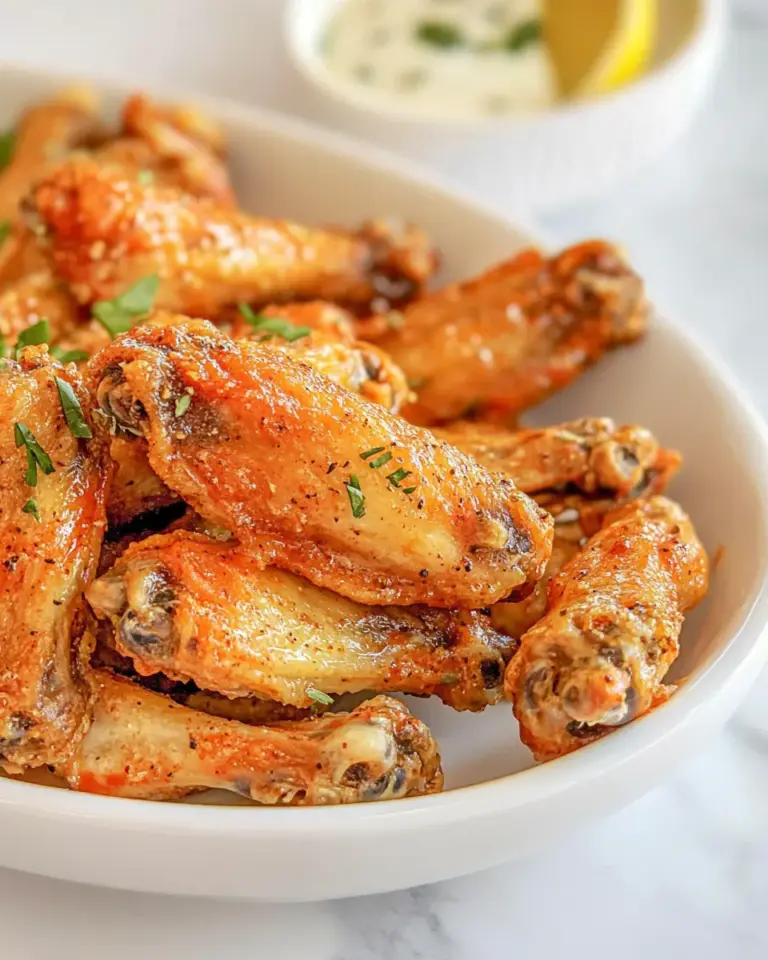
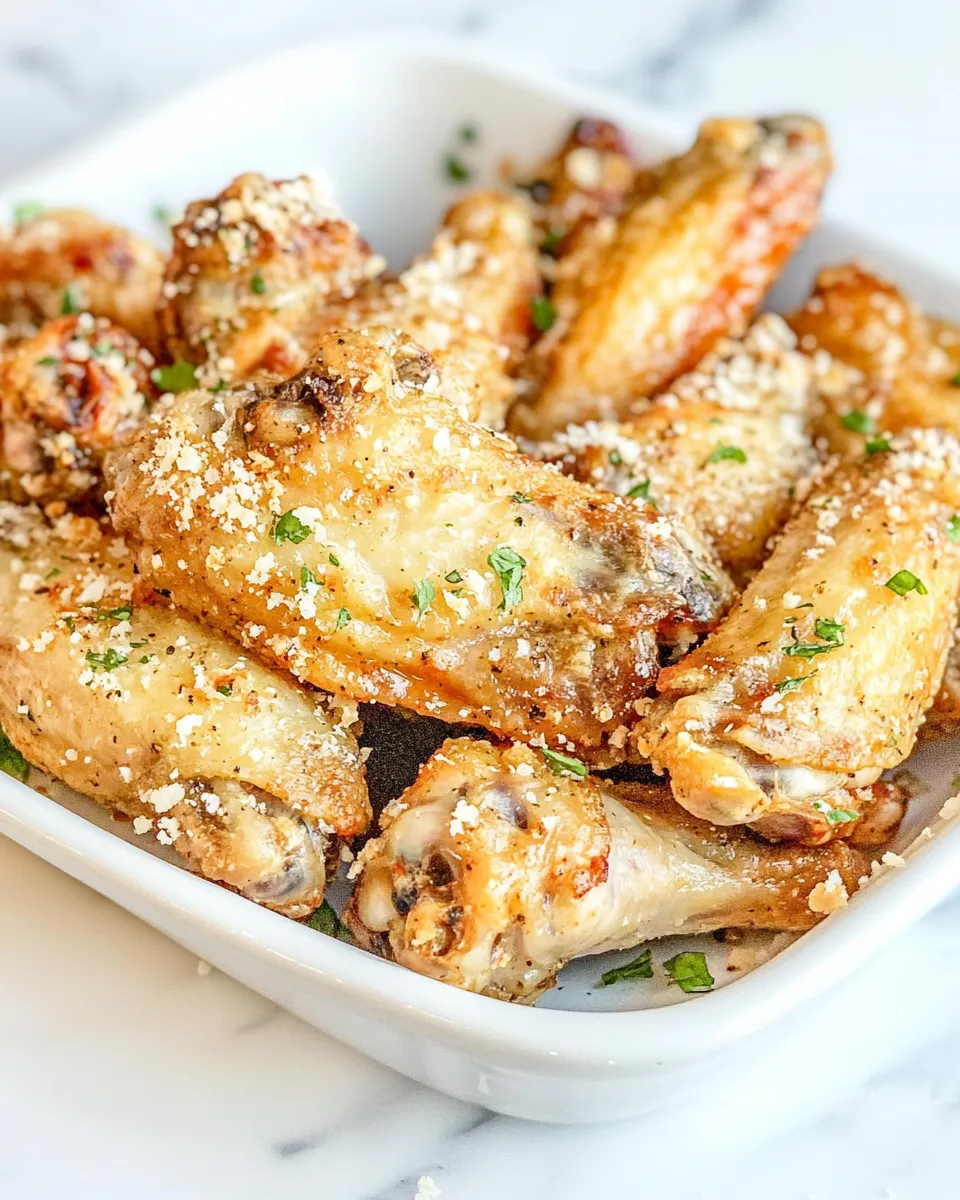
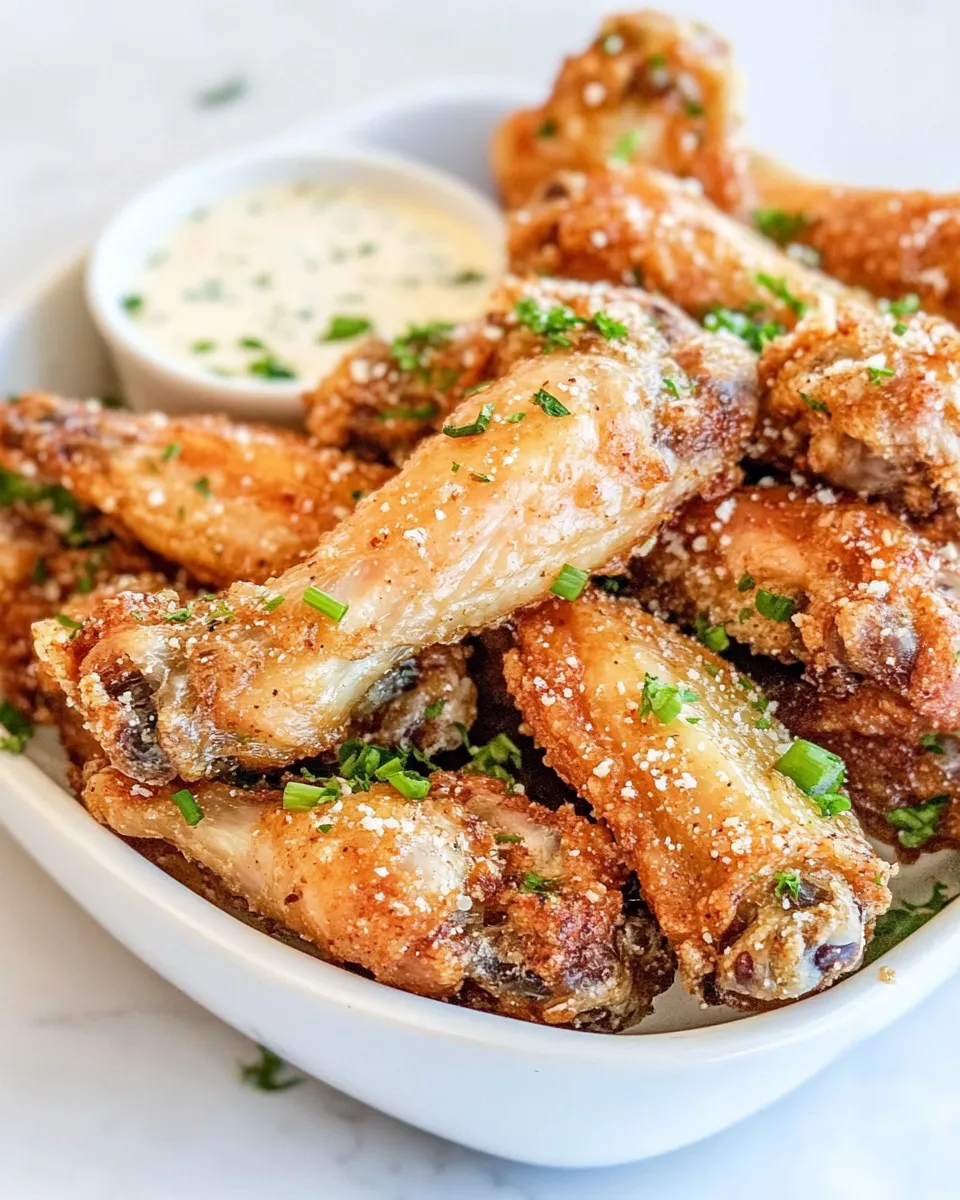
These wings strike a familiar balance: crispy, hot-fried chicken finished in a buttery garlic-Parmesan glaze. They’re straightforward to make at home and won’t leave you chasing complicated steps or exotic ingredients. If you’ve loved Wingstop’s Garlic Parmesan, this recipe aims to reproduce that same comfort with clear technique and a few practical tips so you can get consistent results, every time.
I cook these when I want a crowd-pleasing appetizer or a weeknight dinner that feels like a treat. The method is classic — deep fry for crispiness, then toss in a warm butter sauce so every nooks and cranny picks up flavor. Timing, temperature, and small finishing touches (a second sprinkle of Parmesan, a scatter of fresh parsley) are where the magic lives.
Below you’ll find a tidy shopping guide, a step-by-step walkthrough using the exact method and amounts, and troubleshooting advice so nothing goes sideways. Read the essentials, prep once, and you’ll be ready to plate restaurant-style Garlic Parmesan wings at home.
Ingredients

- 2 pounds chicken wings — whole wings cut at the joints (drumettes and flats); skin-on for best crispiness.
- vegetable oil for frying — neutral oil with a high smoke point; enough to reach a 4-inch depth in your pot or fryer.
- 1/4 cup butter — melts into the sauce and carries the seasonings; salted or unsalted both work.
- 1/2 teaspoon seasoned salt — adds savory oomph; can be omitted or reduced if you prefer lower sodium.
- 1/2 teaspoon ground black pepper — provides a subtle heat and balance to the butter and cheese.
- 2 teaspoons garlic powder — concentrated garlic flavor that infuses the butter sauce evenly.
- 2 tablespoons Parmesan cheese — divided use; one tablespoon stirred into the sauce, one tablespoon for finishing.
- 2 teaspoons fresh minced parsley — brightens the finished wings and adds color contrast.
Your Shopping Guide
Buy whole wings and cut them yourself. Pre-cut wings can save time, but buying whole wings and cutting at the joints gives a little more control over portion size and reduces watery pieces. Look for wings where the skin is intact and not bruised — that helps with crisping.
Pick a neutral frying oil like vegetable, canola, or peanut if no nut allergies. You need enough oil to reach a 4-inch depth in the pot or fryer; if you’re using a smaller pan, scale the oil depth but keep the wings able to float and move without touching the bottom. Freshly grated or store-bought grated Parmesan both work; do buy true Parmesan (Parmigiano-Reggiano if available) rather than a generic “parmesan-style” shavings for a better finish.
For the aromatics and seasonings, simple pantry staples are all that’s required: garlic powder, seasoned salt, and black pepper. Have paper towels and a wire rack ready at home — draining on a rack keeps the underside crisp instead of steaming on a paper towel.
Wingstop Garlic Parmesan Wings: Step-by-Step Guide
- Cut the 2 pounds chicken wings at each joint; discard the wing tips or save them for stock. Pat the wings dry with paper towels.
- Pour vegetable oil into a large, heavy-bottomed pot until the oil reaches a depth of 4 inches (or use a deep fryer). Heat the oil to 350°F (use a thermometer).
- Working in batches to avoid overcrowding, deep-fry the wings for about 8 to 10 minutes per batch, turning once halfway through so they cook evenly. Fry until the wings are just beginning to brown.
- Remove fried wings with a slotted spoon and drain them on a wire rack set over a cookie sheet. Repeat until all wings are cooked.
- While the wings are frying (or immediately after the last batch is drained), make the sauce: in a small pan over medium-low heat, melt 1/4 cup butter. Stir in 1/2 teaspoon seasoned salt, 1/2 teaspoon ground black pepper, and 2 teaspoons garlic powder. When the butter has melted and the seasonings are combined, stir in 1 tablespoon of the Parmesan cheese.
- Place the drained wings in a large bowl. Pour the butter-Parmesan sauce over the wings and toss until they are evenly coated.
- To serve, sprinkle the wings with the remaining 1 tablespoon Parmesan cheese and 2 teaspoons fresh minced parsley.
Why This Recipe Works

The technique is simple but effective: deep frying first locks the skin and renders fat, producing a crisp exterior. Tossing wings in the warm butter-Parmesan sauce instead of pouring cold sauce ensures the sauce clings and slightly melts into the surface instead of pooling. Garlic powder disperses evenly through the butter — it won’t burn the way fresh garlic might during frying — and Parmesan adds savory depth and a pleasant granular finish.
Two small finishing steps make a noticeable difference: tossing right after frying ensures every wing gets an even glaze, and finishing with reserved Parmesan and parsley adds both texture and brightness. Those little contrasts — warm buttery coating and cool fresh parsley — keep the flavor balanced.
Allergy-Friendly Substitutes
Dairy allergy or lactose intolerance:
- Replace butter with a dairy-free butter or a neutral oil like light olive oil; note the flavor will shift and lose the buttery richness.
- Swap Parmesan for nutritional yeast to add savory, cheesy notes — the texture differs, so add it sparingly to taste.
Gluten sensitivity:
- The recipe as written is naturally gluten-free if your seasoned salt and Parmesan are certified gluten-free. Check labels to be sure.
Nut allergies:
- Avoid peanut oil. Use vegetable or canola oil as called for in the recipe.
Kitchen Gear Checklist
- Large, heavy-bottomed pot or deep fryer — for maintaining steady oil temperature.
- Deep-fry thermometer — critical for hitting and holding 350°F.
- Slotted spoon or spider skimmer — for safe removal of wings from hot oil.
- Wire rack and cookie sheet — drains wings and keeps them crisp.
- Small saucepan — for melting butter and combining the sauce ingredients.
- Large mixing bowl — for tossing wings in the sauce without splatter.
- Kitchen tongs — optional, but helpful when tossing and serving.
Avoid These Mistakes
- Overcrowding the fryer — it drops oil temperature and yields soggy wings. Fry in batches so oil quickly returns to 350°F.
- Skipping the thermometer — guessing the oil temperature leads to undercooked interiors or burnt exteriors. Use a thermometer for consistent results.
- Tossing wings with a cold sauce — the butter should be warm so it coats evenly. Pouring cold sauce over hot wings cools the wing surface and causes clumping.
- Draining on paper towels instead of a rack — paper towels create steam pockets; a wire rack keeps air circulating and skin crisp.
- Adding too much cheese to the sauce — only 1 tablespoon Parmesan goes into the butter so the sauce stays fluid; the rest is for finishing.
Seasonal Adaptations
Spring and summer: add fresh herbs like a mix of parsley and cilantro in place of all parsley for a brighter finish. Serve with a light cucumber salad to cut the richness.
Fall and winter: boost warmth by swapping 1/4 teaspoon smoked paprika into the butter sauce for a subtle smoky depth. Pair with roasted root vegetables for a heartier spread.
Holiday entertaining: double the recipe and keep cooked wings in a single layer on a low oven rack (200°F) while frying remaining batches, then toss and finish just before serving to preserve crispness.
Flavor Logic
Garlic powder was chosen for its even, concentrated aroma that survives the heat and mixes seamlessly into melted butter. Seasoned salt adds a rounded savory profile without needing multiple seasonings. Parmesan provides umami and a slightly granular texture so each bite delivers a contrast between crisp skin and a cheesy finish. Fresh parsley brightens and prevents the dish from feeling too heavy.
The two-stage approach — fry, then sauce — respects the physics of frying and saucing. Frying creates a surface that resists immediate sogginess; saucing while wings retain heat lets the butter cling and settle into crevices for even flavor distribution.
Save It for Later
To store: cool wings completely, then refrigerate in an airtight container for up to 3 days. For best texture, reheat in a 400°F oven on a wire rack over a baking sheet for 8–10 minutes until warmed through and the skin crisps up again.
To freeze: flash-freeze cooked, unsauced wings on a baking sheet until solid, then transfer to a freezer bag for up to 2 months. Reheat from frozen in a 425°F oven for 20–25 minutes, then toss with freshly warmed butter-Parmesan sauce before serving.
Frequently Asked Questions
- Can I bake these instead of frying? Yes — baking will work but crispness differs. Bake at 425°F for 35–45 minutes, flipping halfway. Finish by tossing in the warm butter-Parmesan sauce.
- Can I use fresh garlic instead of garlic powder? You can, but add it to warm butter off the heat or at very low heat to avoid burning. Fresh garlic will be stronger and can change texture.
- Why only 1 tablespoon Parmesan in the sauce? A small amount melts into the butter to boost savory flavor without thickening the sauce. The second tablespoon is for finishing texture and flavor on the wings.
- Are wing tips usable? Yes — save wing tips for making stock. They don’t have enough meat to serve but add flavor to broths.
Save & Share
If this recipe hit the spot, save the page and pin it to your favorite recipe board for easy access. Share with friends who love wings — a short note about your favorite dipping sauce or side is a nice personal touch when you pass it on. If you tweak the recipe (a bit more garlic powder, or a smoky paprika twist), jot those changes down next to the recipe so your next batch comes out exactly how you like it.
Happy cooking — crisp wings, warm sauce, and a quick sprinkle of Parmesan and parsley is all it takes to make a memorable plate.
Wingstop Garlic Parmesan Wings
Ingredients
Ingredients
- 2 poundschicken wings
- vegetable oilfor frying
- 1/4 cupbutter
- 1/2 teaspoonseasoned salt
- 1/2 teaspoonground black pepper
- 2 teaspoonsgarlic powder
- 2 tablespoonsParmesan cheesedivided use
- 2 teaspoonsfresh minced parsley
Instructions
Instructions
- Cut the 2 pounds chicken wings at each joint; discard the wing tips or save them for stock. Pat the wings dry with paper towels.
- Pour vegetable oil into a large, heavy-bottomed pot until the oil reaches a depth of 4 inches (or use a deep fryer). Heat the oil to 350°F (use a thermometer).
- Working in batches to avoid overcrowding, deep-fry the wings for about 8 to 10 minutes per batch, turning once halfway through so they cook evenly. Fry until the wings are just beginning to brown.
- Remove fried wings with a slotted spoon and drain them on a wire rack set over a cookie sheet. Repeat until all wings are cooked.
- While the wings are frying (or immediately after the last batch is drained), make the sauce: in a small pan over medium-low heat, melt 1/4 cup butter. Stir in 1/2 teaspoon seasoned salt, 1/2 teaspoon ground black pepper, and 2 teaspoons garlic powder. When the butter has melted and the seasonings are combined, stir in 1 tablespoon of the Parmesan cheese.
- Place the drained wings in a large bowl. Pour the butter-Parmesan sauce over the wings and toss until they are evenly coated.
- To serve, sprinkle the wings with the remaining 1 tablespoon Parmesan cheese and 2 teaspoons fresh minced parsley.
Equipment
- large heavy-bottomed pot
- deep fryer
- Thermometer
- Slotted spoon
- Wire Rack
- Cookie Sheet
- Large Bowl
- Small Pan
Notes
When making the sauce, consider using chopped garlic instead of garlic powder.
For the alternative butter sauce, I want you to chop your garlic fairly fine, and simmer in butter for about 5 to 7 minutes. I want you to simmer the garlic until it becomes tender and begins to make your kitchen smell wonderfully fragrant. Then add in your Parmesan cheese. The fresh garlic adds a dimension to the sauce that everyone will love.
This is about the only time I will tell you it is ok, in fact, preferred that you use the Parmesan cheese that comes in a can. It retains its shape and makes more of a flaky coating than it does when it is all melted.
These garlic parmesan wings don’t reheat well. Reheating wings means you get a soft almost soggy outside. While they don’t taste bad, they just aren’t quite as exciting as they are when you first serve them, but who is going to have leftovers anyway?