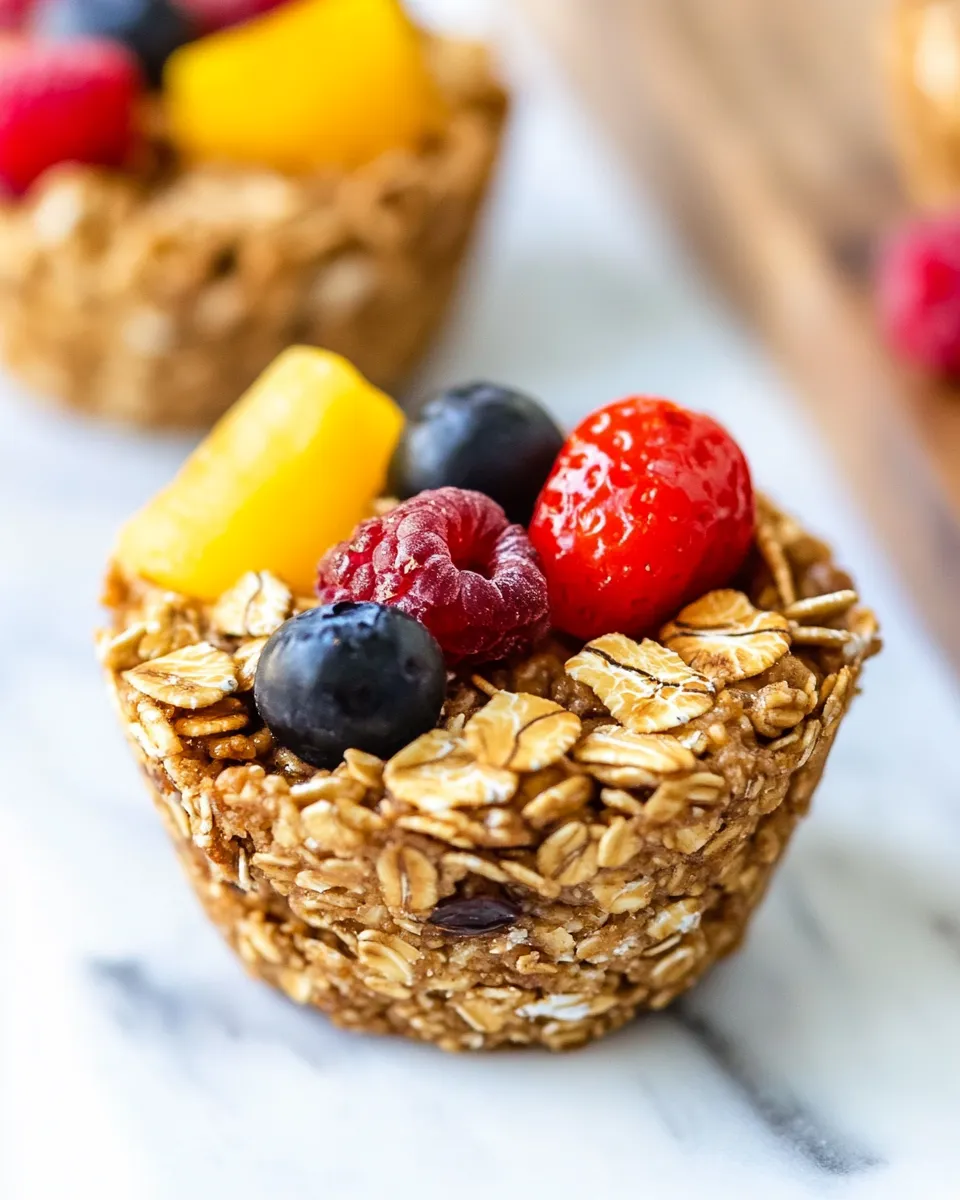
These little cups are one of my go-to breakfasts when life is busy but I still want something homemade and actually satisfying. They bake up in a compact form that’s easy to grab, portable, and forgiving — the kind of breakfast that survives a rushed morning and still tastes like you cared. No fancy equipment required and the ingredient list is small.
The texture sits between a soft baked oatmeal and a chewy muffin. You get the nuttiness of oats, a gentle lift from chia seeds, a hint of vanilla and cinnamon, and the chewy pop of raisins. Warm them for a minute or two and they almost feel like a dessert, chilled they’re a neat, tidy snack for lunchboxes.
I’ll be practical here: the technique is simple, the timing is short, and the substitutions are flexible. Read through the steps, set your oven, and you’ll have a batch in under 30 minutes from start to finish. Below you’ll find a clear shopping list, the exact step-by-step directions, troubleshoot tips, and sensible storage advice so every batch turns out well.
Shopping List
- ½ cup rolled oats (or quick oats) — base for the cups.
- 1 tablespoon chia seeds — for binding and texture.
- ¼ teaspoon cinnamon — warm spice.
- ½ teaspoon vanilla extract — flavor enhancer.
- 2 tablespoons raisins or other dried fruit — for sweetness and chew.
- 1 teaspoon maple syrup or honey (optional) — add sweetness if you like.
- ¾ cup milk — warmed before mixing.
- Silicone molds or a mini muffin tin — for shaping the cups.
Ingredients
- ½ cup rolled oats — ground in a food processor or blender, or use quick oats as-is; they form the structure of each cup.
- 1 tablespoon chia seeds — helps thicken and bind the mixture while adding a little textural interest.
- ¼ teaspoon cinnamon — brings warmth and balances the oats and fruit.
- ½ teaspoon vanilla extract — lifts the flavor so the cups don’t taste flat.
- 2 tablespoons raisins — or other dried fruit snipped into small pieces; they add concentrated sweetness and chew.
- 1 teaspoon maple syrup or honey — optional; a touch of natural sweetener if you want sweeter cups.
- ¾ cup milk — warmed until hot (but not boiling); it hydrates the oats and activates the chia.
Step-by-Step: Baked Oatmeal Cups
- Preheat the oven to 375°F (190°C). Grease silicone molds or a mini muffin tin.
- If using rolled oats, grind them in a food processor or blender until coarse-fine (or use quick oats as-is). In a medium bowl, combine the oats, 1 tablespoon chia seeds, 1/4 teaspoon cinnamon, 1/2 teaspoon vanilla extract, 2 tablespoons raisins (snipped into small pieces), and 1 teaspoon maple syrup or honey (if using).
- Warm 3/4 cup milk until hot but not boiling. Pour the warm milk into the bowl and stir until evenly combined.
- Let the mixture sit for 5 minutes to allow the oats and chia seeds to absorb the liquid, then stir once more.
- Use a spoon to press about 1 tablespoon of batter into each prepared mold or mini muffin cup, spreading/pressing lightly so each cup is evenly filled.
- Bake at 375°F for 10–14 minutes, or until the oatmeal cups are set and golden brown around the edges.
- Remove from the oven and let the cups cool in the pan for 5–10 minutes, then transfer to a wire rack to cool further. Serve slightly warm or chilled.
Why I Love This Recipe
It’s straightforward. You don’t need any complicated emulsions or long soaking times, yet the result feels intentional. The quick grind of rolled oats transforms their texture so the cups hold together without becoming gummy. A short bake concentrates flavor and adds just enough browning to make the edges pleasantly toasty.
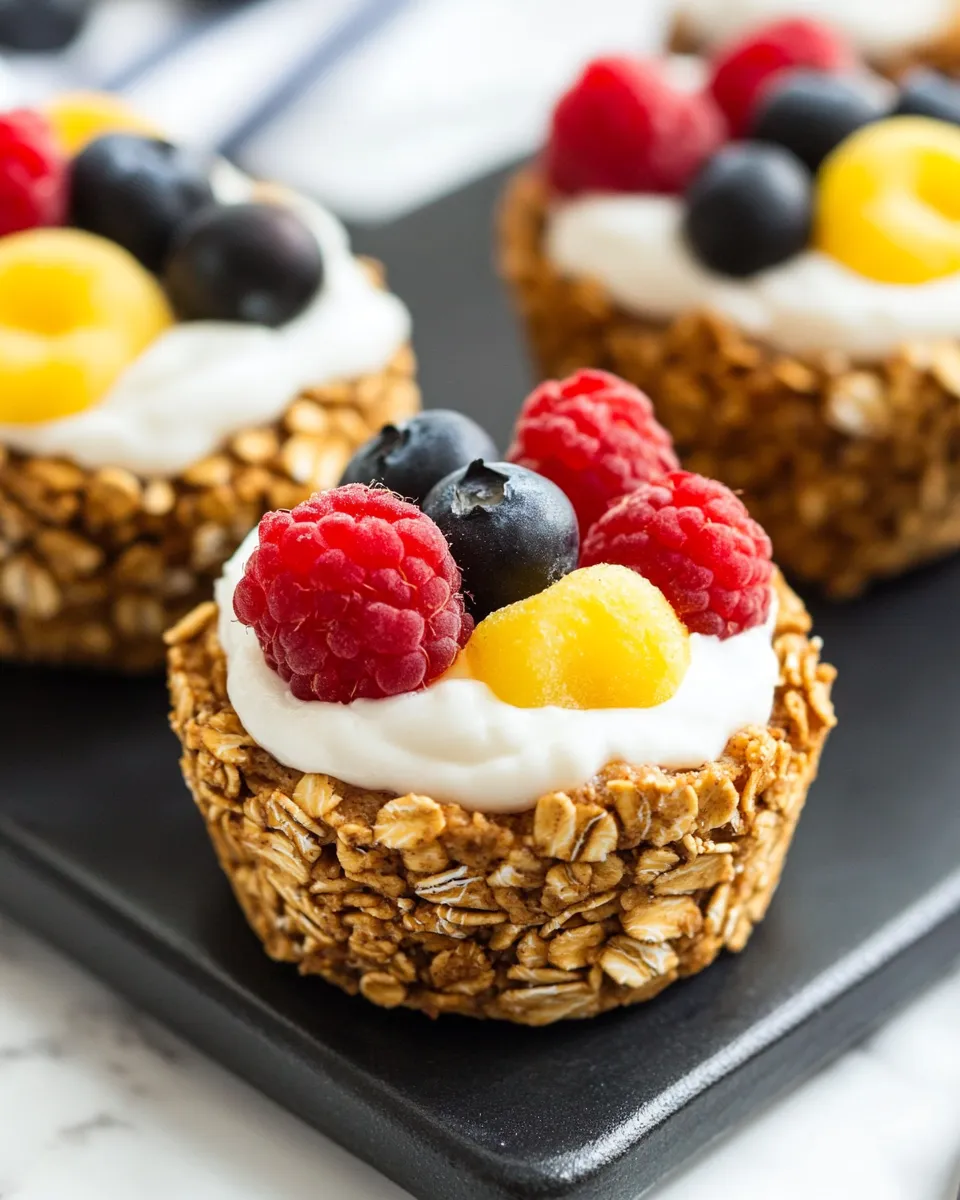
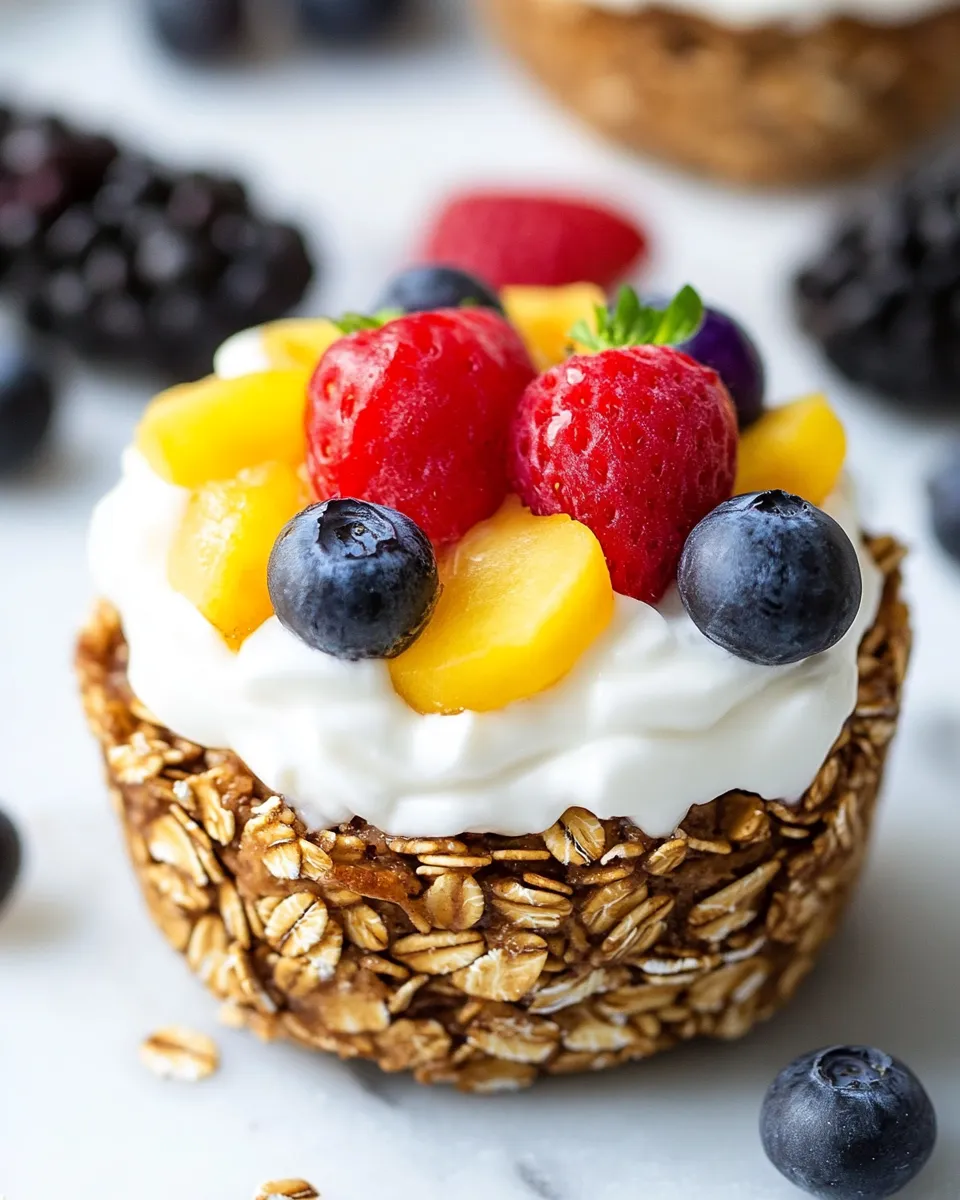
The recipe is also endlessly practical. Make a double batch and freeze half. Pack them for school, take one as a desk snack, or pair a warm cup with yogurt and fruit for a satisfying breakfast bowl. The balance of oats, chia, and warm milk keeps you full, and the hands-off five-minute soak means you can pop them in the oven while getting ready.
Ingredient Swaps & Substitutions
- Rolled oats → quick oats: the recipe allows quick oats as-is; they’ll yield a slightly softer cup.
- Milk → any milk alternative: use almond, oat, soy, or other plant-based milks warmed the same way. The texture may vary slightly but the soak and bake still work.
- Raisins → other dried fruit: chopped apricots, chopped dates, or cranberries all work; snip them into small pieces like the directions suggest.
- Maple syrup/honey → omit if you prefer less sweetness: the dried fruit provides sweetness on its own.
- Chia seeds → ground flaxseed: if you need a swap, ground flax will help bind (no new measurements provided; use a similar volume).
- Flavoring → citrus zest or nutmeg: small additions like orange zest or a pinch of nutmeg can complement cinnamon, used sparingly.
Kitchen Gear Checklist
- Food processor or blender — to grind rolled oats to a finer texture.
- Medium mixing bowl — to combine oats, chia, spices, and fruit.
- Spoon or small spatula — for stirring and pressing batter into molds.
- Silicone molds or mini muffin tin — silicone is easiest for unmolding; a greased mini muffin tin also works.
- Oven preheated to 375°F (190°C) — consistent oven temperature gives reliable browning.
- Wire rack — for cooling the baked cups so they set properly after removing from the pan.
Things That Go Wrong
Soggy or under-set centers
Cause: not enough bake time or too much liquid. Fix: return them to the oven for 2–4 more minutes and watch the edges; they should be golden and the center should no longer jiggle. Also press the batter evenly into molds so portions are consistent.
Edges burn before centers set
Cause: hot spots or overbaking for your oven. Fix: rotate the pan halfway through baking and check at the lower end of the time range (10 minutes). If edges brown too fast, lower temperature by 10–15°F and bake a little longer.
Sticking to the pan
Cause: insufficient greasing or using a metal mini muffin tin without liners. Fix: grease generously, use silicone molds, or line cups with paper liners. Let the cups cool 5–10 minutes before trying to remove them; they firm up as they cool.
Flat, dense cups
Cause: over-grinding the oats into a flour-like powder or packing batter too tightly. Fix: pulse the oats to a coarse-fine texture rather than a powder. Lightly press batter into molds rather than compacting it.
Seasonal Adaptations
Spring and summer
- Serve chilled with fresh berries or a berry compote on top for brightness.
- Fold in a few lemon or orange zest flakes for a fresh, citrus lift.
Fall and winter
- Add a pinch of nutmeg, cloves, or pumpkin pie spice alongside the cinnamon for cozy warmth.
- Swap raisins for chopped dates and a drizzle of warmed maple syrup right before serving.
Holiday variation
- Mix in finely chopped candied orange peel or minced dried cherries for a festive touch; top warm cups with a dollop of mascarpone or yogurt.
Chef’s Rationale
Grinding rolled oats creates a finer texture that holds together without becoming gummy the way straight whole oats can when baked in small forms. Chia seeds absorb liquid and act as a gentle binder; they also add a subtle textural pop that keeps the mouthfeel interesting. Warming the milk first helps the oats hydrate quickly and more evenly — that short five-minute rest is the trick that gives the batter a chance to settle and ensures you get set cups after a quick bake.
Baking at 375°F for a short time encourages edge browning while keeping centers tender. The ratio of liquid to dry ingredients is calibrated to produce cups that are not cakey but not too loose: press gently when filling molds so each cup is uniform. These choices prioritize speed, simplicity, and reliability over complexity.
Storage & Reheat Guide
Short-term
- Refrigerator: store in an airtight container for up to 4 days.
- Serve chilled or reheat: microwave a cup for 10–20 seconds, or warm in a 300°F oven for 5–7 minutes.
Long-term
- Freezer: place cooled cups on a tray to flash-freeze, then transfer to a zip-top bag for up to 2 months.
- To reheat from frozen: microwave on a low power setting for 40–60 seconds, or thaw in the fridge overnight and warm briefly.
Tips
- Stacking the cups with parchment between layers prevents sticking in storage.
- If microwaving from frozen, cover loosely to retain moisture and avoid rubbery texture.
Common Questions
Can I make these gluten-free?
Yes. Use certified gluten-free oats if you need to avoid gluten. The rest of the ingredients listed are naturally gluten-free, but always double-check processed items like vanilla extract if you have strict requirements.
Can I make this vegan?
Yes. Use a plant-based milk (almond, soy, oat, etc.) and choose maple syrup instead of honey. The structure depends on oats and chia, so the cups will still set well.
Can I double the recipe?
Yes. Double everything and bake across multiple pans. Make sure to fill cups evenly so baking time stays consistent; you may need to rotate pans halfway through if using more than one rack.
How large are the cups?
The directions call for using about 1 tablespoon of batter per cup in a mini muffin tin or silicone mold. That keeps servings small and portable. If you use larger muffin tins, expect thicker centers and adjust baking time slightly upward until set.
Are there any texture tricks?
If you prefer a firmer cup, let the batter sit a bit longer before baking (an extra 2–3 minutes) or use a hair less milk. For softer cups, add a splash more milk but watch the bake time so centers set.
Time to Try It
These Baked Oatmeal Cups are an easy, dependable recipe to add to your repertoire. The method is short, the ingredients are familiar, and the result is versatile: a quick breakfast, an afternoon snack, or a make-ahead component for busy mornings. Measure, mix, warm the milk, press into molds, and bake. In under 30 minutes you’ll have tidy, flavorful cups that travel well and keep you satisfied.
Start with the exact ingredients and steps above, then tweak small things — different dried fruit, a sprinkle of nuts on top, or a quick smear of nut butter — to fit your week. Keep a batch in the fridge or freezer and you’ll thank yourself on the busiest mornings.
Baked Oatmeal Cups
Ingredients
Ingredients
- ?1/2 cuprolled oats ground in afood processororblender, or use quick oats
- ?1 tablespoonchia seeds
- ?1/4 teaspooncinnamon
- ?1/2 teaspoonvanilla extract
- ?2 tablespoonsraisins or other dried fruit snipped into small pieces
- ?1 teaspoonmaple syrupor honey optional
- ?3/4 cupmilk warmed until hot (but not boiling)
Instructions
Instructions
- Preheat the oven to 375°F (190°C). Grease silicone molds or a mini muffin tin.
- If using rolled oats, grind them in a food processor or blender until coarse-fine (or use quick oats as-is). In a medium bowl, combine the oats, 1 tablespoon chia seeds, 1/4 teaspoon cinnamon, 1/2 teaspoon vanilla extract, 2 tablespoons raisins (snipped into small pieces), and 1 teaspoon maple syrup or honey (if using).
- Warm 3/4 cup milk until hot but not boiling. Pour the warm milk into the bowl and stir until evenly combined.
- Let the mixture sit for 5 minutes to allow the oats and chia seeds to absorb the liquid, then stir once more.
- Use a spoon to press about 1 tablespoon of batter into each prepared mold or mini muffin cup, spreading/pressing lightly so each cup is evenly filled.
- Bake at 375°F for 10–14 minutes, or until the oatmeal cups are set and golden brown around the edges.
- Remove from the oven and let the cups cool in the pan for 5–10 minutes, then transfer to a wire rack to cool further. Serve slightly warm or chilled.
Equipment
- Measuring Cups
- Mini muffin pan
- Mixing Bowl
Notes
You can use dairy or nondairy milk in this recipe according to your preferences. Both work just the same. If you use nondairy milk, check to see if it’s flavored or sweetened before adding the vanilla or optional sweetener. You may not need either.
Avoid honey for babies under 1.
Grind the oats in afood processororblender, or use instant oats, if desired, for a smoother texture.
You can use raisins or other dried fruit (cranberries, cherries, and the like) or chopped fresh blueberries or raspberries. You may want to cut bigger pieces of fruit with scissors or a knife.
You can use leftover cooked oatmeal in this recipe, too, though it works best with cooked oatmeal that’s thick. Simply stir 1 tablespoonchia seedsand 1-3 tablespoons milk into cooked oatmeal and proceed with Step 3 of the recipe.
Serve with fruit, a smoothie, or a drink as breakfast or even lunch. They work for snack, too!