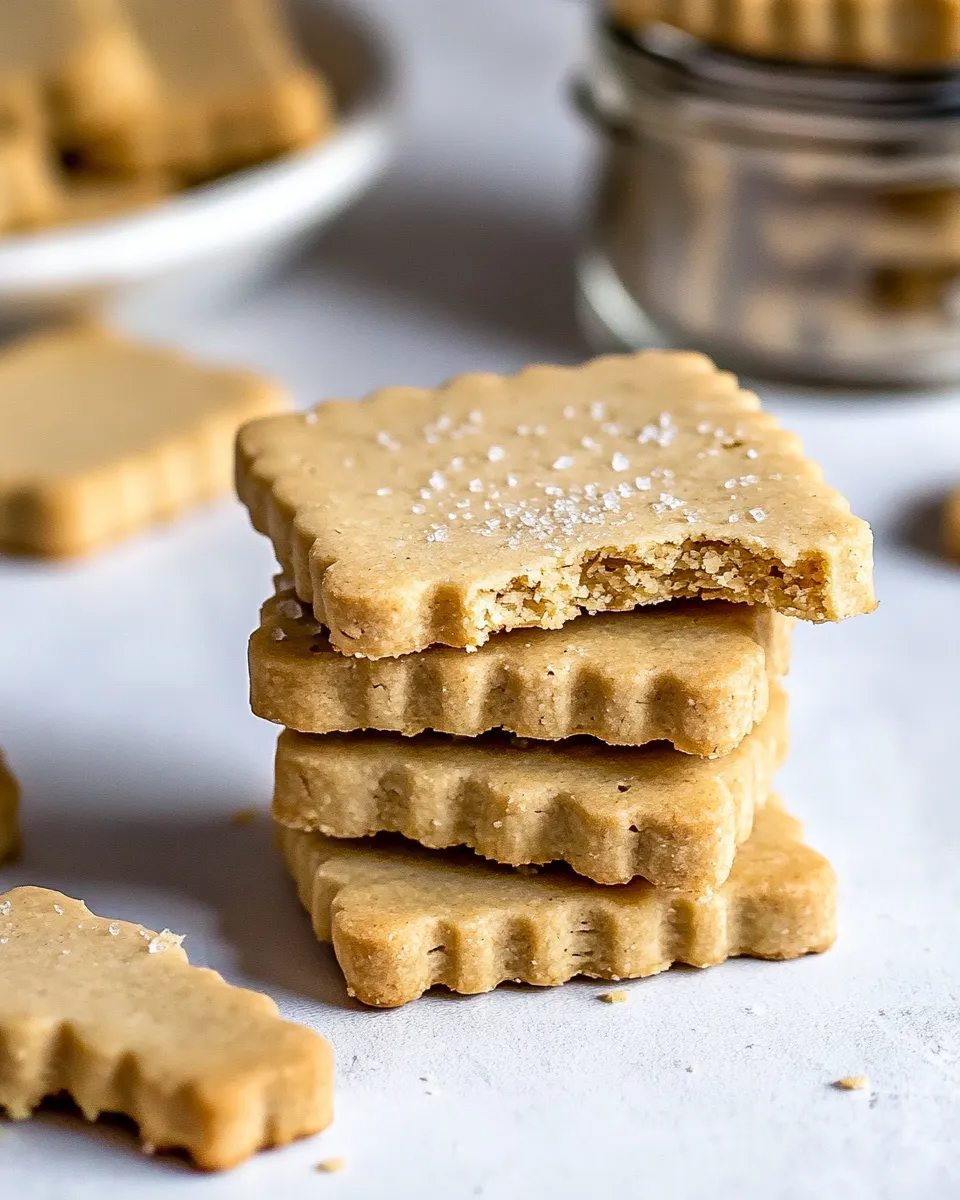
Shortbread is one of those recipes that feels like a gentle hug from the oven: simple, honest, and reliably comforting. This brown sugar version leans a touch deeper and warmer in flavor than the classic, giving the cookies a soft caramel note while keeping that characteristic sandy crumb. They’re not fussy, but they do reward careful handling.
I’ll walk you through the exact ingredients and steps I use at home so these come out every time—tender centers, clean edges, and a flavor that pairs with a cup of tea or a sturdy black coffee. No gimmicks, just reliable technique and a few practical tips that save time and trouble.
What Goes Into Brown Sugar Scottish Shortbread
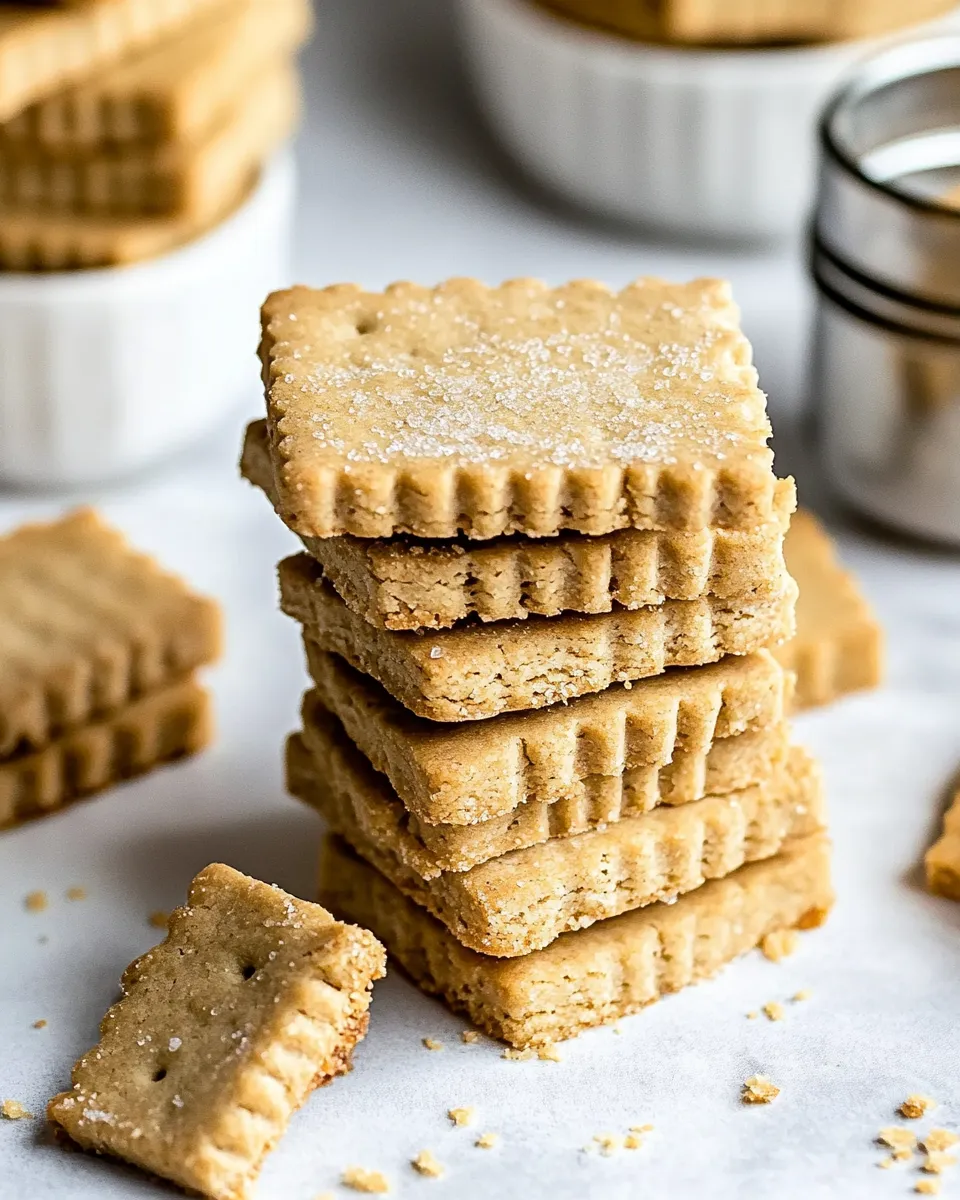
- 2 cups butter (unsalted, softened) — the base of the dough; provides richness and structure. Use fully softened butter for even creaming.
- 1 cup brown sugar (packed) — adds sweetness and that caramel note; packing it keeps measurements consistent.
- 4 ½ cups all-purpose flour — the dry framework. Most of it gets mixed into the dough; a small portion is reserved for dusting and rolling.
- ½ teaspoon salt — balances sweetness and enhances the butter flavor; whisked into the flour so it distributes evenly.
Brown Sugar Scottish Shortbread, Made Easy
- Preheat oven to 325°F (165°C).
- In a large bowl, beat the softened butter and packed brown sugar with a mixer until light and fluffy, scraping down the sides of the bowl as needed.
- Measure the 4 1/2 cups all-purpose flour and the 1/2 teaspoon salt. Set aside 1/2 cup of the flour for dusting/rolling and whisk the salt into the remaining 4 cups of flour.
- With the mixer on low, add the 4-cup flour-and-salt mixture to the creamed butter and sugar in about 1-cup additions, mixing until just combined after each addition. Stop when the dough comes together and no large streaks of flour remain.
- Turn the dough onto your work surface and use the reserved 1/2 cup flour to lightly dust the surface and the dough. Knead the dough a few times until it holds together.
- Roll the dough with a rolling pin to an even thickness of about 1/4 to 1/2 inch.
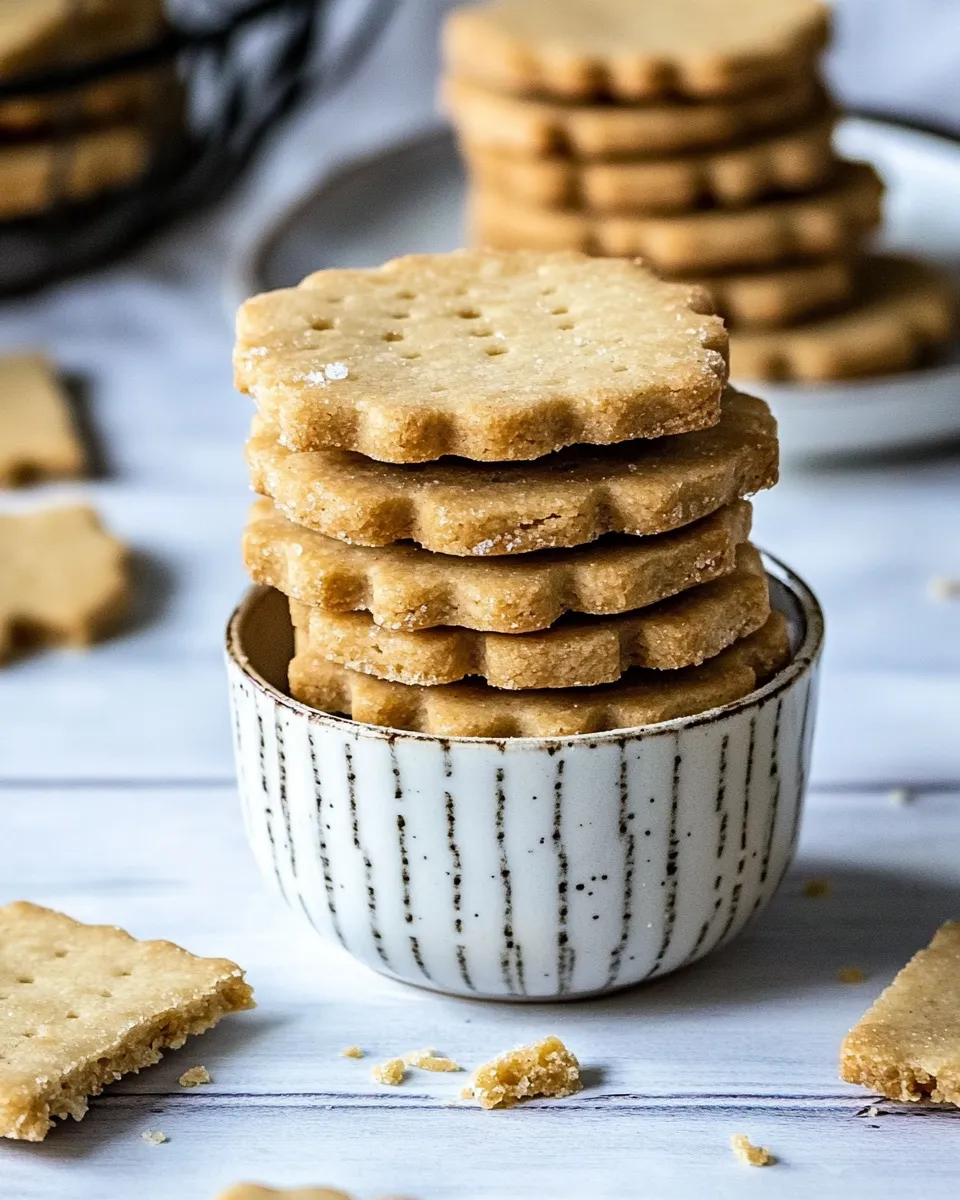
- Use a 2-inch cookie cutter (or shortbread cutter) to cut shapes. Prick the tops of each cookie a few times with a fork or toothpick and transfer them to ungreased baking sheets, spacing them about 1 inch apart.
- Bake at 325°F (165°C) for 20 to 25 minutes, until the cookies are set but not browned.
- Remove the baking sheets from the oven and let the cookies cool on the sheets for 5 minutes, then transfer the cookies to a wire rack to finish cooling.
What Makes This Recipe Special
There are two simple things that set this shortbread apart: the brown sugar and the gentle bake. Brown sugar introduces a molasses-like depth that changes the cookie from straightforward butter-and-flour to something more nuanced. It softens the overall sweetness and gives a hint of caramel without overpowering the buttery profile.
The low oven temperature is intentional. Shortbread shouldn’t brown; it should set. Baking at 325°F (165°C) lets the cookies cook through without forming dark edges, preserving a pale, even color and the tender, crumbly texture you expect from a classic Scottish biscuit.
Technique plays a big part too. Creaming the butter and sugar until light and fluffy incorporates air that helps the cookies feel delicate rather than dense. Then, mixing the flour in gently and stopping as soon as the dough comes together avoids developing gluten, which would make these tough instead of melt-in-your-mouth.
Dairy-Free/Gluten-Free Swaps
If you need to avoid dairy, use a firm, block-style plant-based butter that is designed for baking and has a similar fat content to regular butter. Work with it at the same softened stage; the procedure doesn’t change. Expect a slightly different mouthfeel but a very similar outcome.
For gluten-free, choose a reliable 1:1 gluten-free all-purpose flour blend that includes xanthan gum or another binder. Because blends vary, handle the dough gently and watch texture during the rolling stage—some blends require a touch less pressure. Do not add extra liquid unless the dough feels crumbly; instead, press gently to bring it together.
Kitchen Gear Checklist
- Stand mixer or hand mixer — for creaming butter and sugar evenly.
- Large mixing bowl — room to work while mixing and scraping.
- Measuring cups and a teaspoon — for accurate flour and salt measurement.
- Whisk — to blend the salt into the flour and remove lumps.
- Rolling pin — to roll the dough to an even 1/4 to 1/2 inch thickness.
- 2-inch cookie cutter or shortbread cutter — for consistent shapes and bake times.
- Baking sheets — ungreased is fine; use flat, rimless or low-rim sheets for even baking.
- Wire rack — to cool cookies fully and avoid sogginess from steam.
Easy-to-Miss Gotchas
- Butter too cold or too warm — If it’s too cold you won’t cream it properly; too warm and the dough gets greasy and hard to handle. Aim for softened but still slightly cool butter.
- Overworking the dough — Kneading or mixing beyond “no large streaks of flour” develops gluten, which leads to toughness. Stop as soon as the dough holds together.
- Skipping the reserved flour — That 1/2 cup is for dusting and keeps the dough from sticking without adding too much extra flour into the mix.
- Letting the cookies brown — Browned shortbread signals overbaking. The cookies should be set and pale; remove them as soon as they stop looking raw.
- Using greased baking sheets — Shortbread spreads less predictably on greased pans. Transfer cut shapes to ungreased sheets for best texture and appearance.
In-Season Swaps
Shortbread is a blank canvas. In winter, a small amount of warm spice or a little citrus zest works beautifully. In summer, pair the cookie with a bright jam or use a light drizzle of a complementary glaze. Keep additions minimal—this dough is about butter and sugar—so a sprinkle or a vote of flavor is all you need.
When fruit is at its peak, think about serving slices of the shortbread alongside fresh, sliced fruit or a spoon of compote rather than altering the dough itself. That maintains the cookie’s texture while adding seasonal brightness to the plate.
Notes on Ingredients
Butter: Unsalted, softened butter is listed for control over salt. Softening should be even—press lightly with a finger; it should give but not collapse. If your kitchen is warm, chill the bowl briefly after creaming if the mixture looks oily.
Brown sugar: Packed brown sugar gives consistent sweetness. If your sugar has formed hard lumps, break them up and weigh if possible. The molasses in brown sugar contributes both flavor and a slightly softer crumb than white sugar would.
All-purpose flour: The recipe separates 1/2 cup for dusting and rolling—don’t fold that portion into the dough. Whisk the salt into the larger portion to make sure salt distributes evenly; otherwise you risk bright pockets of salt or under-seasoned biscuits.
Salt: The small quantity is important. It brightens the butter and balances the brown sugar. Use the 1/2 teaspoon as written; it’s easy to overdo salt with small-batch cookies, and that will overwhelm the subtle flavors.
Save It for Later
Shortbread stores well. Keep baked cookies in an airtight container at room temperature for up to five days. Line layers with parchment paper to preserve edges and prevent abrasion. For longer storage, freeze fully cooled cookies in a single layer on a sheet pan, then transfer to a freezer-safe container; they keep for up to three months. Thaw at room temperature—no reheating needed, though warming briefly brings back a just-baked aroma.
Ask & Learn
Why didn’t my cookies hold shape? If dough got too warm while you were rolling and cutting, shapes can slump. Chill the cut shapes briefly on the baking sheet before baking if your kitchen is warm.
Why are they crumbly and fall apart? That usually means the dough was overfloured or overworked. Use the reserved 1/2 cup flour sparingly and stop kneading once the dough holds together.
Why no browning? That’s expected. Shortbread should bake through without browning at 325°F (165°C). If you want a hint of color, increase the temperature slightly, but you’ll change the texture.
Can I make the dough ahead? Yes. Form the dough, wrap it tightly, and chill for up to 48 hours. Bring it to a workable firmness before rolling. This is handy for spreading the work over two days.
See You at the Table
These brown sugar Scottish shortbreads are a small, dependable pleasure: straightforward to make, forgiving when you keep the key steps in mind, and deeply satisfying to eat. If you try them, look for that gentle caramel warmth in the crumb and the clean, buttery finish. Share a batch, and you’ll have an instant reason to linger at the table.
Brown Sugar Scottish Shortbread
Ingredients
Ingredients
- 2 cupsbutter unsalted, softened
- 1 cupbrown sugar packed
- 4 1/2 cupsall-purpose flour
- 1/2 teaspoonsalt
Instructions
Instructions
- Preheat oven to 325°F (165°C).
- In a large bowl, beat the softened butter and packed brown sugar with a mixer until light and fluffy, scraping down the sides of the bowl as needed.
- Measure the 4 1/2 cups all-purpose flour and the 1/2 teaspoon salt. Set aside 1/2 cup of the flour for dusting/rolling and whisk the salt into the remaining 4 cups of flour.
- With the mixer on low, add the 4-cup flour-and-salt mixture to the creamed butter and sugar in about 1-cup additions, mixing until just combined after each addition. Stop when the dough comes together and no large streaks of flour remain.
- Turn the dough onto your work surface and use the reserved 1/2 cup flour to lightly dust the surface and the dough. Knead the dough a few times until it holds together.
- Roll the dough with a rolling pin to an even thickness of about 1/4 to 1/2 inch.
- Use a 2-inch cookie cutter (or shortbread cutter) to cut shapes. Prick the tops of each cookie a few times with a fork or toothpick and transfer them to ungreased baking sheets, spacing them about 1 inch apart.
- Bake at 325°F (165°C) for 20 to 25 minutes, until the cookies are set but not browned.
- Remove the baking sheets from the oven and let the cookies cool on the sheets for 5 minutes, then transfer the cookies to a wire rack to finish cooling.
Equipment
- KitchenAid Hand Mixer
- Keep Calm And Bake On Spatula
- Classic Wooden Rolling Pin
- Aluminum Baking Sheet (2 pack)
- 2-inch Cookie Cutter
- 3-inch Shortbread Cookie Cutter
- Black Cooling Rack
Notes
If using salted butter, there’s no need to add additional salt to your cookies.
These cookies freeze incredibly well. To freeze, place shortbread cookies in an airtight container and place in the freezer for up to3 months.