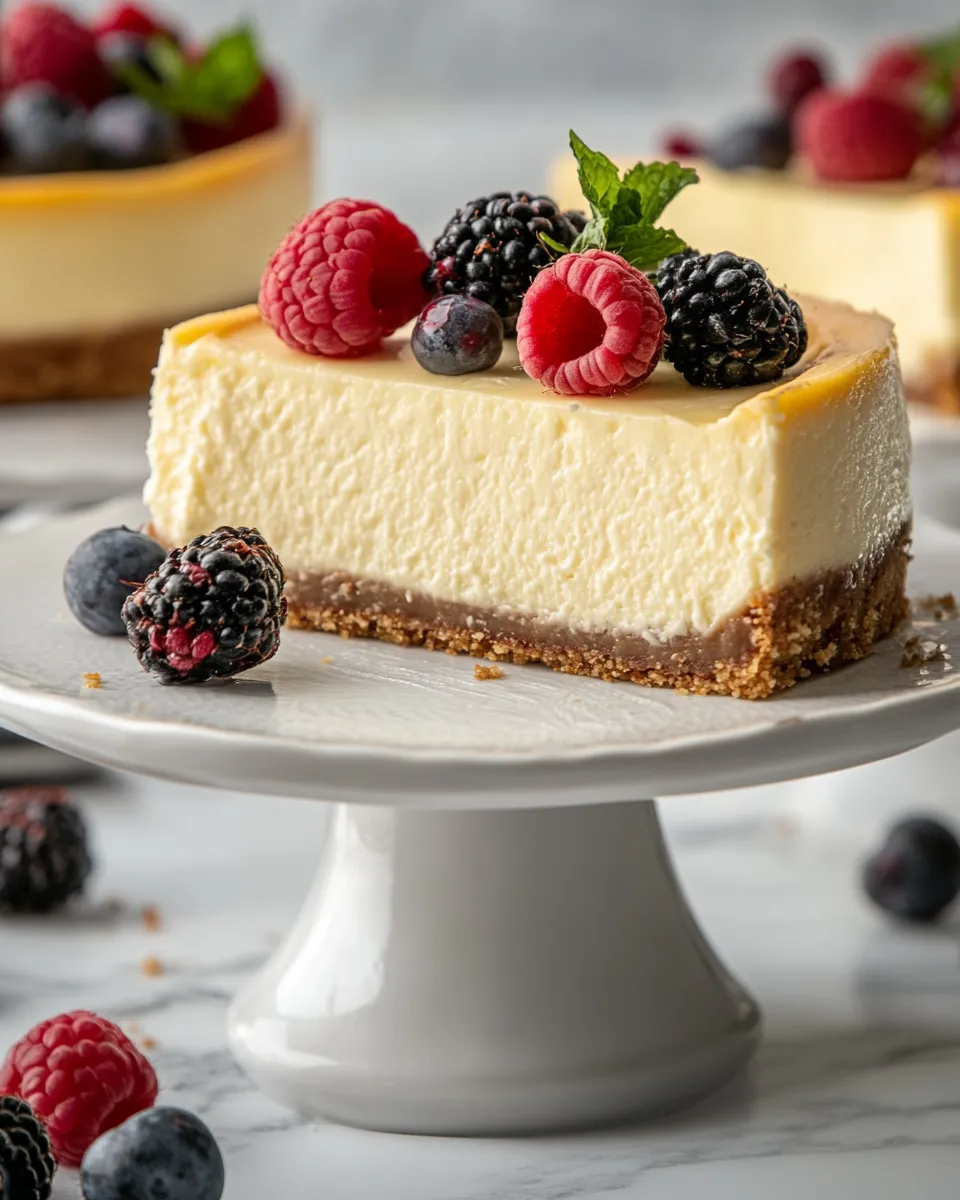
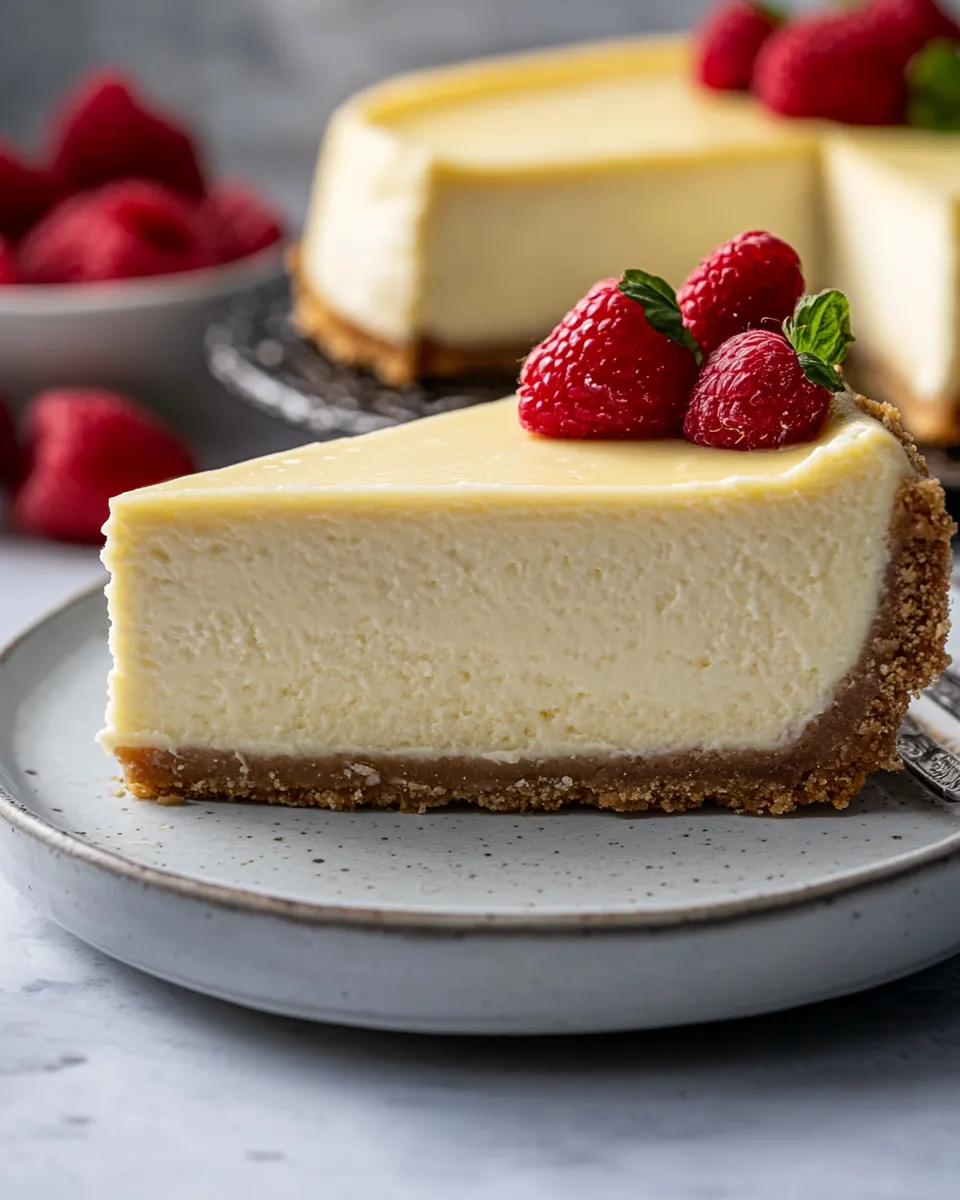
This low-fat cheesecake is the kind of dessert I make when I want the creamy satisfaction of a classic cheesecake without the heavy finish. It keeps the texture where it matters — smooth, slightly tangy, and just-set — while trimming the fat by using low-fat cream cheese and Greek yogurt. The result is light enough to enjoy more than one slice and sturdy enough to impress guests.
I test recipes the way I cook for my family: practically and repeatedly. This version gleans small technique adjustments — room-temperature dairy, gentle mixing, a gradual cool-down in the oven — to prevent cracks and deliver a clean slice. The crust is modest, buttery, and gets just enough of that graham-cracker comfort without dominating the filling.
Read through the steps before you begin, and plan for refrigeration time. The bake is straightforward and mostly hands-off, but the chilling is where the cheesecake sets properly. I’ll walk you through ingredients, exact directions, and practical tips so your Low-Fat Cheesecake comes out reliably every time.
What Goes In
Ingredients
- 3/4 cup graham cracker crumbs — forms the base; press firmly for a compact crust.
- 3 tbsp unsalted butter, melted — binds and flavors the crumbs; reserve ~1 tsp to grease the pan as noted in the directions.
- 8 oz low-fat cream cheese, at room temperature — the primary creamy element; room temperature prevents lumps.
- 1 cup low-fat Greek yogurt — adds tang, moisture, and structure while reducing fat.
- 1 egg at room temperature — helps set the filling and gives richness without extra fat.
- 1/3 cup granulated white sugar — balances tang and sweetens the filling; measure accurately.
- 1/2 tbsp vanilla extract — rounds flavor and masks any sharpness from low-fat dairy.
- 1/4 tsp salt — enhances overall flavor and cuts through sweetness.
- 1 cup fresh mixed berries — bright, fresh topping; adds acidity and color to each slice.
Directions: Low-Fat Cheesecake
- Preheat the oven to 350°F (175°C). Lightly grease the inside of a 7-inch springform pan using about 1 teaspoon of the 3 tablespoons melted butter; keep the remaining melted butter for the crust.
- In a medium bowl, combine 3/4 cup graham cracker crumbs with the remaining melted butter. Stir until the crumbs are evenly moistened.
- Transfer the crumb mixture to the prepared pan and press it firmly and evenly into the bottom. Set the pan aside.
- In a mixing bowl, place 8 oz low-fat cream cheese (at room temperature), 1 cup low-fat Greek yogurt, and 1/3 cup granulated sugar. Beat with a hand mixer or stand mixer on medium speed until smooth and creamy, scraping down the sides as needed.
- Add 1 egg (at room temperature), 1/2 tablespoon vanilla extract, and 1/4 teaspoon salt to the cream cheese mixture. Beat on medium speed just until combined — do not overmix.
- Pour the cheesecake filling over the crust in the pan and smooth the top with a spatula.
- Bake on the center oven rack for 40 minutes, until the edges are set and the center is slightly jiggly.
- After baking, open the oven door slightly and leave the cheesecake in the oven for 30 minutes to cool gradually. Then remove the pan from the oven and transfer it to a wire rack to cool briefly.
- Run a thin knife around the edge of the cheesecake, unlock and remove the springform ring, then refrigerate the cheesecake for at least 3 hours (until firm).
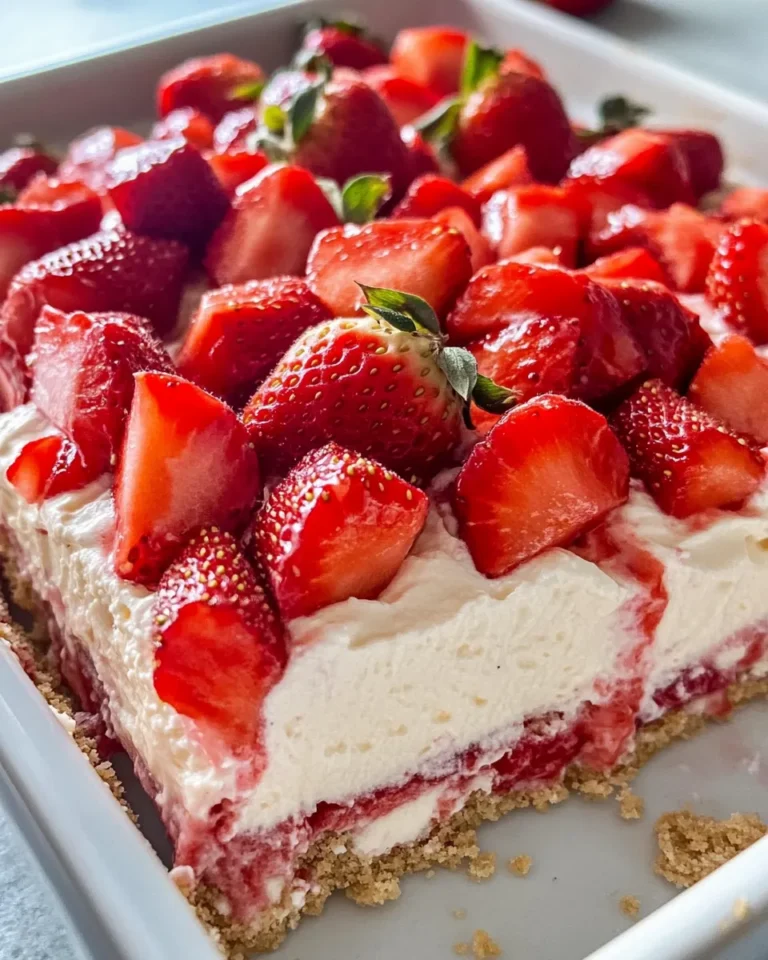
- Top the chilled cheesecake with 1 cup fresh mixed berries.
- Slice the cheesecake into 6–8 equal slices and serve.
Top Reasons to Make Low-Fat Cheesecake
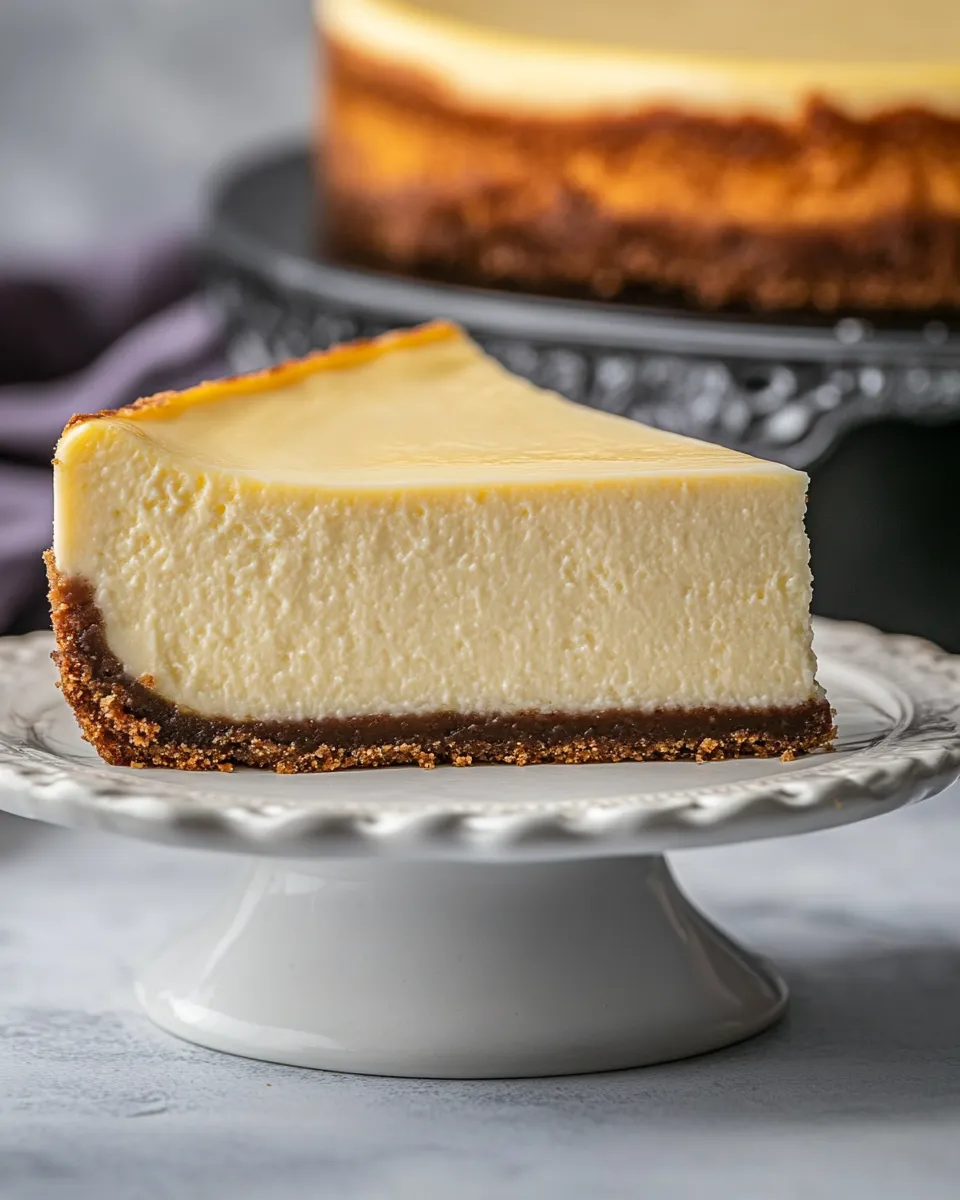
1) Real cheesecake feel with fewer calories. You get the texture and tang of a traditional cheesecake without heavy cream or multiple blocks of full-fat cream cheese. That means you can enjoy dessert without feeling weighed down.
2) Simple, reliable method. This recipe uses one pan, a short ingredient list, and straightforward steps. The slow cool-down in the oven minimizes cracks; room-temperature dairy prevents lumps.
3) Fast prep, long payoff. Active time is short — you’ll spend most time waiting for it to chill. It’s a good make-ahead dessert for dinners and gatherings because it improves after resting.
Healthier Substitutions
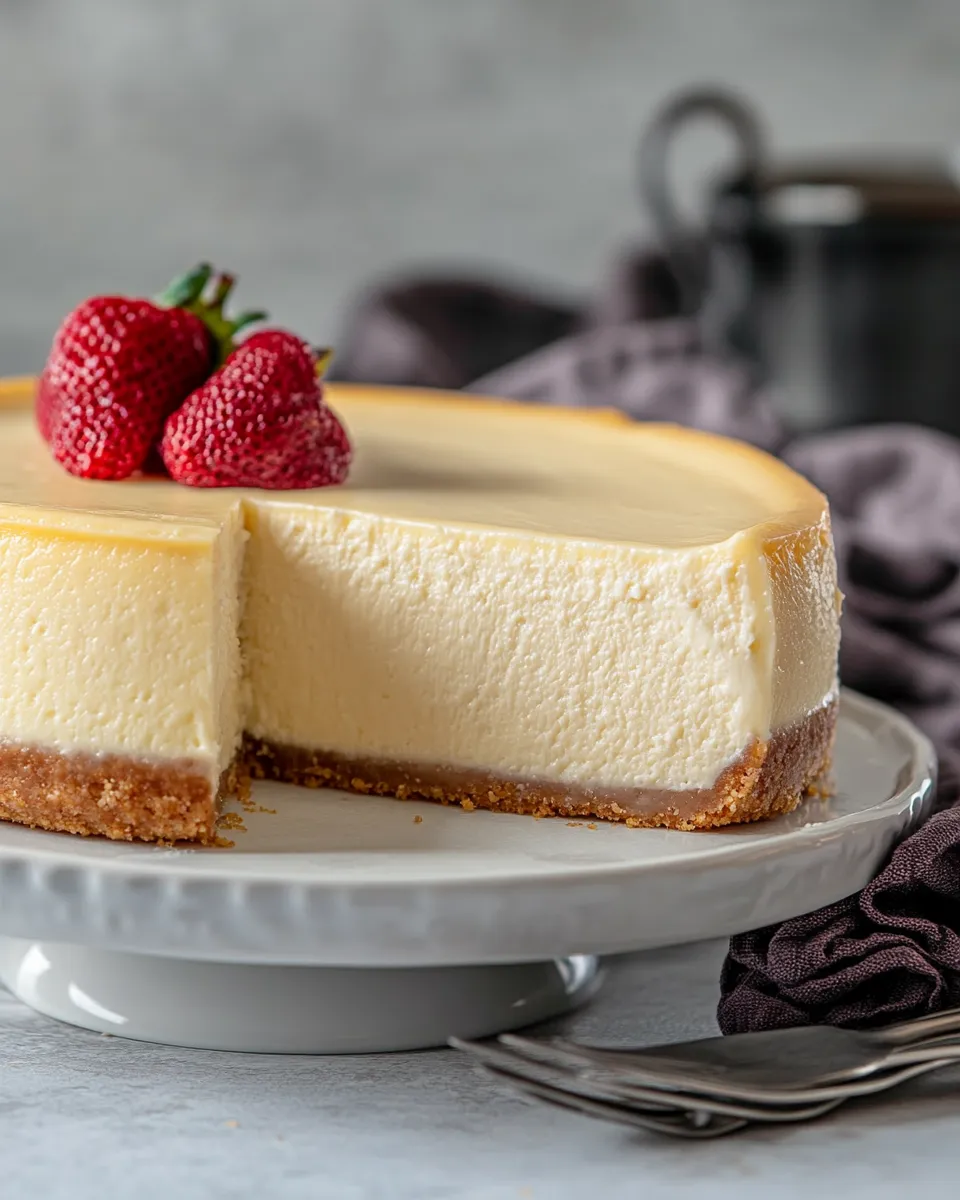
- Greek yogurt swap — if you need lower fat than the recipe’s low-fat Greek yogurt, use nonfat Greek yogurt. Expect a slightly tangier finish; you can balance it with a touch more vanilla.
- Sugar alternatives — replace part of the granulated sugar with a sugar substitute intended for baking if you must reduce sugar. Keep in mind texture and browning can change.
- Crust variation — for a lighter crust, reduce the butter by 1/2 tablespoon and press crumbs thinly. The crust will be less rich but still provide structure.
Essential Tools for Success
- 7-inch springform pan — the recipe is scaled for this size; it makes the height just right and allows clean removal.
- Hand mixer or stand mixer — ensures the cream cheese and yogurt become silky; a whisk will work but takes longer and risks lumps.
- Offset spatula or rubber spatula — smooths the top evenly so you get a neat set and attractive slices.
- Wire rack — for gradual cooling after the oven wait; a cold surface can shock the filling and cause cracks.
- Thin knife — for loosening the edges before releasing the springform to prevent tearing.
Mistakes Even Pros Make
Rushing the cool-down. Cheesecake needs a gentle temperature change to avoid cracking and sinking in the center. That 30-minute rest with the oven door slightly open is not optional for best texture.
Using cold dairy. If the cream cheese or egg is cold, you’ll get lumps or overworked batter. Bring dairy and egg to room temperature before mixing.
Overmixing after adding the egg. Once the egg goes in, mix just until combined. Overmixing incorporates too much air, which can cause puffing and then collapsing.
Skipping the pan-edge release. If you don’t run a thin knife around the edge before removing the ring, the cheesecake can pull away unevenly or crack when the ring is released.
Smart Substitutions
- Crust ideas — if graham crumbs aren’t on hand, use crushed digestive biscuits or light whole-grain crackers in the same measure. The flavor will shift slightly but the technique remains the same.
- Vanilla options — you can substitute pure vanilla extract with a vanilla bean paste (use a bit less by taste) for a more pronounced vanilla aroma.
- Berries and toppings — swap fresh mixed berries for a single variety (strawberries, blueberries, raspberries) or a thin layer of lightly warmed berry compote. Fresh is best for texture contrast.
Behind the Recipe
This recipe is a practical adaptation of a classic American-style cheesecake, rebalanced for lower fat without losing the signature creamy mouthfeel. Using low-fat cream cheese keeps the fat down, and including low-fat Greek yogurt brings back moisture, acidity, and a silky mouthfeel that full-fat dairy would normally provide. The single egg sets the filling while keeping richness moderate.
The crust is intentionally light — three tablespoons of melted butter mixed into graham crumbs gives enough fat to bind and flavor, with minimal heaviness. The gradual oven cool-down is borrowed from professional pastry technique: a sudden temperature drop can cause the center to contract and crack, so a slow cooldown stabilizes the custard-like filling.
Make-Ahead & Storage
Make the cheesecake up to 24 hours ahead. After the initial 3-hour chill, cover it loosely with plastic wrap and keep it refrigerated. For best texture, add fresh berries just before serving so they don’t release juice and make the surface soggy.
Store leftovers in the fridge for up to 4 days, tightly covered to prevent drying. You can also freeze the whole cheesecake (without the fresh berries) for up to 1 month: wrap it tightly in plastic and then foil. Thaw overnight in the refrigerator before unwrapping and topping with berries.
Reader Q&A
- Q: Can I use a different size pan? — A: This recipe is scaled for a 7-inch springform. A larger 8-inch pan will yield a thinner cheesecake and require slightly less baking time; start checking 5–8 minutes earlier.
- Q: My cheesecake cracked — why? — A: Most cracks come from overmixing, too much oven heat, or a sudden temperature change. Follow room-temperature ingredient advice, mix gently after adding the egg, and cool slowly in the oven as instructed.
- Q: Can I make this without a springform pan? — A: You can bake it in a regular pan lined with parchment or foil and then invert it, but a springform makes removal much easier and preserves the cake’s sides and shape.
- Q: Why does the recipe use both cream cheese and Greek yogurt? — A: The cream cheese gives the classic body and flavor; Greek yogurt lightens the batter, adds tang, and keeps moisture without extra fat.
Next Steps
If you liked this Low-Fat Cheesecake, try experimenting with small variations: zest a bit of lemon into the filling for brightness, or fold a handful of finely chopped berries into the batter for a marbled effect. If you want richer results, swap the low-fat cream cheese for full-fat and skip the Greek yogurt — but keep the method the same.
Bookmark this recipe for easy reference, and make it for your next dinner party or simple weekend treat. The combination of practical technique and a humble ingredient list yields a dessert that’s approachable, pretty, and satisfying.

Low-Fat Cheesecake
Ingredients
Ingredients
- 3/4 cupgraham crackers crumbs
- 3 tbspunsalted butter melted
- 8 ozlow-fat cream cheese at room temperature
- 1 cuplow-fat Greek yogurt
- 1 eggat room temperature
- 1/3 cupgranulated white sugar
- 1/2 tbspvanilla extract
- 1/4 tspsalt
- 1 cupfresh mixed berries
Instructions
Instructions
- Preheat the oven to 350°F (175°C). Lightly grease the inside of a 7-inch springform pan using about 1 teaspoon of the 3 tablespoons melted butter; keep the remaining melted butter for the crust.
- In a medium bowl, combine 3/4 cup graham cracker crumbs with the remaining melted butter. Stir until the crumbs are evenly moistened.
- Transfer the crumb mixture to the prepared pan and press it firmly and evenly into the bottom. Set the pan aside.
- In a mixing bowl, place 8 oz low-fat cream cheese (at room temperature), 1 cup low-fat Greek yogurt, and 1/3 cup granulated sugar. Beat with a hand mixer or stand mixer on medium speed until smooth and creamy, scraping down the sides as needed.
- Add 1 egg (at room temperature), 1/2 tablespoon vanilla extract, and 1/4 teaspoon salt to the cream cheese mixture. Beat on medium speed just until combined — do not overmix.
- Pour the cheesecake filling over the crust in the pan and smooth the top with a spatula.
- Bake on the center oven rack for 40 minutes, until the edges are set and the center is slightly jiggly.
- After baking, open the oven door slightly and leave the cheesecake in the oven for 30 minutes to cool gradually. Then remove the pan from the oven and transfer it to a wire rack to cool briefly.
- Run a thin knife around the edge of the cheesecake, unlock and remove the springform ring, then refrigerate the cheesecake for at least 3 hours (until firm).
- Top the chilled cheesecake with 1 cup fresh mixed berries.
- Slice the cheesecake into 6–8 equal slices and serve.
Equipment
- 7-inch springform pan
- Mixing Bowl
- Hand mixer or stand mixer
- Spatula
- Oven
- Wire Rack
- Knife