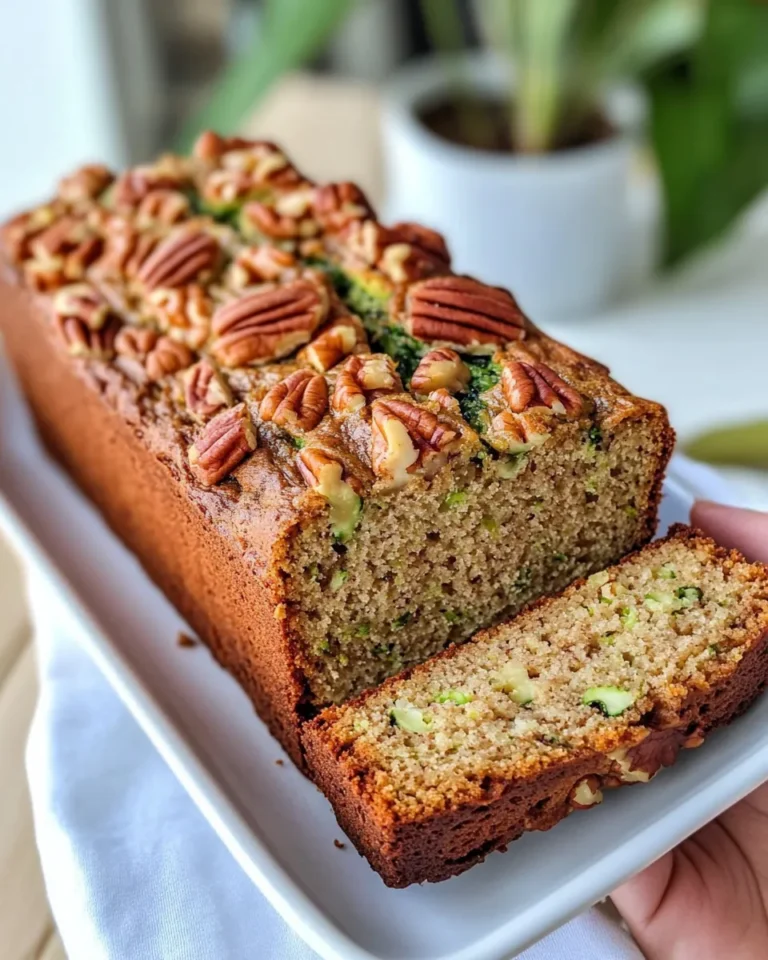
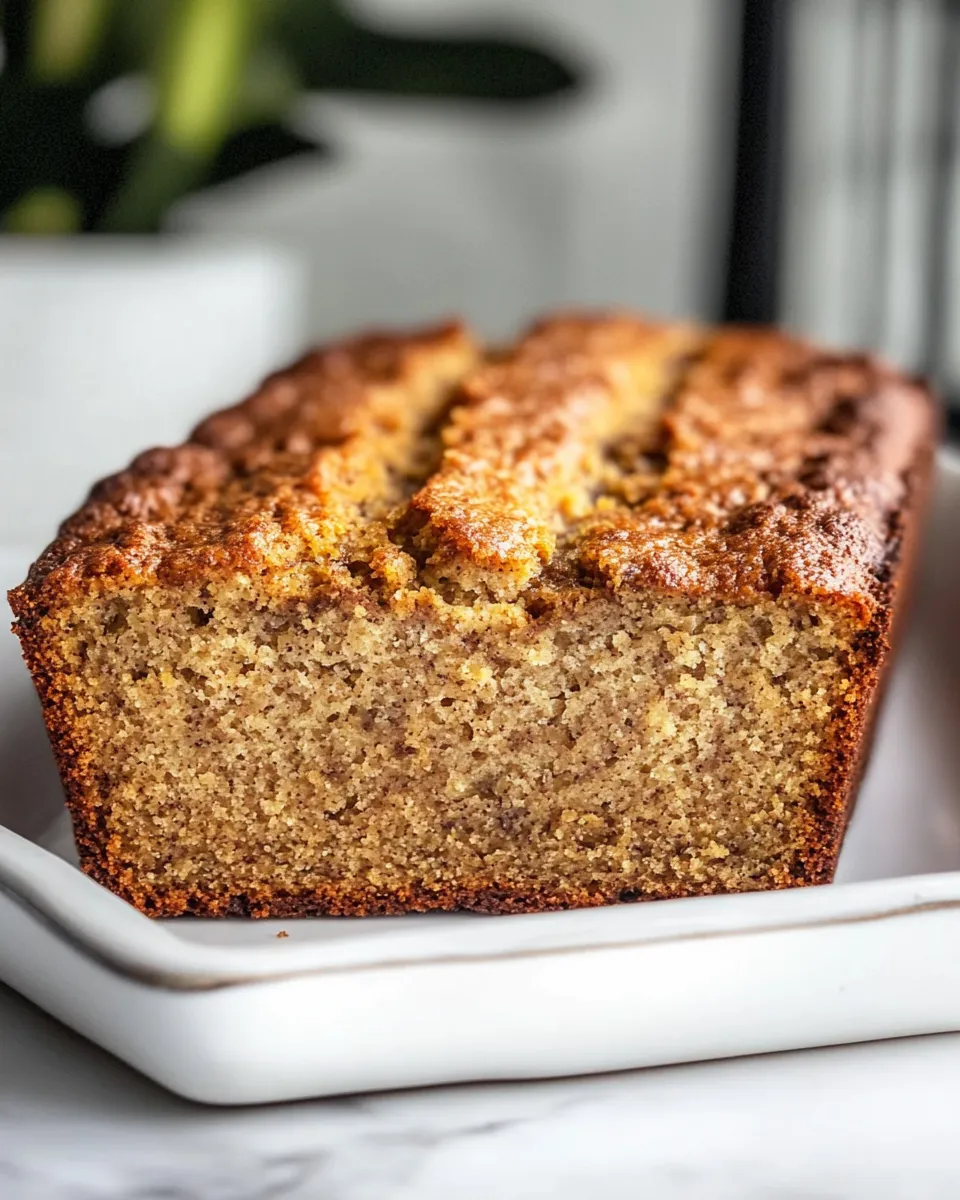
I make this banana bread when I need something reliably comforting, whether it’s for an afternoon pick-me-up or a simple weekend bake. It’s the recipe I reach for when the bananas are too ripe to pass up and I want a loaf that slices well, keeps its crumb, and tastes like a warm kitchen. No fuss, straightforward technique, and a cinnamon-sugar top that gives it a tiny, lovely crust.
This recipe is practical: measure carefully, don’t overmix, and respect the baking time. The batter comes together fast — you mash bananas, whisk eggs, fold into dry ingredients, add melted salted butter, and you’re set. Timing matters most in the oven; a clean toothpick is the final checkpoint.
Below you’ll find the ingredient breakdown, a step-by-step method that follows the source recipe precisely, tips for equipment and common mistakes, and notes on storing and reheating so your loaf stays great for days. I keep the commentary warm and direct — no fluff, just the things that work.
Ingredient Breakdown
- 2 cups (400 g) granulated sugar — provides sweetness and helps create that tender crumb; measure carefully to avoid an overly sweet loaf.
- 2 cups (250 g) all-purpose flour — the structure; spoon and level when measuring to avoid a dense cake.
- 1 teaspoon baking powder — gives the loaf lift and helps with rise alongside the soda.
- ¾ teaspoon baking soda — reacts with the bananas and eggs to lighten texture; keep the amount exact.
- ¾ teaspoon ground nutmeg — adds warm, subtle spice that complements the cinnamon topping.
- ½ teaspoon salt* — balances sweetness and enhances flavor; the recipe uses salted butter elsewhere, so the salt is moderate.
- 4 (about 400 g) medium overripe bananas — the star; using very ripe, spotted bananas gives the best banana flavor and natural sweetness.
- 3 large eggs — bind and enrich the batter; room temperature eggs blend more smoothly with the bananas.
- 14 tablespoons (196 g) salted butter — melted — adds richness and tenderness; the recipe specifies salted butter, so no additional salt adjustments are needed.
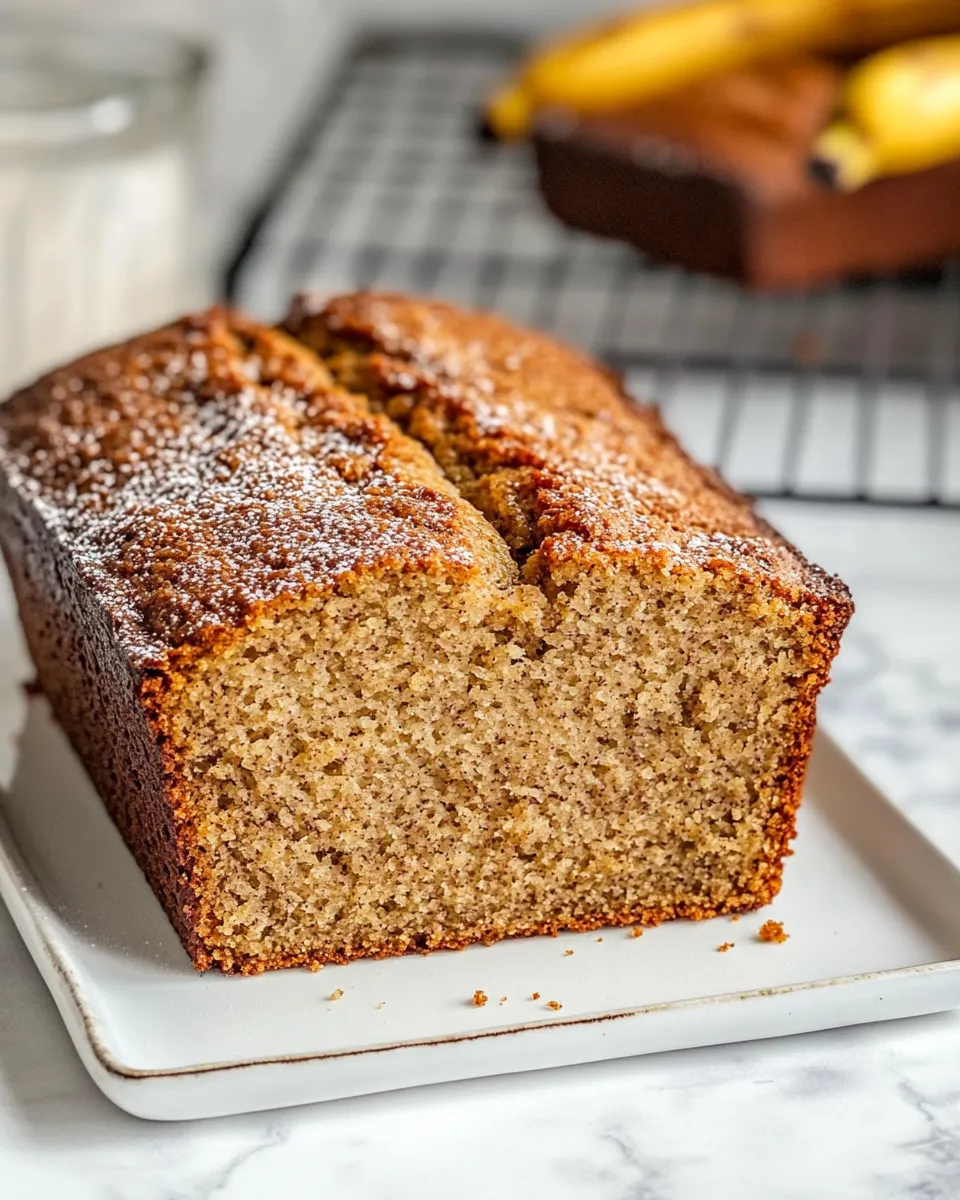
- 2 tablespoons granulated sugar — for the cinnamon-sugar topping; it gives a pleasant crunch and a sweeter top crust.
- 1 ½ teaspoons ground cinnamon — mixed with the topping sugar for warm, aromatic finish.
Make Banana Bread: A Simple Method
- Preheat oven to 350°F. Grease a 10 x 5‑inch loaf pan and optionally line it with a parchment paper sling for easy removal.
- In a large bowl, whisk together 2 cups (400 g) granulated sugar, 2 cups (250 g) all‑purpose flour, 1 teaspoon baking powder, 3/4 teaspoon baking soda, 3/4 teaspoon ground nutmeg, and 1/2 teaspoon salt until evenly combined.
- In a medium bowl, mash 4 (about 400 g) overripe bananas with a fork until mostly smooth. Add 3 large eggs and whisk until the mixture is uniform.
- Pour the banana‑egg mixture into the dry ingredients. Stir gently with a spatula or wooden spoon just until combined and no large streaks of flour remain.
- Pour in 14 tablespoons (196 g) melted salted butter and fold it into the batter until incorporated and the batter is mostly uniform. Stop mixing as soon as the butter is incorporated—do not overmix.
- Transfer the batter to the prepared loaf pan, smoothing the top lightly and leaving about 3/4 inch of space from the top of the pan.
- In a small bowl, stir together 2 tablespoons granulated sugar and 1 1/2 teaspoons ground cinnamon. Sprinkle this cinnamon‑sugar evenly over the top of the batter.
- Bake in the preheated oven 1 hour to 1 hour 10 minutes, until a toothpick or thin knife inserted into the center comes out clean or with just a few moist crumbs. Rotate the pan halfway through baking if your oven heats unevenly.
- Remove the loaf from the oven and let it cool in the pan on a cooling rack for 15 to 20 minutes.
- Run a knife around the edges, lift the loaf from the pan using the parchment sling or invert the pan, and transfer the loaf to a rack to cool further before slicing and serving.
Why It Deserves a Spot
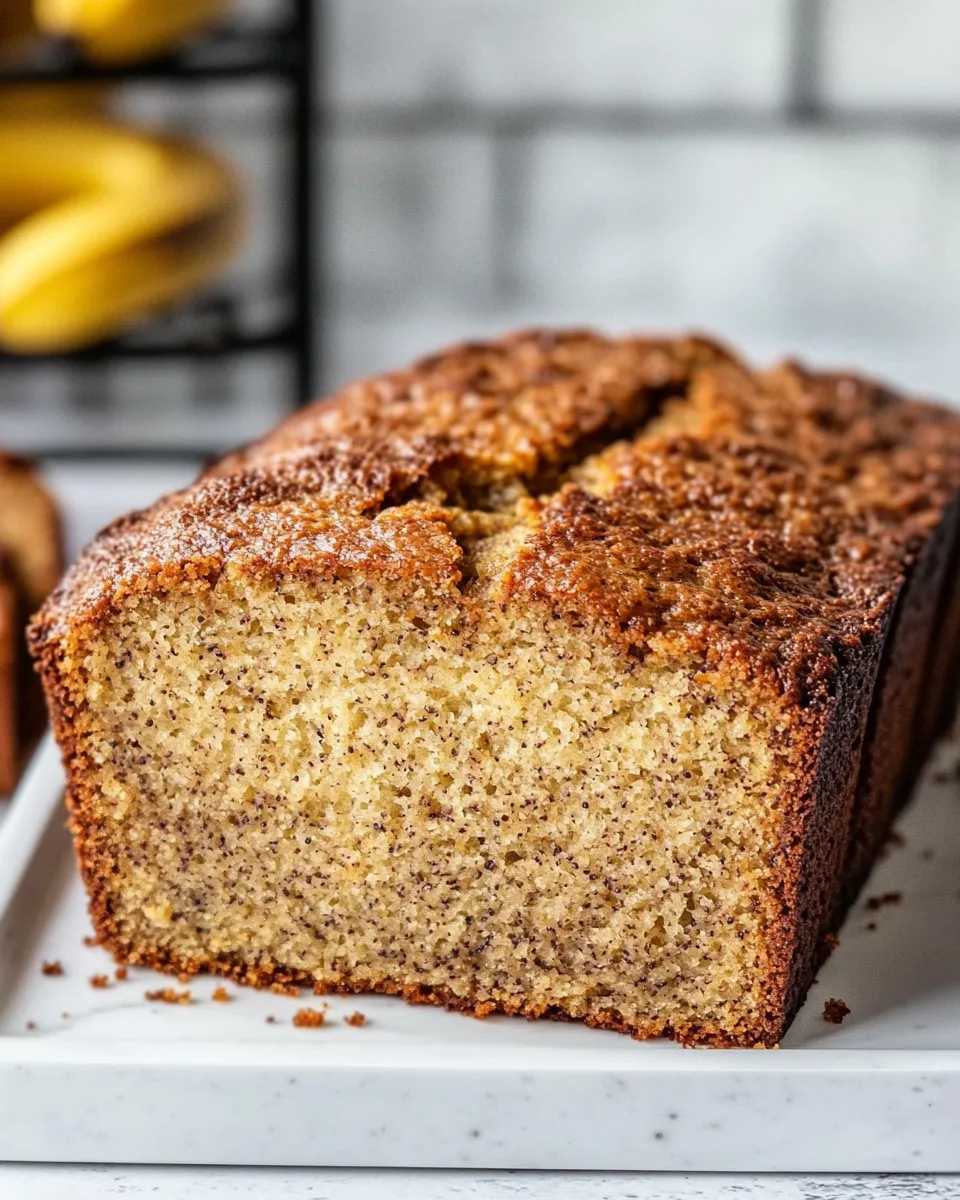
This banana bread is dependable. The combination of 4 overripe bananas and a higher sugar ratio creates both flavor and moistness. The melted salted butter gives richness without fuss, and the simple cinnamon-sugar top provides a textural note that keeps the slices from feeling flat.
It’s versatile: a breakfast slice with coffee, a snack after school, or a simple dessert. The loaf slices cleanly if you let it cool sufficiently, which makes it great to pack in lunches. The bake time yields a deep, golden crust while keeping the interior tender and slightly dense in a comforting way — not cakey, not dry.
International Equivalents
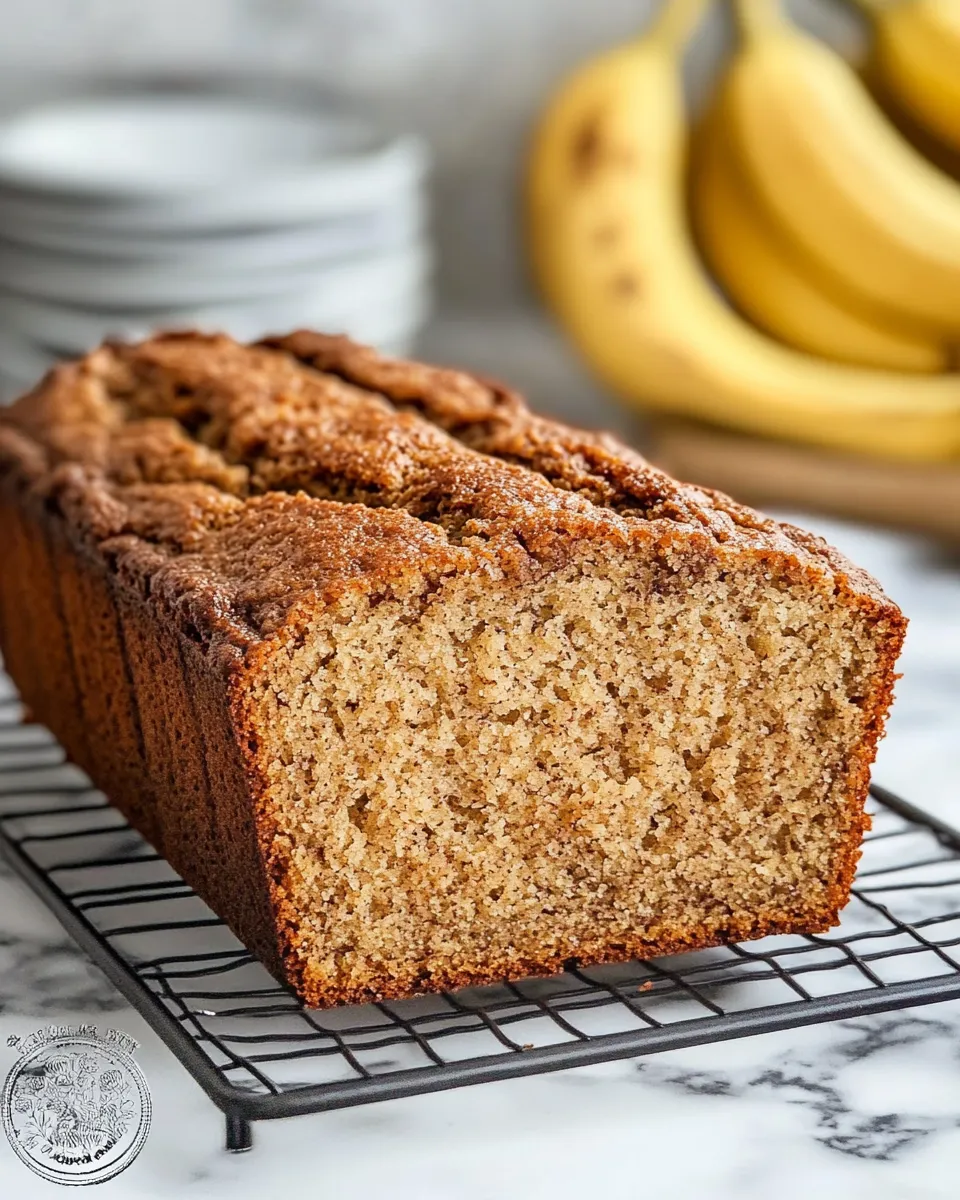
Banana bread goes by many names and mild variations around the world. In the U.K. it’s often called banana loaf; in parts of Asia, banana cakes or loaves use similar techniques but may be sweeter or steamed. The basic principles — mashed ripe bananas, flour, eggs, leavening — remain the same, so this recipe will feel familiar to home bakers globally.
The recipe’s measurements include metric equivalents for the most critical ingredients (sugar, flour, butter, and bananas). If your kitchen prefers grams for accuracy, use the parenthetical gram amounts shown in the ingredient list for consistent results.
Equipment & Tools
- 10 x 5‑inch loaf pan — the specified size ensures the bake time and loaf height are correct.
- Parchment paper (optional) — a sling makes removal effortless; grease the pan even if you use parchment.
- Large mixing bowl — for dry ingredients and final mixing.
- Medium bowl — for mashing bananas and whisking eggs.
- Fork or potato masher — to mash bananas mostly smooth.
- Whisk and spatula or wooden spoon — whisk for dry mixes/eggs, spatula for folding to avoid overmixing.
- Measuring cups and spoons or kitchen scale — a scale gives better accuracy for flour and sugar.
- Cooling rack and toothpick/knife — to test doneness and cool the loaf properly.
Learn from These Mistakes
Common issues and how to fix them
- Overmixing the batter — will develop gluten and make the loaf tough. Fold gently and stop as soon as no large streaks of flour remain, then add the melted butter and fold until just incorporated.
- Underripe bananas — yield less flavor and sweetness. Use spotted, soft bananas for best taste and moisture.
- Incorrect flour measurement — too much flour gives a dry, heavy loaf. Spoon flour into the cup and level it or weigh it for accuracy.
- Skipping the parchment sling — makes removal trickier. Grease the pan well or use parchment to lift the loaf without damage.
- Removing the loaf too soon — can cause it to collapse. Let it rest 15–20 minutes in the pan before transferring to a rack.
- Baked through but crumbly — could mean overbaked or too much sugar. Follow the 1 hour to 1 hour 10 minutes guideline and do the toothpick test toward the lower end of the time range on your first attempt.
Holiday & Seasonal Touches
If you want to give this loaf a seasonal twist without changing the ingredient list, think in terms of presentation and pairing. Sprinkle a little extra cinnamon-sugar on top just before serving for a slightly sweeter finish. Serve warm slices with a pat of butter that melts into the crumb; it feels indulgent during colder months.
For holiday mornings, slice the loaf and serve with a pot of spiced tea or coffee, or arrange slices on a board with other baked goods. This loaf’s nutmeg and cinnamon notes already feel cozy and seasonal, so small serving choices can make it feel festive without altering the recipe.
Recipe Notes & Chef’s Commentary
About texture and mixing
Aim for a batter that is mostly uniform but still slightly lumpy from the bananas. The mashed bananas should be “mostly smooth” per the recipe — small bits are fine and contribute to texture. The melted salted butter should be folded in and not whisked vigorously; overworking the batter is the fastest way to lose tenderness.
On bananas and measuring
The recipe calls for 4 medium overripe bananas (about 400 g). If your bananas are very large and heavy, weigh them or mash and measure to roughly match the total weight. Using a kitchen scale here keeps the balance between wet and dry ingredients consistent.
Baking notes
Ovens vary. The listed 1 hour to 1 hour 10 minutes covers typical home ovens; start checking at the 1-hour mark. Rotate the pan halfway if your oven has hot spots. A toothpick or thin knife should come out clean or with a few moist crumbs — that indicates it’s done without overbaking.
How to Store & Reheat
- Short-term (room temperature) — once fully cooled, wrap the loaf tightly in plastic wrap or keep it in an airtight container for up to 3 days. Slices can dry out if left uncovered.
- Refrigeration — store wrapped in the fridge for up to a week; bring to room temperature or warm briefly before serving to restore softness.
- Freezing — fully cool, wrap tightly in plastic, then foil, and freeze up to 3 months. Thaw in the fridge or at room temperature and warm slices in a toaster oven or microwave.
- Reheating — a quick 10–20 second burst in the microwave (per slice) or 5–7 minutes at 325°F in a preheated oven will make a slice warm and pleasant. Avoid overbaking when reheating.
Ask the Chef
Q: Can I make this recipe in a different pan size? A: The recipe is designed for a 10 x 5‑inch loaf pan to match the bake time and loaf height. If you change size, watch the oven closely and expect a shorter or longer bake time.
Q: Can I reduce the sugar? A: The sugar amount contributes to crumb, moisture, and structure. Reducing sugar changes texture and may lengthen baking time. If you try a reduction, proceed cautiously and know results will vary.
Q: Do I have to use salted butter? A: The recipe specifies salted butter; if you prefer unsalted, you may reduce added salt slightly, but follow the recipe quantities as written for consistent results.
If there’s a question not covered here, leave a comment or ask — I respond with practical adjustments and troubleshooting based on actual bakes.
See You at the Table
This is the banana bread I make when I want something reliable and comforting without ceremony. It’s straightforward from start to finish, and it rewards careful measuring and a gentle hand at mixing. Let it cool enough to slice cleanly, sprinkle a little extra cinnamon-sugar when serving if you like, and enjoy with whatever brings you comfort at the moment — coffee, tea, or plain hands-on enjoyment.
If you bake it, tell me how it went: how ripe your bananas were, whether you stuck to the bake time, and what you paired it with. The best part of a good loaf is sharing it and the notes you take the next time you bake.
My Favorite Banana Bread Recipe
Ingredients
Ingredients
- 2 cups 400 g granulated sugar
- 2 cups 250 g all-purpose flour
- 1 teaspoonbaking powder
- 3/4 teaspoonbaking soda
- 3/4 teaspoonground nutmeg
- 1/2 teaspoonsalt*
- 4 about 400 g medium overripe bananas
- 3 large eggs
- 14 tablespoons 196 g salted butter*melted
- 2 tablespoonsgranulated sugar
- 1 1/2 teaspoonsground cinnamon
Instructions
Instructions
- Preheat oven to 350°F. Grease a 10 x 5‑inch loaf pan and optionally line it with a parchment paper sling for easy removal.
- In a large bowl, whisk together 2 cups (400 g) granulated sugar, 2 cups (250 g) all‑purpose flour, 1 teaspoon baking powder, 3/4 teaspoon baking soda, 3/4 teaspoon ground nutmeg, and 1/2 teaspoon salt until evenly combined.
- In a medium bowl, mash 4 (about 400 g) overripe bananas with a fork until mostly smooth. Add 3 large eggs and whisk until the mixture is uniform.
- Pour the banana‑egg mixture into the dry ingredients. Stir gently with a spatula or wooden spoon just until combined and no large streaks of flour remain.
- Pour in 14 tablespoons (196 g) melted salted butter and fold it into the batter until incorporated and the batter is mostly uniform. Stop mixing as soon as the butter is incorporated—do not overmix.
- Transfer the batter to the prepared loaf pan, smoothing the top lightly and leaving about 3/4 inch of space from the top of the pan.
- In a small bowl, stir together 2 tablespoons granulated sugar and 1 1/2 teaspoons ground cinnamon. Sprinkle this cinnamon‑sugar evenly over the top of the batter.
- Bake in the preheated oven 1 hour to 1 hour 10 minutes, until a toothpick or thin knife inserted into the center comes out clean or with just a few moist crumbs. Rotate the pan halfway through baking if your oven heats unevenly.
- Remove the loaf from the oven and let it cool in the pan on a cooling rack for 15 to 20 minutes.
- Run a knife around the edges, lift the loaf from the pan using the parchment sling or invert the pan, and transfer the loaf to a rack to cool further before slicing and serving.
Equipment
- 10 x 5-inch loaf pan
- Parchment paper (optional)
Notes
*If using unsalted butter, use 1 teaspoon of salt.
Store bread tightly wrapped at room temperature for up to 3 days. For longer storage, freeze.
To freeze, wrap tightly in plastic wrap and store in a freezer bag or airtight container for up to 2 months.