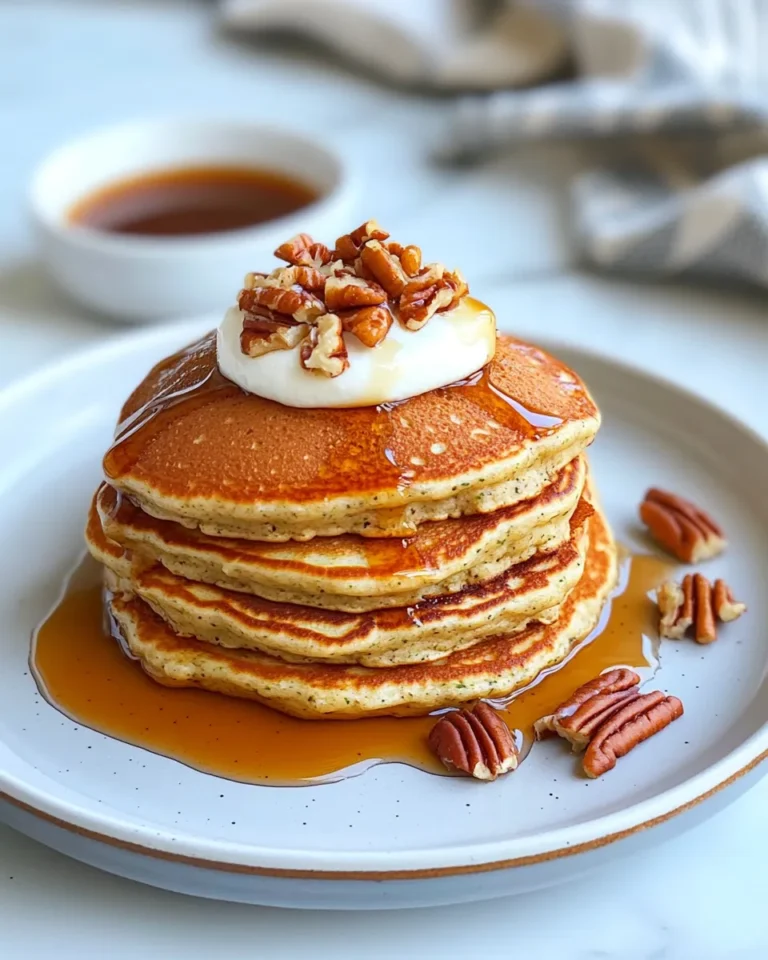
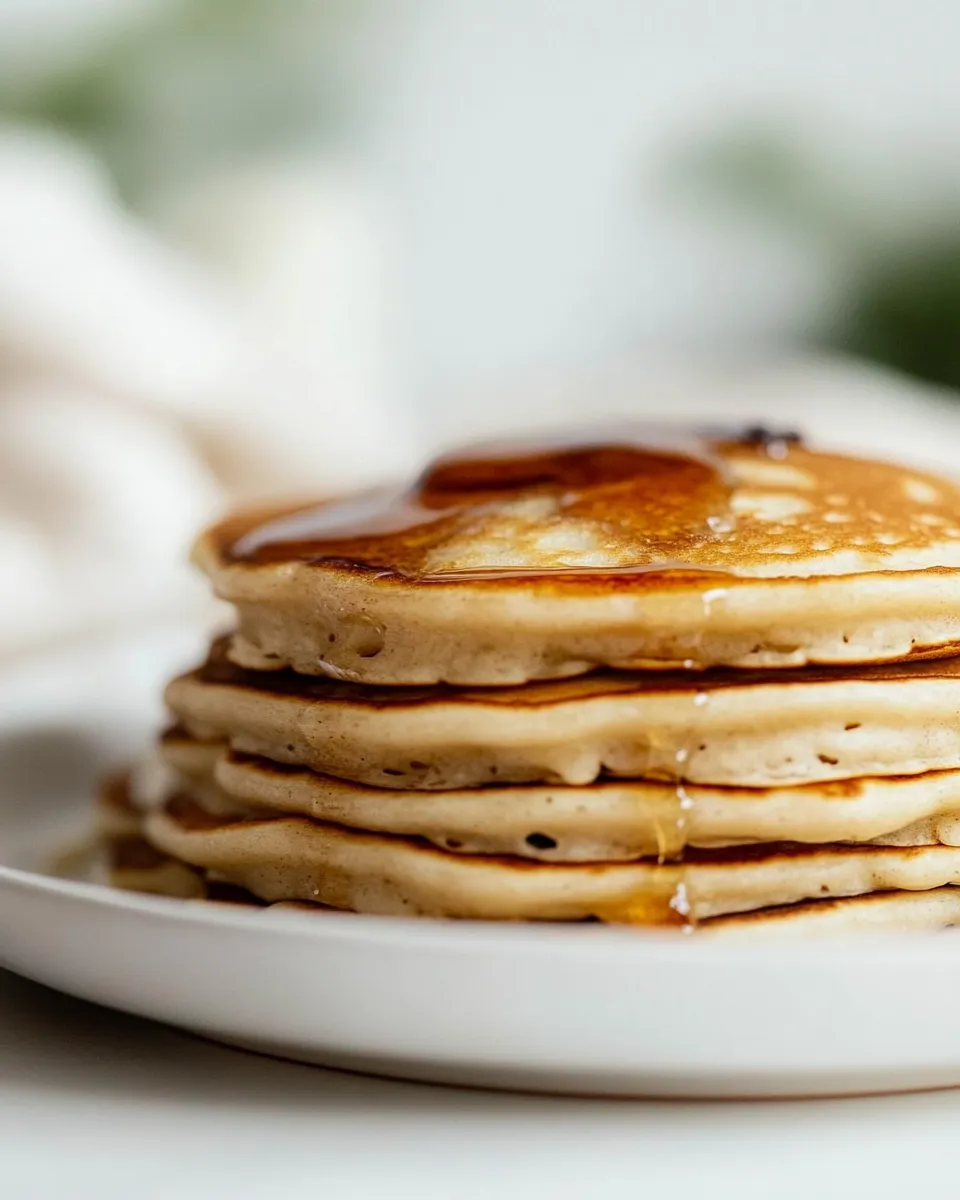
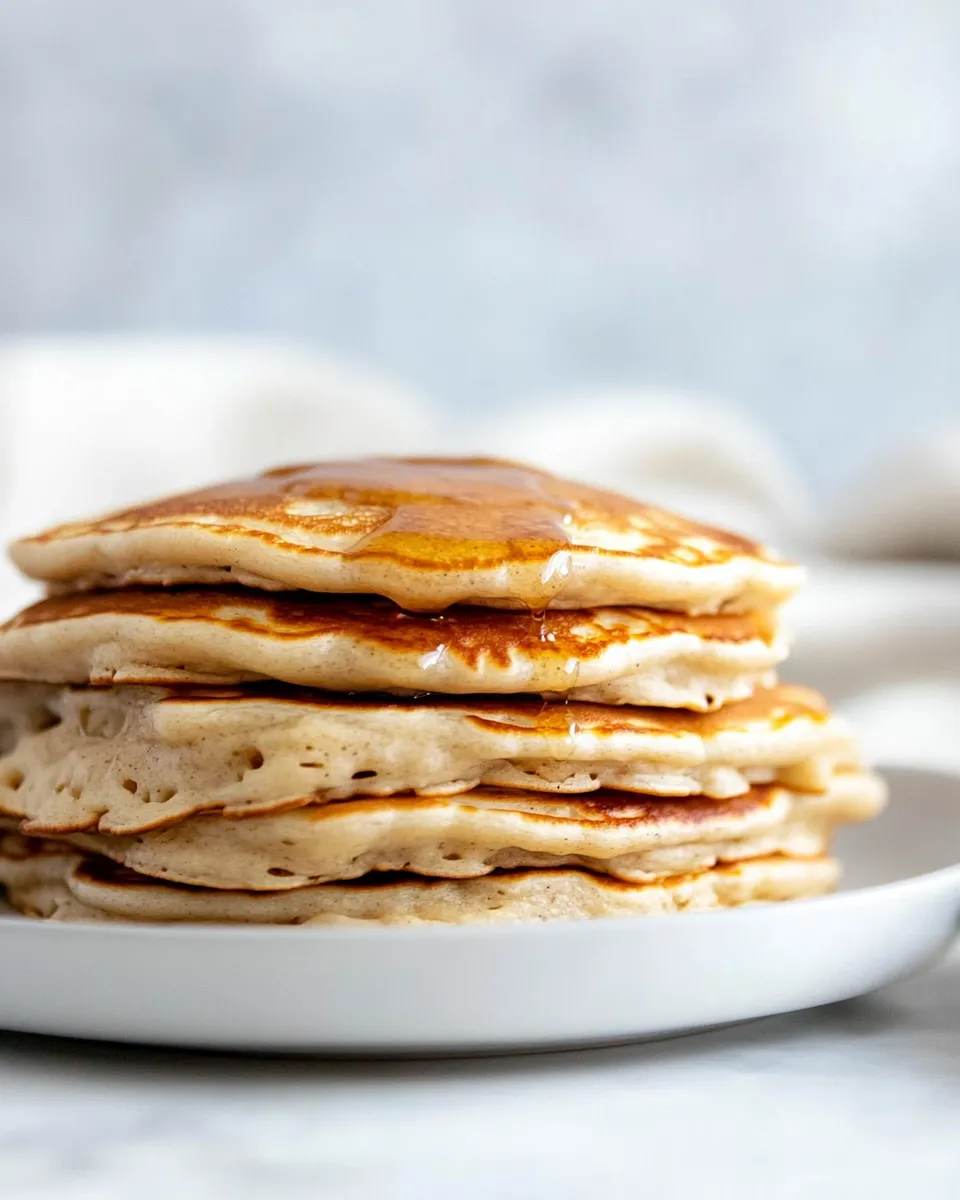
These sourdough pancakes are my weekend speciality — bright, tangy, and pillowy soft. They take a little planning if you want the deeper fermented flavor, but they’re forgiving: you can make them right away or let the batter rest overnight. Either way, you get a stack that browns beautifully and tastes like a tiny celebration for breakfast.
I keep the method simple. A few pantry staples, a healthy spoonful of sourdough starter (or discard), and a hot griddle are all you need. The batter is forgiving — don’t panic if it looks a touch lumpy — and the cook time is short, which means you’ll be eating warm pancakes in under 30 minutes if you skip the overnight ferment.
Below you’ll find the exact ingredients and the step-by-step directions I follow every time. I’ll also cover gear, common mistakes, and sensible swaps if you’re missing something. Let’s get you to a stack of perfectly tender sourdough pancakes.
What We’re Using
Before you start, take a minute to gather the ingredients and tools. There’s no need for anything fancy — just basics and one cultured starter. If you plan to ferment overnight, plan to leave the batter on the counter.
Ingredients
- 2 cups all-purpose flour — the structure for the pancakes; use plain flour for a tender crumb.
- 2 teaspoons baking powder — adds lift if your starter isn’t giving enough rise.
- 1 teaspoon baking soda — reacts with the starter/tang to boost browning and lightness.
- ½ teaspoon salt — balances flavor; don’t skip it.
- 3 Tablespoons granulated sugar — a touch of sweetness and helps with browning.
- 1 cup sourdough starter or discard — provides the sourdough flavor; active starter will give a bit more lift.
- 1 1/4 cup milk — thins the batter; whole milk gives a richer flavor but any milk works.
- 2 large eggs beaten — adds structure and richness.
- 3 Tablespoons unsalted butter melted — for richness and flavor; melted so it incorporates evenly.
Make Sourdough Pancakes: A Simple Method
- In a large bowl, whisk together the all-purpose flour, baking powder, baking soda, salt, and granulated sugar until evenly combined.
- In a medium bowl or liquid measuring cup, whisk together the sourdough starter (or discard), milk, beaten eggs, and melted unsalted butter until smooth.
- Pour the wet ingredients into the dry ingredients and stir gently until just combined — the batter should still be a little lumpy. Do not overmix.
- Either cook the pancakes immediately, or cover the batter and leave it on the counter overnight to ferment for a stronger sourdough flavor.
- Preheat a griddle or large skillet to 325°–350°F and spray lightly with cooking spray.
- Pour 1/3 cup of batter onto the preheated griddle for each pancake. Cook until bubbles form on the surface and the edges look set, about 2 minutes.
- Flip the pancakes and cook an additional 1–2 minutes, or until the bottoms are golden brown and cooked through.
- Remove pancakes from the griddle, serve with your favorite toppings, and enjoy.
Why Cooks Rave About It
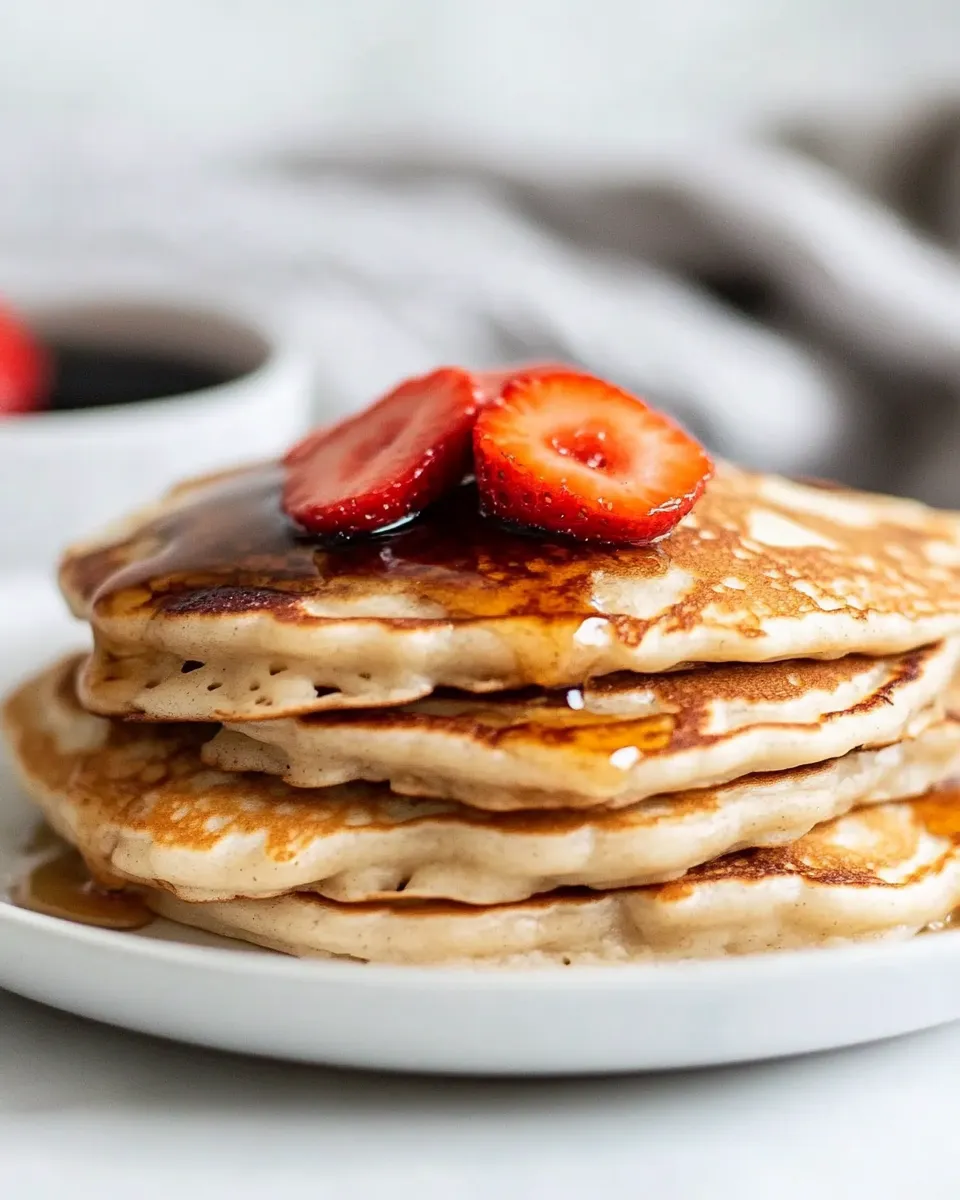
These pancakes hit a sweet spot: familiar, tender, and with a mild tang that feels elevated rather than sour. The combination of starter, baking powder, and baking soda gives reliable lift, so you get a soft interior without dense heaviness. If you let the batter ferment, the flavors deepen and the texture loosens up — that’s when you really taste sourdough’s charm.
They’re also incredibly adaptable. Use fresh starter if you want extra lift; use discard if you want to reduce waste. The batter is forgiving on consistency, and these cook quickly, so they’re practical on busy mornings or leisurely brunches.
If You’re Out Of…
- Sourdough starter: You can’t replicate the flavor exactly, but use a mix of milk and a teaspoon of vinegar or lemon juice to mimic the tang in a pinch. The texture will change slightly.
- Baking powder or baking soda: Don’t skip both — one without the other will change the rise. If you only have baking powder, increase it slightly (not ideal, but workable). If you’re missing baking powder but have baking soda and an acidic ingredient, the recipe still works because the starter provides acidity.
- Milk: Any milk (dairy or fortified plant milk) will work; expect slight texture differences. Thicker milks yield richer pancakes.
- Unsalted butter: Use salted butter and reduce or omit added salt in the batter to taste.
Gear Checklist
- Large mixing bowl — for the dry ingredients.
- Medium bowl or liquid measuring cup — to mix wet ingredients.
- Whisk and/or spatula — whisk dry and wet separately, fold gently when combined.
- Measuring cups and spoons — accurate measurements help with texture.
- Griddle or large skillet — a heavy pan maintains an even temperature.
- Cooking spray or little extra butter — for a nonstick surface.
- 1/3 cup measure or small ladle — consistent pancake size.
Easy-to-Miss Gotchas
Overmixing
This batter should remain a bit lumpy. Overmixing develops gluten and makes the pancakes tough. Stir just until the flour streaks disappear and stop.
Temperature control
Too-hot griddles will brown the outside while leaving the center undercooked. 325°–350°F is the sweet spot. If you don’t have a thermometer, test with a small pancake first and adjust heat.
Starter sensitivity
If your starter is very active and bubbly, it can add more lift and flavor. If it’s sluggish or refrigerated, the baking powder and soda do more of the lifting work. Don’t stress — the recipe accounts for both.
Timing the ferment
Leaving the batter on the counter overnight intensifies flavor but also thins the batter slightly as fermentation proceeds. If it seems too thin in the morning, add a tablespoon or two of flour to reach the desired consistency.
Dietary Swaps & Alternatives
- Gluten-free: Substitute a cup-for-cup gluten-free baking mix instead of the all-purpose flour. Texture will differ; you may need a binder like xanthan gum if your mix omits it.
- Dairy-free: Use a plant-based milk (oat, almond, soy) and a neutral oil or dairy-free butter instead of unsalted butter.
- Lower sugar: Reduce the granulated sugar to 1–2 tablespoons or omit if you prefer less sweetness; toppings add sweetness later.
- Egg-free: For an egg-free version, try a flax or chia egg (1 tablespoon ground flax/chia + 3 tablespoons water per egg), but expect a slightly different texture.
Notes on Ingredients
Small details matter here. Use room-temperature eggs and milk if you can — they emulsify better with the melted butter and starter. Measure flour by spooning it into the cup and leveling with a knife for accuracy; scooping directly can compact flour and make the batter dry.
The starter plays two roles: flavor and acidity. If you use discard, the baking soda plus baking powderwill still create light pancakes, but the tang will be milder. Melt the butter and let it cool slightly so it doesn’t cook the eggs when mixed.
Store, Freeze & Reheat
Leftover pancakes store well. Layer with parchment paper and place in an airtight container for up to 3 days in the fridge. For longer storage, freeze in a single layer on a sheet pan until firm, then stack with parchment between each pancake in a freezer bag for up to 2 months.
To reheat, use a toaster or a low oven (350°F) for 8–10 minutes from chilled; from frozen, toast until hot or bake at 350°F for 12–15 minutes. Cover with foil in the oven if you want to retain moisture. Microwaving works in a pinch but can make pancakes rubbery.
Frequently Asked Questions
- Can I use discard? Yes. This recipe explicitly allows sourdough starter or discard. Discard gives milder tang but still great texture thanks to the leavening agents.
- Do I have to ferment overnight? No. You can cook immediately for a fresher, less tangy pancake. Overnight fermentation simply deepens flavor and can improve tenderness.
- Why both baking powder and baking soda? The starter adds acidity that reacts with baking soda for lift and browning; baking powder adds additional, reliable lift even if the starter is less active.
- Why are my pancakes flat? Common reasons: overmixed batter, a cold griddle, or stale baking powder/baking soda. Also check starter activity if you rely on it for lift.
- Can I add mix-ins? Yes. Fold in berries, chocolate chips, or nuts lightly after combining wet and dry — don’t overmix.
Ready to Cook?
If you’ve gathered the ingredients, you’re ready. Follow the method above exactly for consistent results: whisk dry, mix wet, fold gently, and cook on a moderate griddle. Start with a test pancake to dial in your heat, then make a stack.
Pro tip: keep finished pancakes warm on a baking sheet in a 200°F oven while you finish the batch. Plate with butter and maple syrup, or try yogurt and fresh fruit for a bright contrast to the sourdough tang. Enjoy the kind of breakfast that feels simple yet special.
Sourdough Pancakes That are Fluffy and Delicious!
Ingredients
Ingredients
- 2 cupsall purpose flour
- 2 teaspoonsbaking powder
- 1 teaspoonbaking soda
- 1/2 teaspoonsalt
- 3 Tablespoonsgranulated sugar
- 1 cupsourdough starteror discard
- 1 1/4 cupmilk
- 2 largeeggsbeaten
- 3 Tablespoonsunsalted buttermelted
Instructions
Instructions
- In a large bowl, whisk together the all-purpose flour, baking powder, baking soda, salt, and granulated sugar until evenly combined.
- In a medium bowl or liquid measuring cup, whisk together the sourdough starter (or discard), milk, beaten eggs, and melted unsalted butter until smooth.
- Pour the wet ingredients into the dry ingredients and stir gently until just combined — the batter should still be a little lumpy. Do not overmix.
- Either cook the pancakes immediately, or cover the batter and leave it on the counter overnight to ferment for a stronger sourdough flavor.
- Preheat a griddle or large skillet to 325°–350°F and spray lightly with cooking spray.
- Pour 1/3 cup of batter onto the preheated griddle for each pancake. Cook until bubbles form on the surface and the edges look set, about 2 minutes.
- Flip the pancakes and cook an additional 1–2 minutes, or until the bottoms are golden brown and cooked through.
- Remove pancakes from the griddle, serve with your favorite toppings, and enjoy.
Equipment
- Large Bowl
- medium bowl or liquid measuring cup
- Whisk
- griddle or large skillet