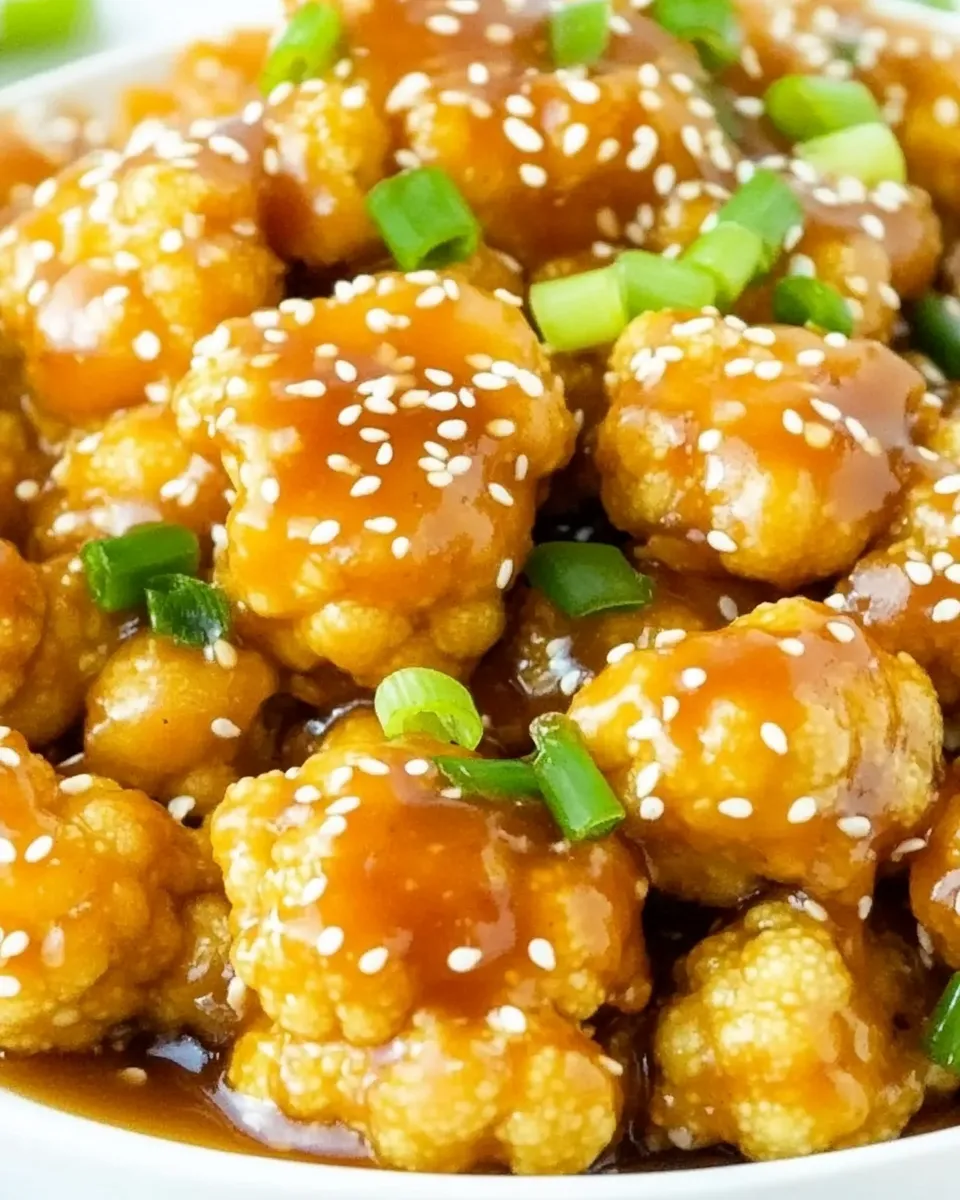
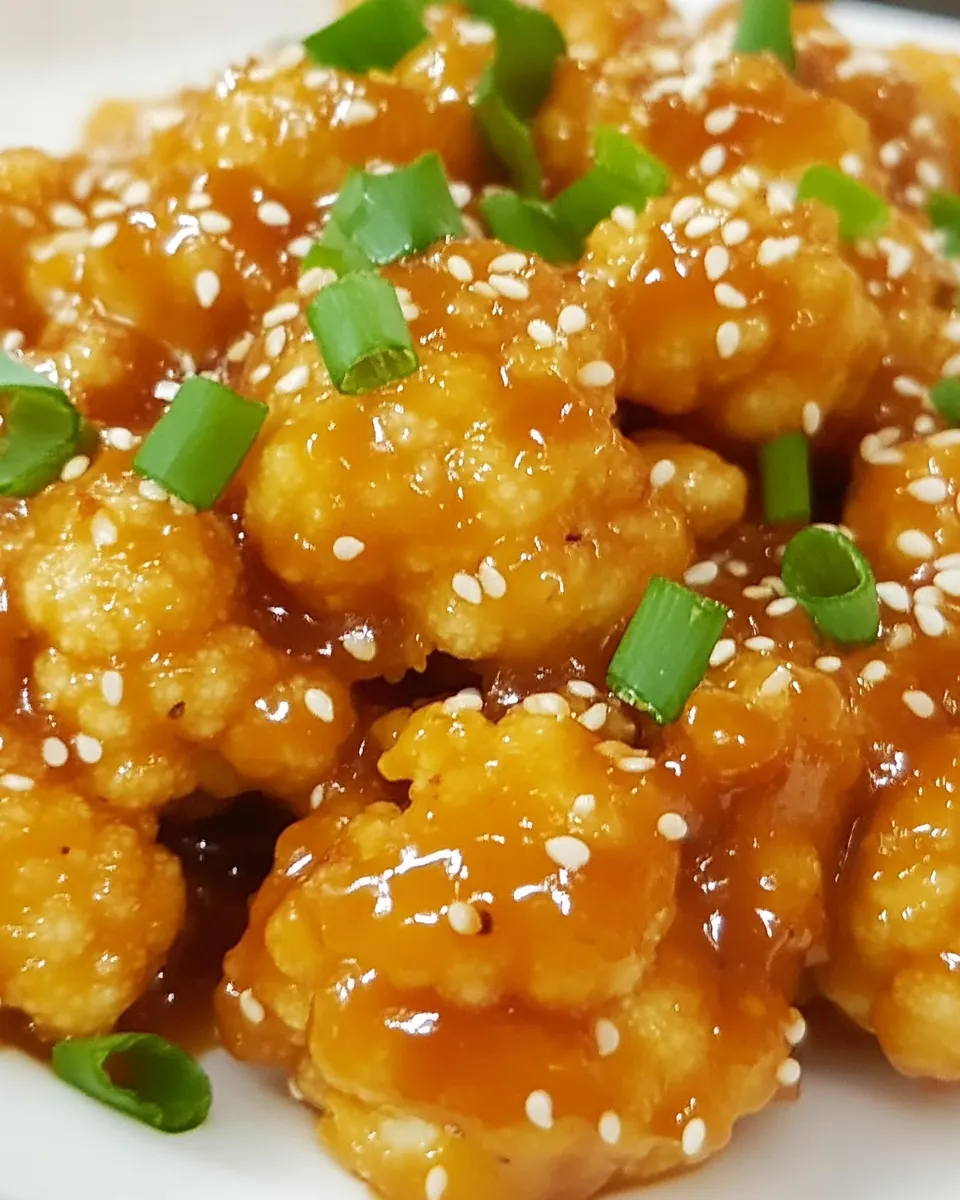
I love recipes that look like they took work but mostly rely on timing and a few solid techniques. Sticky Sesame Cauliflower is one of those wins: a roasted base for deep flavor, and a glossy, balanced sauce that clings to each floret. It’s reliable, fast, and crowd-friendly — whether you want a weeknight main over rice or a shareable appetizer.
This version keeps the ingredient list tight and the steps straightforward. Roast the cauliflower to develop caramelized edges, make a simple soy-maple sauce on the stove, thicken it with a little starch, and toss everything warm. There’s no batter, no deep-fry, and the finish is clean and bright.
Read on for the exact ingredients, the unambiguous step-by-step, and practical notes so you get consistent results every time. I include the little fixes I use when the oven is busy or when you want a quicker finish — nothing fancy, just the things that save a messy kitchen and a ruined dinner.
What Goes In
Ingredients
- 1 small head cauliflower, chopped (6 1/2 cups florets) — the base; slice florets so one side is flat for even contact with the baking sheet and better browning.
- 1/3 cup low-sodium soy sauce — provides the salty, savory backbone; low-sodium prevents the sauce from overpowering the cauliflower.
- 1/4 cup pure maple syrup, honey, or agave — sweetener that creates the sticky glaze; pick one and stick with it for consistent sweetness.
- 1/4 cup rice vinegar — brightens and balances the sweetness; don’t skip it or the sauce will taste flat.
- 1 tablespoon minced garlic — aromatics; add in the sauce for a garlic-forward finish without raw bite.
- 1 1/2 teaspoons toasted sesame oil — concentrated sesame flavor; a little goes a long way and it’s added to the sauce for aroma.
- 1/2 teaspoon powdered ginger — warm, dry ginger notes; powdered keeps the sauce smooth and evenly flavored.
- 1 1/2 tablespoons cornstarch or arrowroot — thickener; dissolves into liquid to make the glossy, clingy sauce.
- 1/4 cup water — used to dissolve the starch before adding to the hot sauce so there are no lumps.
- sesame seeds and scallions, for garnish — finishing touches: sesame seeds for crunch and scallions for freshness and color.
Build Sticky Sesame Cauliflower Step by Step
- Preheat oven to 450°F. Line a rimmed baking sheet with parchment paper.
- Cut the 1 small head cauliflower into florets (about 6 1/2 cups). Slice each floret so one side is flat, then arrange the florets in a single layer on the prepared baking sheet.
- Bake on the center rack for 10 minutes.
- While the cauliflower bakes, make the sauce: in a small saucepan whisk together 1/3 cup low-sodium soy sauce, 1/4 cup pure maple syrup (or honey or agave), 1/4 cup rice vinegar, 1 tablespoon minced garlic, 1 1/2 teaspoons toasted sesame oil, and 1/2 teaspoon powdered ginger. Bring the mixture to a boil over medium-high heat.
- In a small bowl, stir together 1 1/2 tablespoons cornstarch (or arrowroot) and 1/4 cup water until the starch dissolves completely.
- As soon as the sauce comes to a boil, slowly whisk the cornstarch mixture into the saucepan. Return the sauce to a boil, then reduce heat to medium and cook for 2 minutes, stirring more frequently once it returns to a boil, until the sauce is thickened. Remove from heat (the sauce will thicken further as it cools).
- Remove the baking sheet from the oven, flip each cauliflower floret, and return to the oven. Bake for an additional 10 minutes on the center rack.
- If you want a slightly charred finish, move the pan to the top rack and broil 1–2 minutes—watch carefully to prevent burning.
- Remove the cauliflower from the oven, pour the warm sauce over the florets, and gently toss or stir to coat evenly.
- Sprinkle with sesame seeds and chopped scallions to garnish, then serve.
Why This Recipe Is Reliable
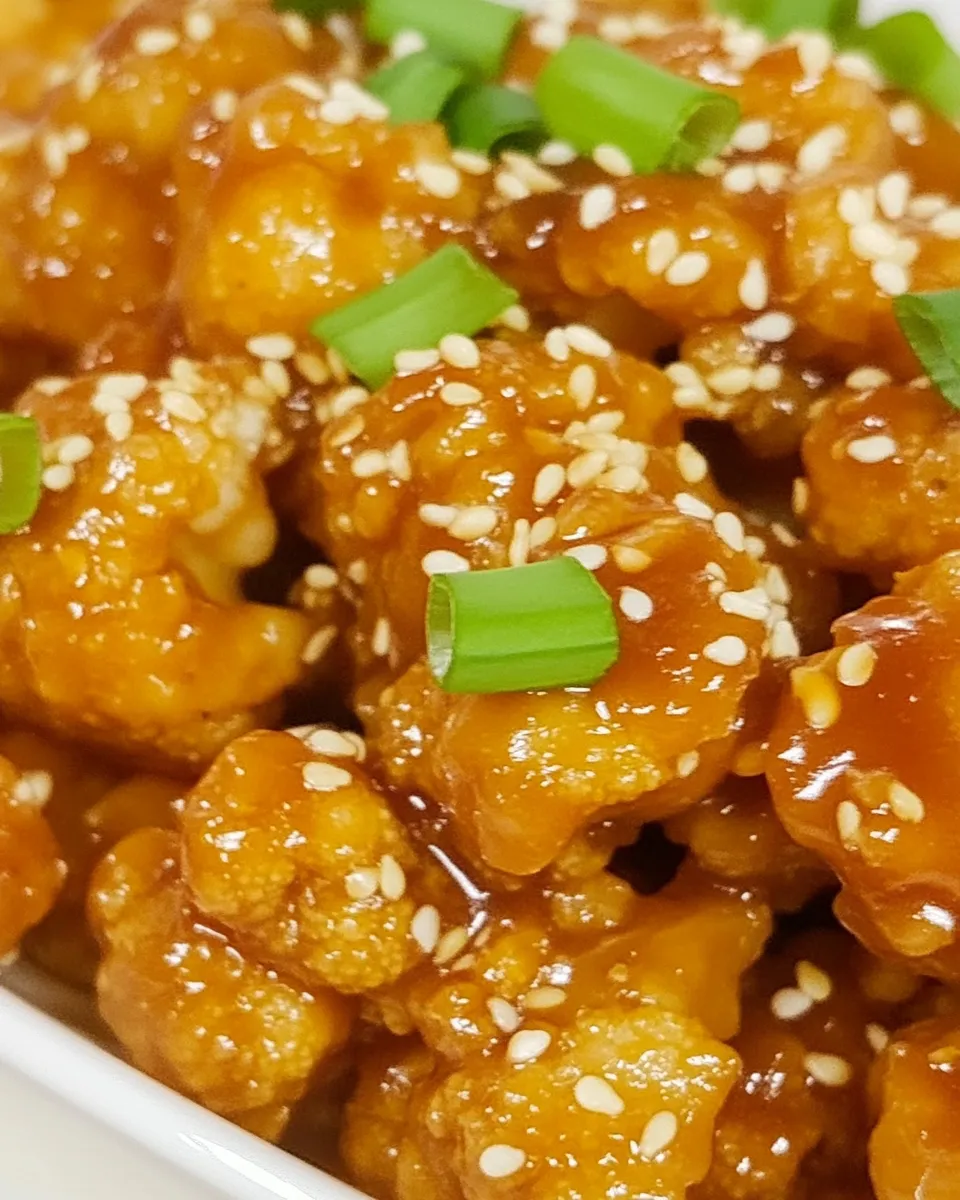
This method separates cooking and sauce-making so each element is done with intention. Roasting the florets at high heat for two rounds creates caramelization without collapsing the pieces. The brief initial roast sets structure, flipping exposes the less-browned side, and the second roast finishes with color and a little chew.
The sauce follows a classic acid-sweet-salty ratio and is thickened with starch, which guarantees cling. Bringing the sauce to a boil before adding the starch slurry cooks the raw flavor out of the maple and garlic and activates the starch properly. The final two-minute simmer ensures the glossy sheen you want — and the note about the sauce thickening as it cools is important: toss while warm for the best coating.
International Equivalents
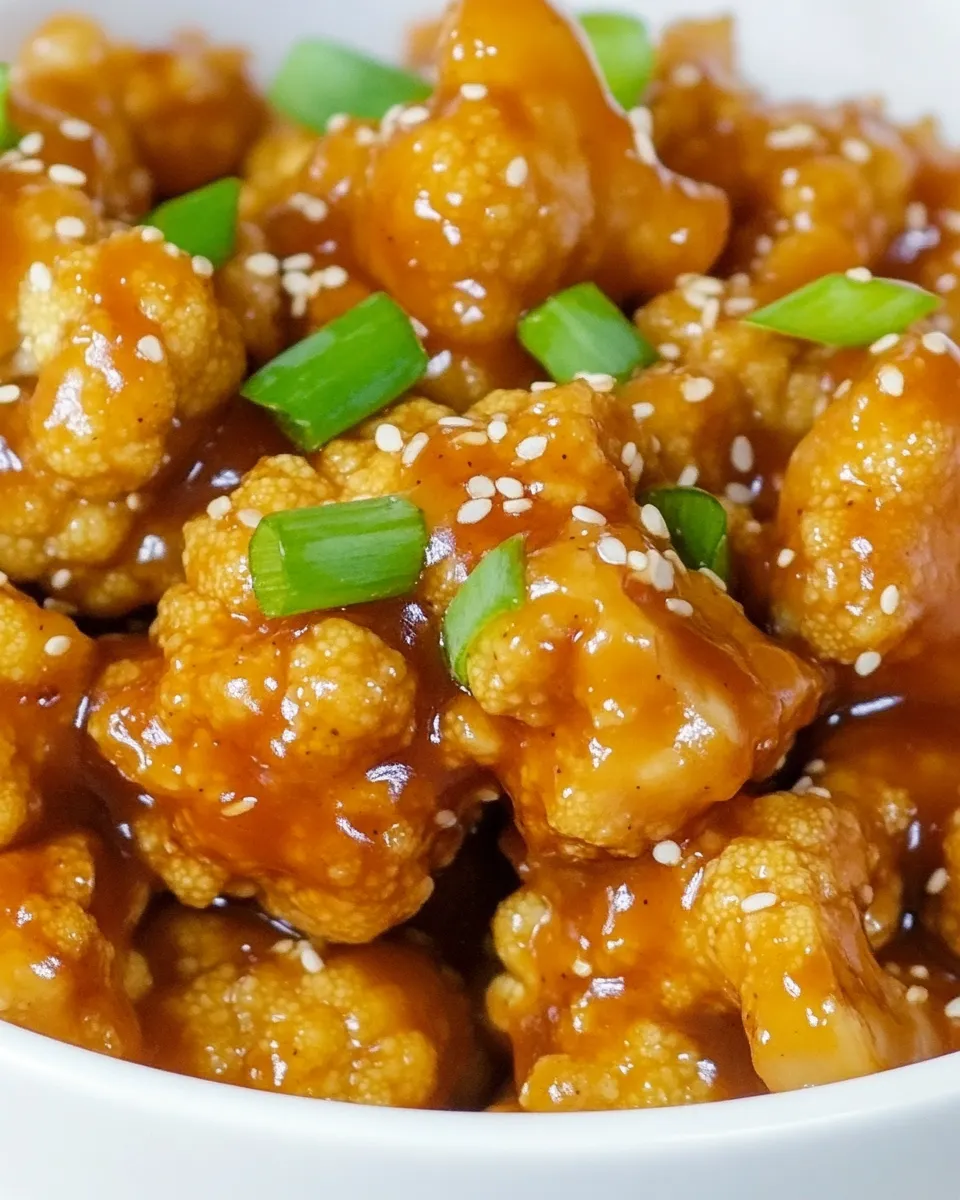
Sticky Sesame Cauliflower sits in the same neighborhood as sticky, sweet-savory vegetable dishes you’ll find across American-Chinese and Indo-Chinese menus. Those dishes rely on the same three moves: roast or fry to develop texture, a soy-based sauce for umami, and a starch-thickened glaze.
Think of it as a vegetarian cousin to saucy glazed proteins found in pan-Asian cooking. The flavor profile is familiar: soy, sweetener, vinegar to cut through the sweetness, and toasted sesame oil to make it unmistakable. That familiarity makes it an easy swap-in for people who want a plant-forward option without reinventing the wheel.
Setup & Equipment
Gather these tools before you start so the timing stays smooth:
- Rimmed baking sheet lined with parchment — keeps sheets clean and helps with even browning.
- Small saucepan — for the sauce; a narrow pan helps the sauce bubble up quickly.
- Whisk and small bowl — whisk the sauce base and dissolve the starch in a bowl so it goes in lump-free.
- Measuring cups and spoons — exact amounts matter for balance.
- Tongs or a spatula — for flipping florets and tossing with sauce.
Pitfalls & How to Prevent Them
Soggy cauliflower: don’t overcrowd the pan. Space the florets in a single layer so hot air circulates and edges crisp. If your baking sheet is small, use two pans rather than stack them.
Sticky but clumpy sauce: dissolve the starch completely in the 1/4 cup water before whisking it into the boiling sauce. Add slowly and whisk constantly when it returns to the boil so the starch cooks evenly.
Burned glaze: broiling is optional and quick. Stay right at the oven and watch the pan; 1–2 minutes is all you get. If you miss the perfect second, pull the pan out — you can always use the extra bake time rather than broil for finish.
Under-seasoned final dish: because maple syrup or honey can tame saltiness, taste the warm sauce before adding it to the cauliflower if you want to adjust. The recipe uses low-sodium soy sauce to avoid oversalting, but personal tastes vary — make a small tweak rather than large adjustments.
Year-Round Variations
Spring and summer: serve the cauliflower warm on a bed of lightly dressed greens or with chilled, simple sides. The brightness of the rice vinegar plays nicely with fresh seasonal veggies.
Fall and winter: this works well as a hearty side. For a richer finish, double the roasted time for deeper char, or let it sit longer in a warm oven (turned off) so the sauce can soak in a touch more.
Ingredient swaps allowed by the recipe: the sweetener can be maple syrup, honey, or agave — use what you prefer. The starch can be cornstarch or arrowroot; arrowroot yields a slightly clearer glaze. These options let you adapt based on pantry or dietary needs without changing technique.
Recipe Notes & Chef’s Commentary
Slice each floret so it has a flat side. That flat side makes direct contact with the sheet pan and drives browning; it’s a small step that changes texture dramatically. Use parchment under the florets for easy flipping and cleanup.
Make the sauce while the cauliflower is in its first roast. Timing lines up: the sauce finishes thickening just as the florets return for round two. Toss while both are warm — the sauce will coat more evenly and shine better.
To avoid gluey texture, don’t overcook the sauce after adding the starch. Two minutes at a simmer is enough. The sauce will continue to set as it cools, so you’re aiming for slightly looser than you want in the pan.
Save for Later: Storage Tips
Refrigerate leftovers in an airtight container for up to 3–4 days. The cauliflower will soften as it sits, so reheat gently to bring back some texture: 350°F in a single layer on a baking sheet for 6–8 minutes works well, or reheat in a skillet over medium with a quick toss.
Freezing is not ideal; the texture degrades noticeably. If you must freeze, flash-cool the cauliflower and sauce separately, freeze in a tight container, and expect a softer result when reheated.
Sticky Sesame Cauliflower FAQs
Can I make this ahead for a party? Yes. Roast the cauliflower fully, let it cool, and keep it in the fridge. Rewarm in the oven, then heat the sauce and toss just before serving so everything stays glossy and crisp.
Can I air-fry the cauliflower? You can. Air-fry florets in a single layer at 400°F for about 12–16 minutes, shaking once or twice, until edges brown. Timing varies by air fryer model and floret size, so use visual cues: golden edges and tender centers.
What if my sauce is too thin? Bring it back to a simmer and add a tiny extra pinch of dissolved cornstarch (mix 1/2 teaspoon cornstarch with 1 teaspoon water first). Add slowly and watch — it thickens quickly.
Can I omit the sesame oil or powdered ginger? You can, but they add depth. Sesame oil contributes nutty aroma and powdered ginger adds a warm lift; leaving them out will make the sauce flatter, so taste and adjust vinegar or sweetener slightly if you omit them.
The Last Word
Sticky Sesame Cauliflower is one of those recipes that rewards attention to a few small details: flat-sided florets, a hot oven, and timing the sauce so everything meets warm. The result is a glossy, flavorful dish that’s quick enough for weeknights and satisfying enough for guests. Keep the pan space, watch the broiler, and toss while warm — you’ll have a dependable, delicious plate every time.

Sticky Sesame Cauliflower
Ingredients
Ingredients
- 1 small head cauliflower chopped (6 1/2 cups florets)
- 1/3 cuplow-sodium soy sauce
- 1/4 cuppure maple syrup honey, or agave
- 1/4 cuprice vinegar
- 1 tbspminced garlic
- 1 1/2 tsptoasted sesame oil
- 1/2 tsppowdered ginger
- 1 1/2 tbspcornstarch or arrowroot
- 1/4 cupwater
- sesame seeds and scallions for garnish
Instructions
Instructions
- Preheat oven to 450°F. Line a rimmed baking sheet with parchment paper.
- Cut the 1 small head cauliflower into florets (about 6 1/2 cups). Slice each floret so one side is flat, then arrange the florets in a single layer on the prepared baking sheet.
- Bake on the center rack for 10 minutes.
- While the cauliflower bakes, make the sauce: in a small saucepan whisk together 1/3 cup low-sodium soy sauce, 1/4 cup pure maple syrup (or honey or agave), 1/4 cup rice vinegar, 1 tablespoon minced garlic, 1 1/2 teaspoons toasted sesame oil, and 1/2 teaspoon powdered ginger. Bring the mixture to a boil over medium-high heat.
- In a small bowl, stir together 1 1/2 tablespoons cornstarch (or arrowroot) and 1/4 cup water until the starch dissolves completely.
- As soon as the sauce comes to a boil, slowly whisk the cornstarch mixture into the saucepan. Return the sauce to a boil, then reduce heat to medium and cook for 2 minutes, stirring more frequently once it returns to a boil, until the sauce is thickened. Remove from heat (the sauce will thicken further as it cools).
- Remove the baking sheet from the oven, flip each cauliflower floret, and return to the oven. Bake for an additional 10 minutes on the center rack.
- If you want a slightly charred finish, move the pan to the top rack and broil 1–2 minutes—watch carefully to prevent burning.
- Remove the cauliflower from the oven, pour the warm sauce over the florets, and gently toss or stir to coat evenly.
- Sprinkle with sesame seeds and chopped scallions to garnish, then serve.
Equipment
- Rimmed baking sheet
- Parchment Paper
- Small Saucepan
- Whisk
- Small Bowl
Notes
Leftover cauliflower? Use it up in this
Cauliflower Alfredo Sauce
!