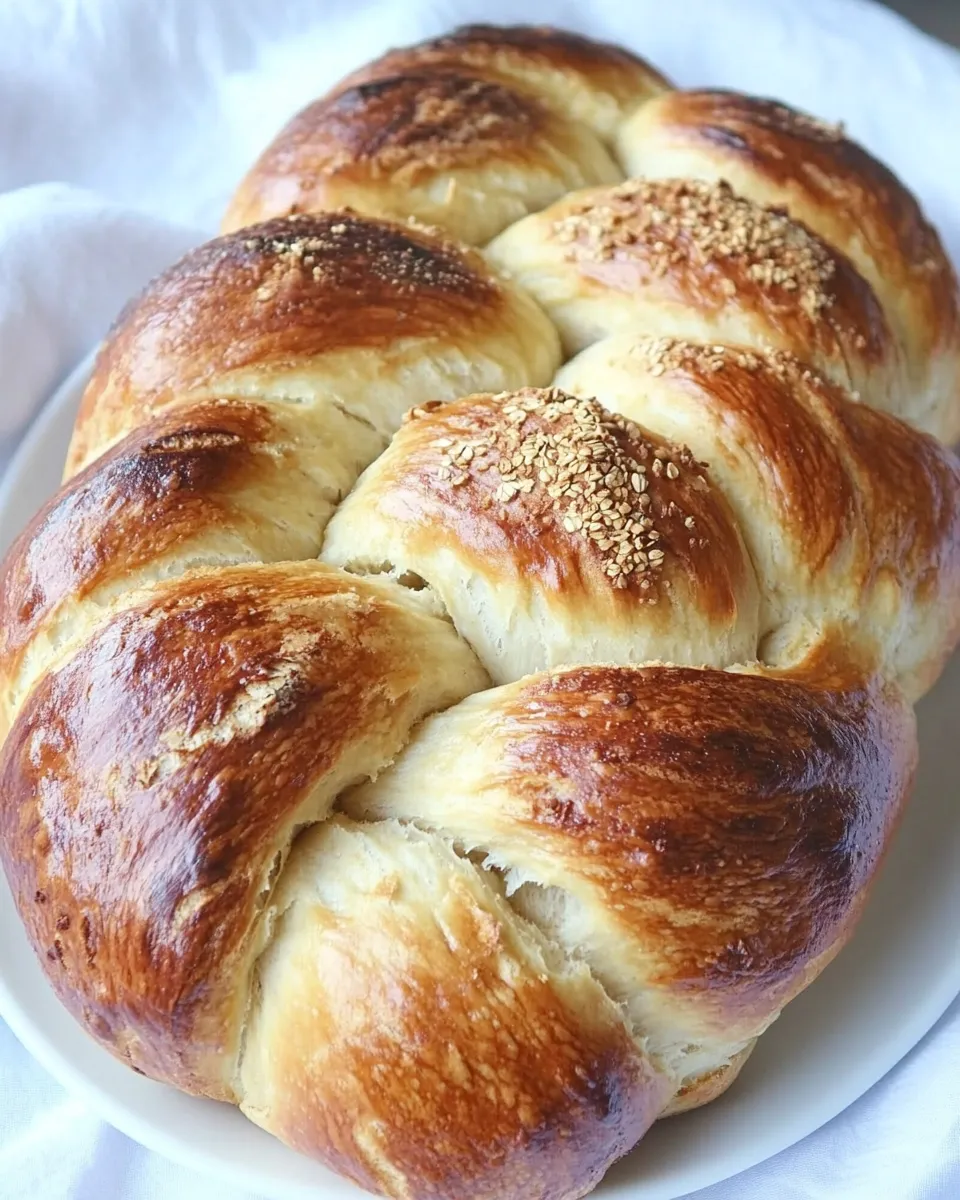
This sweet challah is straightforward, forgiving, and worth the hands-on time. It yields a tender, slightly sweet braid with a glossy crust and a soft interior that holds up well for sandwiches, toast, or simply slathered with butter. The process has a couple of rises, but most of the time is hands-off. That makes it a great weekend bake when you can let the dough do the work while you do other things.
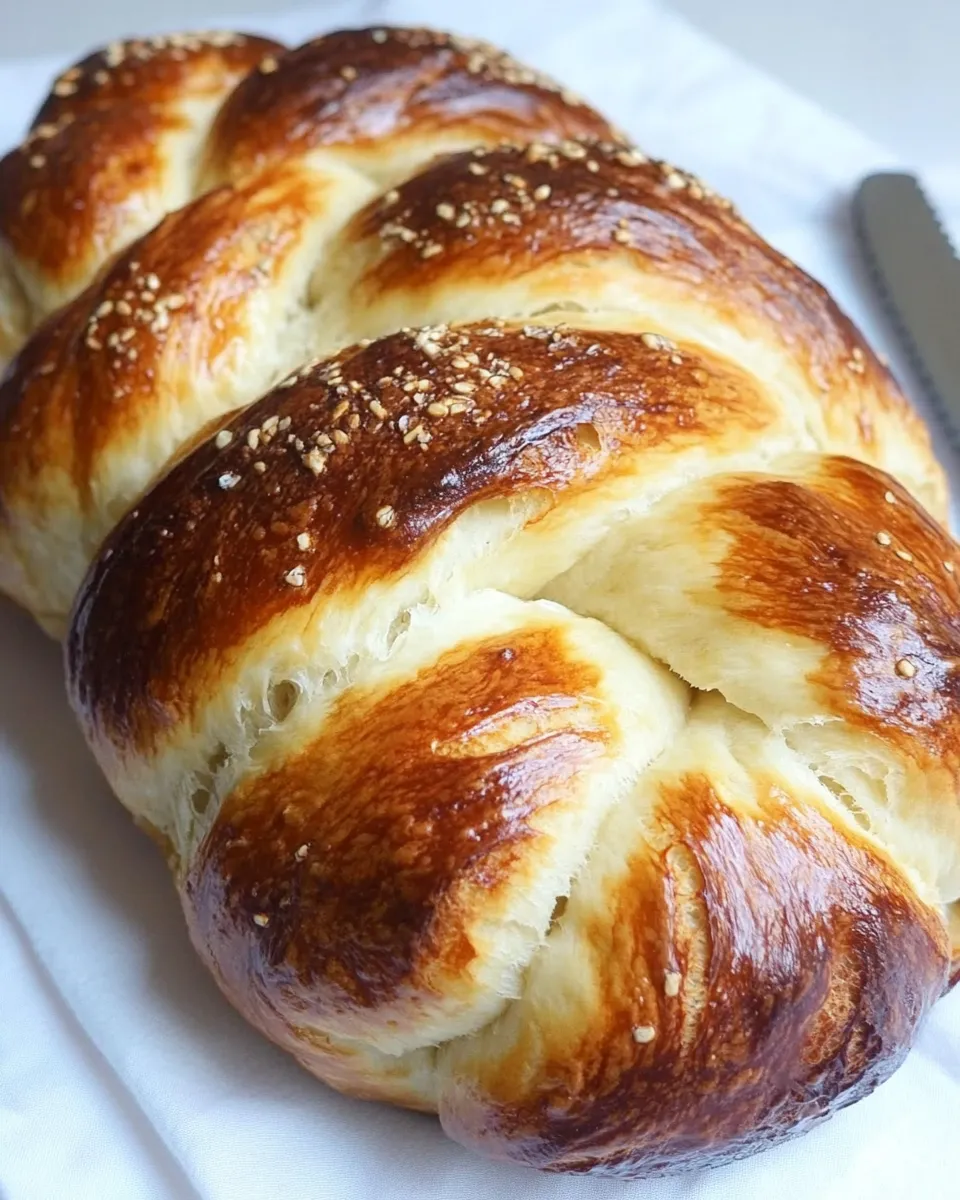
I tested this formula to be both reliable and accessible: no specialty flours, no complicated timings, and you can braid one large loaf or two smaller ones without changing the recipe. The egg wash gives the crust a deep color and the optional poppy seeds add a nice finish. Read through the ingredients and steps once, then follow the method step by step — you’ll get consistent results.
The post below walks you through ingredient notes, the exact step-by-step method, troubleshooting, and practical storage and serving ideas. If you’re new to braiding, I include simple guidance so the final loaf looks like you meant for it to.
Ingredient Notes
Before you start, a few practical notes about the ingredients and why they matter. Use the temperatures and divisions of liquid as written — they affect yeast activation and dough consistency. Measure flour by scooping and leveling or by weight if you prefer, but expect the dough to be soft rather than stiff; the extra 1/2 cup of flour is for dusting and kneading as needed.
Keep your water in the 110–115°F range for proofing the yeast. Too hot and you kill the yeast; too cool and it won’t foam. Also, reserve the beaten egg yolk specifically for glazing; that glossy finish is what makes challah so appealing.
Ingredients
- 0.25-ounce envelope active dry yeast — activates the dough; proof it in warm water with a little sugar until foamy.
- 2 tablespoons granulated white sugar — used with the yeast to feed it during proofing.
- 1 1/2 cups warm water (110–115°F), divided — 1/4 cup for yeast proofing, the remaining 1 1/4 cups goes into the dough.
- 5 cups all-purpose flour, divided — 4 1/2 cups for the dough, plus 1/2 cup for dusting the board and kneading as needed.
- 2 teaspoons salt — balances the sweetness and strengthens the dough.
- 2 large eggs, beaten — enrich the dough and contribute to structure and color.
- 2 tablespoons canola or vegetable oil — keeps the crumb tender and helps with browning.
- 1/2 cup granulated white sugar — sweetens the dough for a classic sweet challah.
- 1 large egg yolk, slightly beaten — reserved for brushing the loaves before baking to create a glossy crust.
- 2 tablespoons poppy seeds (optional) — for sprinkling on top to add texture and a visual finish.
Stepwise Method: Sweet Challah Bread
- In a small bowl, combine the 0.25-ounce envelope active dry yeast, 2 tablespoons granulated sugar, and 1/4 cup warm water (110–115°F). Stir gently and let stand 5 minutes, until the yeast is foamy.
- Sift 4 1/2 cups all-purpose flour and 2 teaspoons salt into a large mixing bowl. Make a well in the center.
- In a small bowl, beat the 2 large eggs. In a separate small bowl, slightly beat the 1 large egg yolk and set it aside for glazing.
- Add the beaten eggs, 2 tablespoons canola or vegetable oil, the remaining 1 1/4 cups warm water, 1/2 cup granulated sugar, and the foamy yeast mixture into the well. Work the liquids into the flour with your hands or a spoon until a shaggy dough forms.
- Turn the dough onto a floured board (use the remaining 1/2 cup flour to dust the board and for kneading as needed). Knead until smooth and elastic, about 5 to 8 minutes.
- Lightly oil a mixing bowl, place the dough in the bowl, and brush the top of the dough with a little oil. Cover loosely with a clean dish towel and let rise in a warm place until doubled in size, about 1 hour.
- Punch down the dough, cover, and let it rise again until doubled in bulk.
- Turn the dough out onto the floured board. For one large loaf divide the dough into 3 equal pieces; for two smaller loaves divide into 6 equal pieces.
- Flour your hands and roll each piece into a rope of equal length. Braid the ropes to form the loaf(es) and place them on a greased cookie sheet. Cover and let rise until doubled in size.
- Preheat the oven to 375°F while the loaves are finishing their final rise.
- Brush the risen loaves with the reserved egg yolk and sprinkle with 2 tablespoons poppy seeds, if desired.
- Bake in the preheated oven 38 to 45 minutes, until the loaves are golden brown.
Why This Recipe Belongs in Your Rotation
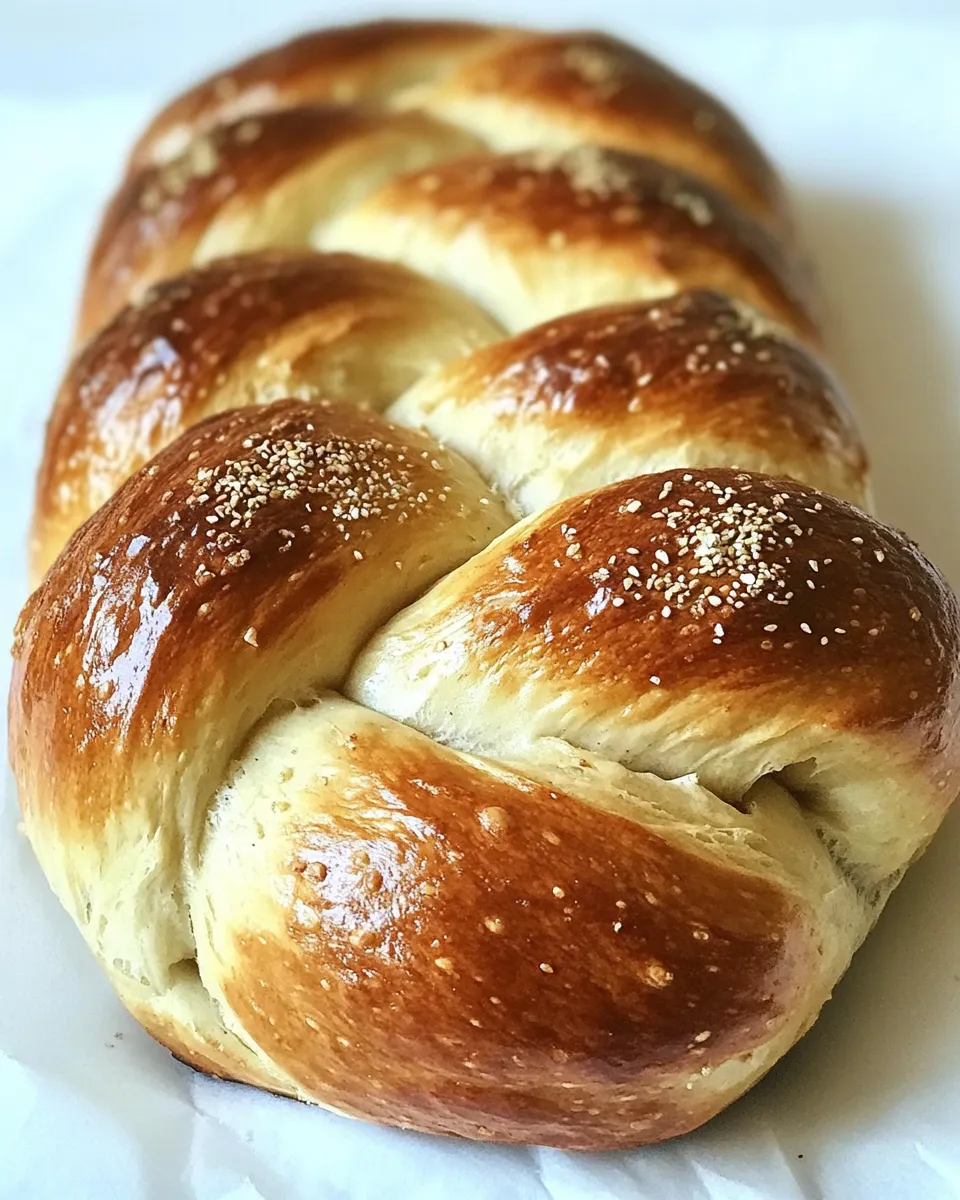
This challah delivers consistent results with basic pantry ingredients and a short list of steps. It’s forgiving: the dough tolerates small timing shifts and modest temperature differences, so it’s good for bakers who like to work by feel. The flavor is slightly sweet but not cloying, and the texture is soft with a resilient crumb — it holds up well for day-two slices.
It’s also versatile in use. Make one large loaf for a centerpiece or two small loaves for gift-giving or easy family portions. The classic glossy finish and optional poppy seeds make it attractive on the table without extra effort.
Ingredient Flex Options
- Oil choice: recipe lists canola or vegetable oil; both work interchangeably for tenderness and neutral flavor.
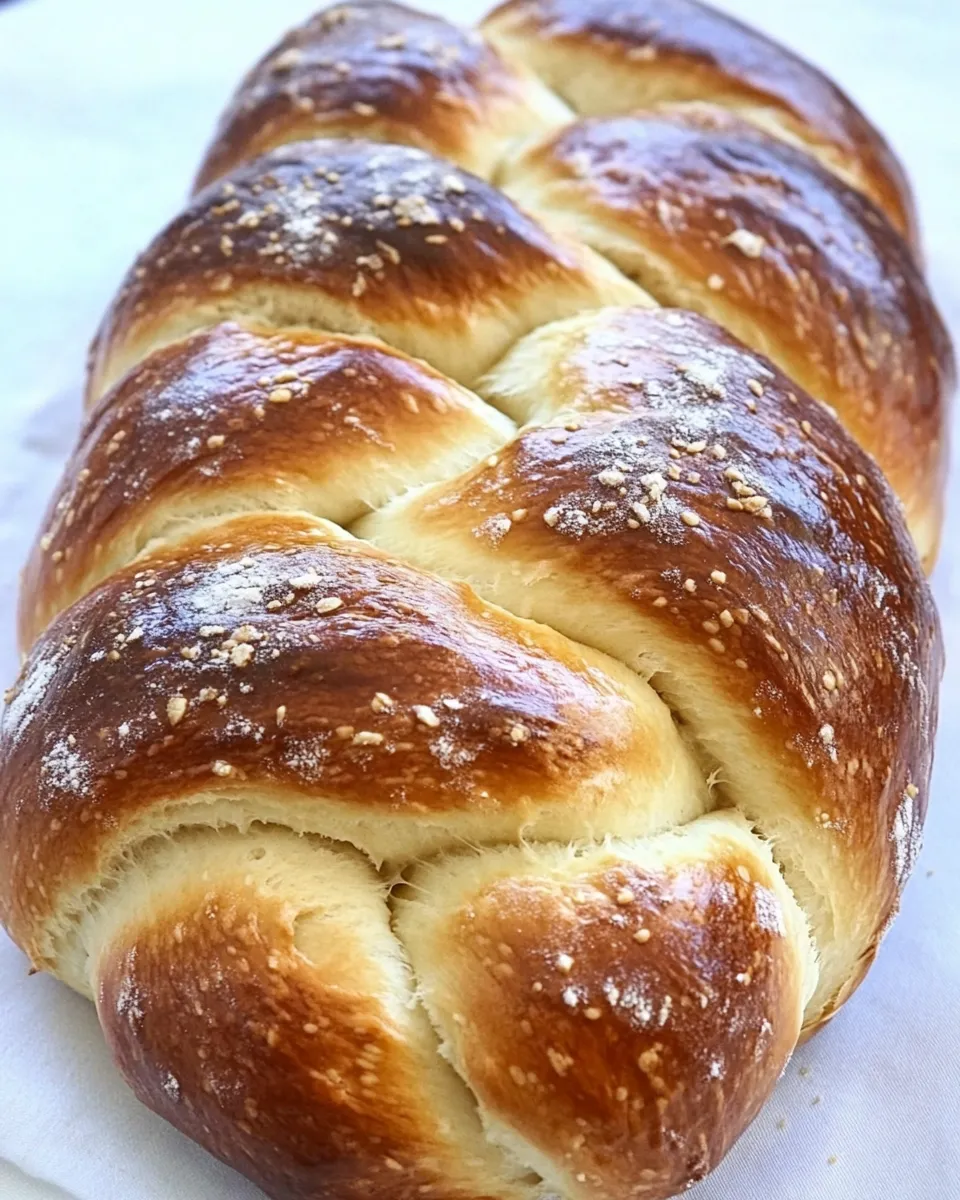
- Poppy seeds: listed as optional — omit them if you prefer a plain top or leave them for added texture and visual contrast.
- Loaf size: split the dough into 3 pieces for one large loaf or 6 pieces for two smaller loaves, as the method indicates.
Tools & Equipment Needed
- Large mixing bowl — for combining and rising the dough.
- Small bowls — one for proofing the yeast and one for the eggs/egg yolk.
- Sifter — to sift the flour and salt (or a fine-mesh sieve).
- Measuring cups and spoons — for water, sugar, oil, and other measured items.
- Floured work surface or board — for turning and kneading the dough.
- Greased cookie sheet or baking sheet — to bake the loaf(es).
- Pastry brush — to apply the reserved egg yolk for a shiny crust.
- Kitchen towel or plastic wrap — to cover the dough during rises.
- Oven thermometer (optional) — helpful if your oven runs hot or cold.
Common Errors (and Fixes)
- Yeast doesn’t foam: If the yeast doesn’t become foamy after 5 minutes, the water was likely too cool or the yeast is old. Start over with fresh yeast and water in the 110–115°F range.
- Dough too sticky to handle: Use the reserved 1/2 cup flour a little at a time while kneading. The goal is a soft, slightly tacky dough, not a dry stiff ball.
- Dough won’t rise: Check the rising environment. Move the covered bowl to a warm spot (near a warm oven or in an off oven with the light on). Ensure the bowl was lightly oiled so the dough doesn’t stick during rising.
- Over-browned crust before fully baked: Tent the loaf with foil for the last 10–15 minutes of baking if the crust develops too fast. You can also lower the oven rack one position.
- Dense interior: Likely under-kneaded or under-proofed. Knead until the dough becomes smooth and elastic. Give the dough the full two rises specified in the method.
Seasonal Twists
Keep the base recipe intact and vary how you present the loaf for seasonal occasions. The optional poppy-seed top can be swapped with a sprinkle of sesame seeds if you have them on hand. For holiday tables, a double-braid or two smaller braided loaves make a nice visual statement. If you bake in cooler months, give the dough a slightly longer first rise; cooler kitchens need more time for the yeast to get active.
Cook’s Notes
Measure the water temperature if you’re unsure — 110–115°F is the sweet spot for active dry yeast. If your kitchen is very warm, check the dough earlier during the first rise; it may double faster than the hour stated here. When you braid, keep the ropes uniform in thickness so the loaf bakes evenly. If you prefer a richer loaf, you can brush the entire loaf with melted butter immediately after it comes out of the oven; this is optional and will soften the crust slightly.
Keep-It-Fresh Plan
Cool the loaf completely on a rack before storing. At room temperature, wrap the challah in plastic wrap or place it in a resealable bag for up to two days. For longer storage, slice and freeze portions in airtight bags for up to three months; thaw at room temperature or toast slices straight from frozen. Avoid refrigeration — it dries bread faster.
Questions People Ask
- Can I use instant yeast instead of active dry? If you choose to use instant yeast, reduce the proofing step and follow instant yeast guidelines; this method is written for active dry yeast with a proofing step.
- How can I tell when the loaf is done? The loaves should be golden brown and sound hollow when tapped on the bottom. An internal temperature around 190–200°F indicates a fully baked loaf.
- Can I make this dough ahead? Yes. After the first rise, you can refrigerate the dough (covered) for up to 24 hours. Bring it back to room temperature before punching down, dividing, and shaping.
- Why is there an extra egg yolk? The reserved yolk creates a glossy, deep-colored crust when brushed on just before baking.
Bring It to the Table
Slice the challah thick for sandwiches or thin for toasting the next morning. The soft, slightly sweet crumb plays nicely with simple accompaniments. If you made two smaller loaves, wrap one and give it away warm — freshly baked bread makes a thoughtful, practical gift.
When you serve it, present the braid whole and slice at the table or pre-slice for convenience. The glossy top and the braided shape make it a welcoming centerpiece. Enjoy the process — and the loaf you’ll be reaching for again and again.
Sweet Challah Bread
Ingredients
Ingredients
- One.25 ounce envelopeactive dry yeast
- 2 tablespoonsgranulated white sugar
- 1 1/2 cupswarm water 110 to 115 degrees F., divided
- 5 cupsall purpose flour divided
- 2 teaspoonssalt
- 2 largeeggs beaten
- 2 tablespoonscanola or vegetable oil
- 1/2 cupgranulated white sugar
- 1 largeegg yolk slightly beaten
- 2 tablespoonspoppy seeds optional
Instructions
Instructions
- In a small bowl, combine the 0.25-ounce envelope active dry yeast, 2 tablespoons granulated sugar, and 1/4 cup warm water (110–115°F). Stir gently and let stand 5 minutes, until the yeast is foamy.
- Sift 4 1/2 cups all-purpose flour and 2 teaspoons salt into a large mixing bowl. Make a well in the center.
- In a small bowl, beat the 2 large eggs. In a separate small bowl, slightly beat the 1 large egg yolk and set it aside for glazing.
- Add the beaten eggs, 2 tablespoons canola or vegetable oil, the remaining 1 1/4 cups warm water, 1/2 cup granulated sugar, and the foamy yeast mixture into the well. Work the liquids into the flour with your hands or a spoon until a shaggy dough forms.
- Turn the dough onto a floured board (use the remaining 1/2 cup flour to dust the board and for kneading as needed). Knead until smooth and elastic, about 5 to 8 minutes.
- Lightly oil a mixing bowl, place the dough in the bowl, and brush the top of the dough with a little oil. Cover loosely with a clean dish towel and let rise in a warm place until doubled in size, about 1 hour.
- Punch down the dough, cover, and let it rise again until doubled in bulk.
- Turn the dough out onto the floured board. For one large loaf divide the dough into 3 equal pieces; for two smaller loaves divide into 6 equal pieces.
- Flour your hands and roll each piece into a rope of equal length. Braid the ropes to form the loaf(es) and place them on a greased cookie sheet. Cover and let rise until doubled in size.
- Preheat the oven to 375°F while the loaves are finishing their final rise.
- Brush the risen loaves with the reserved egg yolk and sprinkle with 2 tablespoons poppy seeds, if desired.
- Bake in the preheated oven 38 to 45 minutes, until the loaves are golden brown.
Equipment
- Small Bowl
- Large Mixing Bowl
- Measuring Cups
- Measuring Spoons
- Sifter
- mixing spoon or hands
- floured board
- Cookie Sheet
- Oven
- clean dish towel
- Pastry Brush
Notes
Leftover challah bread makes great French toast!