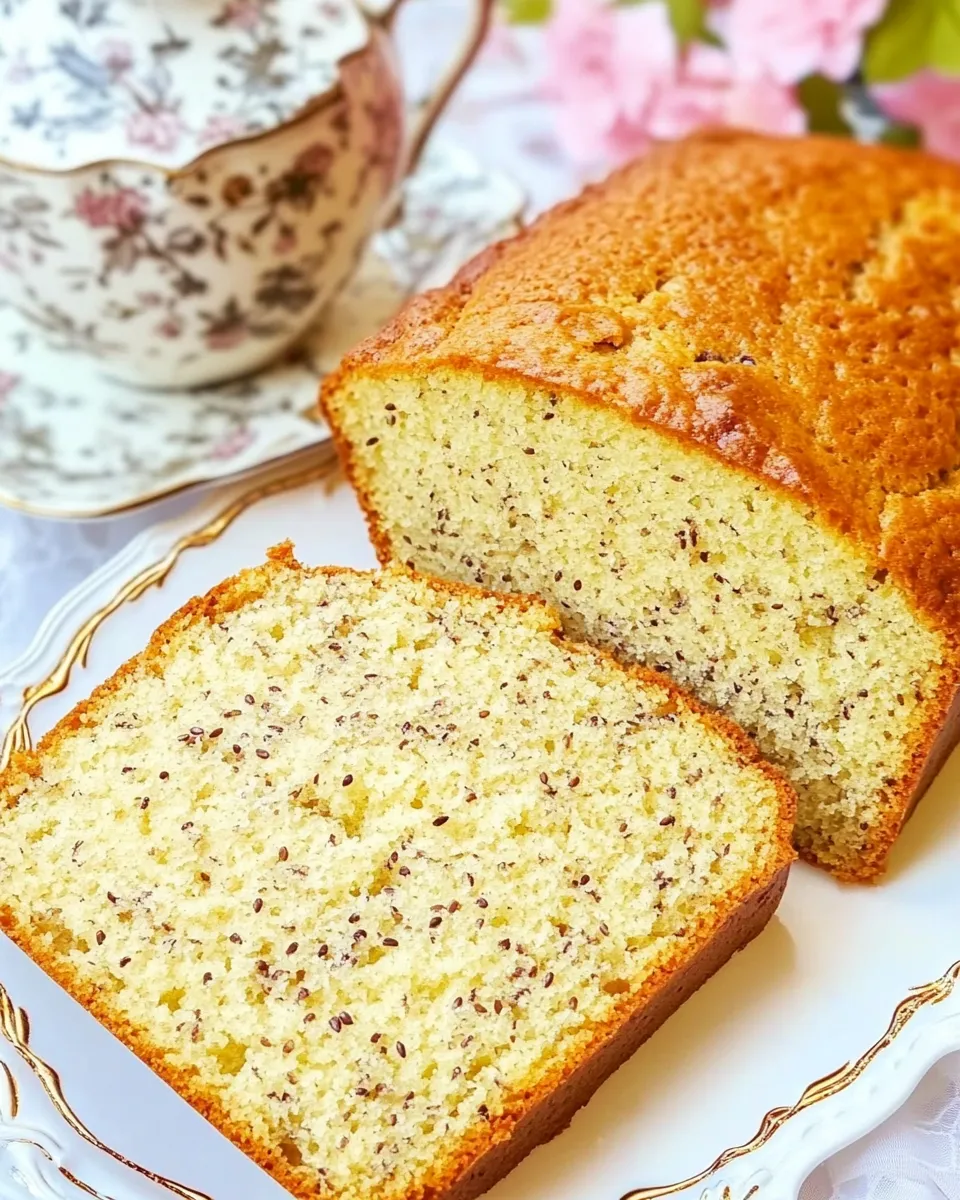
Seed cake is straightforward, honest baking. It doesn’t hide behind fancy techniques or exotic ingredients. Instead it relies on a good balance of butter, sugar, eggs, and the small, aromatic lift that caraway seeds bring. This version follows classic proportions and a simple loaf format so you can make it reliably any time you want a slice with tea.
Expect a tender crumb with a faint lemon lift and a warm, toasted seed note. The method below keeps mixing steps clear and deliberately paced so the cake stays light rather than dense. If you have a 9×5-inch non-stick loaf pan and basic pantry staples, you’re already set.
The Essentials
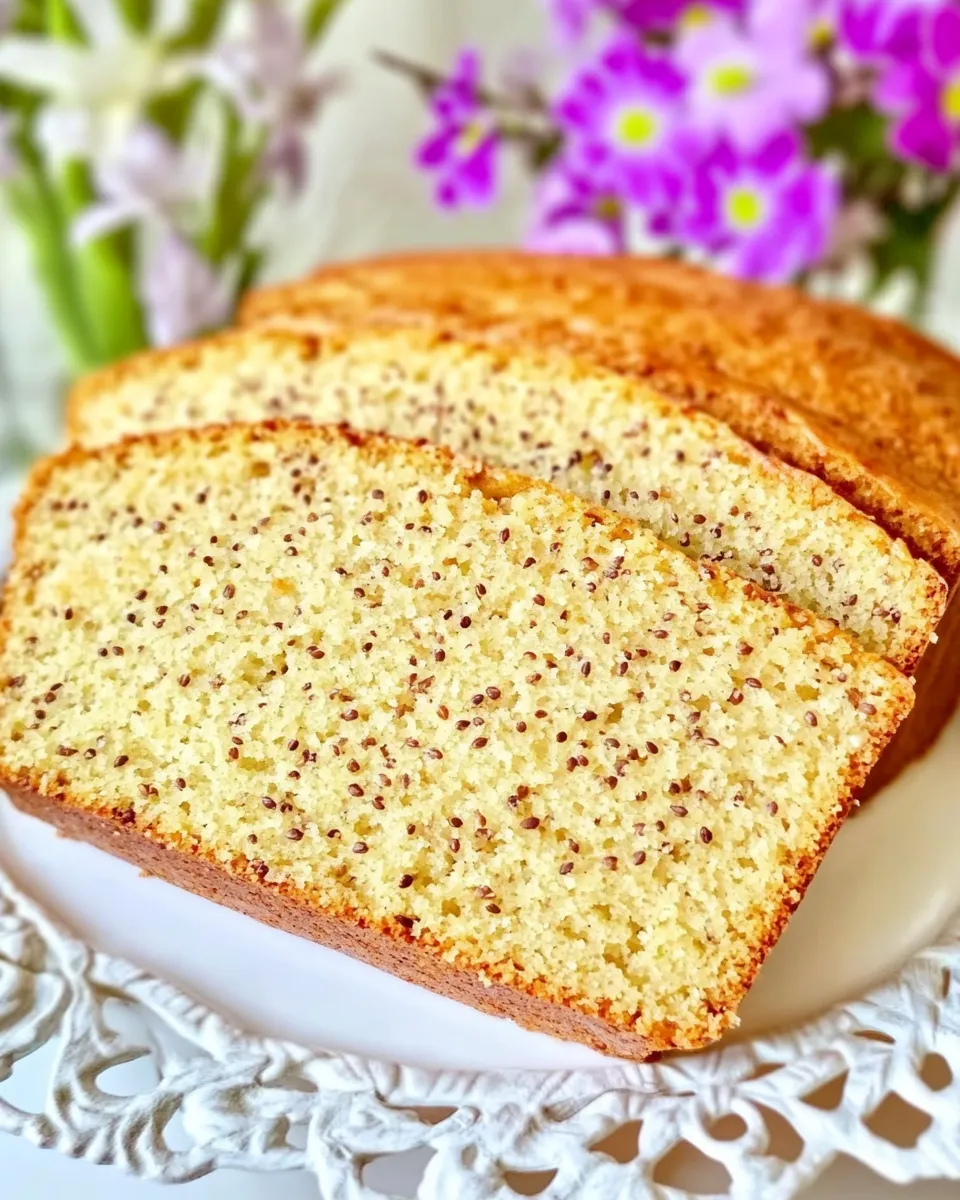
This cake is about rhythm: cream butter and sugar until pale, add eggs slowly, fold in dry ingredients carefully. Temperature and timing matter but only within sensible limits — room-temperature butter, a middle-rack oven set to 350°F (180°C), and an eye on the toothpick test at the end. The batter is soft but scoopable; don’t expect a thick pound-cake batter.
Caraway seeds are the defining flourish. Two teaspoons is enough to give the traditional, slightly sweet-and-anise note without overpowering the lemon and vanilla. If you want to experiment, try swapping seeds later — but keep the basic technique the same to preserve texture.
Ingredients
- 2 cups all-purpose flour — provides structure; spoon into the cup and level for accuracy.
- 2 1/2 teaspoons baking powder — the rising agent; make sure it’s fresh for best lift.
- 1/4 teaspoon salt — balances the sweetness and strengthens the crumb.
- 11 tablespoons butter — room temperature; creaming this with sugar adds air and tenderness.
- 3/4 cup granulated sugar — sweetens and helps with the cake’s color.
- 2 tablespoons neutral tasting oil — adds moisture and keeps the cake soft as it stales.
- 3 large eggs — bind and enrich the batter; add one at a time for stability.
- zest of one lemon — brightens the flavor; grate finely to avoid bitter pith.
- 2 teaspoons pure vanilla extract — deepens the aroma and rounds the citrus.
- 2 tablespoons milk — loosens the batter to a scoopable consistency.
- 2 teaspoons caraway seeds — the signature seed; stir in at the end so they disperse evenly.
Make Traditional British Seed Cake: A Simple Method
- Preheat the oven to 350°F (180°C) and position a rack in the middle of the oven. Have a non-stick 9×5-inch loaf pan ready.
- In a medium bowl, whisk together 2 cups all-purpose flour, 2 1/2 teaspoons baking powder, and 1/4 teaspoon salt. Set aside.
- In a large mixing bowl, beat 11 tablespoons butter (room temperature) and 3/4 cup granulated sugar until pale and fluffy, about 3–5 minutes with an electric mixer on medium speed.
- Add 2 tablespoons neutral-tasting oil and mix until incorporated.
- Add the 3 large eggs one at a time, mixing briefly after each egg until combined.
- Stir in the zest of one lemon and 2 teaspoons pure vanilla extract until evenly distributed.
- Add the flour mixture to the wet ingredients in two additions, mixing on low speed or folding with a spatula just until no dry streaks remain. Do not overmix.
- Add 2 tablespoons milk and mix only until the batter comes together into a soft, scoopable loaf batter.
- Fold in 2 teaspoons caraway seeds until evenly distributed.
- Spoon the batter into the prepared non-stick 9×5-inch loaf pan and smooth the top with a spatula or the back of a spoon.
- Bake on the middle rack for 45–55 minutes, or until a toothpick inserted into the center comes out clean or with a few moist crumbs.
- Let the cake rest in the pan for 5 minutes, then remove it from the pan and transfer to a wire rack to cool completely.
Why I Love This Recipe
This seed cake feels like a British teatime classic because of its restraint. It doesn’t demand special equipment or technique — but it rewards attention to small details: creaming the butter until pale, adding eggs one at a time, and folding the flour in gently. The result is a tender, even crumb that keeps well and pairs beautifully with strong tea or a smear of butter.
There’s also room for sensory pleasure: the lemon zest gives a faint citrus brightness, vanilla rounds the edges, and caraway adds a caramelized, almost nutty lift when toasted in the hot cake during baking. It’s modest, but each component has purpose.
Quick Replacement Ideas
- Butter — stick with butter for flavor. If you must, use the same amount of a neutral margarine, but texture will shift.
- Neutral tasting oil — sub with light olive oil or another neutral vegetable oil in the same amount.
- Milk — any milk (dairy or unsweetened plant milk) will work in the same 2 tablespoons amount.
- Caraway seeds — replace with the same amount of fennel seeds or toasted sesame for a different but pleasant lift.
- Lemon zest — if you don’t have lemon, a 1/4 teaspoon of orange zest will work; avoid omitting all citrus if you want that bright counterpoint.
What You’ll Need (Gear)
- 9×5-inch loaf pan — non-stick or well-buttered and lined for easy release.
- Electric mixer — for creaming butter and sugar efficiently; you can do it by hand but it takes longer.
- Two mixing bowls — one for dry ingredients, one for creaming and combining wet ingredients.
- Spatula — for folding batter and smoothing the top.
- Grater or zester — for the lemon zest.
- Wire rack — for cooling the loaf so the bottom doesn’t sweat and the crust stays crisp.
Slip-Ups to Skip
Don’t overwork the batter when you add the flour. Overmixing develops gluten, and this loaf will become tough instead of tender. Fold gently and stop when you no longer see dry streaks.
A common mistake is using cold butter. It won’t cream properly with the sugar, and the texture will suffer. Let butter sit until it’s soft enough to press a finger into easily but not oily.
Also avoid opening the oven repeatedly in the final 20 minutes. Sudden temperature drops can cause the loaf to sink. Trust the 45–55 minute window, and use the toothpick test toward the end.
Make It Year-Round
This loaf stands up well across seasons. In colder months, serve warm with butter or a thin spread of marmalade. In summer, slice thin and offer with fresh berries and whipped cream for a lighter dessert. The recipe’s structure stays the same; the accompaniments change with the season.
If you bake frequently, double the recipe and bake in separate pans rather than trying to fit a larger pan into the same bake time. The loaf size and oven time are part of the reliable result here.
Testing Timeline
Here’s a realistic timeline so you can plan.
- Prep (measure and bring butter to room temperature): 30–60 minutes if butter is cold; 10 minutes if already soft.
- Mixing: 10–15 minutes. Creaming then combining takes the bulk of this time.
- Bake: 45–55 minutes. Start checking at 45 minutes with a toothpick.
- Rest and cool: 5 minutes in the pan, then transfer to a wire rack to cool completely — allow at least 45–60 minutes before slicing for clean cuts.
Plan about 1 hour 45 minutes from start to finish if your butter is already at room temperature; otherwise add extra time to soften the butter.
Storing, Freezing & Reheating
Store the cooled loaf wrapped in cling film or in an airtight container at room temperature for up to 3 days. For longer storage, slice and freeze in an airtight container or freezer bag for up to 3 months. Thaw at room temperature or warm gently in a low oven (300°F / 150°C) for 10–15 minutes.
Reheat single slices in the toaster oven or a dry skillet for a few minutes to refresh the crust and bring out the aroma of the seeds. A light smear of butter after reheating makes it taste freshly baked.
Ask & Learn
Q: Can I make this in a round loaf or a traybake? A: You can, but baking times and depths will change. A shallower tray will bake faster; reduce time and check early. A deeper pan may need longer bake time. Stick with the 9×5-inch loaf pan for the results the recipe tests for.
Q: My top browned too quickly — what next? A: Tent with foil for the remainder of the bake. That prevents over-browning while allowing the center to finish cooking.
Q: Can I reduce sugar? A: You can try reducing sugar slightly, but it affects texture and browning. If you lower it, expect a firmer crumb and paler crust.
Let’s Eat
Serve this seed cake sliced thick with a cup of strong tea or thin with coffee. It’s equally fine plain or lightly buttered. For a small celebration, add a dusting of powdered sugar or a thin lemon glaze to brighten the top without overwhelming the caraway.
Slice with a sharp serrated knife and wipe the blade between cuts for neat slices. Enjoy while it’s fresh; the true joy of this cake is in its simplicity and the comfort of a baking routine that delivers the same satisfying loaf every time.
Traditional British Seed Cake
Ingredients
Ingredients
- 2 cupsall-purpose flour
- 2 1/2 teaspoonsbaking powder
- 1/4 teaspoonsalt
- 11 tablespoonsbutter
- 3/4 cupgranulated sugar
- 2 tablespoonsneutral tasting oil
- 3 large eggs
- zest of one lemon
- 2 teaspoonspure vanilla extract
- 2 tablespoonsmilk
- 2 teaspoonscaraway seeds
Instructions
Instructions
- Preheat the oven to 350°F (180°C) and position a rack in the middle of the oven. Have a non-stick 9×5-inch loaf pan ready.
- In a medium bowl, whisk together 2 cups all-purpose flour, 2 1/2 teaspoons baking powder, and 1/4 teaspoon salt. Set aside.
- In a large mixing bowl, beat 11 tablespoons butter (room temperature) and 3/4 cup granulated sugar until pale and fluffy, about 3–5 minutes with an electric mixer on medium speed.
- Add 2 tablespoons neutral-tasting oil and mix until incorporated.
- Add the 3 large eggs one at a time, mixing briefly after each egg until combined.
- Stir in the zest of one lemon and 2 teaspoons pure vanilla extract until evenly distributed.
- Add the flour mixture to the wet ingredients in two additions, mixing on low speed or folding with a spatula just until no dry streaks remain. Do not overmix.
- Add 2 tablespoons milk and mix only until the batter comes together into a soft, scoopable loaf batter.
- Fold in 2 teaspoons caraway seeds until evenly distributed.
- Spoon the batter into the prepared non-stick 9×5-inch loaf pan and smooth the top with a spatula or the back of a spoon.
- Bake on the middle rack for 45–55 minutes, or until a toothpick inserted into the center comes out clean or with a few moist crumbs.
- Let the cake rest in the pan for 5 minutes, then remove it from the pan and transfer to a wire rack to cool completely.
Equipment
- 9x5-inch loaf pan