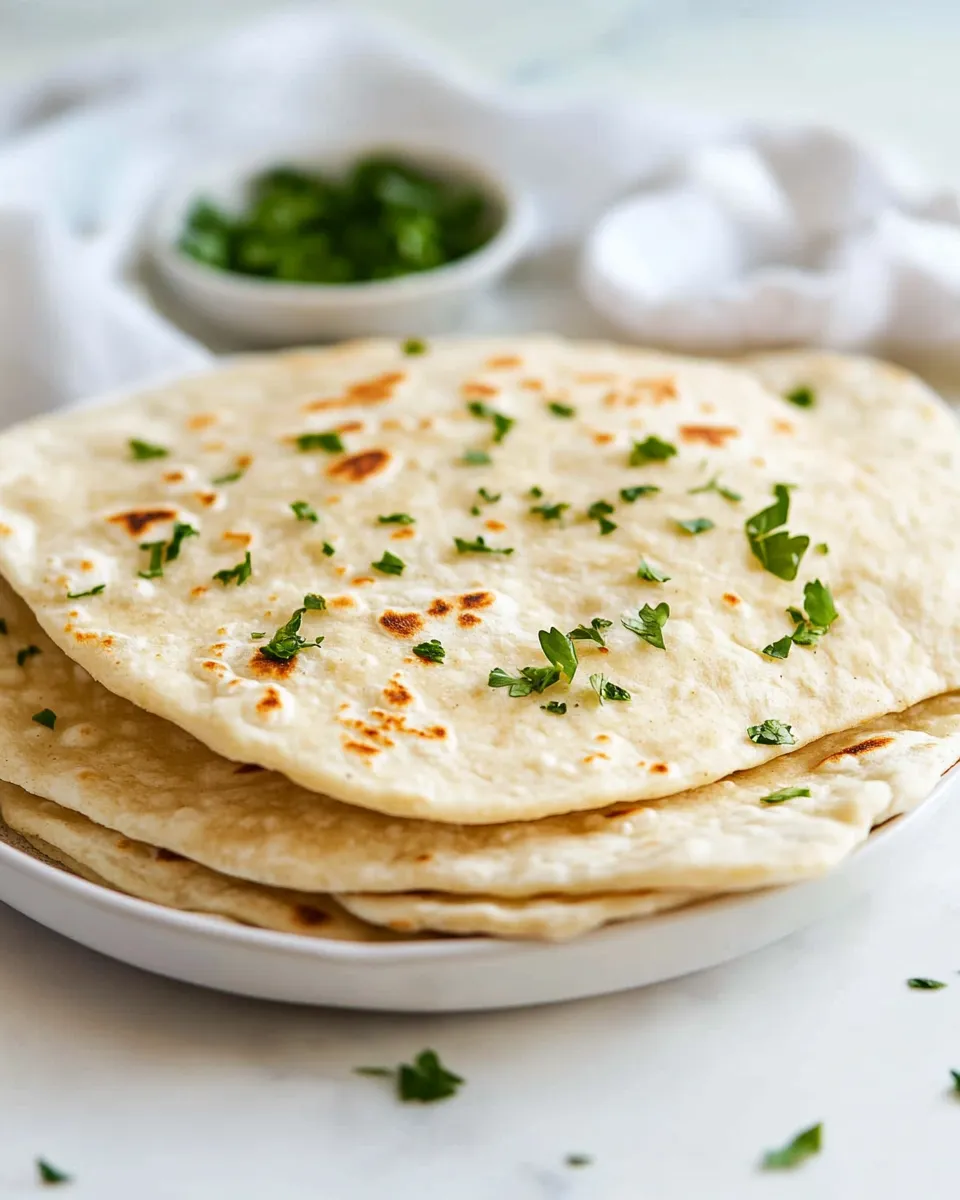
I love recipes that feel a little like cheating in the best way possible: minimal ingredients, fast turnaround, and a result that somehow tastes homemade and comforting. This yogurt flatbread is one of those keeps — a tender, slightly tangy bread you can make on the stovetop in about half an hour from start to finish. It uses plain whole milk yogurt to replace much of the liquid and fat you’d normally add, which makes the dough forgiving and quick to bring together.
There’s no yeast, no long proofing, and no special equipment. You mix the flours with baking powder and salt, add the yogurt, knead briefly, let the dough rest, then cook each flatbread in a hot skillet until it’s puffed and golden. Four flatbreads come from this batch, which is perfect for a weeknight dinner, a fast lunch, or to serve with soups, stews, or dips.
I’ll walk you through the exact ingredients and step-by-step directions, then share practical swaps, common missteps and fixes, and ways to personalize these flatbreads. If you want a reliable, everyday bread that’s easy to scale and even easier to love, this one will be in your regular rotation fast.
The Essentials
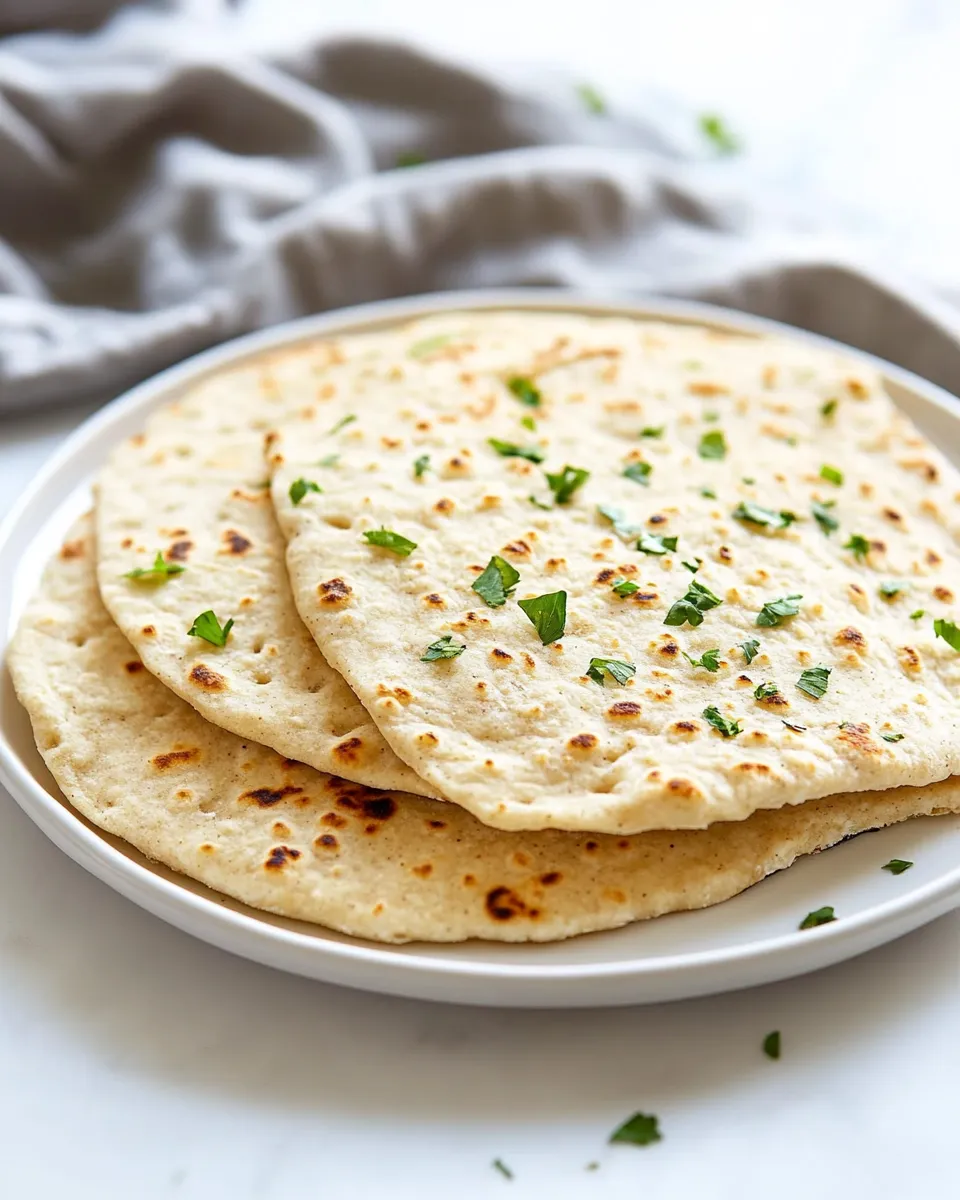
This Yogurt Flatbread is: quick to mix, knead and pan-cook; yeast-free; and slightly tangy thanks to whole milk yogurt. The texture is tender with a little chew from the whole wheat flour, and the baking powder gives just enough lift so the breads puff slightly while cooking.
Yield: 4 flatbreads (the recipe divides the dough into 4 equal pieces). Timing you can expect from start to finish: active mixing and kneading about 10 minutes, a short 10-minute rest, then around 2–3 minutes per side to cook each bread. Total hands-on time is compact and well-suited to dinner prep or an impromptu snack.
Ingredients
- 1 cup all-purpose flour — provides the main structure and tenderness.
- 3/4 cup whole wheat flour — adds nuttiness, a bit of chew, and color.
- 3/4 teaspoon baking powder — the leavening agent; gives light puff and lift.
- 1 teaspoon salt — balances flavor and strengthens the dough.
- 1 cup plain whole milk yogurt — the liquid and fat in one; creates a soft, tangy dough.
- Freshly chopped parsley — optional; a fresh garnish that brightens the finished breads.
Directions: Yogurt Flatbread
- In a large mixing bowl, whisk together 1 cup all-purpose flour, 3/4 cup whole wheat flour, 3/4 teaspoon baking powder, and 1 teaspoon salt until evenly combined.
- Add 1 cup plain whole milk yogurt to the dry ingredients. Stir with a spoon until the mixture forms a shaggy, cohesive dough.
- Turn the dough onto a lightly floured surface (use a little of the measured flour for dusting) and knead about 5 minutes, until the dough is smooth and slightly elastic.
- Cover the dough with a clean cloth and let it rest at room temperature for 10 minutes.
- Divide the rested dough into 4 equal pieces. Shape each piece into a ball, then roll each ball into a thin circle on the lightly floured surface.
- Heat a nonstick skillet over medium heat until hot. Place one rolled flatbread in the skillet and cook until the bottom is golden brown and the surface begins to puff, about 2–3 minutes.
- Flip the flatbread and cook the second side until golden brown and cooked through, about 2–3 minutes more. Adjust the heat as needed so the flatbread browns without burning.
- Keep cooked flatbreads covered with a clean cloth while you cook the remaining pieces. Sprinkle with freshly chopped parsley before serving, if using.
Why Cooks Rave About It
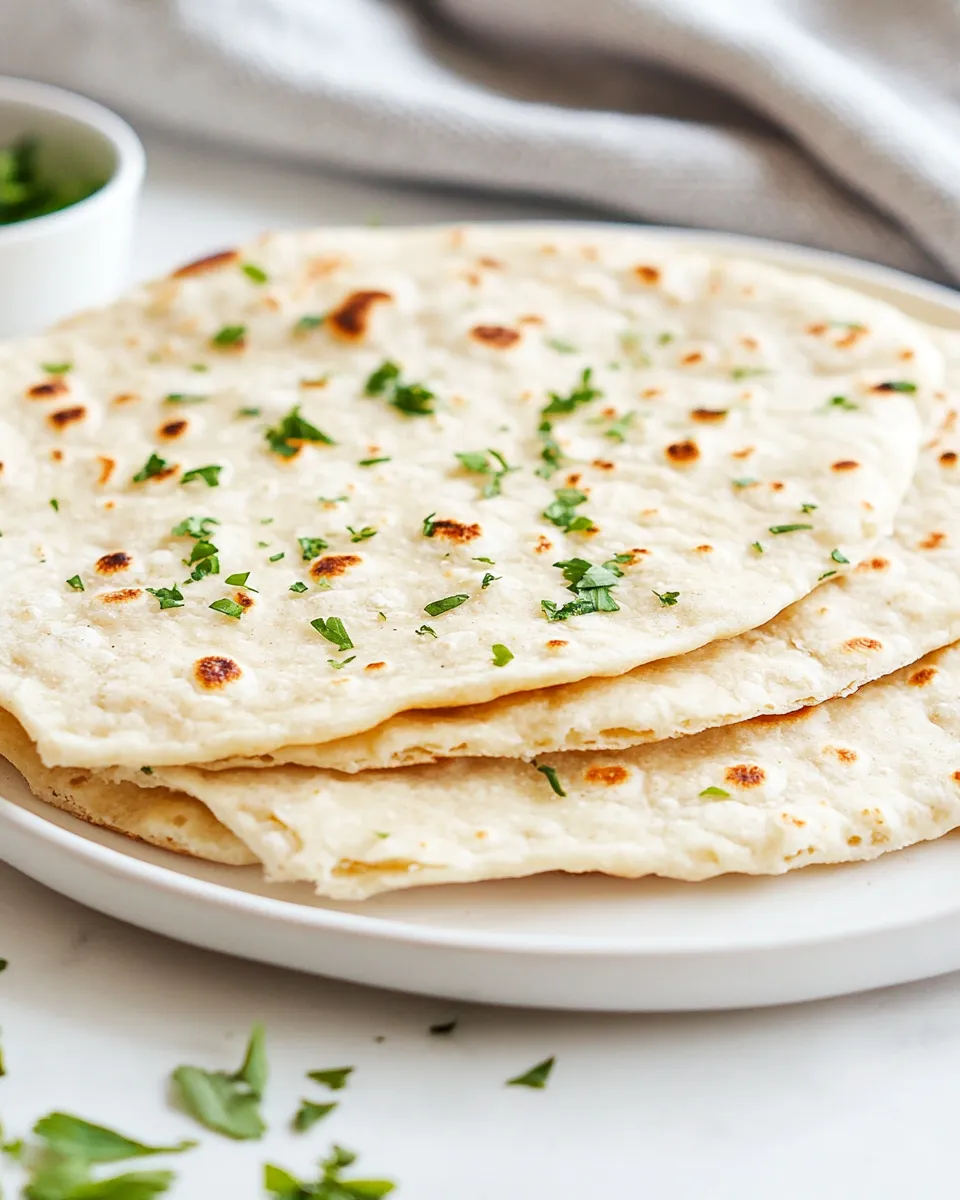
It’s the kind of recipe that wins people over because it’s predictable and forgiving. No need to time yeast or babysit rising dough. The yogurt keeps the crumb soft and adds a gentle tang that lifts the flavor without overpowering anything you serve alongside it.
Texture-wise, you get a nice contrast: the outside gets golden and slightly crisp where it meets the hot skillet, while the interior stays pliable and tender. If you like bread with a bit of chew and character (and who doesn’t?), the whole wheat portion is just enough to provide that without making the flatbread dense.
Finally, versatility makes it a favorite. Use it as a wrap, tear it into pieces for dipping, or serve it under a saucy stew. It performs well with bold flavors like garlic, za’atar, or smoky eggplant, and it complements delicate salads and fresh cheeses, too.
Healthier Substitutions
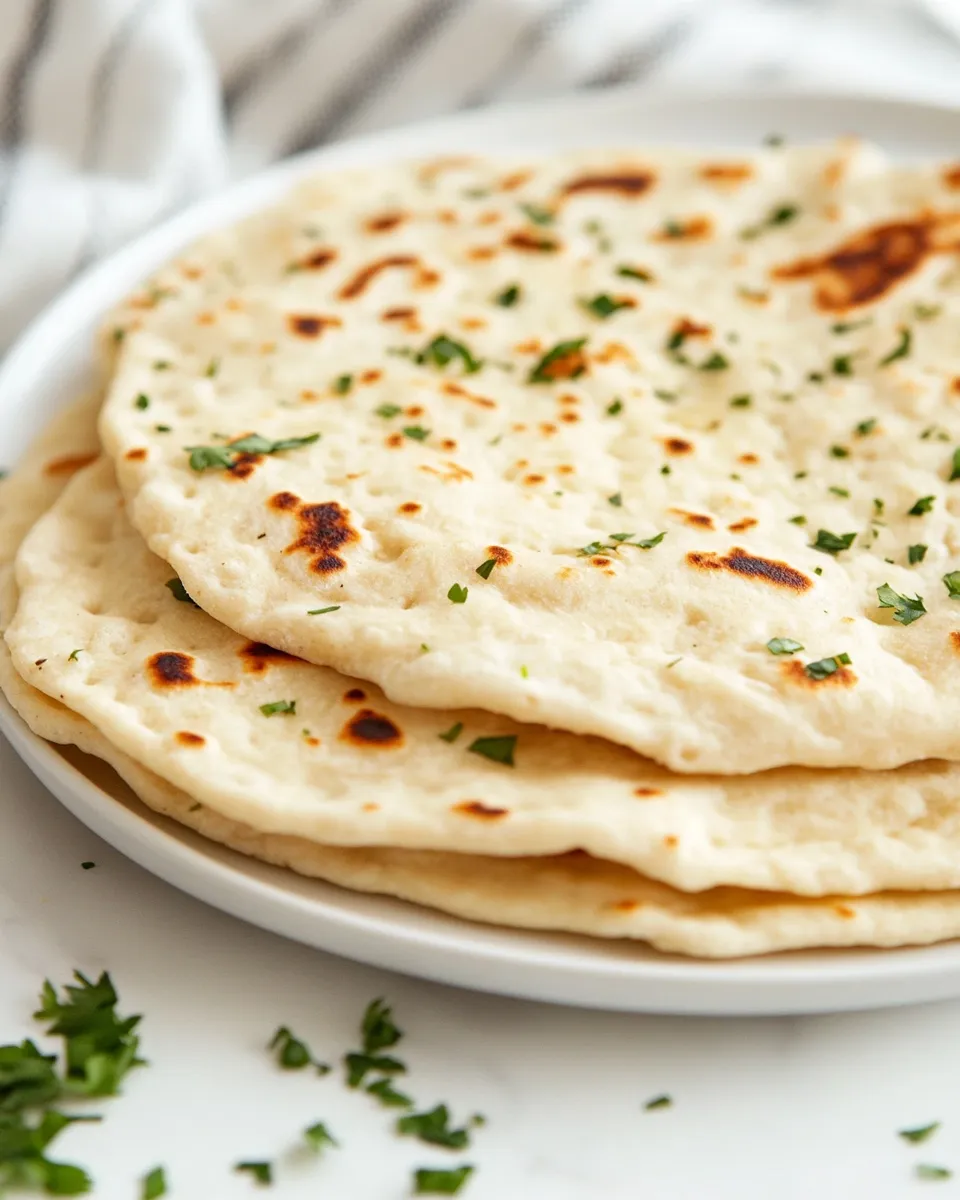
This recipe already leans toward a wholesome profile thanks to the whole wheat flour and yogurt. If you want to tweak it further for health goals, here are practical swaps that won’t throw off the dough.
– For lower fat: swap the whole milk yogurt for a plain low-fat yogurt. The dough will be slightly less rich, but it will still bind and create a good texture. Expect a marginally less tender crumb.
– If you want more whole grains: increase the whole wheat flour by up to 1/4 cup (reducing all-purpose by the same amount). The dough will be a touch denser and you may need slightly more pressure when rolling, but the flavor deepens.
– To boost fiber and nutrients: fold in a tablespoon or two of ground flaxseed or oat bran while mixing the dry ingredients. Keep changes small to avoid drying the dough; add a tiny splash of water or a touch more yogurt only if the dough feels too stiff.
Equipment & Tools
You don’t need fancy gear for these flatbreads. A standard nonstick skillet is ideal because it heats evenly and browns without sticking, but a well-seasoned cast-iron pan works beautifully if you prefer a bit more char.
Other useful items:
- Mixing bowl for combining dry ingredients.
- Whisk or fork to blend flours, baking powder, and salt.
- Spoon for stirring in the yogurt.
- Lightly floured surface and a rolling pin for shaping, or your hands if you prefer to pat the dough thin.
- Clean kitchen cloth or tea towel to cover the dough and keep cooked breads warm.
Missteps & Fixes
Even a simple recipe can go sideways. Here are the most common issues and exactly how to fix them so you end up with lovely flatbreads every time.
– Dough too sticky or wet: If the dough sticks badly to your hands and the bench, dust your work surface and hands sparingly with a little of the measured flour. Add flour one tablespoon at a time while kneading until it’s manageable. Don’t overdo it; you want soft, not dry.
– Dough too dry or crumbly: That usually means the yogurt or humidity was slightly low. Add a teaspoon of water or a small spoonful of yogurt and knead until the dough comes together. Let it rest; the flour will hydrate and become more cohesive.
– Flatbreads burn on the outside but stay raw inside: The skillet is too hot. Reduce the heat by one notch and allow the pan to settle a minute. A medium heat is best; it gives the interior time to cook while the surface browns.
– Flatbreads don’t puff: Thin rolling or overworking the dough will prevent puffing. Roll to a moderate thinness and handle gently. Letting the dough rest as directed relaxes gluten and helps puffing in the skillet.
Make It Your Way
These flatbreads are a blank canvas. Below are simple, reliable ways to adapt them to different meals or flavor profiles.
Toppings and Finishes
- Brush with garlic butter and sprinkle sea salt for an instant savory side.
- Scatter chopped parsley (as the recipe suggests) or replace with chopped cilantro for a different herb note.
- Sprinkle za’atar or sesame seeds on rolled dough before cooking to give each bread a patterned, fragrant crust.
Serving Ideas
- Use as a wrap for roasted veggies, grilled chicken, or falafel.
- Tear and serve with hummus, baba ganoush, or yogurt dips.
- Top with scrambled eggs and herbs for a quick breakfast flatbread.
Insider Tips
A few small habits make a noticeable difference. First, let the dough rest for the full 10 minutes; that brief pause relaxes the gluten and makes rolling easier. Resist the urge to keep adding flour while rolling — a dusting is fine, but too much flour will dry the bread and reduce tenderness.
Heat management matters. Preheat your skillet thoroughly so the first flatbread begins to color immediately, but be ready to lower the heat if it starts browning too quickly. I like keeping cooked breads covered under a clean towel so they stay warm and soft without sweating in a closed container.
If you want consistent thickness, divide the dough on a kitchen scale into four equal weights. It’s a small step that pays off when you cook quickly and want even timing across all pieces.
Make Ahead Like a Pro
There are two convenient make-ahead options: dough or cooked breads.
– To refrigerate dough: After kneading, form the dough into a ball, wrap tightly in plastic or place it in an airtight container, and refrigerate for up to 24 hours. Bring it back to room temperature before dividing and rolling. The dough will be firmer straight from the fridge, so allow time to warm slightly or press with a rolling pin until pliable.
– To store cooked flatbreads: Cool completely, then stack with a piece of parchment between each and refrigerate in an airtight container for up to 3 days. Reheat in a skillet over low-medium heat for a minute or two per side, or wrap in foil and warm in a 325°F (160°C) oven until heated through. For longer storage, freeze flatbreads individually wrapped for up to 2 months and thaw at room temperature before reheating.
Helpful Q&A
Q: Can I use all-purpose flour only?
A: Yes. If you prefer a milder, softer flatbread, use 1 3/4 cups all-purpose flour in place of the blend. The whole wheat adds flavor and texture, but all-purpose will work fine in a pinch.
Q: My flatbreads are dense. What did I do wrong?
A: Dense results usually come from overworking the dough, rolling it too thick, or not cooking long enough on a medium heat so the interior finishes. Knead about 5 minutes as directed, roll to a thin circle, and use moderate heat so the inside cooks while the surface browns.
Q: Can I make these gluten-free?
A: This recipe was developed for wheat flours, so a direct swap won’t work without a tested gluten-free blend and perhaps a binder like xanthan gum. If you want a gluten-free version, use a store-bought 1:1 gluten-free baking flour formulated for yeast-free breads and follow package guidance.
Q: Is yogurt non-negotiable?
A: Yogurt is central to this method; it provides moisture, fat, and acidity that soften the crumb. You can experiment with strained yogurt (Greek) but reduce thickness by thinning slightly with water if the dough feels too stiff. Plain yogurt of any fat level will bind, though whole milk yogurt gives the richest result.
The Takeaway
This Yogurt Flatbread is straightforward, adaptable, and quick — the kind of recipe you’ll turn to on busy nights and lazy weekends alike. With just a handful of pantry staples and a hot skillet, you get warm, tender breads ready to wrap, dip, or top. Keep the method consistent, mind the heat, and you’ll have reliable results every time. Happy cooking and enjoy the simple comfort of fresh flatbreads.

Yogurt Flatbread
Ingredients
Ingredients
- 1 cupall-purpose flour
- 3/4 cupwhole wheat flour
- 3/4 teaspoonbaking powder
- 1 teaspoonsalt
- 1 cupplain whole milk yogurt
- Freshly chopped parsleyoptional
Instructions
Instructions
- In a large mixing bowl, whisk together 1 cup all-purpose flour, 3/4 cup whole wheat flour, 3/4 teaspoon baking powder, and 1 teaspoon salt until evenly combined.
- Add 1 cup plain whole milk yogurt to the dry ingredients. Stir with a spoon until the mixture forms a shaggy, cohesive dough.
- Turn the dough onto a lightly floured surface (use a little of the measured flour for dusting) and knead about 5 minutes, until the dough is smooth and slightly elastic.
- Cover the dough with a clean cloth and let it rest at room temperature for 10 minutes.
- Divide the rested dough into 4 equal pieces. Shape each piece into a ball, then roll each ball into a thin circle on the lightly floured surface.
- Heat a nonstick skillet over medium heat until hot. Place one rolled flatbread in the skillet and cook until the bottom is golden brown and the surface begins to puff, about 2–3 minutes.
- Flip the flatbread and cook the second side until golden brown and cooked through, about 2–3 minutes more. Adjust the heat as needed so the flatbread browns without burning.
- Keep cooked flatbreads covered with a clean cloth while you cook the remaining pieces. Sprinkle with freshly chopped parsley before serving, if using.
Equipment
- Large Mixing Bowl
- Spoon
- nonstick skillet
- clean cloth