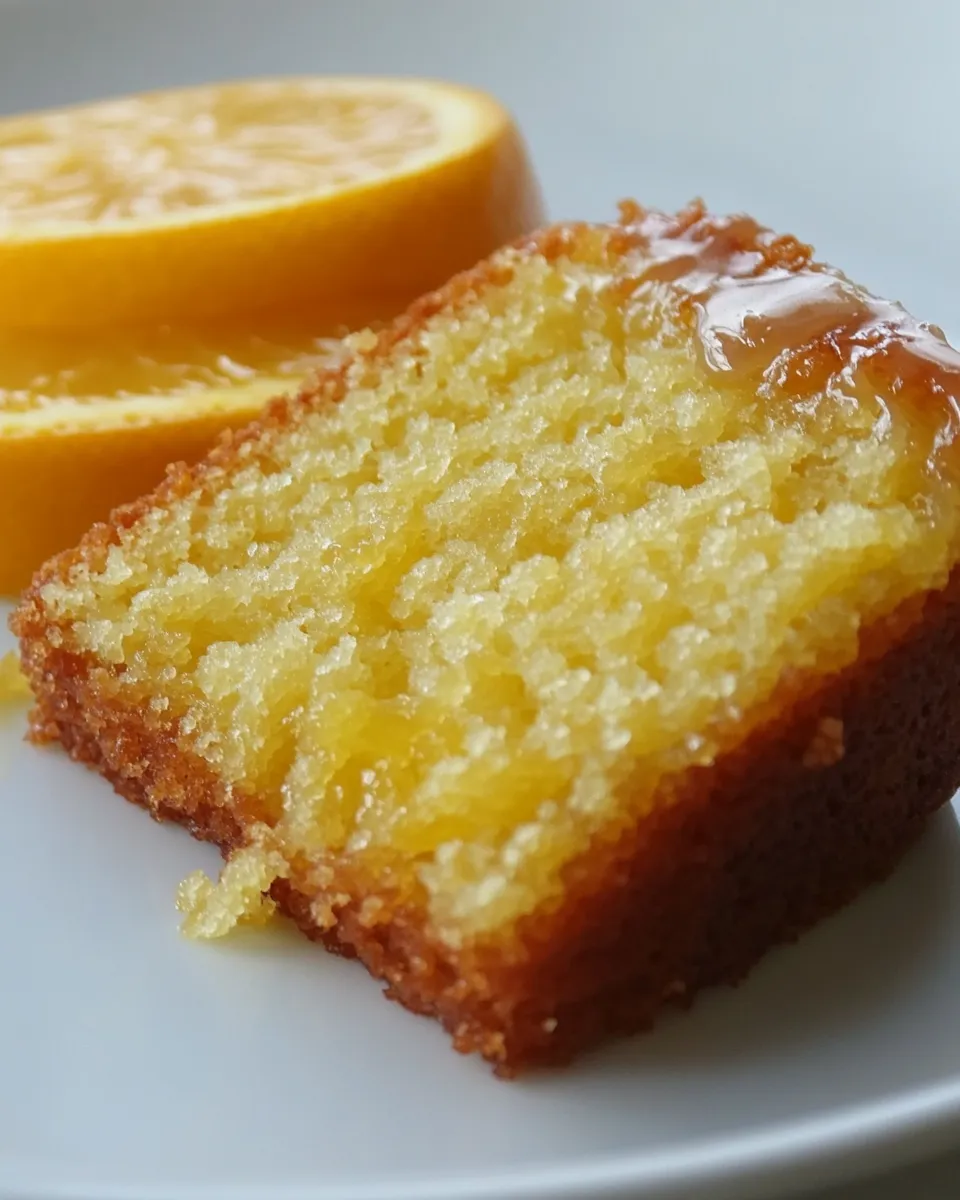
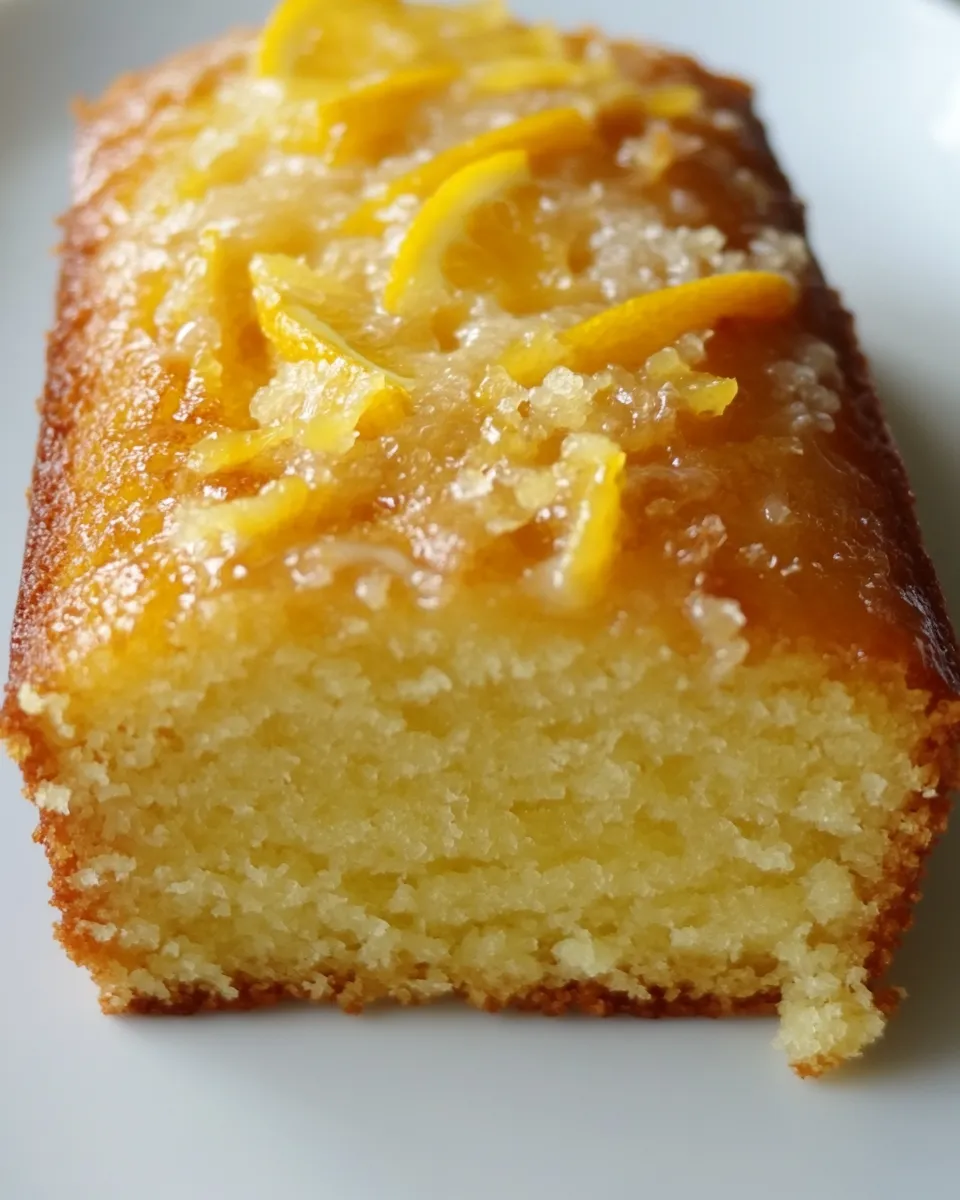
This is the sort of loaf that feels like a small celebration every time you slice it: bright, tender crumb, and a shiny, slightly crackly top where the orange drizzle has settled in. It’s straightforward to make, forgiving in the oven, and rewards good fruit with a simple sugar finish that wakes the whole cake up.
I make this when I want something homely but a little special—tea-time worthy without the faff. The recipe uses simple storecupboard ingredients and one orange, but the zest-and-juice combo is what lifts it. The result is a soft, buttery loaf with a juicy, citrus-sparked finish.
Below you’ll find everything: an exact ingredient list with notes, the step-by-step directions as written, practical equipment and shopping tips, troubleshooting, and sensible make-ahead advice. No fluff—just the kind of clear guidance that gets the cake out of the tin and onto the table.
Ingredients
- 225 grams butter — room temperature, softened; creaming this with sugar traps air for a lighter crumb.
- 225 grams caster sugar — fine sugar dissolves quickly and helps the cake rise evenly.
- 225 grams self-raising flour — provides lift; fold gently to avoid knocking out the air.
- 4 large eggs — room temperature; add one at a time to keep the batter emulsified.
- Finely grated zest of 1 orange — gives concentrated citrus aroma without extra acidity.
- 1 orange (juiced) — the juice is used for the drizzle to soak into the warm loaf.
- 85 grams caster sugar — mixed with the orange juice to make the drizzle; some graininess helps a light crunchy top.
What to Buy
Buy the freshest orange you can find—thick-skinned, heavy for its size and fragrant. That gives you the most zest and juice. Self-raising flour is fine to buy ready-made; it keeps the recipe simple and consistent.
Use good-quality butter. The recipe relies on fat for texture and flavor, so don’t substitute low-fat spreads at this stage if you want the classic result. Caster sugar is standard in UK baking; if you don’t have it you can use granulated, but the texture will be slightly coarser.
The tin size matters: an 8 x 21 cm loaf tin is specified in the directions. A much larger or smaller tin will change the bake time and texture. If you don’t own that exact size, choose a tin with similar volume and watch the cake from 40 minutes onward.
Mastering Zesty Orange Drizzle Cake: How-To
- Preheat the oven to 180°C (160°C fan). Grease and line an 8 x 21 cm loaf tin.
- Place 225 grams softened butter and 225 grams caster sugar in a mixing bowl or the bowl of a stand mixer. Cream together until pale and fluffy (about 3–5 minutes with a mixer).
- Add the 4 large eggs one at a time, mixing well after each addition and scraping down the bowl as needed so the mixture is evenly combined.
- Stir in the finely grated zest of 1 orange until evenly distributed.
- Sift 225 grams self-raising flour over the wet ingredients. Fold the flour in gently by hand with a spatula until just combined and there are no large streaks of flour—do not overmix.
- Spoon the batter into the prepared loaf tin and smooth the top with a spatula.
- Bake for 45–50 minutes, or until the cake is golden and a skewer inserted into the centre comes out clean. If the top is browning too quickly, cover loosely with foil for the remaining time.
- While the cake bakes (or just before it comes out), mix the juice of 1 orange with 85 grams caster sugar in a small bowl. Stir until the sugar is combined with the juice (some sugar may remain slightly grainy to give a light crunchy top).
- When the cake is still warm, pierce the surface all over with a skewer or knife. Slowly pour the orange-and-sugar drizzle evenly over the cake, allowing it to soak in.
- Allow the cake to cool completely in the tin so the drizzle sets. Once cool, remove from the tin, slice and serve.
Why Zesty Orange Drizzle Cake is Worth Your Time
It’s efficient: basic pantry ingredients do almost all the work, and the steps are straightforward. The bright return you get from one orange—zest for fragrance, juice for moisture and shine—feels like luxury for very little extra effort.
The texture is reliably good: creamed butter and sugar give air and tenderness, eggs bind and enrich, and self-raising flour simplifies leavening. The drizzle transforms an ordinary loaf into something moist, a touch sticky, and visually appealing.
Finally, it’s versatile. It works as a teatime treat, a breakfast slice with coffee, or a simple dessert. It travels well and keeps its structure when sliced, so it’s a dependable choice for potlucks or packed lunches.
Quick Replacement Ideas
- Swap caster sugar for fine granulated sugar if you’re in a pinch; texture changes slightly but the cake will still be sweet and tender.
- If you only have plain flour, use it with a reliable raising agent—but follow a tested conversion rather than guessing proportions (store-bought self-raising is easiest).
- For a slightly different citrus note, use a mix of orange and lemon zest in the batter; keep the same quantities.
Before You Start: Equipment
Gather these items before you begin. It speeds the process and reduces mistakes.
- 8 x 21 cm loaf tin — the recipe’s times and rise are based on this size.
- Mixing bowl or stand mixer — creaming is faster and more consistent with a mixer, but a wooden spoon works too.
- Spatula — for folding flour and smoothing the batter.
- Skewer or thin knife — to pierce the cake for the drizzle to sink in.
- Small bowl — for mixing the orange juice and sugar for the drizzle.
- Zester or fine grater — to get very fine orange zest without the bitter pith.
Troubleshooting Tips
Top browning too quickly: tent the cake loosely with foil once it reaches a golden colour, then continue baking until a skewer comes out clean.
Dense or heavy texture: ensure butter and sugar are creamed until pale and fluffy. Don’t overfold once you add the flour—fold until just combined to keep air in the batter.
Undercooked centre: test with a skewer. If it comes out wet, return the cake to the oven and check every 5 minutes. If the outside is dark but the middle is raw, lower the oven temperature by 10–20°C and finish baking more slowly.
Drizzle sliding off or not absorbing: pierce while the cake is still warm and pour slowly. If the drizzle pools on the surface, give it a few minutes; the cake will absorb more as it cools. If it’s too granular, stir the sugar until it’s better incorporated—some graininess is intended.
Better-for-You Options
If you want to lighten things slightly, reduce the drizzle sugar by a third—there’s still a citrus lift without as much surface sweetness. Another small change is using a slightly lower amount of butter, but accept the trade-off: less butter = firmer crumb and less richness.
To add fibre, serve slices with Greek yogurt instead of cream or butter. That keeps the citrus focus while adding protein and tang.
Flavor Logic
Zest and juice play different roles. The finely grated zest carries aromatic oils that perfume the cake without adding moisture. The juice, mixed with sugar and poured in while the cake is warm, soaks into the crumb and crystallises slightly on the surface for a glossy finish and a concentrated burst of orange.
Butter and eggs create the cake’s structure and mouthfeel. Caster sugar dissolves into the batter and helps with aeration during creaming. Self-raising flour offers consistent lift, so you don’t have to measure baking powder separately.
Make Ahead Like a Pro
You can bake the cake a day ahead: cool it fully in the tin so the drizzle sets, then store it wrapped in foil or an airtight container at room temperature. This keeps it moist and allows the flavours to settle.
For longer storage, slice and freeze in an airtight container with parchment between slices. Defrost at room temperature or warm gently in a low oven. If you plan to freeze, consider adding the citrus drizzle after thawing to retain maximum brightness.
Common Qs About Zesty Orange Drizzle Cake
Can I make this in a different sized tin?
Yes, but the bake time will change. A wider, shallower tin will bake faster; a deeper, smaller tin will take longer. Start checking 10 minutes before the stated time for shallow tins, and be prepared to extend baking for deeper ones.
Can I use baking powder and plain flour instead of self-raising flour?
In principle yes, but you need to add the correct amount of baking powder for the volume of flour. If you’re not confident with conversions, use self-raising to keep the method simple and reliable.
Do the eggs have to be room temperature?
Room-temperature eggs incorporate more smoothly into the batter and help avoid the mix splitting when you add them. If you’re short on time, you can warm them briefly in a bowl of warm water for a few minutes.
How should I serve it?
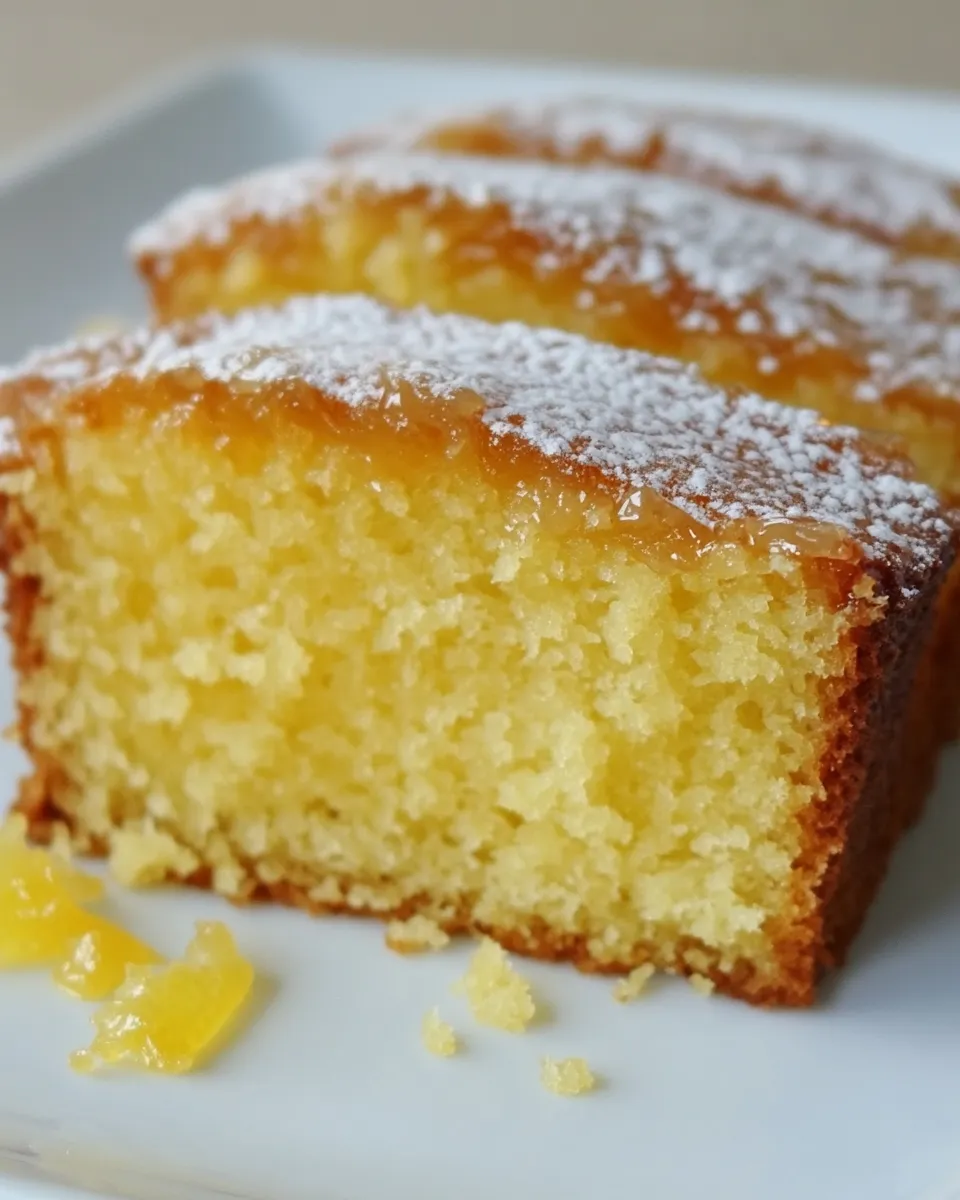
Plain is lovely with tea. For a special touch, serve with a spoonful of thick cream or a dollop of yogurt. A light dusting of icing sugar is optional but pretty.
Bring It to the Table
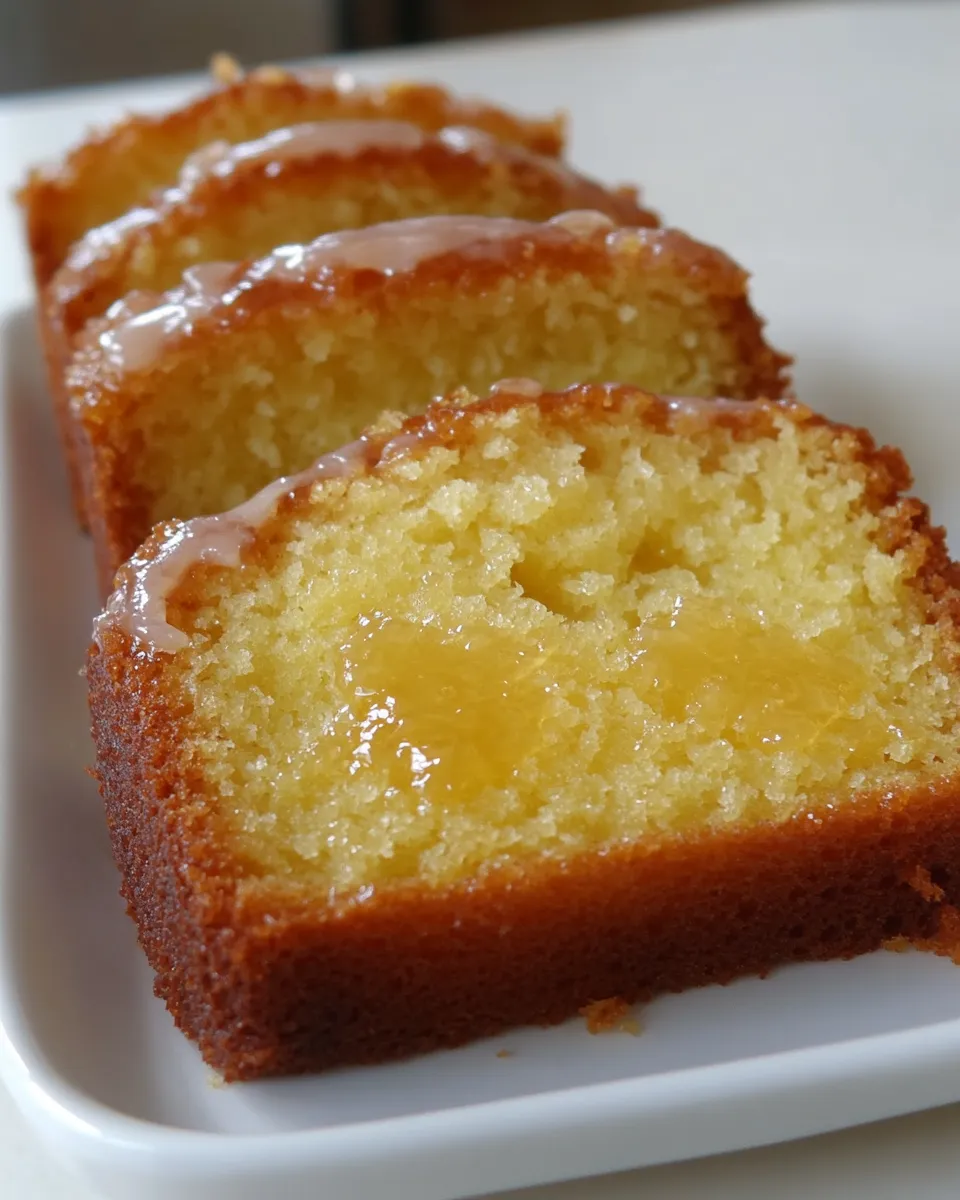
Slice the loaf with a sharp serrated knife for clean cuts. Arrange slices on a simple cake stand or platter; the cake’s glossy drizzle and bright flecks of zest are the decoration. Offer it as part of an afternoon spread, or slice into rectangles for a picnic box.
This is a reliably pleasant cake that rewards small care: finely grate the zest, don’t overwork the batter, and make sure the cake is warm when you drizzle. Do that and you’ll have a loaf that looks and tastes like you spent more time on it than you actually did.

Zesty Orange Drizzle Cake a classic British treat
Ingredients
Ingredients
- 225 gramsbutterroom temperature softened
- 225 gramscaster sugar
- 225 gramsself-raising flour
- 4 large eggsroom temperature
- Finely grated zest of 1 orange
- 1 orange juiced
- 85 gramscaster sugar
Instructions
Instructions
- Preheat the oven to 180°C (160°C fan). Grease and line an 8 x 21 cm loaf tin.
- Place 225 grams softened butter and 225 grams caster sugar in a mixing bowl or the bowl of a stand mixer. Cream together until pale and fluffy (about 3–5 minutes with a mixer).
- Add the 4 large eggs one at a time, mixing well after each addition and scraping down the bowl as needed so the mixture is evenly combined.
- Stir in the finely grated zest of 1 orange until evenly distributed.
- Sift 225 grams self-raising flour over the wet ingredients. Fold the flour in gently by hand with a spatula until just combined and there are no large streaks of flour—do not overmix.
- Spoon the batter into the prepared loaf tin and smooth the top with a spatula.
- Bake for 45–50 minutes, or until the cake is golden and a skewer inserted into the centre comes out clean. If the top is browning too quickly, cover loosely with foil for the remaining time.
- While the cake bakes (or just before it comes out), mix the juice of 1 orange with 85 grams caster sugar in a small bowl. Stir until the sugar is combined with the juice (some sugar may remain slightly grainy to give a light crunchy top).
- When the cake is still warm, pierce the surface all over with a skewer or knife. Slowly pour the orange-and-sugar drizzle evenly over the cake, allowing it to soak in.
- Allow the cake to cool completely in the tin so the drizzle sets. Once cool, remove from the tin, slice and serve.
Equipment
- Oven
- 8 x 21 cm loaf tin
- Mixing Bowl
- stand mixer (optional)
- Spatula
- skewer
- Small Bowl
- foil (optional)
Notes
In the fridge:Keep it in the fridge for up to 5 days if your kitchen is particularly warm. Allow it to come to room temperature before serving for the best texture.
In the freezer:Wrap the cake (whole or in slices) tightly in clingfilm and place it in a freezer-safe bag. Freeze for up to 3 months. Thaw at room temperature when ready to enjoy.