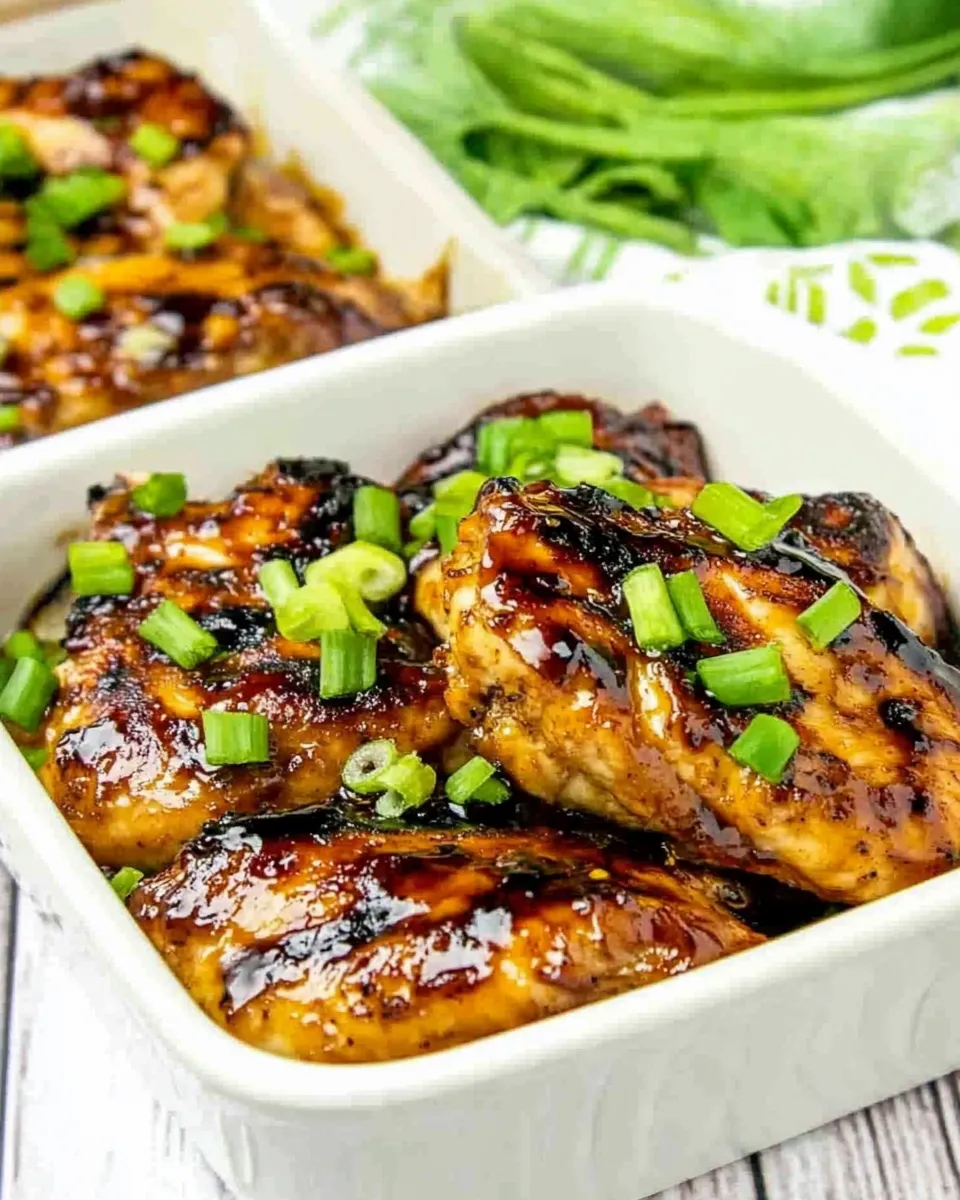
I make this Baked Teriyaki Chicken (Sugar-Free) on busy weeknights and when I want the comfort of a glossy, savory glaze without the sugar crash afterward. It hits the same balance of salty, gingery, and garlicky that I crave, but with a monkfruit-based sweetener so the sauce reduces down to a clean, sticky finish. It’s surprisingly simple and forgiving.
What I love most is the two-part cooking: a quick sear to build color and flavor, then a few short bakes while you brush on the sauce. That low-effort layering is how you get a real glaze without overcooking the chicken. The method is reliable and the ingredients are straightforward, which makes it a dependable weeknight winner.
I’ll walk you through exact steps, why they matter, and a few swaps and troubleshooting tips I use when things don’t go perfectly. The recipe comes together in roughly 30–40 minutes from start to finish, depending on how long you take to brown the chicken and reduce the sauce.
What Goes In
Ingredients
- 4 skinless, boneless chicken breasts (see notes) — Main protein; trim and even out thickness for consistent cooking.
- 1/2 cup soy sauce (Use Gluten-Free Soy Sauce if needed, see note.) — Provides the salty, umami backbone of the sauce.
- 2/3 cup water — Dilutes the soy so the sauce reduces without burning and helps control salt intensity.
- 1/4 cup Golden Monkfruit Sweetener or sweetener of your choice (see notes) — The sweet component that turns syrupy as it reduces without using sugar.
- 1 T minced ginger or fresh grated ginger root — Fresh ginger adds brightness and a little heat; don’t skip it.
- 1 T minced garlic or fresh garlic, finely diced — Garlic deepens the flavor and pairs perfectly with the ginger.
- 2 T peanut oil (see notes) — Neutral, high-heat oil for browning; it helps get a good sear.
- thinly-sliced green onions for garnish (optional) — Bright garnish that cuts the richness and adds color.
Method: Baked Teriyaki Chicken (Sugar-Free)
- Preheat oven to 375°F (190°C).
- Put 1 tablespoon minced ginger and 1 tablespoon minced garlic into a mortar and pestle, small food processor, or bowl and mash/puree them into a rough paste.
- In a small saucepan combine 1/2 cup soy sauce, 2/3 cup water, 1/4 cup Golden Monkfruit Sweetener (or your chosen sweetener), and the ginger‑garlic paste. Simmer over low heat, stirring occasionally, until the mixture is reduced to about 2/3 cup. Taste and adjust reduction time until the sauce is as strong as you like. Remove from heat and set aside.
- Trim any visible fat or undesirable parts from the 4 skinless, boneless chicken breasts. If some breasts are much thicker than others, trim or butterfly them so pieces are as even in thickness as possible.
- Heat 2 tablespoons peanut oil in a large nonstick frying pan over medium‑high heat until shimmering.
- Brown the chicken breasts in the hot oil, about 3–4 minutes per side, until well browned on the outside but not fully cooked through. Work in batches if needed to avoid crowding the pan. Transfer browned breasts to a cutting board.
- Cut each browned chicken breast lengthwise into four same‑size strips (adjust to 4–5 strips per breast only if needed to make pieces even in size).
- Choose the smallest casserole dish that will hold all chicken strips in a single layer. Arrange the chicken strips in the dish and brush them with about half of the reduced teriyaki sauce.
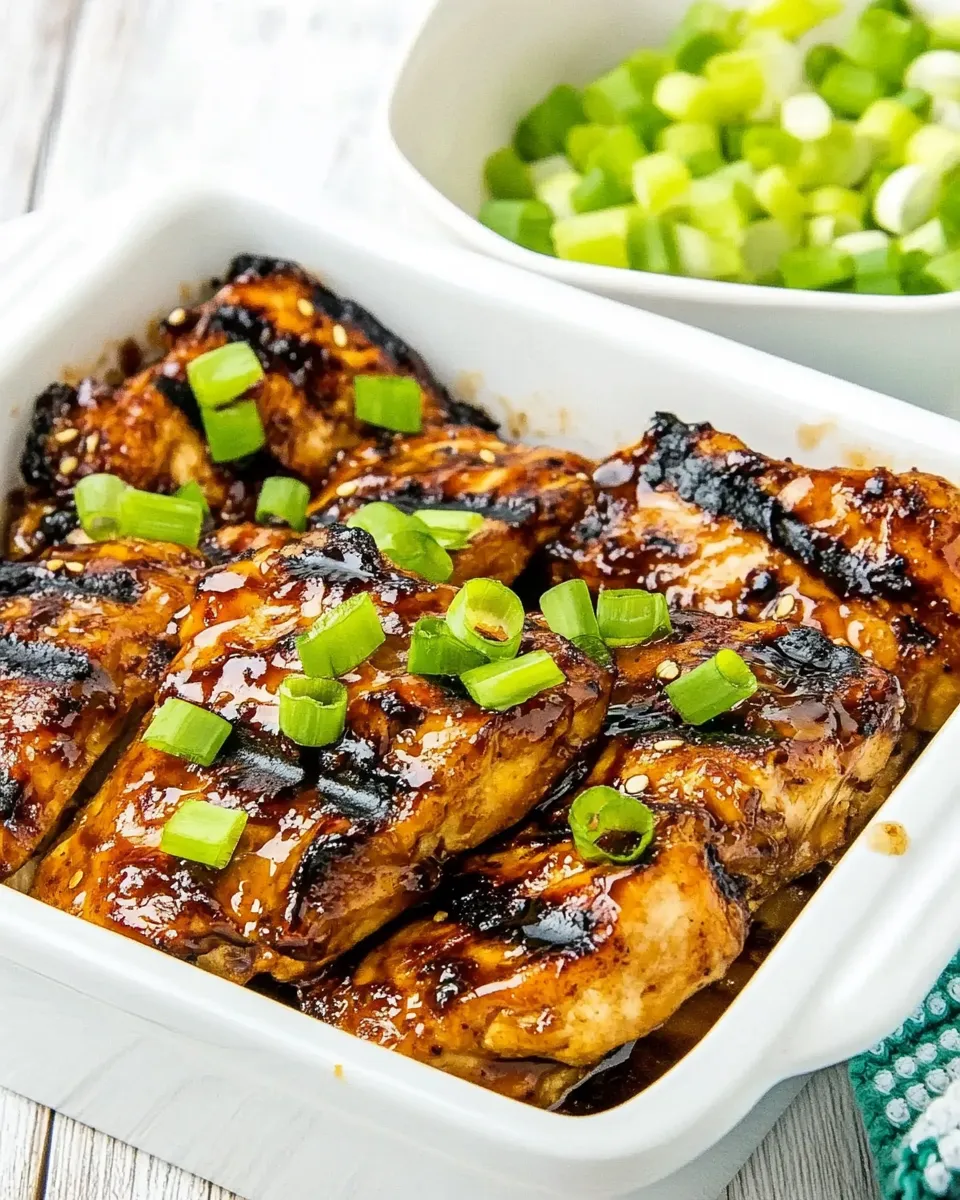
- Bake the chicken at 375°F (190°C) for 5 minutes. Remove from oven, brush generously with more sauce, return to oven and bake 5 more minutes. Remove again, brush with sauce a third time, then bake an additional 2–5 minutes, or until an instant‑read thermometer inserted into the thickest part of a strip registers 165°F (74°C).
- When the chicken is cooked through and glazed, serve hot garnished with thinly‑sliced green onions if desired. Reheat any extra sauce and serve it over the chicken if you like.
Why I Love This Recipe
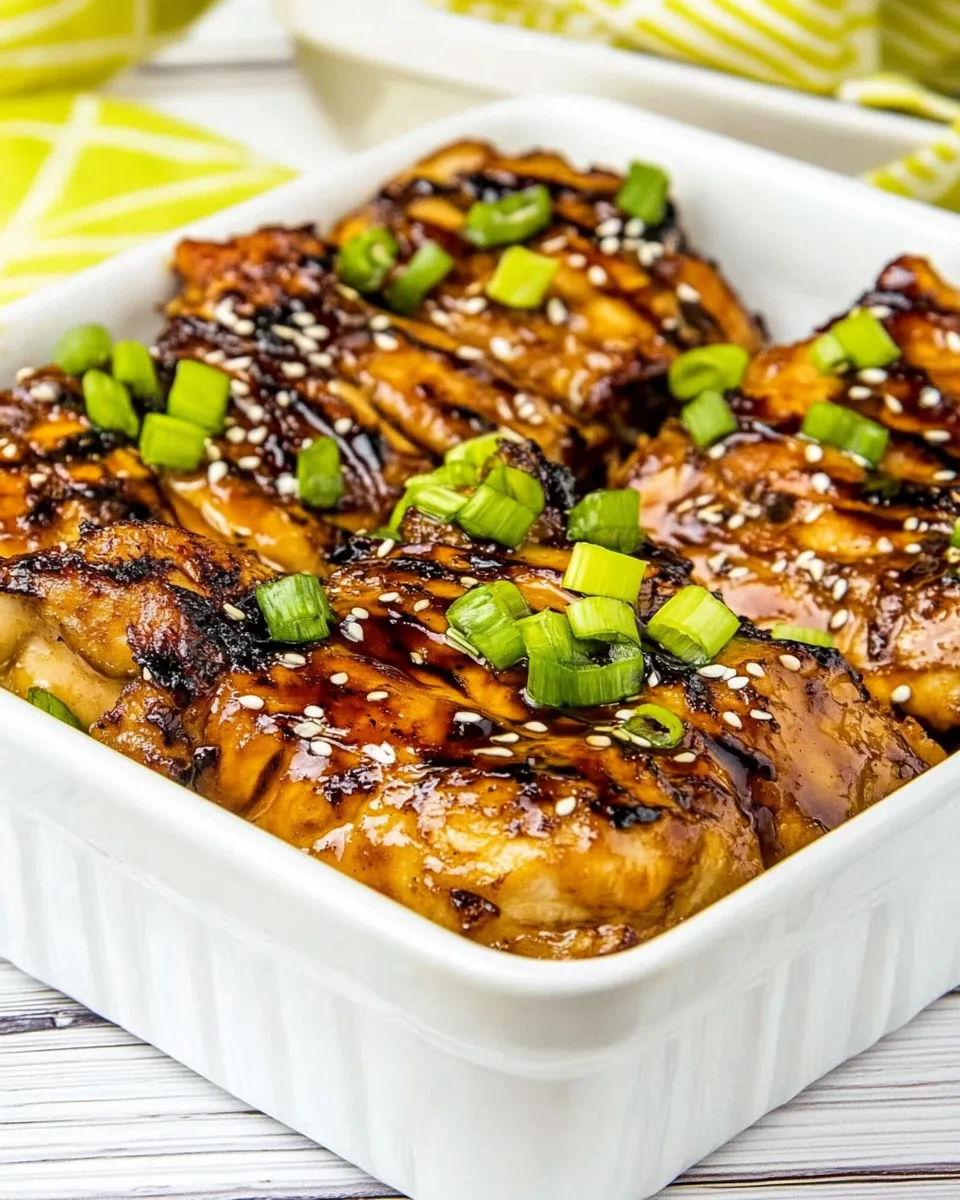
This is a high-flavor, low-fuss way to get a glossy teriyaki glaze without sugar. Browning the chicken first builds Maillard flavor so every bite has depth, and the short bakes with repeated basting create that restaurant-style glaze. Because the sauce is reduced on the stove, you control the intensity and salt level; it’s easy to taste and tweak.
The sugar-free angle keeps the sauce cleaner and less syrup-heavy, while the monkfruit sweetener caramelizes nicely as it reduces. The method is fast enough for a weeknight but produces a result that’s special enough for guests. It’s tidy, portable, and pairs well with simple sides.
If You’re Out Of…
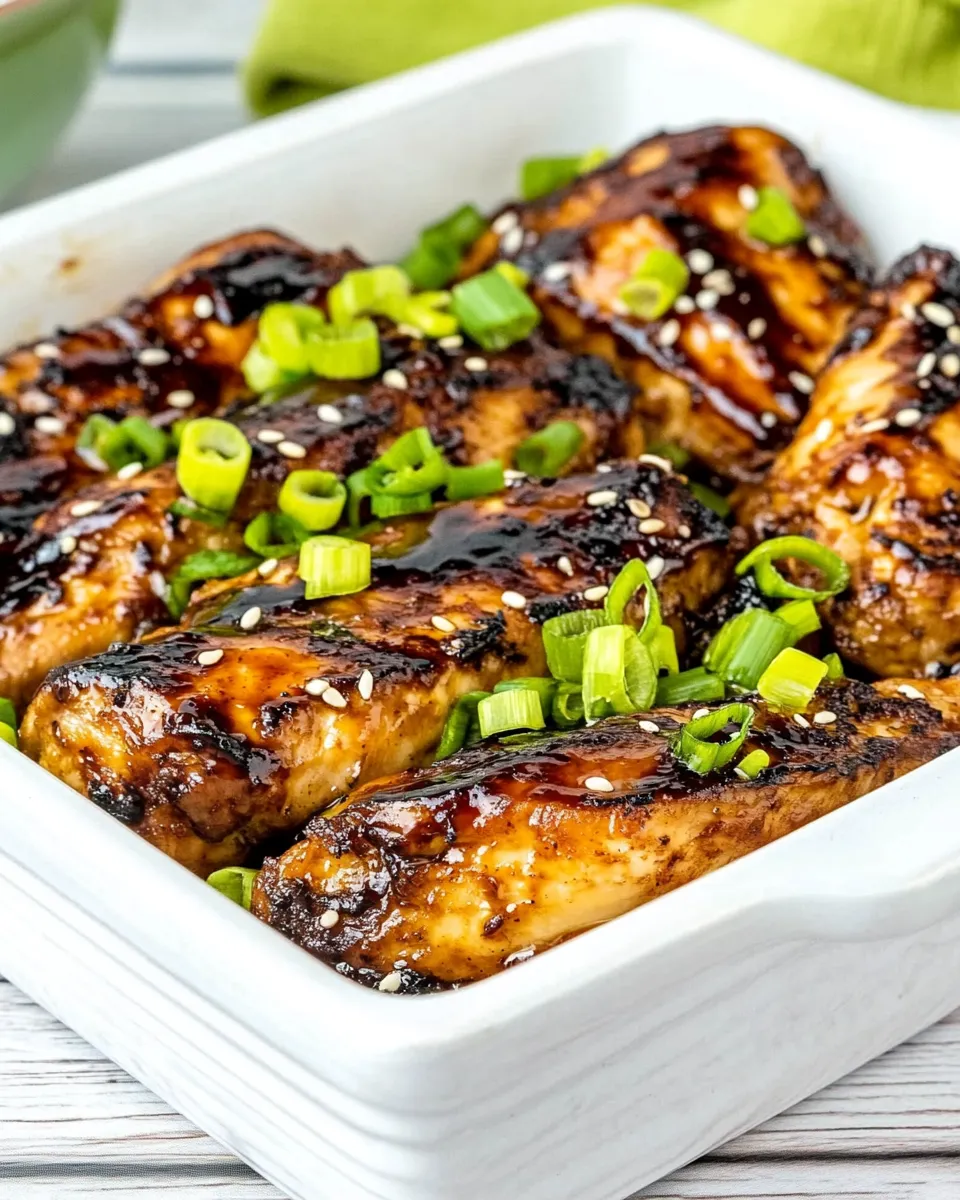
If you don’t have Golden Monkfruit Sweetener, use any granular zero-calorie or low-calorie sweetener you trust (the recipe notes mention other choices). If you need gluten-free, swap to a gluten-free soy sauce as noted. If peanut oil is a problem in your kitchen, use another neutral, high-heat oil; the recipe’s method works with oils that tolerate medium-high heat.
If you’re short on fresh ginger or garlic, you can use frozen minced or jarred versions in a pinch, but fresh will always give the best brightness. If breasts are too thick and you don’t want to butterfly, pound them gently to an even thickness so cooking finishes at the same time.
Gear Up: What to Grab
- Large nonstick frying pan — For browning the chicken without sticking.
- Small saucepan — To reduce the sauce down to a glossy glaze.
- Mortar and pestle OR small food processor OR bowl and spoon — To mash the ginger and garlic into a paste.
- Casserole dish (smallest that holds a single layer) — Keeps the chicken pieces close so glazing works well.
- Basting brush — For brushing sauce between bakes.
- Instant‑read thermometer — The most reliable way to hit 165°F (74°C) without overcooking.
- Cutting board and sharp knife — For trimming and slicing the breasts evenly.
Troubles You Can Avoid
Burnt or bitter sauce: reduce over low heat and watch carefully as it nears target volume. Sugar-free sweeteners can scorch more easily than sugar, so keep the heat gentle and stir occasionally.
Unevenly cooked chicken: trim or butterfly breasts so pieces are similar in thickness. If some pieces are much thicker, they’ll either undercook or force you to overcook the thinner ones.
Soggy sear: don’t crowd the pan when browning. Work in batches so each piece gets good contact with the hot surface and develops a golden crust.
Seasonal Adaptations
Spring and summer: serve the chicken with lightly dressed greens or a cucumber salad to keep the plate fresh. A quick slaw or steamed snap peas pairs nicely without competing with the glaze.
Autumn and winter: serve with roasted root vegetables or a warm grain like brown rice or farro. The richer sides complement the savory glaze and make a hearty meal for colder nights.
Pro Tips & Notes
Timing and Texture
Reduce the sauce until it coats the back of a spoon and tastes concentrated but balanced. Because monkfruit and other sugar-free sweeteners behave differently from sugar, rely on taste and visual syrupiness rather than a fixed reduction time.
Salt and Sweet Balance
Soy sauce brings a lot of salt. If you’re sensitive, reduce the soy slightly or add a splash of water before reducing to keep the final sauce from being overpowering. Taste the reduced sauce and adjust before you start glazing the chicken.
Allergy and Diet Notes
If peanut oil isn’t an option in your kitchen, use another neutral high-heat oil. For gluten-free needs, use a gluten-free soy sauce as specified in the ingredients. The recipe’s quantities should remain unchanged.
Save for Later: Storage Tips
Store leftover chicken in an airtight container in the refrigerator for up to 3–4 days. Keep any extra sauce in a separate container so reheating and saucing are easy; the sauce thickens as it cools and loosens with gentle reheating.
To reheat, warm the sauce gently in a small saucepan until it loosens, then spoon it over chicken warmed in a low oven or a skillet. Avoid microwave reheating for best texture; a quick oven reheat at 300°F (150°C) for 8–10 minutes keeps the glaze shiny and the meat juicy.
Questions People Ask
Can I use dark meat like thighs? Yes. Boneless, skinless thighs will work and stay moist; reduce searing and check temperature because thighs can be a bit more forgiving but may need slightly different timing. The method—sear then bake with repeated glazing—remains the same.
Is the sauce sweet enough without sugar? With a 1/4 cup of Golden Monkfruit Sweetener reduced, the sauce achieves a pleasant sweet-salty balance. If you prefer less sweetness, reduce the sweetener a bit, then taste as the sauce reduces; you can always add more later.
Can I make the sauce ahead? Absolutely. Make and cool it, then refrigerate for up to a week. Reheat gently before brushing on chicken.
Bring It to the Table
Serve the glazed chicken hot with a scattering of thinly-sliced green onions for color and fresh bite. It’s excellent over steamed rice, cauliflower rice, or alongside simple roasted vegetables. For a lighter option, slice and serve on top of a crisp salad with a spoonful of warmed sauce.
This method makes a dependable main that holds up well for family dinners and meal prep alike. The glaze keeps its character, the chicken stays juicy when you watch temperature, and the overall approach rewards careful browning and patient basting. Try it once and you’ll find it becomes a go-to when you want that classic teriyaki flavor without the sugar.
Baked Teriyaki Chicken (Sugar-Free)
Ingredients
Ingredients
- 4 skinless boneless chicken breasts (see notes)
- 1/2 cup soy sauce Use Gluten-Free Soy Sauce if needed, see note.
- 2/3 cup water
- 1/4 cup Golden Monkfruit Sweetener or sweetener of your choice see notes
- 1 T minced ginger or fresh grated ginger root
- 1 T minced garlic or fresh garlic finely diced
- 2 T peanut oil see notes
- thinly-sliced green onions for garnish optional
Instructions
Instructions
- Preheat oven to 375°F (190°C).
- Put 1 tablespoon minced ginger and 1 tablespoon minced garlic into a mortar and pestle, small food processor, or bowl and mash/puree them into a rough paste.
- In a small saucepan combine 1/2 cup soy sauce, 2/3 cup water, 1/4 cup Golden Monkfruit Sweetener (or your chosen sweetener), and the ginger‑garlic paste. Simmer over low heat, stirring occasionally, until the mixture is reduced to about 2/3 cup. Taste and adjust reduction time until the sauce is as strong as you like. Remove from heat and set aside.
- Trim any visible fat or undesirable parts from the 4 skinless, boneless chicken breasts. If some breasts are much thicker than others, trim or butterfly them so pieces are as even in thickness as possible.
- Heat 2 tablespoons peanut oil in a large nonstick frying pan over medium‑high heat until shimmering.
- Brown the chicken breasts in the hot oil, about 3–4 minutes per side, until well browned on the outside but not fully cooked through. Work in batches if needed to avoid crowding the pan. Transfer browned breasts to a cutting board.
- Cut each browned chicken breast lengthwise into four same‑size strips (adjust to 4–5 strips per breast only if needed to make pieces even in size).
- Choose the smallest casserole dish that will hold all chicken strips in a single layer. Arrange the chicken strips in the dish and brush them with about half of the reduced teriyaki sauce.
- Bake the chicken at 375°F (190°C) for 5 minutes. Remove from oven, brush generously with more sauce, return to oven and bake 5 more minutes. Remove again, brush with sauce a third time, then bake an additional 2–5 minutes, or until an instant‑read thermometer inserted into the thickest part of a strip registers 165°F (74°C).
- When the chicken is cooked through and glazed, serve hot garnished with thinly‑sliced green onions if desired. Reheat any extra sauce and serve it over the chicken if you like.
Equipment
- Oven
- mortar and pestle or small food processor
- Small Saucepan
- large nonstick frying pan
- Cutting Board
- Casserole dish
- Basting brush
- Instant-read thermometer
Notes
Golden Monkfruit Sweetener can be substituted with another sweetener of your choice.
Peanut oil is suggested; use a preferred high-heat oil if needed.