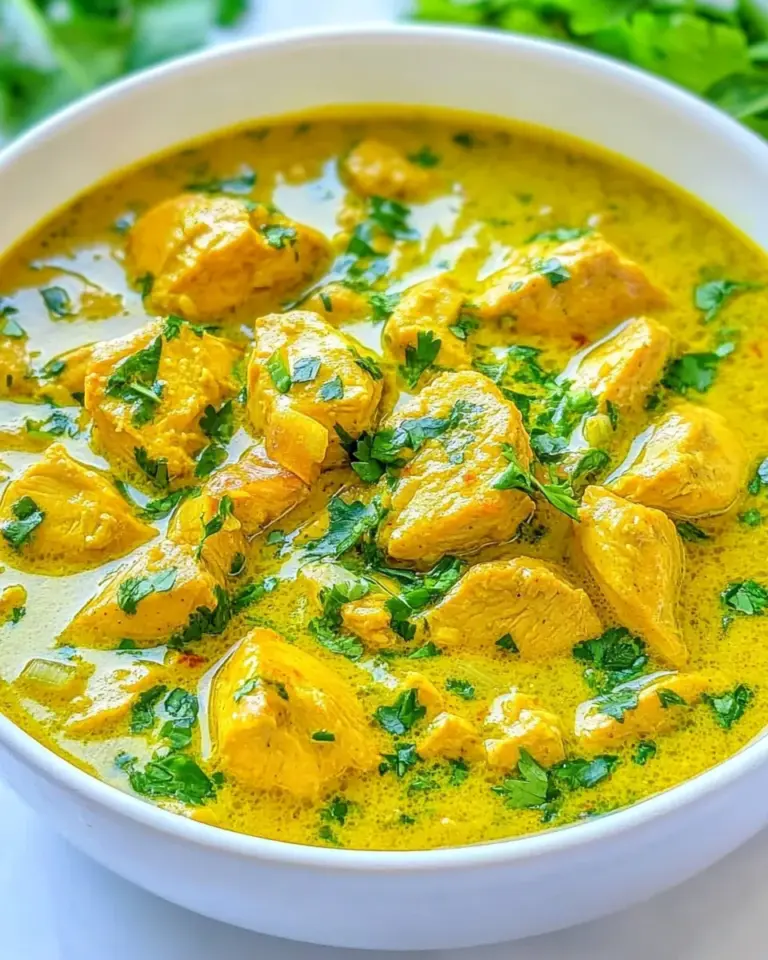
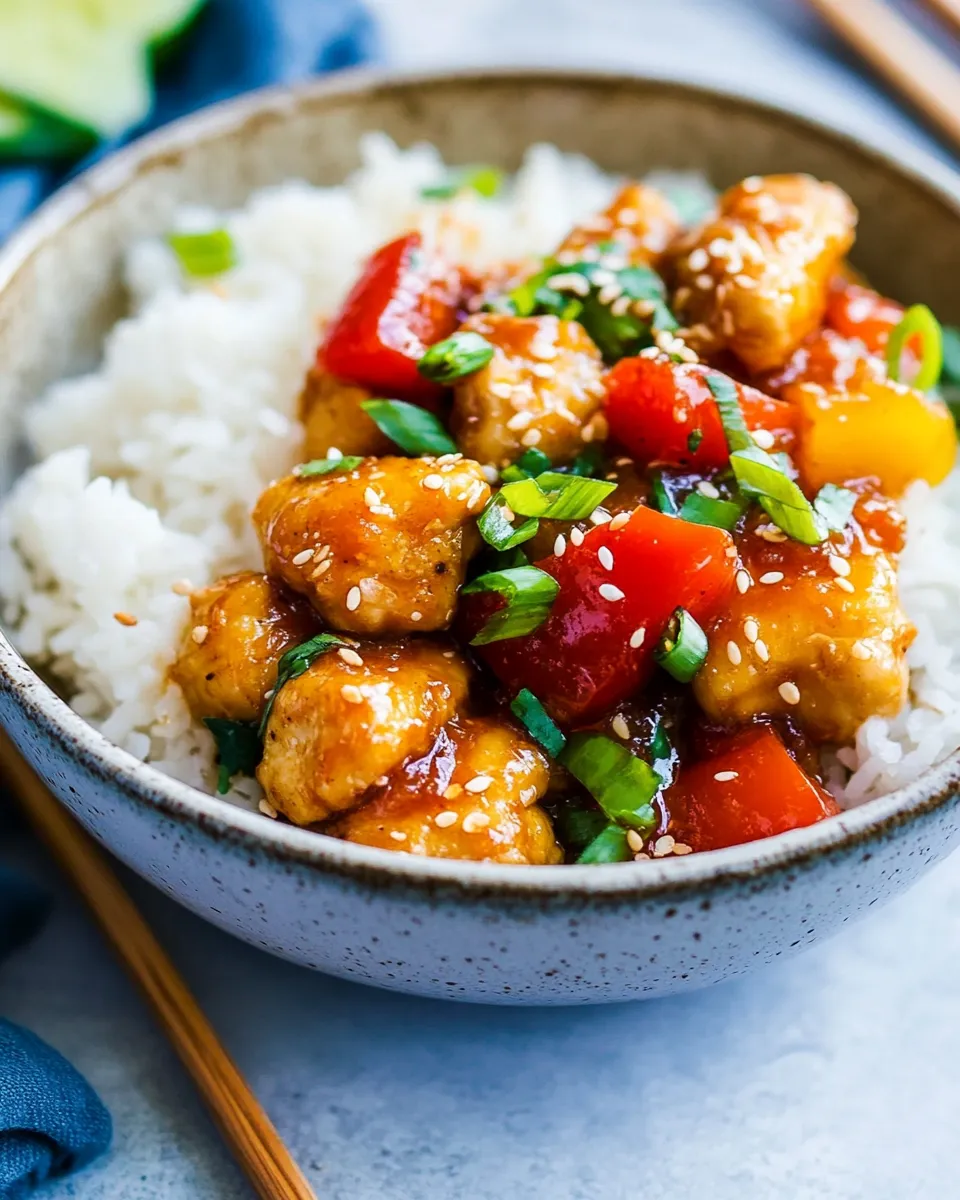
I’ve kept this recipe in heavy rotation because it delivers bright flavor without the usual gluten, refined sugar, or heavy frying. It’s the kind of weeknight dinner that feels thoughtful but comes together fast, and the sauce is sweet-tart with a glossy finish that clings to the chicken. If you’re feeding picky eaters and adults who want something lighter, this hits both notes.
The method separates sauce and chicken so the flavors stay fresh, and using tapioca starch keeps everything paleo-friendly and naturally gluten-free. I tested small adjustments to heat, timing, and starch amounts so you get a reliable result without guessing.
Below you’ll find a straight-to-the-point shopping list, exact ingredients with notes, and the step-by-step directions I used while developing the recipe. Read the tips — they save time and keep the texture where it should be.
Shopping List
- Avocado oil
- Fresh ginger
- Red bell pepper
- Pineapple juice
- White vinegar
- Tomato paste
- Onion powder
- Garlic powder
- Tapioca starch
- Sea salt
- Chicken breast (pasture-raised if available)
- Pineapple tidbits (canned, drained)
- Cauliflower rice (pre-cooked or ready-to-heat)
- Green onion
- Sesame seeds
Ingredients
- 1 teaspoon avocado oil — for gently sautéeing ginger and pepper at the start.
- 1/2 teaspoon fresh ginger, minced — gives bright warmth; use fresh for the best lift.
- 1/2 large red pepper, chopped — adds color and a mild sweet crunch.
- 3/4 cup pineapple juice — the main sweet component of the sauce; provides acidity and body.
- 1/2 tablespoon white vinegar — balances the sweetness with a clean tang.
- 1/2 tablespoon tomato paste — deepens color and adds umami to the sauce.
- 1/4 teaspoon onion powder — background savory note without chopping an onion.
- 1/4 teaspoon garlic powder — for rounded aromatics in the sauce.
- 1 teaspoon tapioca starch — used to make a small slurry to thicken the sauce.
- Sea salt — to taste; used to season the sauce.
- 3 tablespoons tapioca starch — for dredging the chicken so it crisps without gluten.
- Sea salt — a pinch for the dredge to season the chicken as it browns.
- 1/2 pound chicken breast, pasture-raised and cut into 1-inch cubes — main protein; cut evenly for consistent cooking.
- 2 tablespoons avocado oil — divided; used to brown the chicken in two batches.
- 1/2 cup pineapple tidbits, drained — stirred into the warm sauce just before serving.
- Cauliflower rice, hot, cooked — for serving; keeps the dish paleo and low-carb.
- Green onion — sliced for garnish and a fresh oniony finish.
- Sesame seeds — for garnish and a little visual contrast.
Step-by-Step: Paleo Gluten-Free Healthy Sweet-and-Sour Chicken
- Heat 1 teaspoon avocado oil in a large skillet over medium heat. Add the minced ginger and chopped red pepper and cook, stirring, until the pepper just begins to soften, about 2 minutes.
- In a bowl, whisk together 3/4 cup pineapple juice, 1/2 tablespoon white vinegar, 1/2 tablespoon tomato paste, 1/4 teaspoon onion powder, and 1/4 teaspoon garlic powder.
- Pour the whisked mixture into the skillet with the ginger and pepper, increase heat to medium-high, and bring the sauce to a boil.
- In a small bowl, whisk 1 teaspoon tapioca starch with about 2 teaspoons of the hot sauce from the skillet until smooth. While stirring the sauce in the skillet constantly, slowly pour in the tapioca slurry. Continue boiling and stirring until the sauce thickens, reduces slightly, and becomes glossy, about 2–3 minutes. Season with sea salt to taste. Transfer the sauce to a large bowl and cover to keep warm.
- Place 3 tablespoons tapioca starch and a pinch of sea salt in a large resealable bag. Add the chicken cubes, seal the bag, and shake/toss until the chicken is evenly coated.
- Heat 1 tablespoon avocado oil in a large frying pan over medium-high heat. Add half the coated chicken in a single layer and cook until golden brown and cooked through, about 2–3 minutes per side. Transfer to a paper towel–lined plate to drain. Add the remaining 1 tablespoon avocado oil to the pan and cook the remaining chicken the same way.
- Add the cooked chicken and the 1/2 cup drained pineapple tidbits to the bowl with the warm sauce. Stir until the chicken and pineapple are well coated and warmed through.
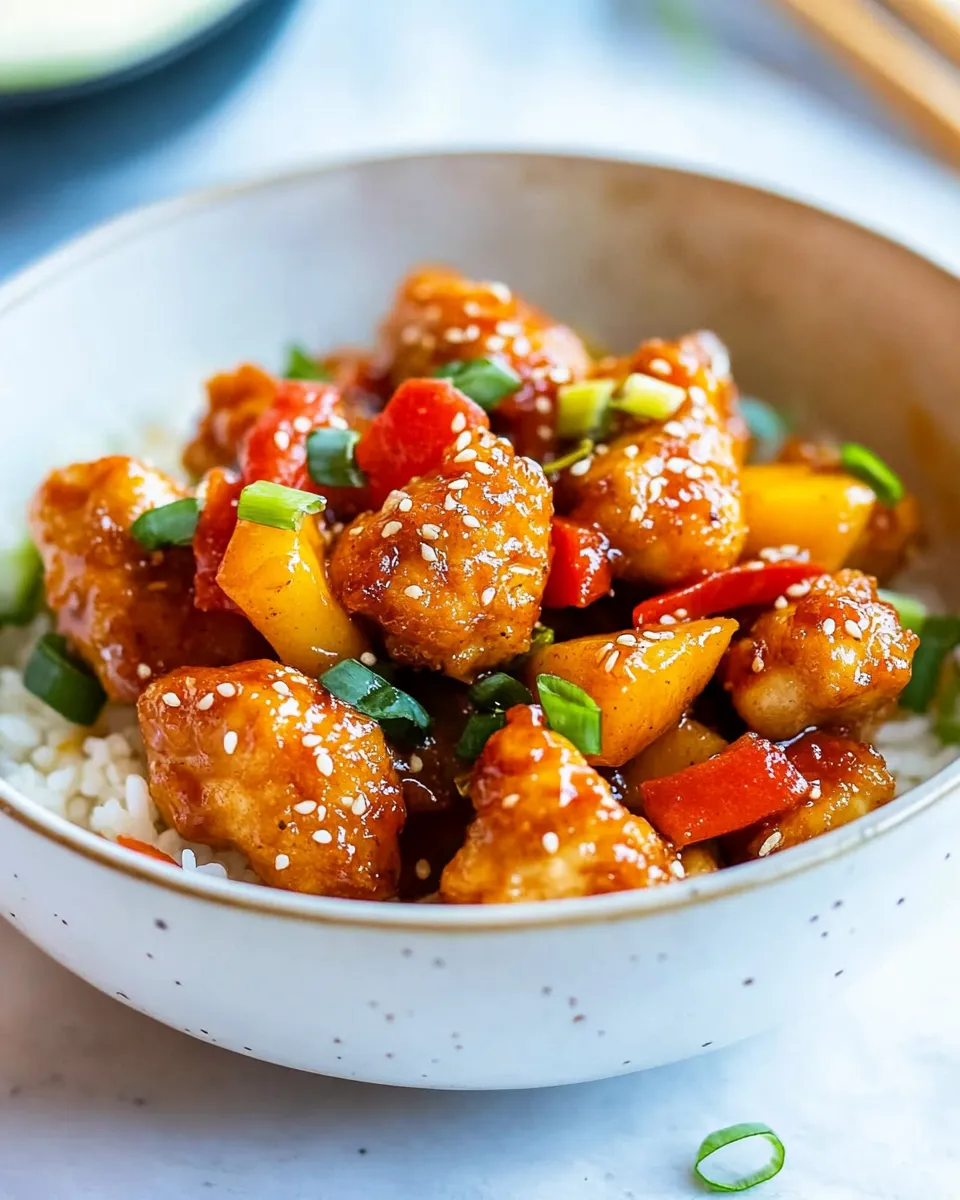
- Serve the sauced chicken over hot cooked cauliflower rice and garnish with green onion and sesame seeds.
Why This Paleo Gluten-Free Healthy Sweet-and-Sour Chicken Stands Out
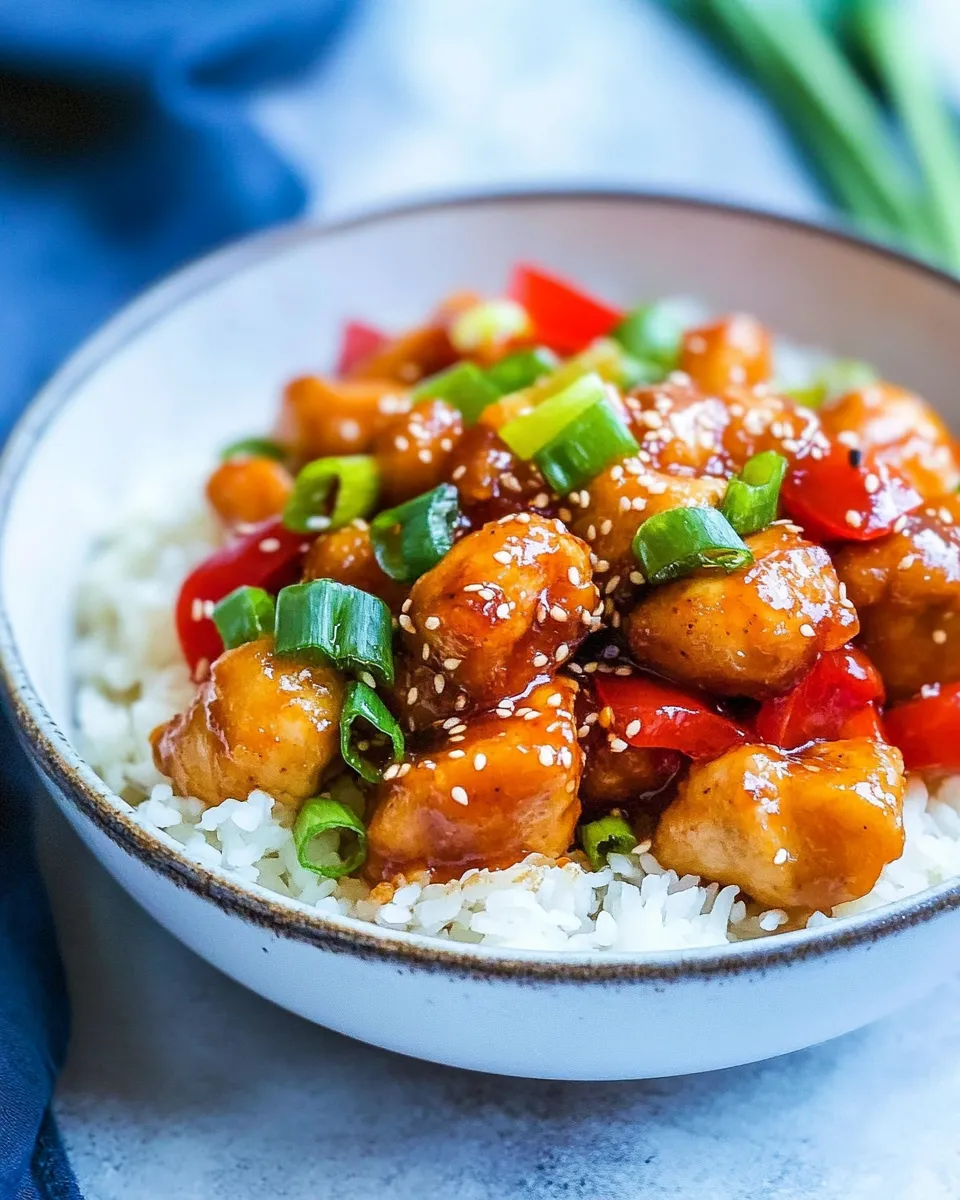
This recipe gives you the familiar sweet-and-sour profile without breadcrumbs, soy, or refined sugars. Tapioca starch does double duty: it crisps the chicken on the outside and thickens the sauce into that glossy, clingy finish you want. Using pineapple juice and a touch of tomato paste layers sweetness with savory depth so the sauce never tastes one-dimensional.
The technique is efficient: you make and thicken the sauce first, then brown the chicken in two batches so it stays crisp. Finishing everything in a bowl keeps the chicken from overcooking while you combine components. It’s a practical approach that still yields a restaurant-style result at home.
Easy Ingredient Swaps
- If you don’t have avocado oil, neutral oils like light olive oil work for browning the chicken.
- Fresh ginger is best, but if you only have powdered ginger, reduce the amount — powdered is more concentrated.
- If you prefer less pineapple flavor, reduce the pineapple juice to 1/2 cup and add a splash of water to keep volume.
- For a darker, richer sauce flavor, a small additional teaspoon of tomato paste can be stirred into the sauce before thickening.
Tools & Equipment Needed
- Large skillet for the sauce and initial sautée.
- Large frying pan for browning chicken (can be the same skillet if you wipe and reheat, but I prefer separate pans for consistency).
- Small bowl for tapioca slurry.
- Large bowl for holding warm sauce and combining the finished chicken.
- Resealable bag for dredging chicken — makes coating tidy and quick.
- Whisk and spatula for stirring and keeping the sauce smooth.
- Paper towel–lined plate to drain the cooked chicken briefly.
Learn from These Mistakes
- Overcrowding the pan. If you crowd the chicken it steams instead of browns. Cook in batches so each piece gets a golden crust.
- Adding the tapioca slurry cold. Temper it with hot sauce as instructed — this prevents lumps and gives a glossy finish quickly.
- Letting the sauce cook away too long before seasoning. Taste after it thickens; the salt level can change as the liquid reduces.
- Not draining pineapple tidbits well. Excess syrup from the can can water down the sauce once mixed in.
Holiday & Seasonal Touches
This dish adapts well for gatherings. For a spring or summer twist, serve with a side of lightly charred summer vegetables. In cooler months, a warm bed of roasted root vegetables or cauliflower mash keeps it cozy while staying paleo. Garnishes (green onion and sesame seeds) are simple but add color; for a festive plate, scatter extra sliced scallions and a few toasted sesame seeds right before serving.
What I Learned Testing
I tested different starch ratios and found that 1 teaspoon of tapioca starch for the slurry and 3 tablespoons for the dredge gave the best balance of sauce thickness and a crisp exterior. Less starch for the slurry made the sauce thin; too much turned it gummy quickly. Dredging the chicken in a resealable bag ensures even coating with minimal mess.
I also tried adding the pineapple earlier into the sauce during the reduction, but adding pineapple tidbits at the end preserves their texture and keeps the sauce from becoming overly sweet. Browning the chicken in two batches was non-negotiable — one-pan browning led to uneven color and longer cook time.
Storage Pro Tips
- Refrigerate: Store sauce-and-chicken together in an airtight container for up to 3 days. Reheat gently in a skillet over medium-low heat to avoid drying the chicken.
- Freeze: You can freeze cooked chicken in sauce, but the texture of the pineapple and chicken may change slightly. Freeze in a shallow airtight container for up to 2 months. Thaw overnight in the fridge before reheating.
- Reheating: Avoid the microwave if possible — reheat in a skillet with a teaspoon of water or a splash of pineapple juice to revive the sauce, stirring gently until warm.
- Cauliflower rice: Store separately if you’re planning to reheat; mixing ahead can make rice soggy.
Top Questions & Answers
- Can I use chicken thighs? Yes. Thighs are slightly more forgiving when reheating. Trim excess fat and cut into evenly sized pieces.
- Can I prep the sauce ahead? Yes. Make and refrigerate the sauce (without thickening) up to 24 hours ahead. Reheat and proceed with the tapioca slurry step to finish.
- How do I prevent the sauce from getting too thick? Keep an eye during the 2–3 minute reduction. If it thickens too much, whisk in a little warm pineapple juice or water to loosen it.
- Is this truly paleo and gluten-free? Yes — there’s no gluten-containing soy sauce, wheat, or refined sugars in the ingredient list, and tapioca starch is grain-free.
Let’s Eat
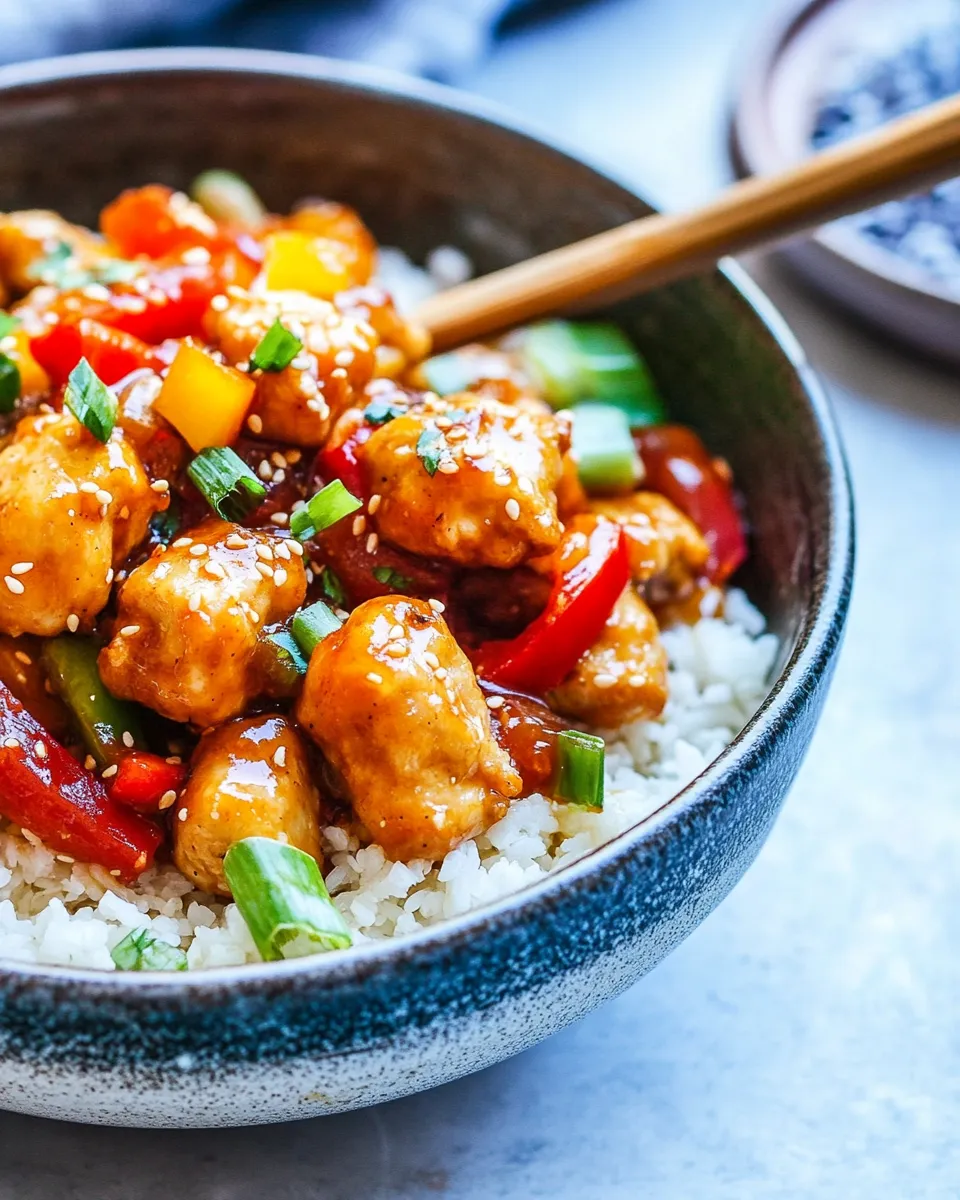
Plate a generous bed of hot cauliflower rice, top with a mound of the sauced chicken and pineapple, and finish with sliced green onion and a sprinkle of sesame seeds. This dish runs fresh and bright — it’s perfect for a weeknight dinner where you want something that feels indulgent but is still aligned with paleo and gluten-free diets.
Serve immediately and enjoy the contrast: crisp, golden chicken; glossy sweet-and-sour sauce; tender pineapple; and warm cauliflower rice. Leftovers make for a great next-day lunch — just reheat gently and keep the rice separate until you’re ready to eat.
Paleo Gluten-Free Healthy Sweet-and-Sour Chicken
Ingredients
Ingredients
- 1 teaspoonavocado oil
- 1/2 teaspoonfresh gingerminced
- 1/2 large red pepperchopped
- 3/4 cuppineapple juice
- 1/2 tablespoonwhite vinegar
- 1/2 tablespoontomato paste
- 1/4 teaspoononion powder
- 1/4 teaspoongarlic powder
- 1 teaspoontapioca starch
- Sea salt
- 3 tablespoonstapioca starch
- Sea salt
- 1/2 poundchicken breastpasture-raised and cut into 1-inch cubes
- 2 tablespoonsavocado oil
- 1/2 cuppineapple tidbitsdrained
- Cauliflower ricehot cooked
- Green onionfor garnish
- Sesame seedsfor garnish
Instructions
Instructions
- Heat 1 teaspoon avocado oil in a large skillet over medium heat. Add the minced ginger and chopped red pepper and cook, stirring, until the pepper just begins to soften, about 2 minutes.
- In a bowl, whisk together 3/4 cup pineapple juice, 1/2 tablespoon white vinegar, 1/2 tablespoon tomato paste, 1/4 teaspoon onion powder, and 1/4 teaspoon garlic powder.
- Pour the whisked mixture into the skillet with the ginger and pepper, increase heat to medium-high, and bring the sauce to a boil.
- In a small bowl, whisk 1 teaspoon tapioca starch with about 2 teaspoons of the hot sauce from the skillet until smooth. While stirring the sauce in the skillet constantly, slowly pour in the tapioca slurry. Continue boiling and stirring until the sauce thickens, reduces slightly, and becomes glossy, about 2–3 minutes. Season with sea salt to taste. Transfer the sauce to a large bowl and cover to keep warm.
- Place 3 tablespoons tapioca starch and a pinch of sea salt in a large resealable bag. Add the chicken cubes, seal the bag, and shake/toss until the chicken is evenly coated.
- Heat 1 tablespoon avocado oil in a large frying pan over medium-high heat. Add half the coated chicken in a single layer and cook until golden brown and cooked through, about 2–3 minutes per side. Transfer to a paper towel–lined plate to drain. Add the remaining 1 tablespoon avocado oil to the pan and cook the remaining chicken the same way.
- Add the cooked chicken and the 1/2 cup drained pineapple tidbits to the bowl with the warm sauce. Stir until the chicken and pineapple are well coated and warmed through.
- Serve the sauced chicken over hot cooked cauliflower rice and garnish with green onion and sesame seeds.
Equipment
- Large Skillet
- Bowl
- Small Bowl
- Large resealable bag
- Large frying pan
- Paper Towels