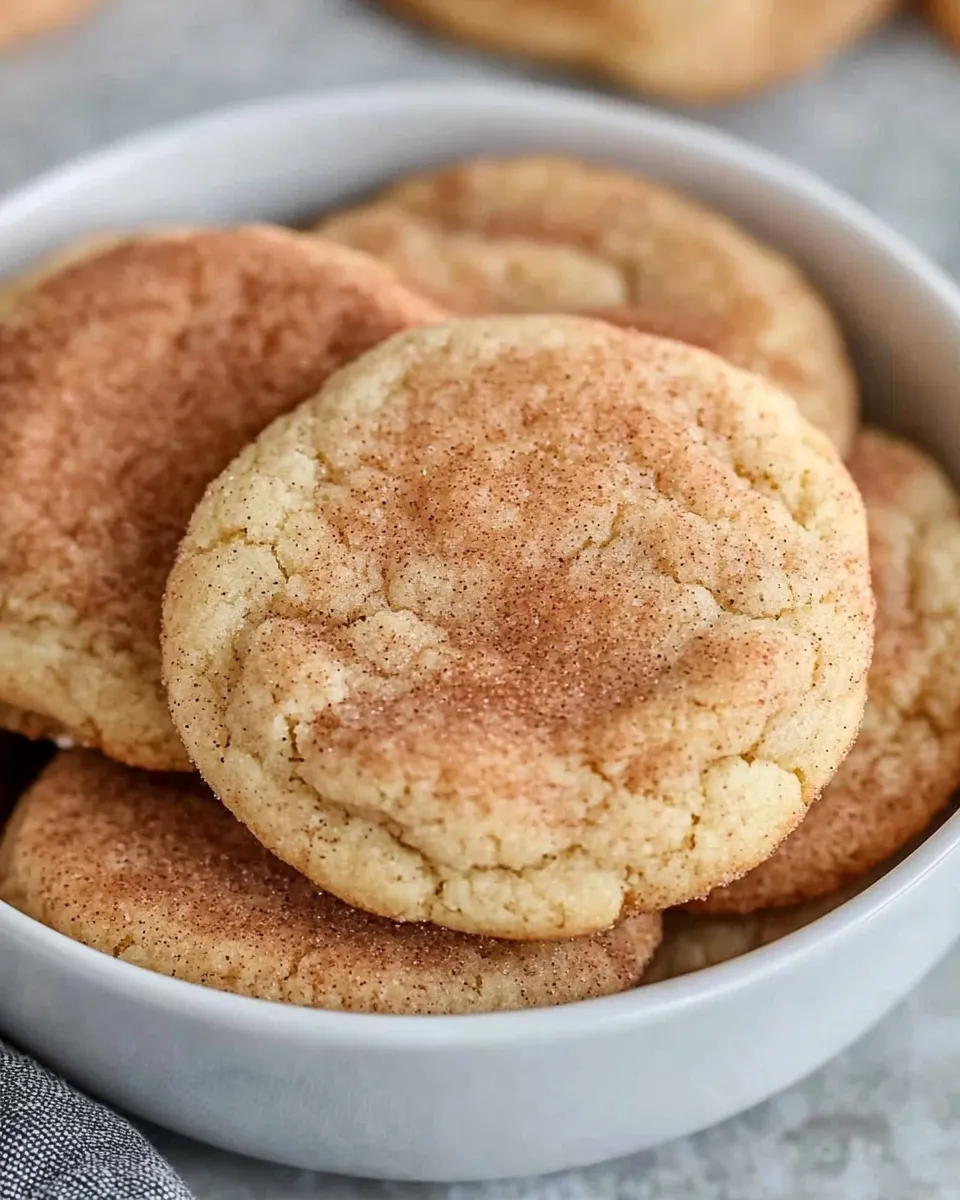
If you’re looking for a cookie that hits the sweet spot between crisp edges and pillowy centers, these snickerdoodles are it. They are simple, forgiving, and brilliant with a warm cup of coffee or a cold glass of milk. I make them when I want something comforting without fuss.
The dough is straightforward and keeps well if you want to bake a few now and freeze the rest. The cinnamon-sugar coating gives each bite that iconic tang and aroma. I’ll walk you through the exact steps, answer the common questions, and share practical tips that keep these cookies turning out great every time.
No tricks, no obscure ingredients—just solid technique and a few small choices that make a big difference. Read on for the ingredients, the exact directions, and how to rescue or adapt the recipe if you need to.
Ingredient Checklist
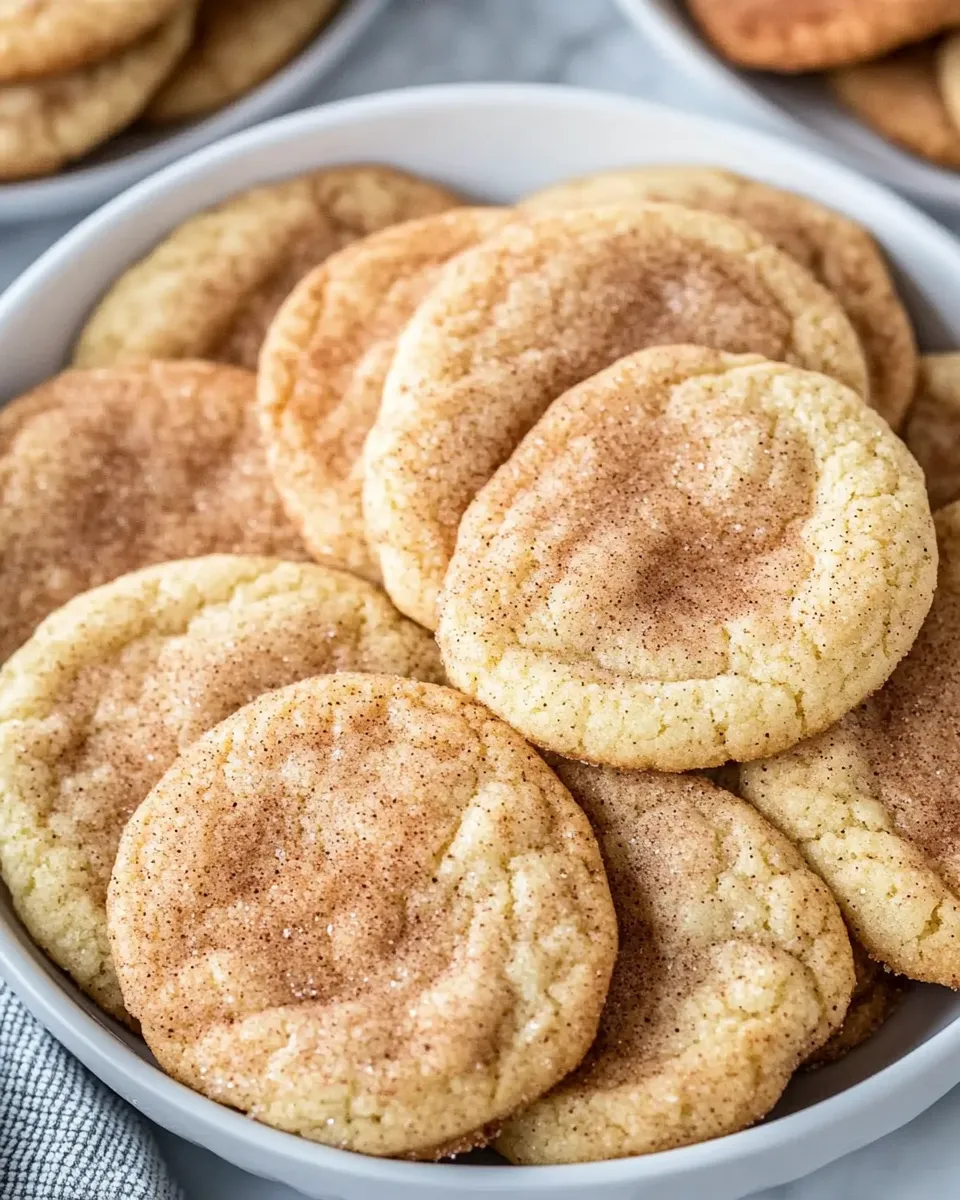
- ¾ cup (170 g) unsalted butter, softened — provides richness and tenderness; bring to room temperature so it creams smoothly.
- 1 cup (200 g) granulated sugar — sweetens and helps with spread; creamed with butter for light texture.
- 1 large egg — binds the dough and adds structure; use room temperature for even mixing.
- 1 teaspoon baking soda — the leavening agent that helps the cookies rise and develop crackled tops.
- ¼ teaspoon salt — balances sweetness and enhances flavor; do not omit unless reducing sodium intentionally.
- 2 teaspoons cream of tartar — classic snickerdoodle ingredient that gives the cookies their tang and chew.
- 1 teaspoon vanilla extract — rounds the flavor; pure vanilla gives the best aroma but use what you have.
- 2 cups (248 g) all-purpose flour — the base of the dough; measure by spooning into the cup and leveling or weigh for accuracy.
- ¼ cup (50 g) granulated sugar — reserved for the cinnamon-sugar coating to create that crisp, sweet shell.
- 2 teaspoons ground cinnamon — mixed with the coating sugar for the signature snickerdoodle flavor.
Directions: (Snickerdoodle Cookies)
- Preheat oven to 350°F. Line two cookie sheets with silicone baking mats or parchment paper.
- In a small bowl, stir together ¼ cup (50 g) granulated sugar and 2 teaspoons ground cinnamon; set aside for coating.
- In the bowl of a stand mixer fitted with the paddle attachment (or a large bowl with a hand mixer), cream ¾ cup (170 g) softened unsalted butter and 1 cup (200 g) granulated sugar until light and fluffy, about 1 minute.
- Add 1 large egg and 1 teaspoon vanilla extract; mix until smooth and fully combined.
- Add 1 teaspoon baking soda, 2 teaspoons cream of tartar, and ¼ teaspoon salt; mix briefly to incorporate.
- Add 2 cups (248 g) all-purpose flour and mix until a cookie dough forms and no streaks of flour remain; do not overmix.
- Using a 2-tablespoon measure (or two tablespoons), scoop dough, roll each portion between your palms to form a ball, then roll each ball in the reserved cinnamon-sugar.
- Place the coated dough balls on the prepared cookie sheets about 2 inches apart.
- Bake 10–13 minutes, or until the tops are cracked and just lose their glossy sheen; for softer cookies, bake closer to 10 minutes.
- Remove cookies from oven and let cool on the baking sheet 5 minutes, then transfer to a rack or plate to cool completely.
- Store cooled cookies in an airtight container for up to 3 days or freeze for up to a month.
Why Snickerdoodle Cookies is Worth Your Time
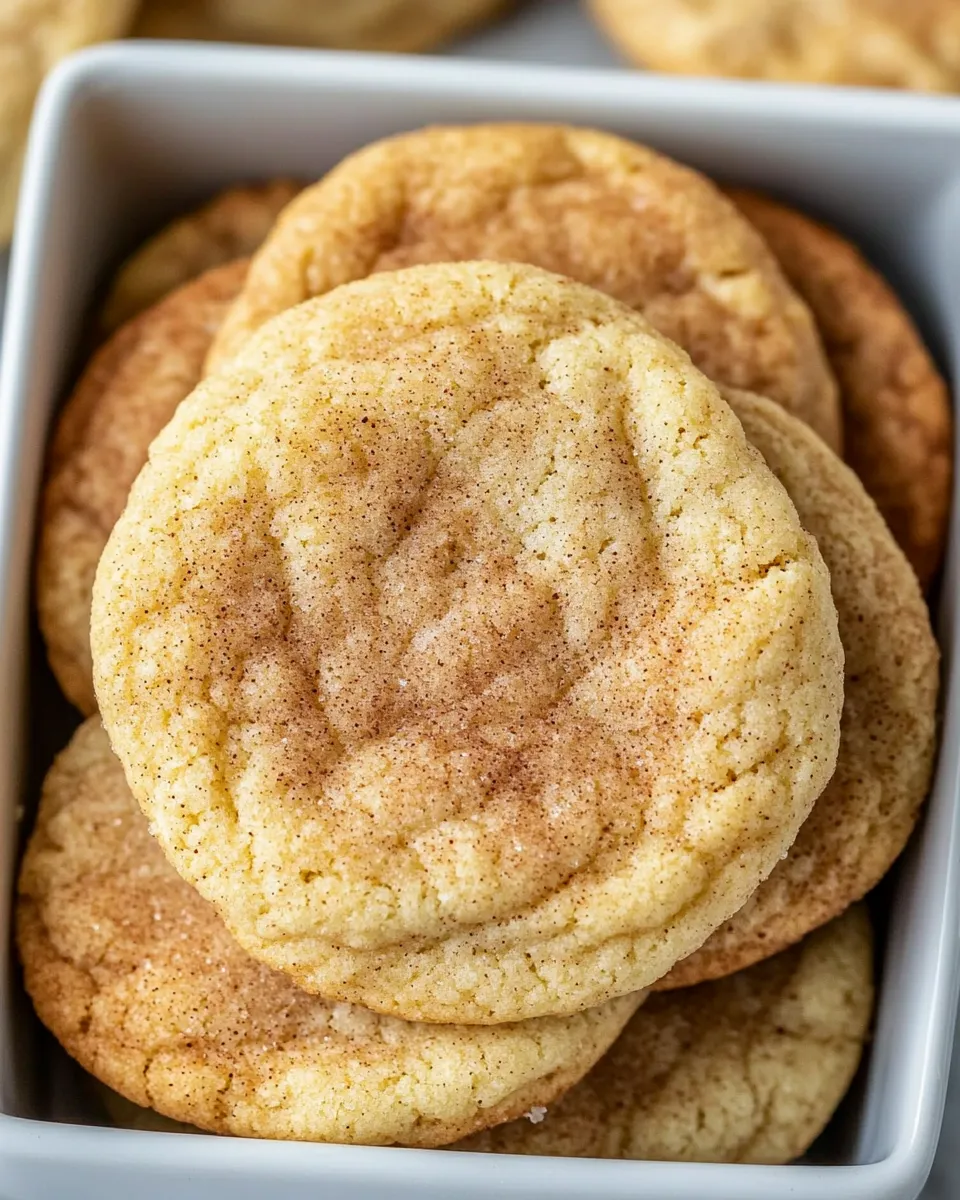
These snickerdoodles are quick to make and use pantry staples, so you can bake them any night of the week. The total hands-on time is short and the payoff—soft centers, slightly crisp edges, and that tang from the cream of tartar—is immediate and satisfying.
They’re also versatile. They travel well, make a great cookie swap candidate, and are crowd-pleasers for kids and adults alike. If you want a cookie that looks and tastes like you put effort into it without a lot of fuss, these are the ones.
Finally, this recipe is forgiving. Dough holds together well, the cinnamon-sugar mask hides small imperfections, and the baking window (10–13 minutes) gives you room to choose your preferred texture.
If You’re Out Of…
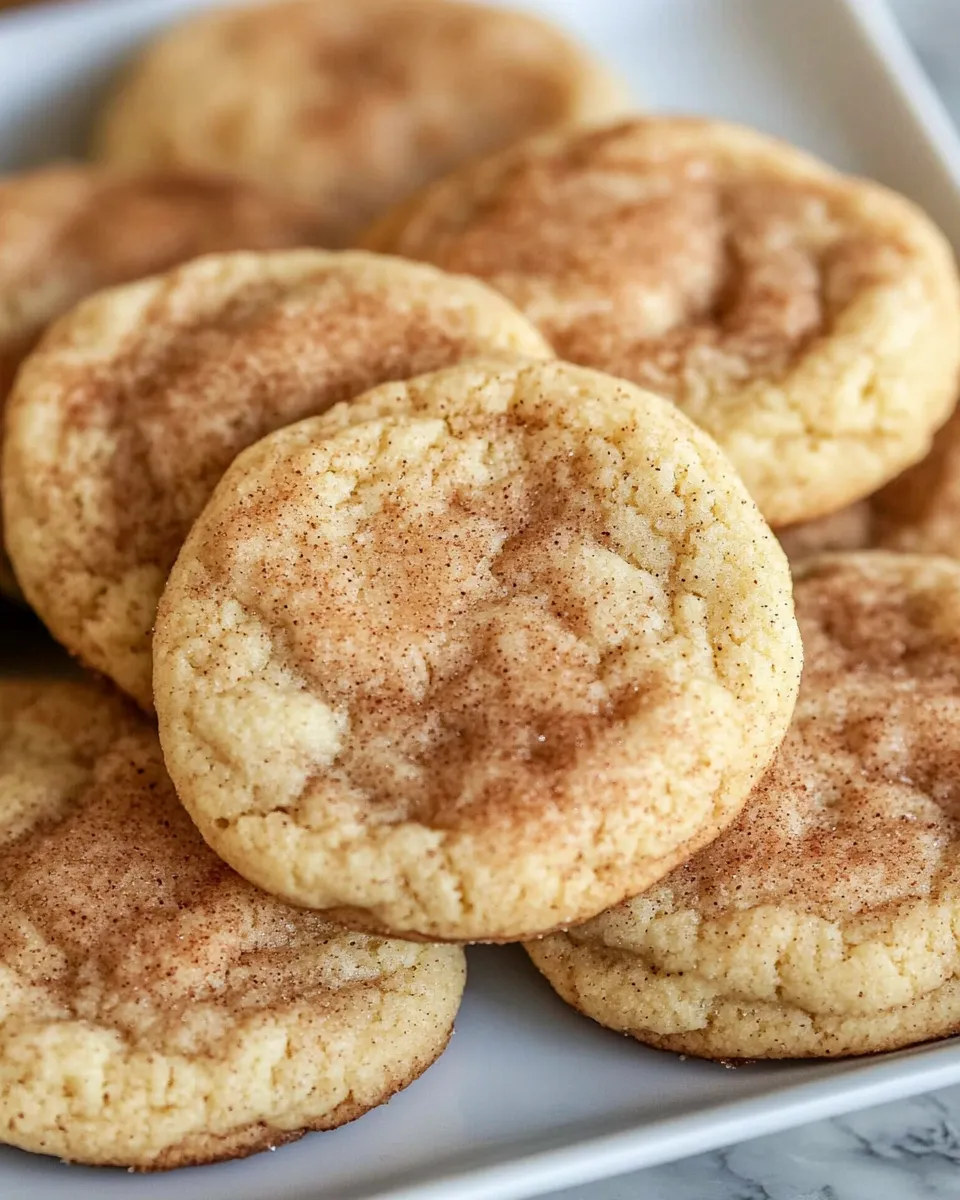
If you’re missing something, here are practical swaps and notes so you can still bake tonight.
- Unsalted butter — If you only have salted butter, use it but reduce or omit additional salt elsewhere. The flavor will be fine; just be mindful if you expect to serve very young children.
- Granulated sugar — The recipe relies on granulated sugar for structure and spread. Brown sugar will change the texture and flavor (more chew, deeper caramel note). I don’t recommend a straight swap here unless you expect a different cookie.
- Cream of tartar — This gives snickerdoodles their signature tang and chew. If you don’t have it, the cookies will still be tasty but less characteristic. As a rough substitute, you can use 2 teaspoons lemon juice plus 1 teaspoon baking powder in a pinch, but results vary.
- Vanilla extract — Skip it only if necessary; the cinnamon-sugar is the hero. I prefer vanilla, but the cookies will still be fine without.
- All-purpose flour — Stick with all-purpose for best results. Whole wheat will make the cookies denser and slightly drier unless you adjust liquid or fat.
Equipment & Tools
- Stand mixer with paddle attachment or a hand mixer and a large bowl — for creaming the butter and sugar smoothly.
- Baking sheets (2) lined with silicone mats or parchment paper — prevents sticking and promotes even browning.
- Measuring cups and spoons, or a kitchen scale — weighing flour and butter gives the most consistent results.
- 2-tablespoon cookie scoop (or two tablespoons) — for even-sized cookies so they bake uniformly.
- Cooling rack — lets cookies cool without steaming on the baking sheet.
Don’t Do This
There are a few common mistakes that trip home bakers up. Avoid them and these cookies will reward you.
- Do not skimp on the cream of tartar if you want the classic snickerdoodle texture and tang. It’s a defining ingredient here.
- Don’t overmix after adding the flour. Mix until the dough comes together and no streaks of flour remain—overmixing develops gluten and makes cookies tough.
- Don’t skip chilling if your kitchen is very warm and the dough feels too soft to roll; overly warm dough will spread too much during baking.
- Don’t rely on color alone to judge doneness. Look for cracked tops and that the glossy sheen on top has dulled—then check the 10–13 minute window.
Variations for Dietary Needs
Here are sensible swaps and notes for common dietary concerns. Each change affects texture and flavor, so read the notes before you proceed.
- Dairy-free — Use a plant-based stick butter substitute that’s designed for baking, measured 1:1. The texture will be close but not identical.
- Egg-free — Replacing the egg will change structure. A commercial egg replacer designed for cookies or 3 tablespoons of mashed banana or applesauce might work, but expect different texture and flavor.
- Gluten-free — Swap for a 1:1 gluten-free baking flour blend that contains xanthan gum. Results vary by blend; weigh ingredients for best outcomes.
- Lower sugar — You can reduce the dough sugar slightly, but the cinnamon-sugar coating is essential for the classic profile. Reducing too much can change spread and texture.
Recipe Notes & Chef’s Commentary
Technique tips
Cream the butter and sugar until light and fluffy, but one minute is often enough if your butter is well-softened. Over-creaming can incorporate too much air, which affects rise and final texture. When adding the flour, stop as soon as the dough comes together—no streaks of flour should remain.
Rolling and coating
Use a 2-tablespoon scoop for uniform cookies. Rolling in your palms creates smooth tops and makes the cinnamon-sugar coating stick. If your palms are warm and the dough gets sticky, pop the portioned balls in the fridge for 10 minutes before rolling.
Bake time choice
For softer, chewier cookies, remove them at the earlier end of the range (about 10 minutes). For a bit more crunch at the edge, let them go to 12–13 minutes, watching closely so they don’t overbake. Remember they firm up as they cool.
Best Ways to Store
Store completely cooled cookies in an airtight container at room temperature for up to 3 days. If you want to keep them longer, freeze in a single layer on a tray until solid, then transfer to a freezer-safe bag or container for up to a month.
To refresh cookies from the fridge or freezer, warm them for 5–10 seconds in the microwave or 3–4 minutes in a 300°F oven—watch closely so they don’t dry out. Thawed frozen cookies often taste just-baked with a quick warm-up.
Quick Questions
Q: Can I make the dough ahead?
A: Yes. You can refrigerate the dough for up to 48 hours wrapped tightly. If it’s chilled and firm, you may need to let it sit a few minutes to soften for rolling. You can also freeze unbaked dough balls for up to a month; bake from frozen with an extra minute or two if needed.
Q: Why do my snickerdoodles spread too much?
A: Warm dough, over-measuring butter, or too little flour can contribute to excess spread. Chill the dough briefly, measure ingredients by weight, and ensure your oven is at the correct temperature.
Q: Can I make larger or smaller cookies?
A: Yes. If you double the size, increase bake time and leave more space on the baking sheet. Conversely, smaller cookies will need less time. Adjust by eye and keep notes for your next batch.
Make It Tonight
This recipe is perfect for an easy weeknight bake—simple ingredients, clear steps, and a dependable result. Preheat your oven, gather the ingredients, and follow the directions as written. You’ll have warm, fragrant snickerdoodles in under half an hour of active time.
If you try them, tell me how you like the texture—softer or chewier—and any small tweaks you made. Baking is part science, part memory; a good snickerdoodle is comfort in a single bite. Enjoy.
BEST Snickerdoodle Cookies Recipe
Ingredients
Ingredients
- 3/4 cup 170 g unsalted buttersoftened
- 1 cup 200 g granulated sugar
- 1 large egg
- 1 teaspoonbaking soda
- 1/4 teaspoonsalt
- 2 teaspoonscream of tartar
- 1 teaspoonvanilla extract
- 2 cups 248 g all-purpose flour
- 1/4 cup 50 g granulated sugar
- 2 teaspoonsground cinnamon
Instructions
Instructions
- Preheat oven to 350°F. Line two cookie sheets with silicone baking mats or parchment paper.
- In a small bowl, stir together ¼ cup (50 g) granulated sugar and 2 teaspoons ground cinnamon; set aside for coating.
- In the bowl of a stand mixer fitted with the paddle attachment (or a large bowl with a hand mixer), cream ¾ cup (170 g) softened unsalted butter and 1 cup (200 g) granulated sugar until light and fluffy, about 1 minute.
- Add 1 large egg and 1 teaspoon vanilla extract; mix until smooth and fully combined.
- Add 1 teaspoon baking soda, 2 teaspoons cream of tartar, and ¼ teaspoon salt; mix briefly to incorporate.
- Add 2 cups (248 g) all-purpose flour and mix until a cookie dough forms and no streaks of flour remain; do not overmix.
- Using a 2-tablespoon measure (or two tablespoons), scoop dough, roll each portion between your palms to form a ball, then roll each ball in the reserved cinnamon-sugar.
- Place the coated dough balls on the prepared cookie sheets about 2 inches apart.
- Bake 10–13 minutes, or until the tops are cracked and just lose their glossy sheen; for softer cookies, bake closer to 10 minutes.
- Remove cookies from oven and let cool on the baking sheet 5 minutes, then transfer to a rack or plate to cool completely.
- Store cooled cookies in an airtight container for up to 3 days or freeze for up to a month.
Equipment
- Oven
- Baking Sheets
- silicone baking mats or parchment paper
- stand mixer with paddle attachment or hand mixer
- Mixing bowls
- Measuring cups and spoons
- 2-tablespoon measure or tablespoons
- Cooling rack
Notes
Baking sizes:
1-tablespoon cookies: 8-12 minutes
2-tablespoon cookies: 11-15 minutes
Jumbo 1/4 cup cookies: 12-16 minutes
9×13-inch pan: 14-19 minutes