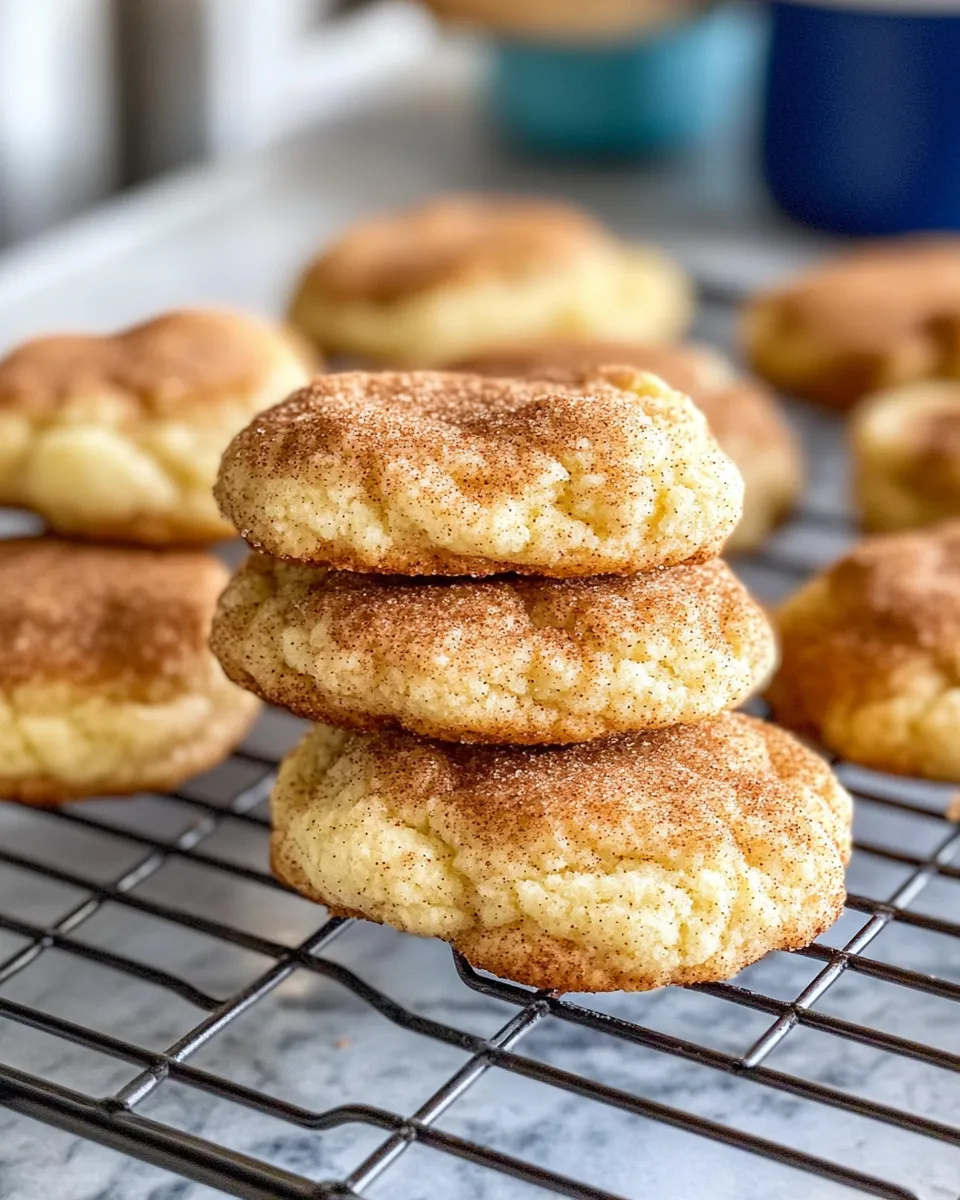
I bake these Snickerdoodle Cookies almost every week. They are comfort wrapped in a crackly, cinnamon-sugared shell, soft in the center, and quick to pull together. No fancy equipment, no rare ingredients—just reliable technique and a hungry family waiting at the counter.
This recipe gives consistent results: obedient edges, tender interior, and that classic tang from cream of tartar. I’ll walk you through exact steps, common slips to avoid, and sensible tweaks so you can make them again and again without guesswork.
Bring flour, butter, eggs, sugar, and cinnamon together and you’ll have cookies that travel well, keep for days, and sit happily next to coffee or a glass of milk. Read through the gear and pitfalls before you start; a little prep makes the baking smooth and the cookies flawless.
Ingredient Checklist
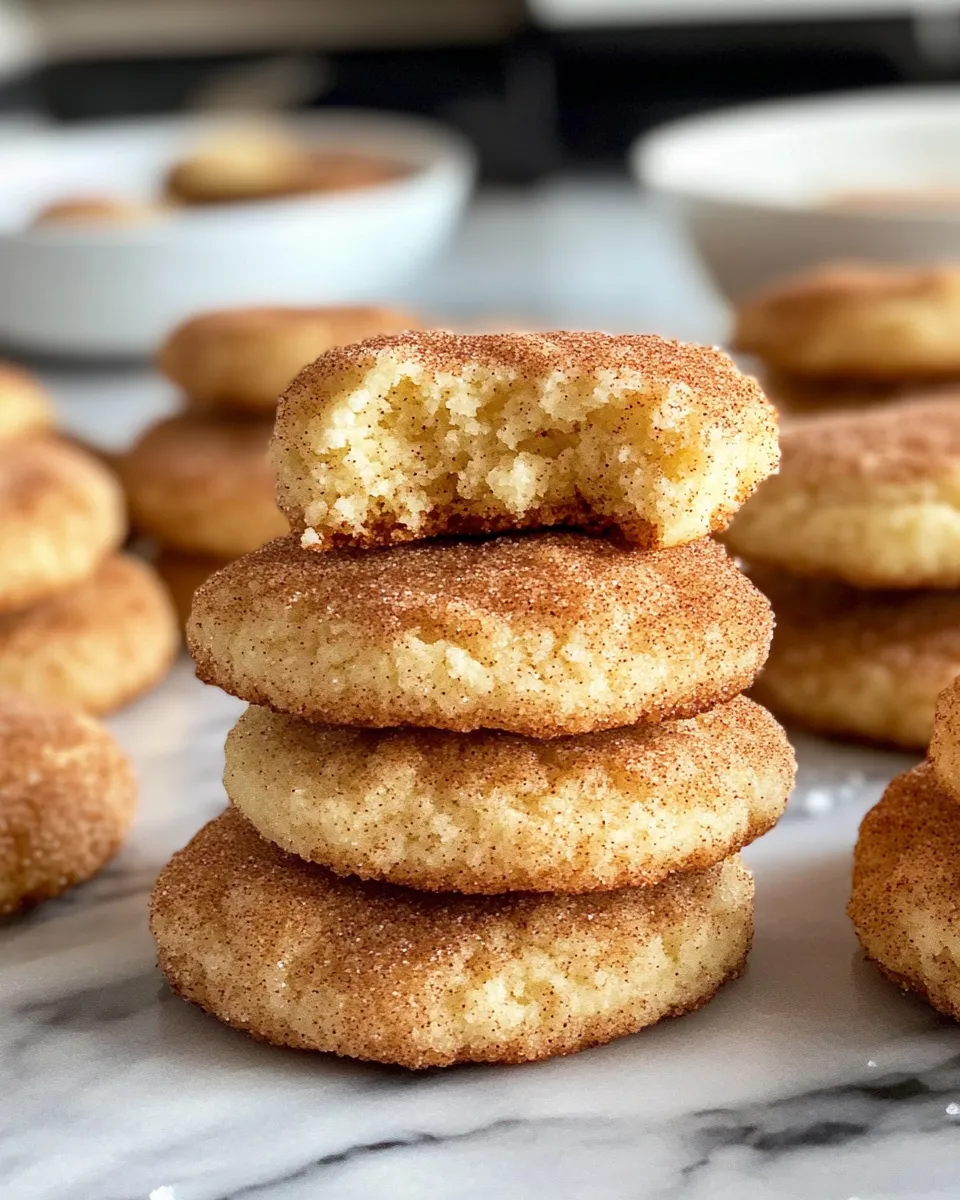
- 1 cup (225 g) unsalted butter — room temperature for proper creaming; contributes richness and structure.
- 1 ¼ cups (250 g) granulated sugar — main sweetener; creamed with butter to trap air for lightness.
- 2 large eggs — at room temperature to help the dough emulsify and bind.
- 3 cups (360 g) all-purpose flour — the base; provides structure and chew.
- 1 teaspoon (5 g) cream of tartar — signature tang and helps with the cookie’s characteristic chew and slight tang.
- 1 teaspoon baking soda — leavening to give a little lift and the classic snickerdoodle texture.
- ½ teaspoon salt — balances sweetness and enhances flavor.
- ¼ cup granulated sugar — for rolling; gives a sweet, slightly crunchy exterior.
- 2 teaspoons ground cinnamon — mixed with the rolling sugar for the cookie’s iconic flavor and aroma.
Build Snickerdoodle Cookies Step by Step
- Preheat the oven to 375°F (190°C). Line at least two baking sheets with parchment paper or silicone baking mats.
- In a medium bowl, whisk together 3 cups (360 g) all-purpose flour, 1 teaspoon (5 g) cream of tartar, 1 teaspoon baking soda, and ½ teaspoon salt. Set aside.
- In a small shallow bowl, combine ¼ cup granulated sugar and 2 teaspoons ground cinnamon. Set aside.
- In a stand mixer fitted with the paddle attachment (or with a handheld mixer), cream 1 cup (225 g) unsalted butter (room temperature) with 1 ¼ cups (250 g) granulated sugar on medium speed for 2–3 minutes, until pale and fluffy. Scrape down the sides and bottom of the bowl.
- Add 2 large eggs, one at a time, beating until each egg is fully incorporated. Scrape the bowl again.
- Add the dry ingredients from step 2 to the butter mixture a little at a time, mixing on low to medium and scraping the bowl as needed, until just combined. Do not overmix.
- Using a 1-tablespoon cookie scoop or a tablespoon measure, portion the dough into 1-tablespoon-sized balls. Gently roll each portion between your fingers to smooth.
- Roll each dough ball in the cinnamon-sugar mixture from step 3 to coat evenly.
- Place the coated dough balls on the prepared baking sheets, spacing them about 2 inches apart.
- Bake on the middle oven rack at 375°F (190°C) for 10–12 minutes, rotating the baking sheet(s) once after about 5 minutes. Cookies are done when the edges are set and the tops no longer look wet.
- Let the cookies cool on the baking sheet for 5 minutes, then transfer them to a wire rack to cool completely.
Why This Recipe is a Keeper
This version balances tradition and practicality. The cream of tartar gives that faint tang that distinguishes a true snickerdoodle from a plain cinnamon cookie. Using both baking soda and cream of tartar gives the cookies a tender chew while allowing a slight lift and characteristic crinkle on top.
It’s reliable. The dough is forgiving and the method fits into a busy rhythm: whisk dry, cream butter and sugar, add eggs, fold in flour. Nothing fussy. If you value cookies that are soft at the center with just-set edges and a crackly cinnamon shell, this one delivers every time.
Finally, the hit of cinnamon-sugar on the outside is simple but transformative. It creates a texture contrast and an aromatic top note that keeps them feeling special without complicating the bake.
International Equivalents
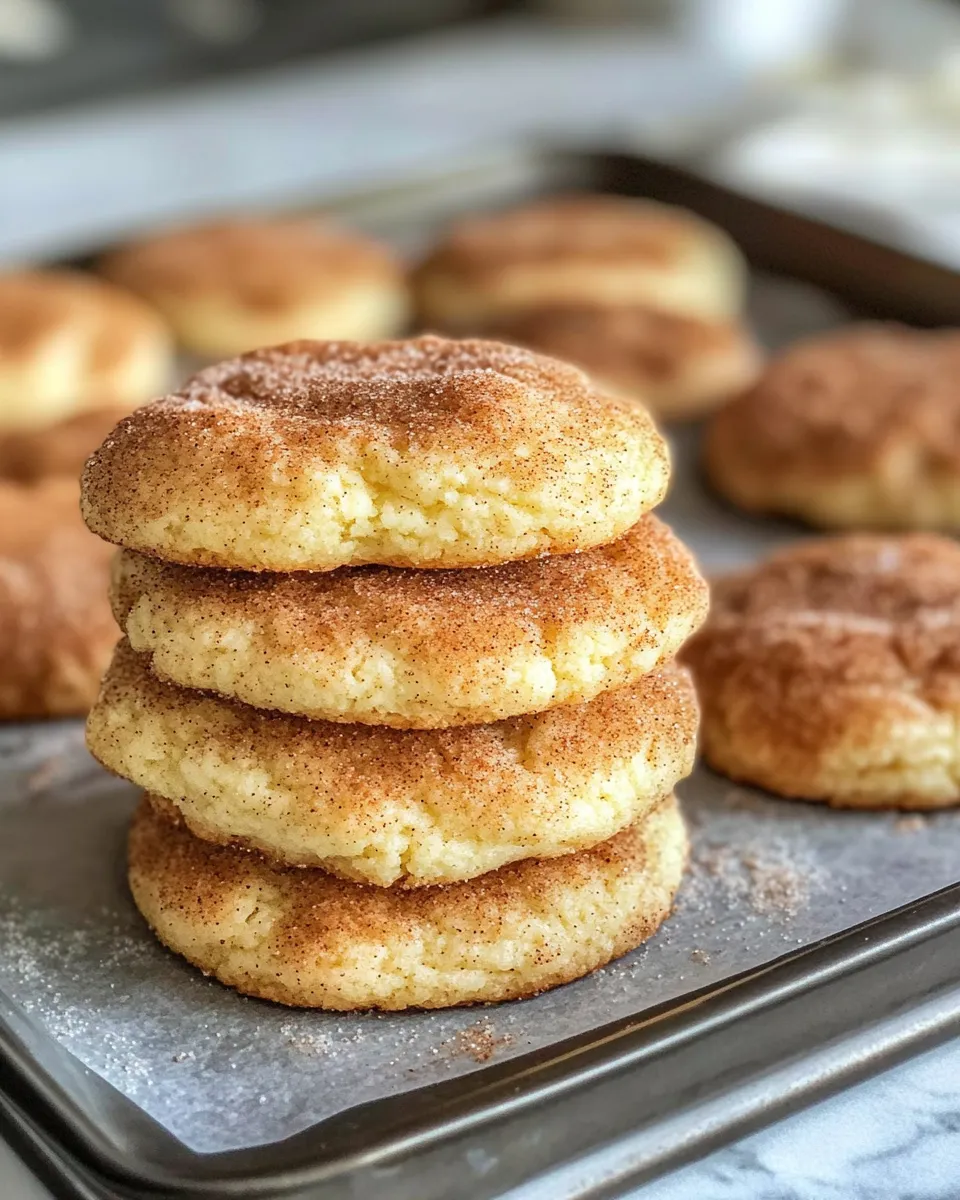
Measurements here use cups and grams. If you bake in grams only, trust the gram amounts given for best consistency—especially for flour and butter. For ovens that use Celsius, 375°F equals 190°C.
Flour types vary by country. If your local all-purpose flour has a higher protein content, watch mixing closely and don’t overwork the dough. If your flour is lighter, you may notice slightly more spread; chilling for 10–15 minutes will help.
Sweetness expectations differ regionally. If you prefer less surface sweetness, reduce the rolling sugar or dust with cinnamon only. Conversely, for a sweeter crust, keep the full ¼ cup rolling sugar.
Gear Up: What to Grab
- Stand mixer with paddle attachment or a handheld mixer — speeds up creaming and ensures even texture.
- Mixing bowls — at least two: one for dry ingredients and one for creaming.
- Measuring cups and spoons plus a kitchen scale — scale preferred for flour and butter accuracy.
- 1-tablespoon cookie scoop or tablespoon measure — keeps portions uniform so cookies bake evenly.
- Parchment paper or silicone baking mats — prevents sticking and promotes even browning.
- Wire cooling rack — lets cookies finish setting without trapping steam underneath.
- Small shallow bowl — for the cinnamon-sugar rolling mixture.
Pitfalls & How to Prevent Them
Edge hardening or dry centers: usually a sign of overbaking. Watch the cookies at 10 minutes. Remove when edges are set and tops look matte rather than wet.
Flat cookies that spread too much: room-temperature butter is needed for proper creaming, but if your butter is too soft (or the dough warm), chill the scooped balls for 10–15 minutes before baking. Also avoid over-measuring flour—scoop and level rather than packing.
Dense, heavy cookies: can come from overmixing once the flour goes in. Mix until just combined and stop. That prevents too much gluten development.
No cinnamon flavor on the surface: be sure to roll each ball evenly in the cinnamon-sugar. A shallow bowl helps the mixture coat the dough quickly and uniformly.
Make It Diet-Friendly
Looking to adjust without reinventing the cookie: reduce the rolling sugar portion to lower surface sweetness, and consider trimming the dough sugar by a modest amount if you prefer less-sweet cookies. Keep in mind that sugar affects texture and spread, so changes will slightly alter the result.
For egg-free or vegan versions, use a tested egg replacer or flax egg and a plant-based butter substitute formulated for baking. Note these swaps change texture and may require short bake-time testing to dial in the desired chew.
If gluten is a concern, use a 1-to-1 gluten-free all-purpose flour blend that’s designed for cookies. The mix should contain binders; otherwise, add a small amount of xanthan gum as directed by the blend’s package.
Insider Tips
1) Use room-temperature eggs and butter. They incorporate faster and give a smoother dough.
2) Cream butter and sugar until pale and airy—2 to 3 minutes. That trapped air lightens the cookie.
3) Scrape the bowl often. It keeps the dough uniform and prevents streaks of unincorporated flour or butter.
4) Portion with a scoop. Uniform cookies need uniform scoops; they’ll bake at the same rate and look professional.
5) Rotate pans halfway through baking. Ovens have hot spots. Rotation helps even color and doneness.
6) For cakier cookies, bake on the shorter end of the time range; for crispier edges, add a minute or two.
Storage & Reheat Guide

Room temperature: Store completely cooled cookies in an airtight container for up to 4 days. Place a slice of bread in the container to help maintain softness if you prefer them softer; replace the bread as it dries out.
Refrigeration: Not necessary for short-term storage and can dry cookies out. If you must refrigerate, bring to room temperature before serving.
Freezing: Freeze baked cookies in a single layer on a tray until firm, then transfer to a freezer-safe container or bag for up to 3 months. Thaw at room temperature for 20–30 minutes before serving.
Reheating: For a just-baked feel, warm cookies in a 300°F (150°C) oven for 3–5 minutes. Microwave briefly (8–10 seconds) for a soft, warm center; be careful—microwaves vary and can easily overheat.
Snickerdoodle Cookies FAQs
Q: Can I make the dough ahead?
A: Yes. You can refrigerate the dough balls for up to 48 hours before baking; this improves flavor and limits spread. For longer storage, freeze dough balls for up to a month and bake from frozen, adding a minute or two to the bake time.
Q: Why use cream of tartar?
A: Cream of tartar gives snickerdoodles their signature tang and contributes to the chewy texture. It reacts with baking soda to enhance the cookie’s lift and crackle.
Q: My cookies brown too quickly on the bottom—what do I do?
A: Use a light-colored baking sheet, and ensure your oven racks are in the middle. Dark pans absorb more heat and speed browning. Parchment or silicone mats help regulate bottom color as well.
Q: Can I make larger cookies?
A: Yes. Increase portion size, but watch baking time closely. Larger cookies will need more minutes in the oven; start checking at the longer end of the time range and add a minute at a time until edges are set.
Q: The tops look wet when I pull them from the oven—are they underbaked?
A: If the tops still look wet, they need more time. The guideline is when the edges are set and tops no longer look wet. They continue to set on the baking sheet as they cool.
Ready, Set, Cook
Preheat, prep, and gather your bowls. This is a recipe that rewards straightforward technique more than culinary bravado. Follow the steps in order, keep an eye in the final minutes, and let the cookies rest briefly on the sheet so they finish perfectly.
Bake a tray, let one cool for a minute, and taste. Make small adjustments next time if you like them crispier or softer. Most of all—enjoy the cinnamon-sugar sparkle and the way the kitchen fills with that warm, irresistible smell.

Snickerdoodle Cookies
Ingredients
Ingredients
- ?1 cup 225 gunsalted butterat room temperature
- ?1 1/4 cups 250 ggranulated sugar
- ?2 largeeggsat room temperature
- ?3 cups 360 gall purpose flour
- ?1 teaspoon 5 gcream of tartar
- ?1 teaspoonbaking soda
- ?1/2 teaspoonsalt
- ?1/4 cupgranulated sugar
- ?2 teaspoonsground cinnamon
Instructions
Instructions
- Preheat the oven to 375°F (190°C). Line at least two baking sheets with parchment paper or silicone baking mats.
- In a medium bowl, whisk together 3 cups (360 g) all-purpose flour, 1 teaspoon (5 g) cream of tartar, 1 teaspoon baking soda, and ½ teaspoon salt. Set aside.
- In a small shallow bowl, combine ¼ cup granulated sugar and 2 teaspoons ground cinnamon. Set aside.
- In a stand mixer fitted with the paddle attachment (or with a handheld mixer), cream 1 cup (225 g) unsalted butter (room temperature) with 1 ¼ cups (250 g) granulated sugar on medium speed for 2–3 minutes, until pale and fluffy. Scrape down the sides and bottom of the bowl.
- Add 2 large eggs, one at a time, beating until each egg is fully incorporated. Scrape the bowl again.
- Add the dry ingredients from step 2 to the butter mixture a little at a time, mixing on low to medium and scraping the bowl as needed, until just combined. Do not overmix.
- Using a 1-tablespoon cookie scoop or a tablespoon measure, portion the dough into 1-tablespoon-sized balls. Gently roll each portion between your fingers to smooth.
- Roll each dough ball in the cinnamon-sugar mixture from step 3 to coat evenly.
- Place the coated dough balls on the prepared baking sheets, spacing them about 2 inches apart.
- Bake on the middle oven rack at 375°F (190°C) for 10–12 minutes, rotating the baking sheet(s) once after about 5 minutes. Cookies are done when the edges are set and the tops no longer look wet.
- Let the cookies cool on the baking sheet for 5 minutes, then transfer them to a wire rack to cool completely.
Equipment
- Large Mixing Bowl
- Hand held mixer
- small cookie scoop
- 2 half size cookie sheets
- Parchment paper or silicone baking mat
Notes
Double the Recipe:You can feel free to multiply this recipe to get as many delicious snickerdoodle cookies as you need.
Don’t overbake:Overbaked snickerdoodles will be dry. Pull your cookies out of the oven just before they start to get brown. They will continue to cook a bit as they cool.
Storing:Store your cookies at room temperature in an airtight container for 2-3 days. Snickerdoodles do seem to dry out more quickly than some other types of cookies. Freeze baked cookies in a zip-top bag for 2-3 months.