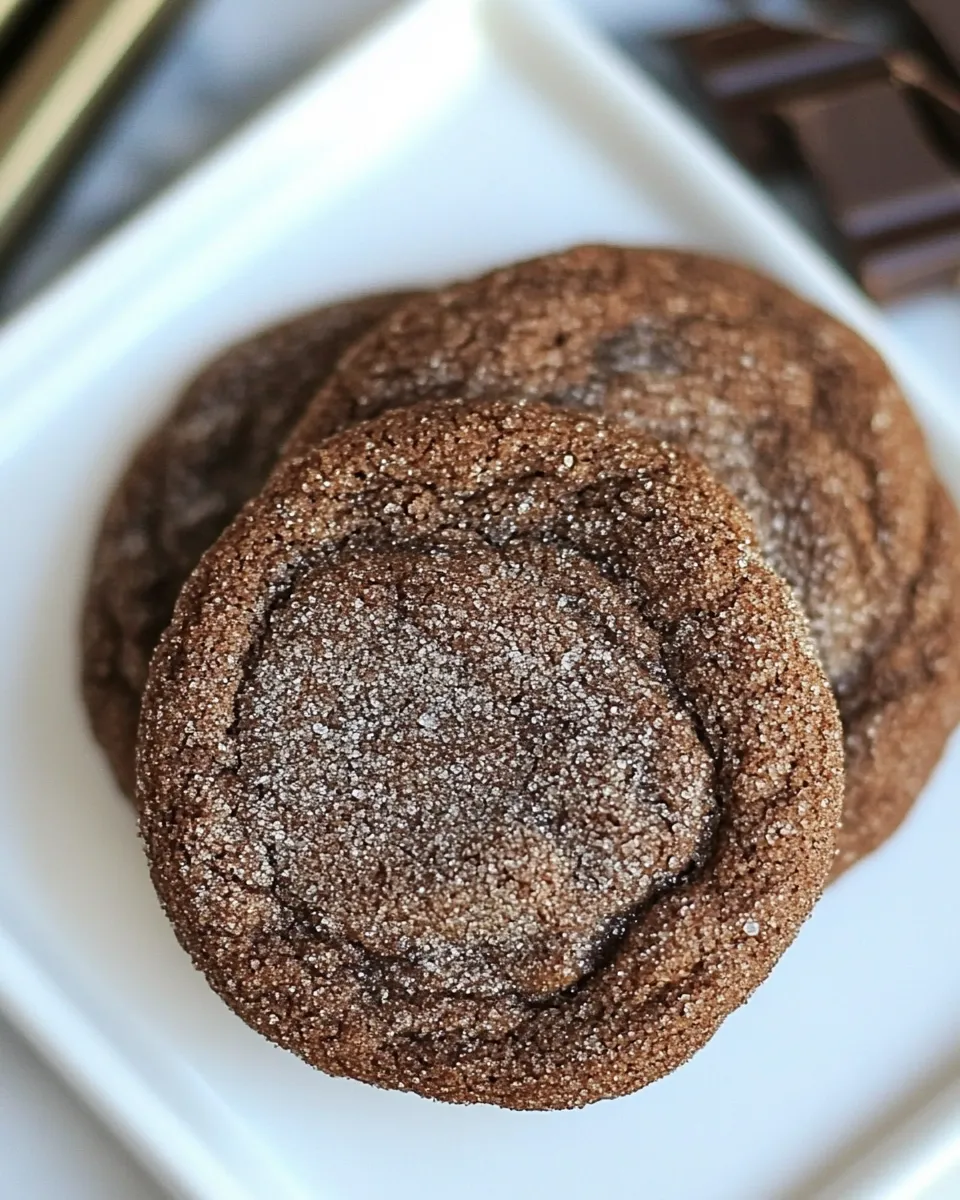
I bake cookies almost every week. Some are experimental, some are classics, and a few become household staples. These Chocolate Snickerdoodles fall into the latter category: cozy, slightly chewy, and finished with a crisp cinnamon-sugar edge. They’re a small twist on a familiar favorite that’s forgiving to make and generous with flavor.
This post gives you everything I use when I make them: the exact pantry ingredients, the tools I reach for, the little pitfalls I’ve learned to avoid, and straightforward, step-by-step directions. No fluff — just practical notes so your batch comes out reliably excellent.
Whether you’re baking for a crowd or just craving something chocolatey with a cinnamon kiss, read through the tips before you start. A few small adjustments in technique make a big difference in texture and appearance.
The Essentials
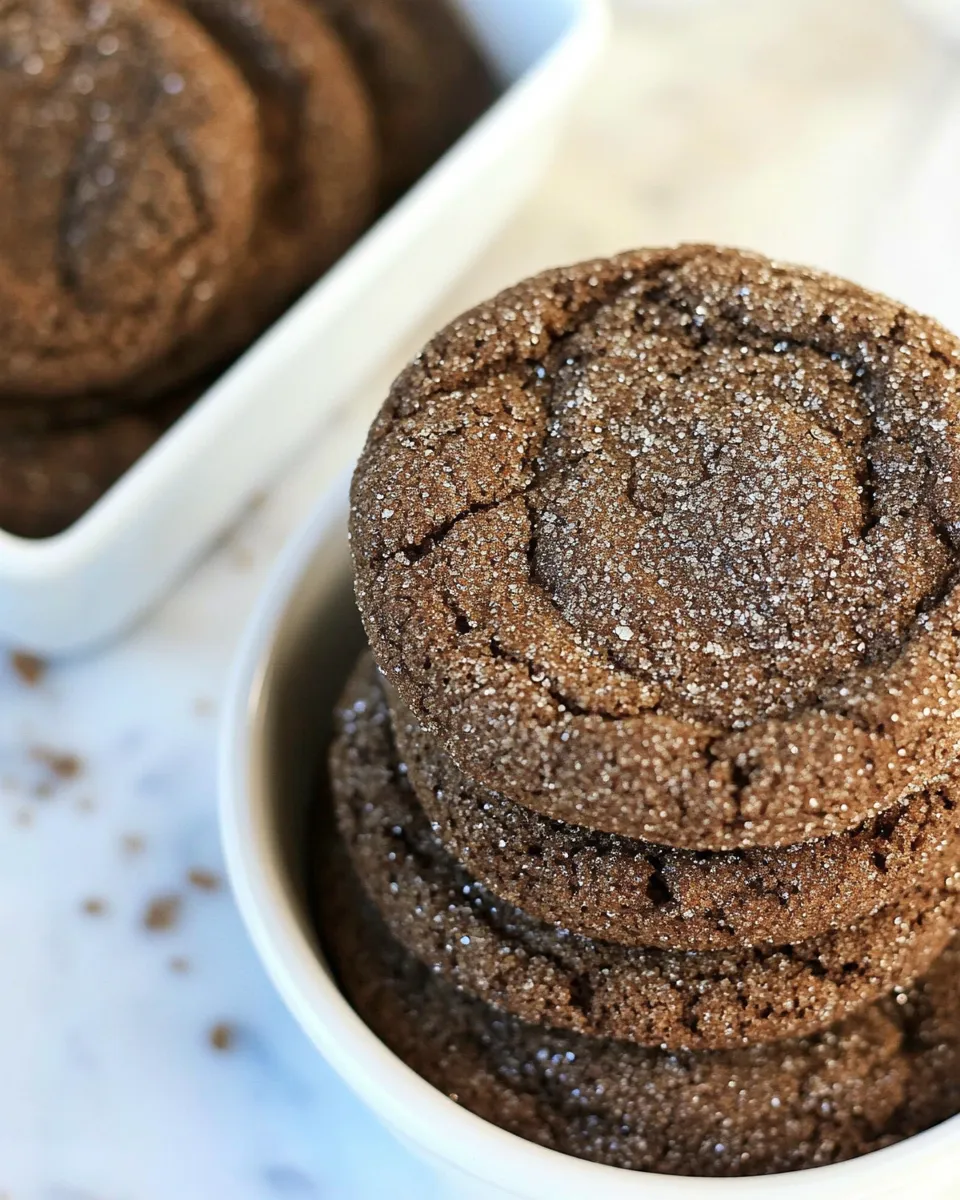
At their core, these cookies are a chocolate-forward snickerdoodle: cocoa in the dough and the familiar cinnamon-sugar that defines a snickerdoodle on the outside. They bake quickly and perform best when you follow basic temperature and spacing rules. The texture should be soft in the center with a set, crinkled edge.
Key practical points:
- Room-temperature butter mixes more evenly and traps air for lift.
- Measure flour accurately—spoon it into the cup and level it off or use a scale.
- Don’t overbake. Remove while centers are still soft; they finish on the sheet as they cool.
Ingredients
- 2 1/4 cups all-purpose flour — provides structure; measure carefully for consistent texture.
- 1/2 cup unsweetened cocoa powder — delivers chocolate flavor and color; sift if lumpy.
- 1 teaspoon baking soda — primary leavening for lift and spread.
- 1 teaspoon cream of tartar — helps with the characteristic snickerdoodle tang and texture.
- 1 teaspoon ground cinnamon — warms the dough itself; pairs with the rolling mixture.
- 1/2 teaspoon sea salt — balances sweetness and enhances chocolate notes.
- 1 cup unsalted butter at room temperature — richness and tenderness; room temp ensures even creaming.
- 1 cup packed brown sugar — adds moisture, chew, and caramel notes.
- 1/2 cup granulated sugar — helps with lift and initial structure in the creamed mixture.
- 2 large eggs — binders that add moisture and richness.
- 1 teaspoon vanilla extract — rounds and deepens flavor.
- 1/4 cup granulated sugar — used for rolling; gives the cookie surface a crisp, sweet shell.
- 1 1/2 teaspoons ground cinnamon — mixed with the rolling sugar for the snickerdoodle finish.
Chocolate Snickerdoodles, Made Easy
Make these cookies with a stand mixer or a hand mixer. The technique is straightforward: whisk the dry, cream the butter and sugars, add eggs and vanilla, combine gently, portion, roll, and bake. Follow the timing closely because the bake window is short — 8 to 10 minutes — and that determines the soft center versus a fully set cookie.
Before you start, preheat your oven and line a sheet so you can work without delay. Portioning consistency matters if you want even baking across the batch.
Why This Chocolate Snickerdoodles Stands Out
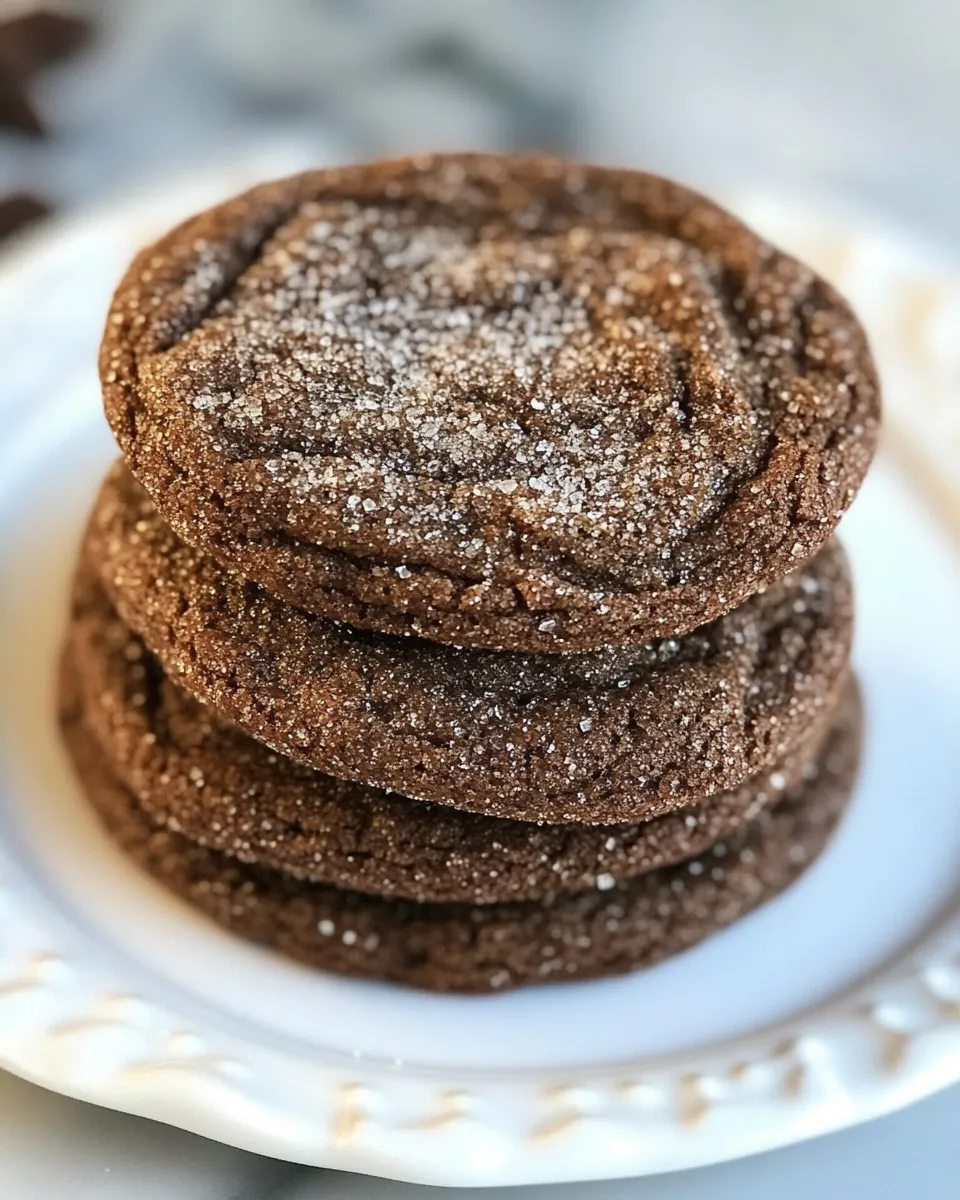
The contrast is what makes these cookies memorable: an almost brownie-like chocolate base softened by brown sugar and then finished with a bright cinnamon-sugar crust. The cocoa keeps the interior rich, while the cream of tartar and baking soda maintain that classic snickerdoodle bite and light tang. Together they give you a cookie that feels familiar but tastes a little more grown-up.
Texture-wise, you get a slightly crisp edge and a tender middle. That soft center is intentional — it’s where the chocolate shines and the cinnamon-sugar sits without overpowering the dough.
Ingredient Swaps & Substitutions
- Unsalted butter — if you only have salted butter, reduce the added salt slightly (use sparingly to avoid over-salting).
- Brown sugar — light or dark both work; dark will deepen the caramel notes.
- Cocoa powder — natural- or Dutch-process cocoa can be used; note that Dutch-process is less acidic and can subtly change rise and color.
- Granulated sugar for rolling — superfine sugar works well for a finer, crisper shell; regular granulated gives a bit more crunch.
- Eggs — for egg-free baking you’d need a tested replacement formula; this recipe relies on eggs for structure, so expect texture changes if omitted.
Toolbox for This Recipe
- Stand mixer or hand mixer — for creaming butter and sugars evenly.
- Large mixing bowls — keep dry and wet separate until needed.
- Measuring cups and spoons (or a kitchen scale) — accuracy matters.
- Silpat or parchment paper — for even baking and easy release.
- Cookie scoop or tablespoon — for consistent portioning (about 2 tablespoons per cookie).
- Cooling rack — helps cookies finish properly without sweating on the pan.
Pitfalls & How to Prevent Them
- Overmixing the dough — once the flour is added, mix only until combined. Overworking develops gluten and makes cookies tough.
- Overbaking — baked too long, they’ll lose that soft center. Pull at 8 minutes if your oven runs hot; 10 minutes is the max on the high side.
- Underspacing on the sheet — cookies spread. Give about 2 inches between dough balls to avoid merging.
- Cold butter — won’t cream properly. Let it sit until soft but still cool to the touch before starting.
- Incorrect flour measurement — packing flour into cups creates dense dough. Spoon and level or weigh your flour.
Customize for Your Needs
- Make them larger or smaller — scale the portion size with your scoop; watch the bake time closely (larger cookies need more time).
- Add texture — fold in a small handful of chocolate chips or chopped nuts if you like contrast (this will change the chew and appearance).
- Adjust sweetness — reduce rolling sugar slightly if you prefer less surface sweetness, or bump brown sugar up for a chewier cookie.
- Flavor lift — a pinch more cinnamon in the rolling sugar strengthens that warm finish; orange zest can add a bright note if you like citrus with chocolate.
Pro Tips & Notes
Timing & Temperature
- Creaming butter and sugars for about two minutes introduces air for lift. Scrape the bowl once during mixing to ensure even texture.
- Let cookies rest on the sheet for about five minutes before transferring. They continue to set and will finish without drying out.
Texture Control
- If you want a chewier center, err to the lower end of the bake time. For a firmer cookie, add a minute or two, watching carefully.
- Sift the cocoa and flour together if you prefer a uniform, dust-free dough—especially helpful if your cocoa is clumpy.
Batch Baking
- If you’re baking multiple sheets, rotate pans front to back halfway through. Use the same rack position for consistent heat exposure.
Storing, Freezing & Reheating
- Room temperature: Store in an airtight container for up to 3 days to keep centers soft.
- Refrigeration: Not necessary; it can dry cookies out faster. If you must refrigerate, bring to room temperature before serving.
- Freezing dough: Scoop and freeze the dough balls on a tray. Once firm, transfer to a freezer bag; bake from frozen with an extra 1–2 minutes of bake time.
- Freezing baked cookies: Freeze fully cooled cookies in a single layer in a sealed container with parchment between layers. Thaw at room temperature.
- Reheating: Warm briefly in a 300°F oven for 3–5 minutes or microwave for 8–10 seconds to soften centers—watch closely to avoid over-softening.
Your Questions, Answered
- Q: Can I chill the dough before baking? A: Yes. Chilling firms the dough and can reduce spread. Bake directly from chilled but add a minute or two if needed.
- Q: Why both baking soda and cream of tartar? A: The combination balances leavening and the tang associated with traditional snickerdoodles while allowing the cocoa to remain flavorful.
- Q: My cookies are flat — what happened? A: Likely butter was too warm, dough was overmixed, or the baking soda lost potency. Check oven temp and ingredient freshness.
- Q: Can I make these without cocoa for a classic snickerdoodle? A: You could omit the cocoa, but the recipe was formulated for the chocolate version. Other adjustments may be needed for texture and flavor balance.
Ready, Set, Cook
- Preheat the oven to 350°F. Line a large baking sheet with a Silpat or parchment paper and set aside.
- In a large bowl, whisk together 2 1/4 cups all-purpose flour, 1/2 cup unsweetened cocoa powder, 1 teaspoon baking soda, 1 teaspoon cream of tartar, 1 teaspoon ground cinnamon, and 1/2 teaspoon sea salt. Set the dry mixture aside.
- In the bowl of a stand mixer (or a large mixing bowl with a hand mixer), beat 1 cup unsalted butter (room temperature) for about 30 seconds until smooth.
- Add 1 cup packed brown sugar and 1/2 cup granulated sugar to the butter. Beat for about 2 minutes, until the mixture is light and fluffy, stopping once to scrape down the sides of the bowl.
- Add 2 large eggs and 1 teaspoon vanilla extract. Mix just until combined.
- Add the dry ingredient mixture to the wet ingredients and mix on low speed (or fold by hand) until just combined and no large streaks of flour remain. Do not overmix.
- In a small bowl, combine 1/4 cup granulated sugar and 1 1/2 teaspoons ground cinnamon. Stir until evenly mixed—this is the rolling mixture.
- Use a cookie scoop or tablespoon to portion dough into balls of about 2 tablespoons each.
- Roll each dough ball in the cinnamon-sugar mixture until evenly coated. Place the coated dough balls on the prepared baking sheet about 2 inches apart.
- Bake in the preheated oven for 8–10 minutes, until the cookies are set around the edges but still soft in the centers. Avoid overbaking.
- Let the cookies cool on the baking sheet for about 5 minutes, then transfer them to a cooling rack to cool completely.
That’s it. Follow the steps in order, mind your timing, and you’ll have a warm batch of Chocolate Snickerdoodles with a deeply chocolate interior and the classic cinnamon-sugar snap outside. Share them, freeze them, or keep them all to yourself — they hold up well either way. Happy baking.
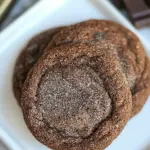
Chocolate Snickerdoodles
Ingredients
Ingredients
- 2 1/4 cupsall-purpose flour
- 1/2 cupunsweetened cocoa powder
- 1 teaspoonbaking soda
- 1 teaspooncream of tartar
- 1 teaspoonground cinnamon
- 1/2 teaspoonsea salt
- 1 cupunsalted butterat room temperature
- 1 cuppacked brown sugar
- 1/2 cupgranulated sugar
- 2 large eggs
- 1 teaspoonvanilla extract
- 1/4 cupgranulated sugar
- 1 1/2 teaspoonsground cinnamon
Instructions
Instructions
- Preheat the oven to 350°F. Line a large baking sheet with a Silpat or parchment paper and set aside.
- In a large bowl, whisk together 2 1/4 cups all-purpose flour, 1/2 cup unsweetened cocoa powder, 1 teaspoon baking soda, 1 teaspoon cream of tartar, 1 teaspoon ground cinnamon, and 1/2 teaspoon sea salt. Set the dry mixture aside.
- In the bowl of a stand mixer (or a large mixing bowl with a hand mixer), beat 1 cup unsalted butter (room temperature) for about 30 seconds until smooth.
- Add 1 cup packed brown sugar and 1/2 cup granulated sugar to the butter. Beat for about 2 minutes, until the mixture is light and fluffy, stopping once to scrape down the sides of the bowl.
- Add 2 large eggs and 1 teaspoon vanilla extract. Mix just until combined.
- Add the dry ingredient mixture to the wet ingredients and mix on low speed (or fold by hand) until just combined and no large streaks of flour remain. Do not overmix.
- In a small bowl, combine 1/4 cup granulated sugar and 1 1/2 teaspoons ground cinnamon. Stir until evenly mixed—this is the rolling mixture.
- Use a cookie scoop or tablespoon to portion dough into balls of about 2 tablespoons each.
- Roll each dough ball in the cinnamon-sugar mixture until evenly coated. Place the coated dough balls on the prepared baking sheet about 2 inches apart.
- Bake in the preheated oven for 8–10 minutes, until the cookies are set around the edges but still soft in the centers. Avoid overbaking.
- Let the cookies cool on the baking sheet for about 5 minutes, then transfer them to a cooling rack to cool completely.
Equipment
- Large Bowl
- Stand Mixer or Hand Mixer
- Small Bowl
- Cookie scoop or tablespoon
- Baking Sheet
- Silpat or parchment paper
- Cooling rack